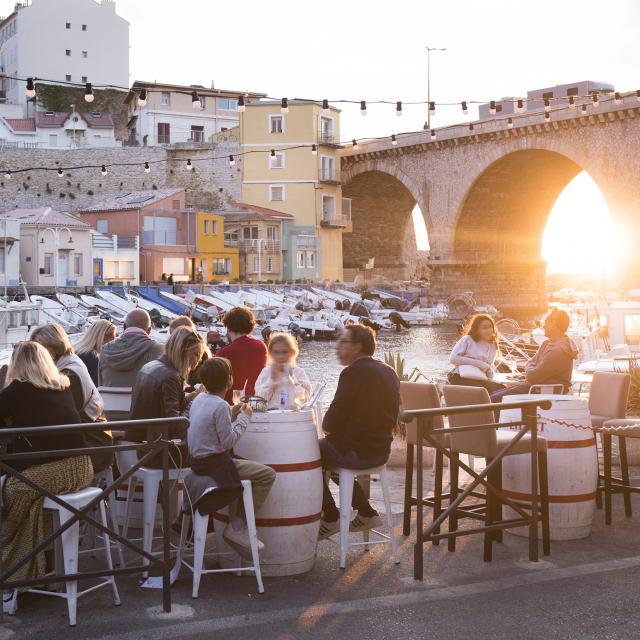
The districts of Marseille

Marseille has 111 official districts, 16 boroughs and eight sectors. Find all the information on the districts of Marseille ! Each sector contains two boroughs, each of which is made up of several districts. The city has eight sector town halls and a main town hall located on the street “Quai du Port”.

The origins of neighbourhoods

Marseille’s neighbourhoods have evolved in several ways:

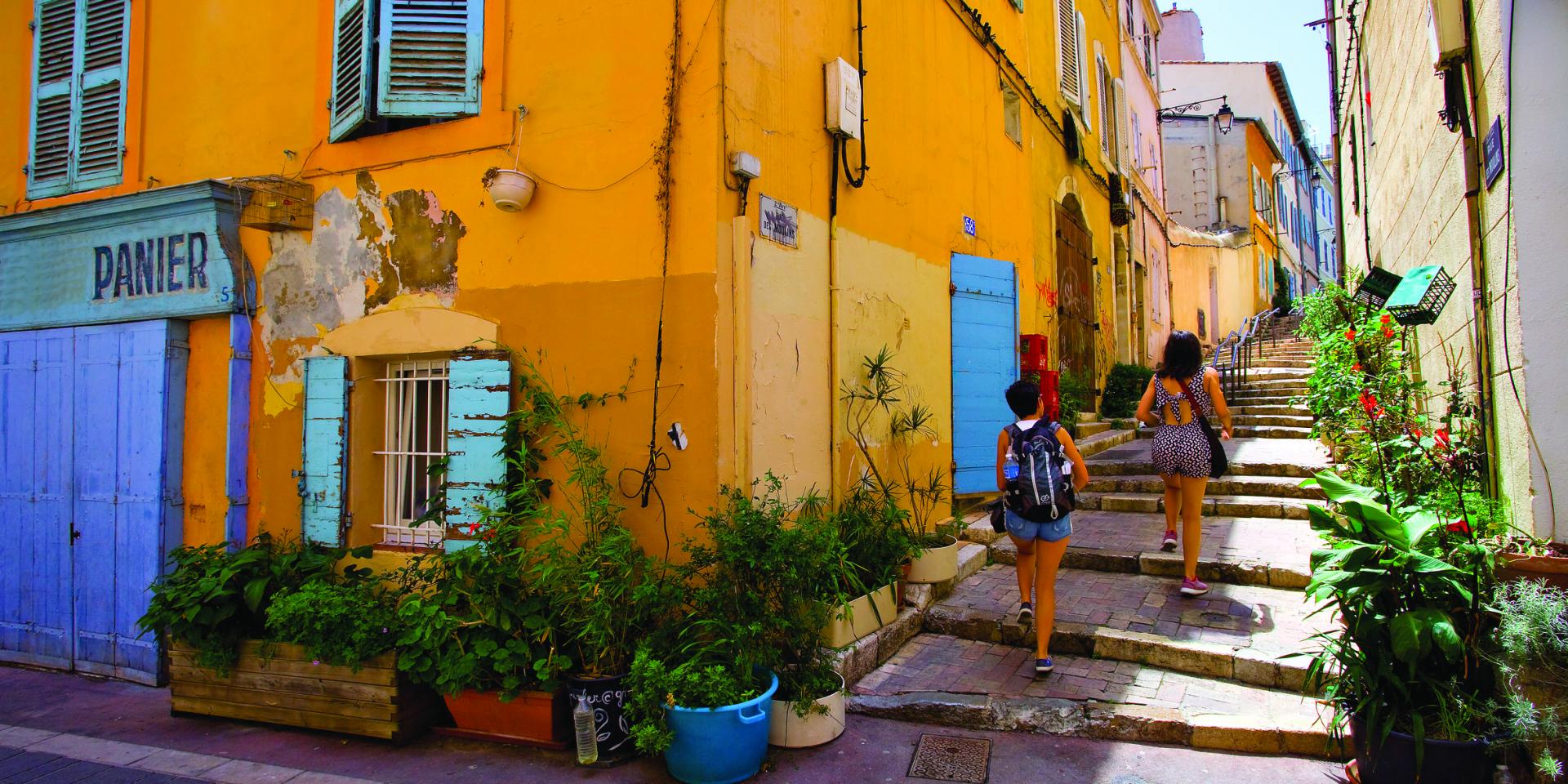
Many districts were villages on the outskirts of Marseille, which were attached to the commune and included in the list of 111 districts. They then took the name of the village church, which explains why 26 of them bear the name of a saint: Saint Jérôme, Saint Antoine, Saint Loup, Saint Victor, etc.

Others are former plots of “countryside” that have taken the name of the estate (la Blancarde) or its owners (les Camoins).

Some districts take their name from a building (Grands-Carmes), or from a motto on the pediment of a bastide (Menpenti). It read “Marchi toujou, e jamai m’en penti” (I always walk and never repent).

Some districts have simply taken on the name of a geographical or economic feature: Roucas Blanc (a rocky limestone hill) or Montolivet (at the time a hill with olive groves).

The unofficial districts

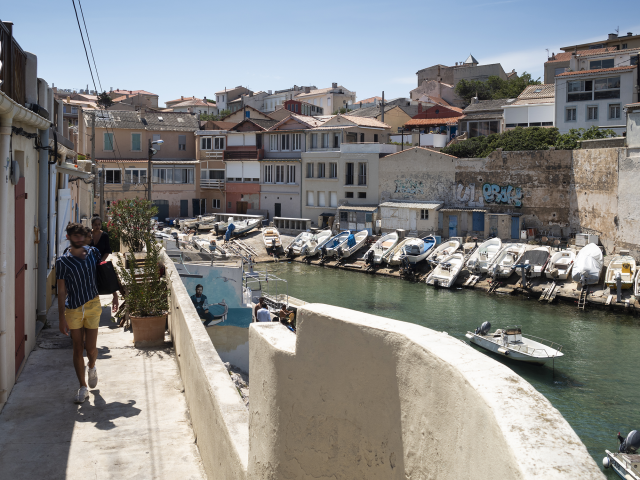
There are also neighbourhoods that are very much in the minds of the people of Marseille, but which are unofficial: Le Vieux-Port, Longchamp, les Catalans, La Plaine, Malmousque, Luminy… and many others.
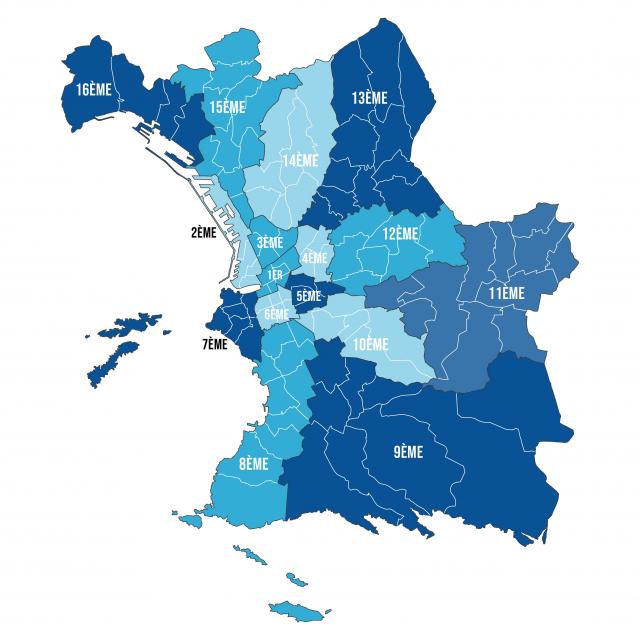
Do the people of Marseilles know the names of the 111 districts by heart?

List of districts in Marseille

The shopping districts of Marseille

If you like fashion, art, decoration and good local products, the city of Marseille will undoubtedly seduce you with its many shopping districts, its market alleys and its impressive shopping centres. This is the perfect opportunity to mingle with the locals, talk to the vendors and producers and soak up the authentic atmosphere of the city, while taking some time to treat yourself.

Read more

Unique but united

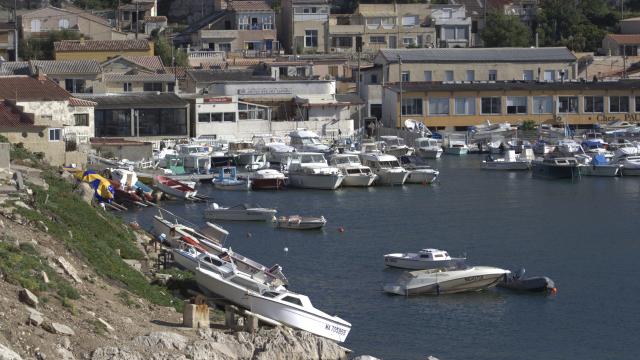
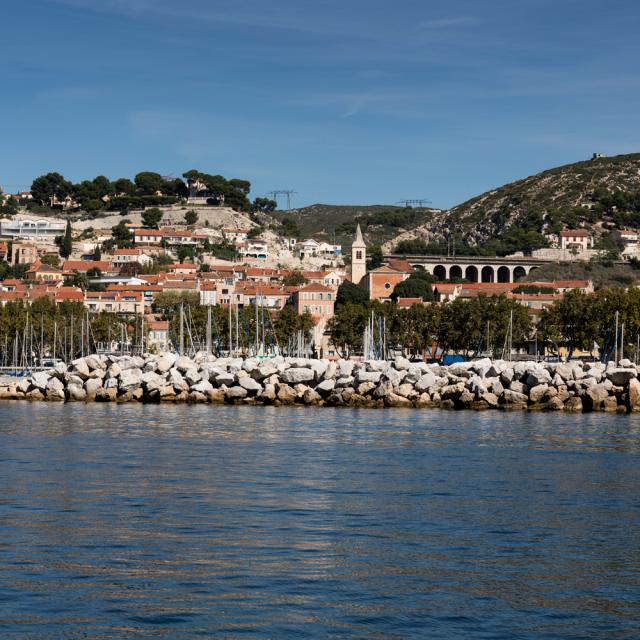
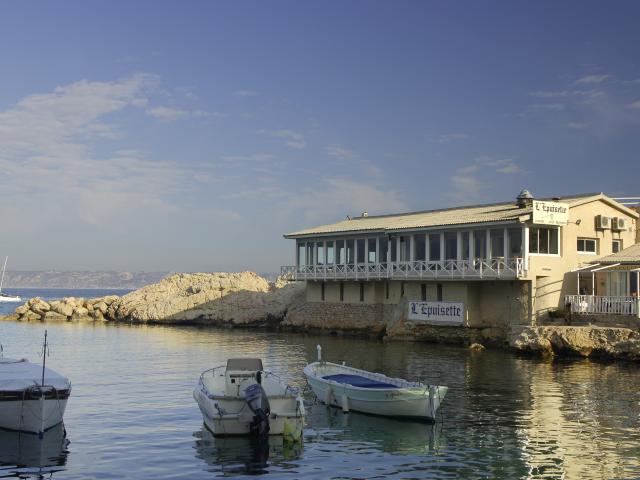
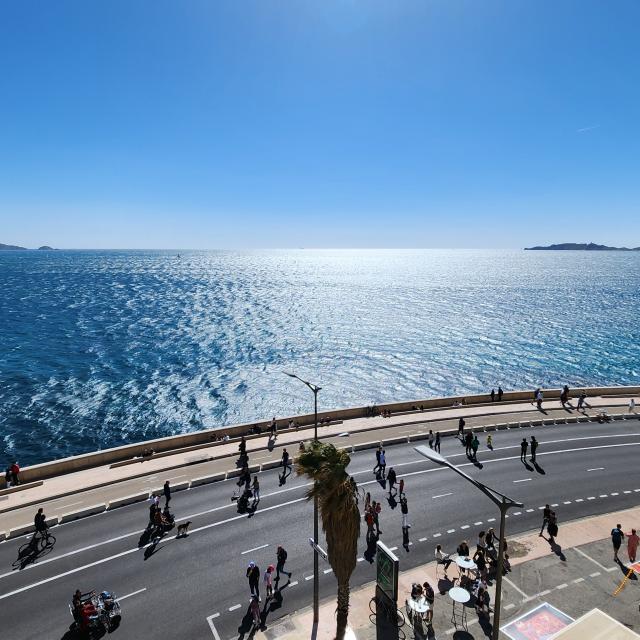
While each district has its own church and bowling green, not all of Marseille’s districts have the same history. Some, like l’Estaque and les Goudes, have always been resolutely sea-facing. These were fishermen’s neighbourhoods, and in a way bear witness to the long love affair between Marseille and the sea. Marseille has made the most of its coastline, but it also has a hinterland, a countryside that is often depicted in the novels of Marcel Pagnol. From Château-Gombert to La Treille and Les Camoins, the population has always been considered rural. While the seaside was home to many fishermen, inland there were many hunters. These 111 neighbourhoods have a distinct identity of which the residents are proud. When Marseillais are asked “Where do you come from?”, it’s not uncommon for them to reply “and my goodness*, from l’Estaque! These districts, from the most eccentric to the most polite, from the most populated to the most deserted, have one thing in common: their uniqueness. Each neighbourhood is unique. That’s what makes the people of Marseille proud of their city, with its breathtaking cultural wealth. If you look up, every inhabitant of every district can see the same landmark in the distance: “La Bonne Mère” (the Good Mother). All the districts proudly display their distinctive features, as well as the blue cross on a white background that represents the city of Marseille.

The motto “Actibus immensis urbs fulget Massiliensis” means “Marseille shines through its deeds”. We could say that the splendour of the city of Marseille stems from its heterogeneous and atypical character, which can be seen in its 111 districts.

Quartiers Nord and Quartiers Sud

In Marseille, the word “quartier” also has a broader meaning. It is used to designate areas of the city: the northern districts, made up of the 13th and 14th arrondissements,

Neighbourhood Interest Committees (CIQs)

CIQs are associations open to all residents. Their role is to act as a link between residents and the municipality on all matters relating to the daily lives of residents (public services, safety, traffic). They also help to promote local life (lotos, flea markets, festivals).

Subscribe to our newsletter

Stay connected and find out all the latest news from Marseille