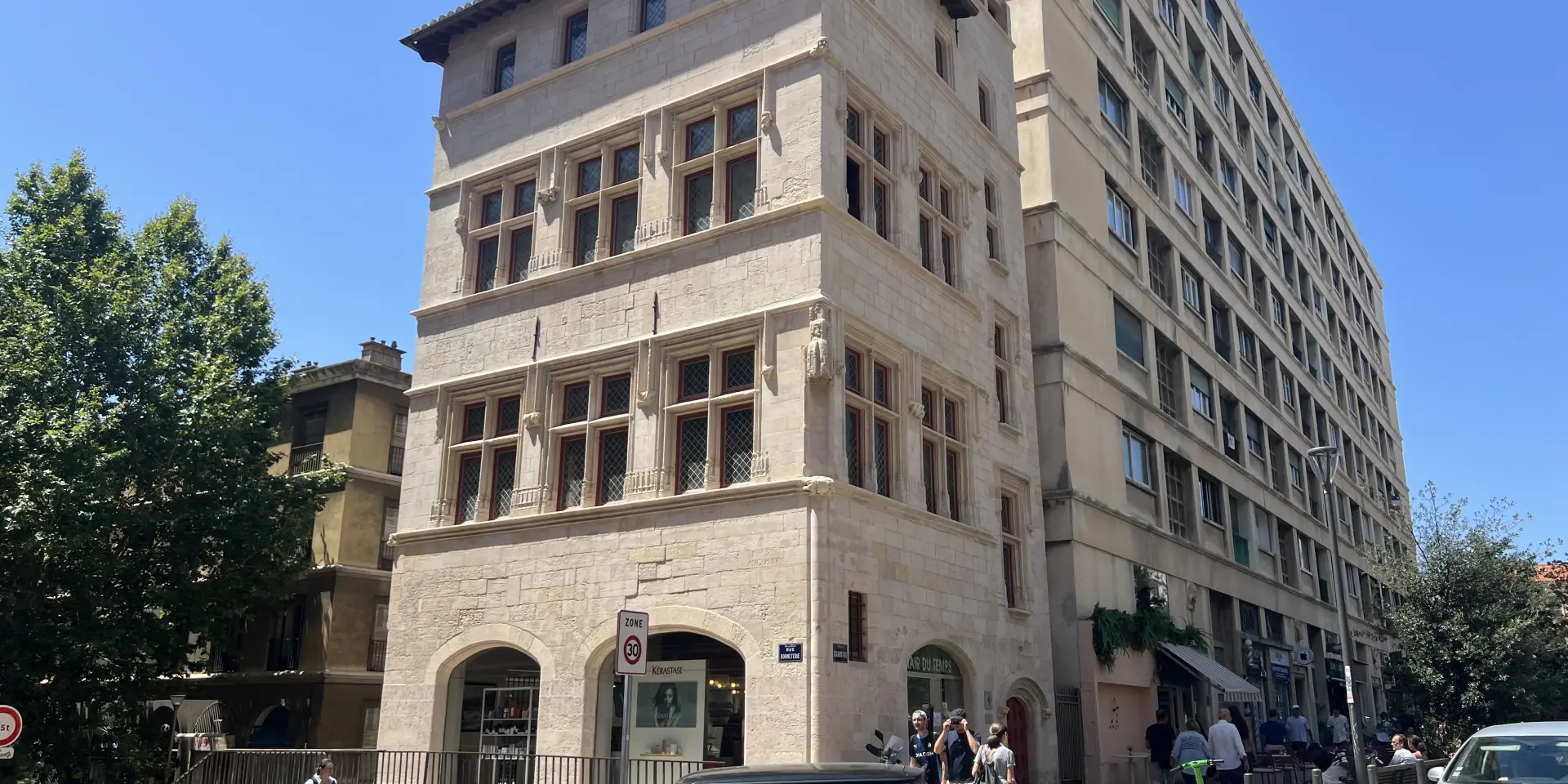
A building that has stood the test of time
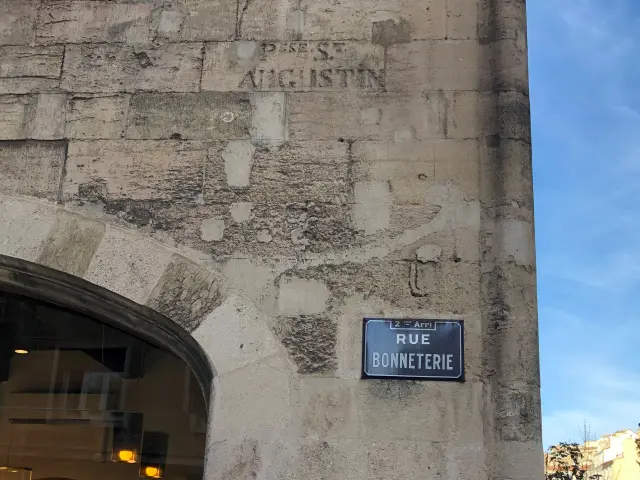
Situated in Marseille’s 2nd arrondissement, on the corner of the Grand Rue and Rue de la Bonneterie, the Hôtel de Cabre is considered to be the oldest surviving house in Marseille. Built in 1535 at the request of Louis de Cabre, a consul, merchant and councillor from Marseille, it takes its name from its patron. This historic monument enjoys a prime location, just a stone’s throw from the Vieux-Port,the Hôtel de Ville and the Hôtel-Dieu.
Also known as the Maison de l’Échevin de Cabre, the building immediately stands out for its architecture. Its monumental façade, elegant mullioned windows and style—blending Gothic and Renaissance influences—contrast with the more recent buildings surrounding it. On the façade, visitors can see the effigies of Louis de Cabre and his wife, as well as a statue of Saint James, erected in honour of Louis’s father, Jacques de Cabre. In 1941, the façades of the Hôtel de Cabre were listed as Historic Monuments.
Over the centuries, the Hôtel de Cabre has weathered the major periods of Marseille’s history, escaping destruction. During the French Revolution, the coats of arms adorned with fleurs-de-lis were hammered out, as these emblems were associated with the monarchy. A few decades later, in January 1943, the building survived the widespread destruction that followed the Marseille round-up. On Hitler’s orders, the German authorities razed a large part of the neighbourhoods on the north bank of the Vieux-Port, which were wrongly deemed unsanitary and dangerous. The demolitions took place between 3 and 19 January 1943. Among the few buildings spared were the Hôtel de Cabre and the Maison Diamantée, which today stand as precious examples of Marseille’s historical heritage.
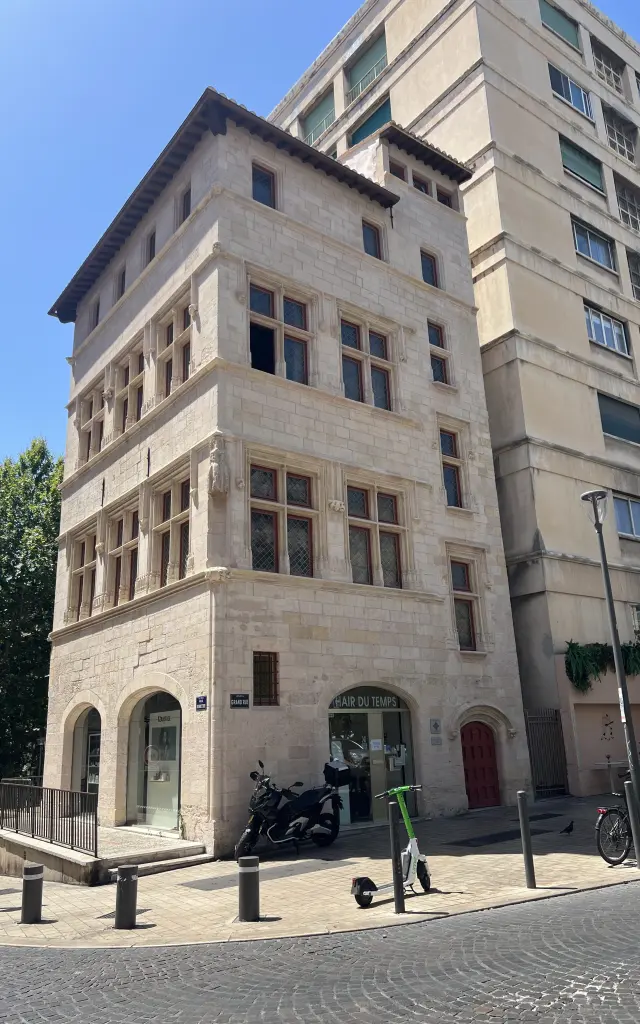
Hotel De Cabre – Renovated 9 Rotated
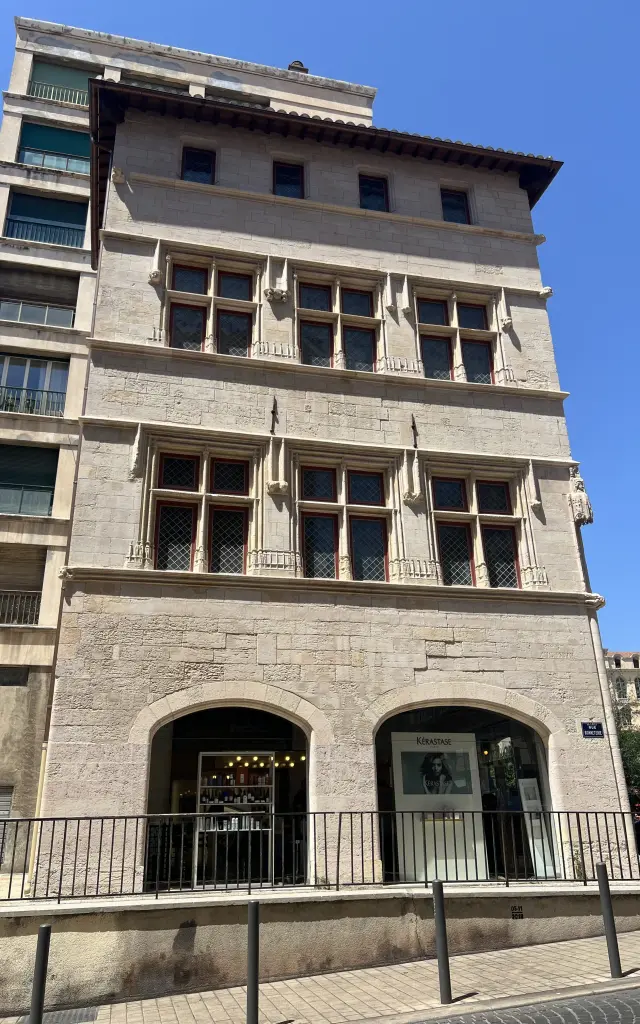
Hotel De Cabre, Renovated 2, Rotated