A citadel to protect Marseille
The Mediterranean Sea has always been at the heart of Marseille’s history. Whilst it has contributed greatly to the city’s prosperity, it has also served as a route for invasion. In 1524, Marseille was besieged by the armies of the Holy Roman Empire. The city owed its survival solely to its ramparts and the expected arrival of French reinforcements.
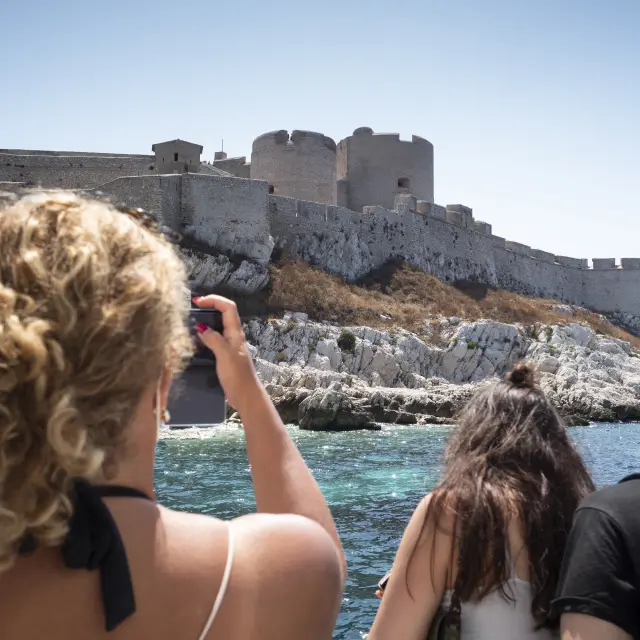
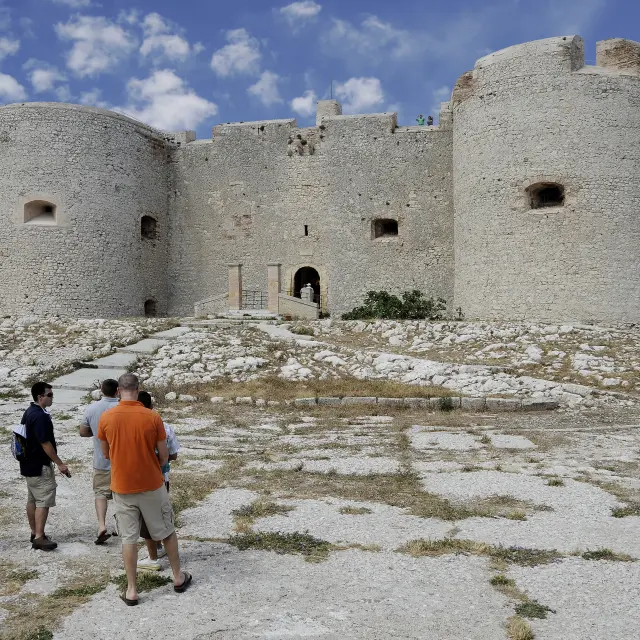
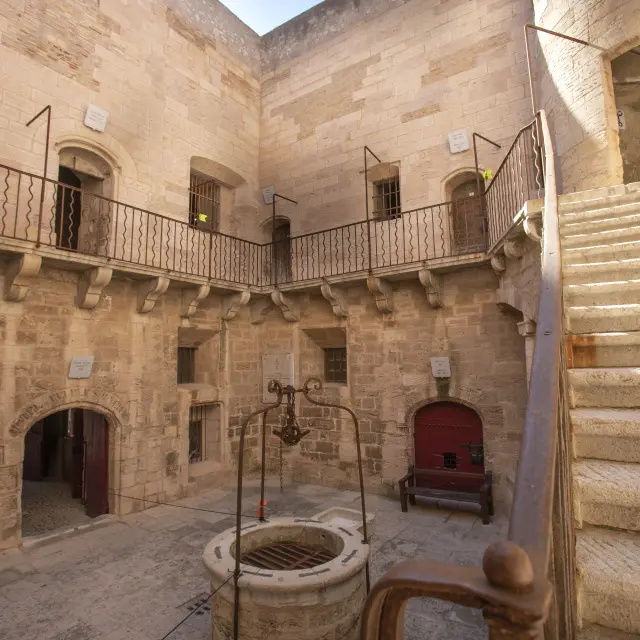
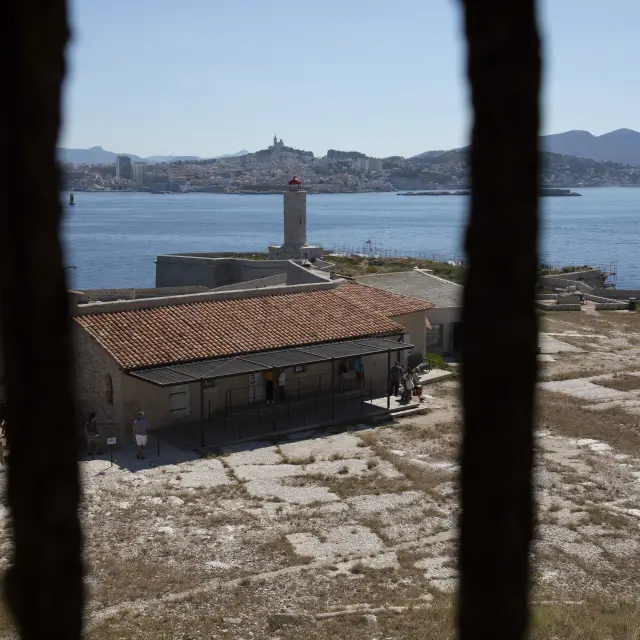
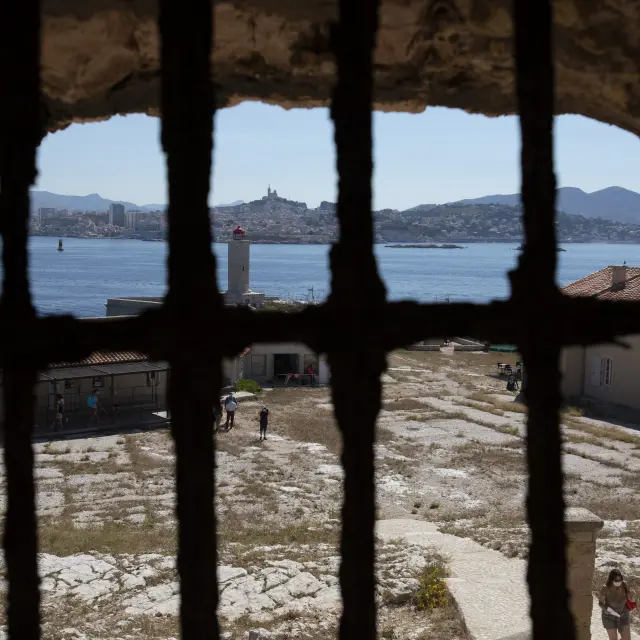
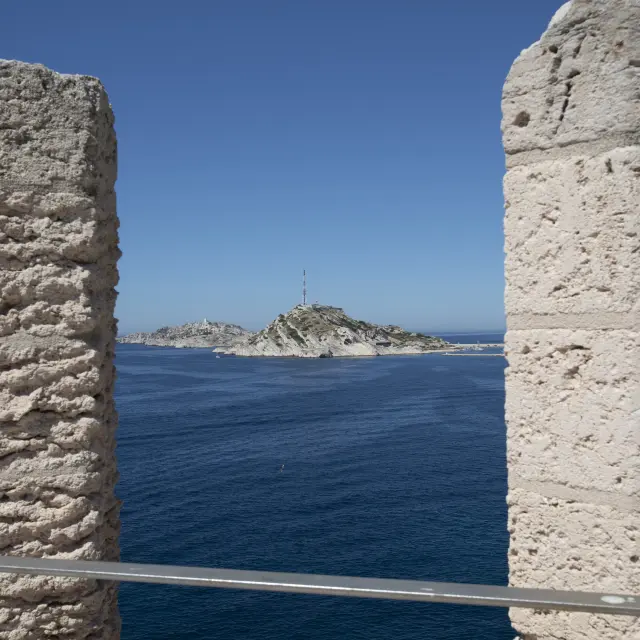
Aware of the strategic importance of Marseille, then a thriving port opening onto the Mediterranean, Francis I decided to strengthen the city’s defences. He had a fortress built on a small island swept by the mistral, ideally situated at the entrance to the Lacydon cove, the former name of the Old Port. This position enabled the future Château d’If to fulfil three essential roles:
- to prevent an enemy fleet from invading Marseille by sea, as had happened in 1423 during the attack by Aragonese troops;
- to protect the royal arsenals and secure the entry and exit points for the galleys moored in the harbour;
- to assert the king’s authority over a city with a strong spirit of independence, which had been incorporated into the Kingdom of France at the end of the 15th century along with Provence.
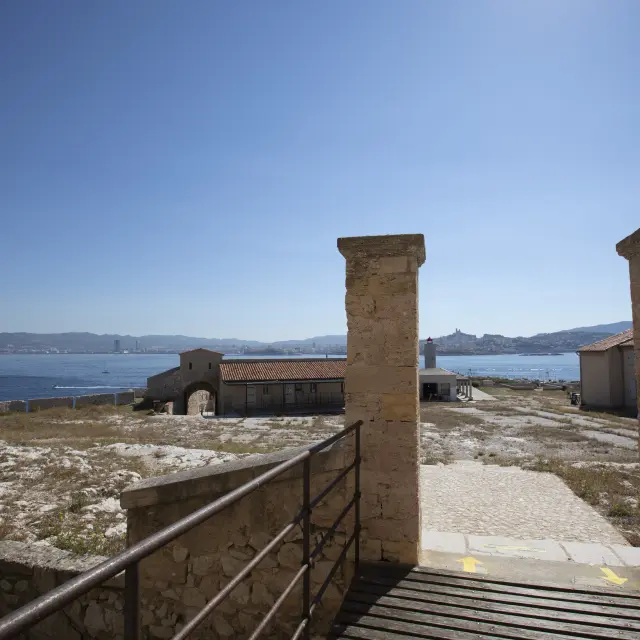
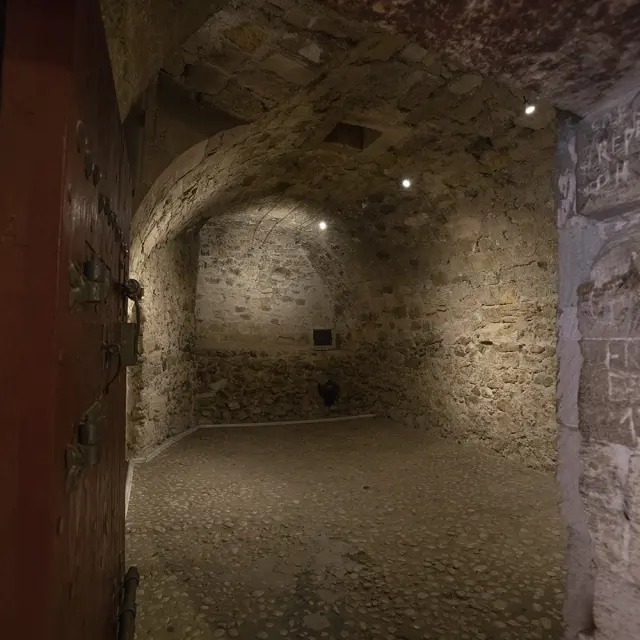
In 1702, at the start of the 18th century, the fortifications were reinforced by Vauban. In particular, the military engineer had new low-lying coastal batteries and a barracks built. Even today, this remarkable military complex bears witness to the strategic importance of the Château d’If in the history of Marseille. It has been listed as a Historic Monument since 7 July 1926.