Reformed Church

The Réformés district

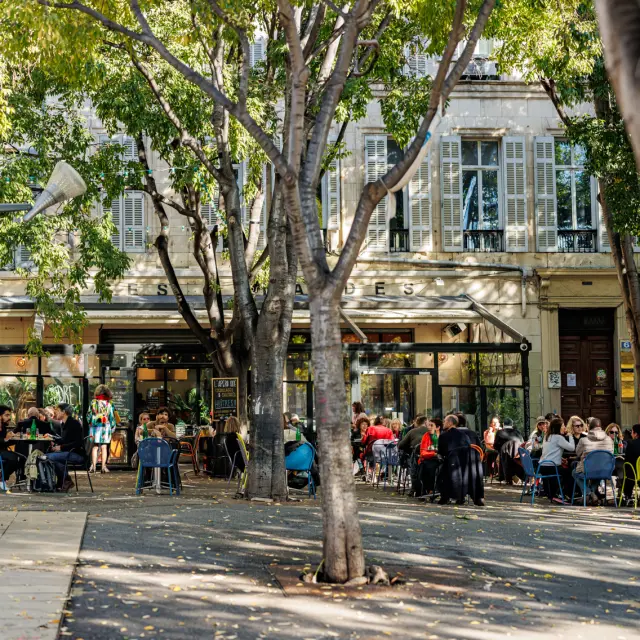
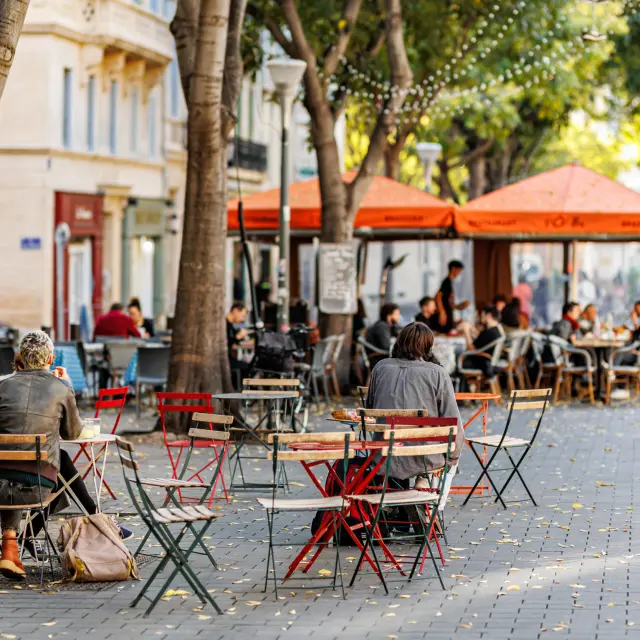
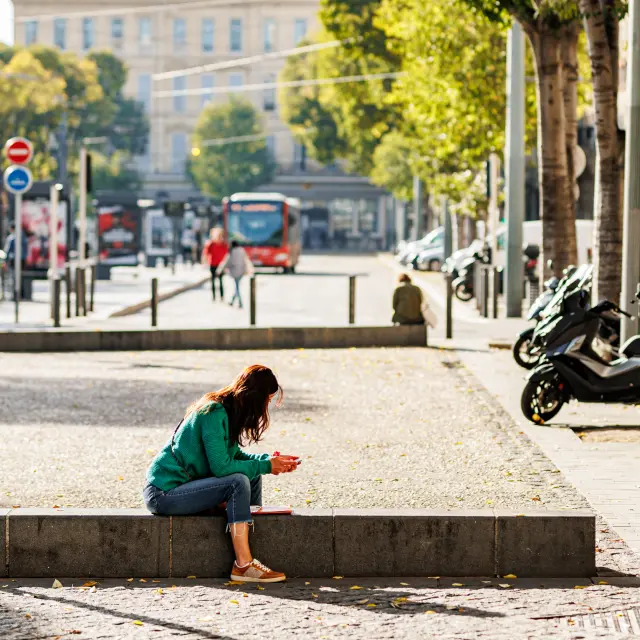
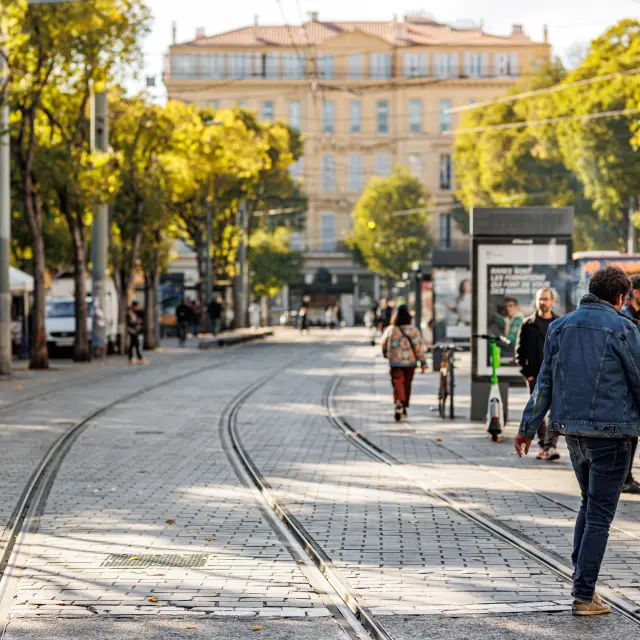
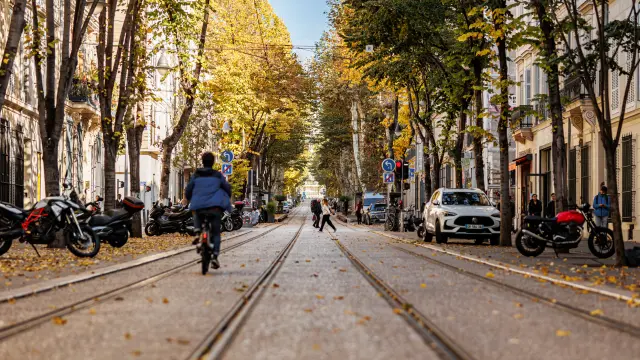
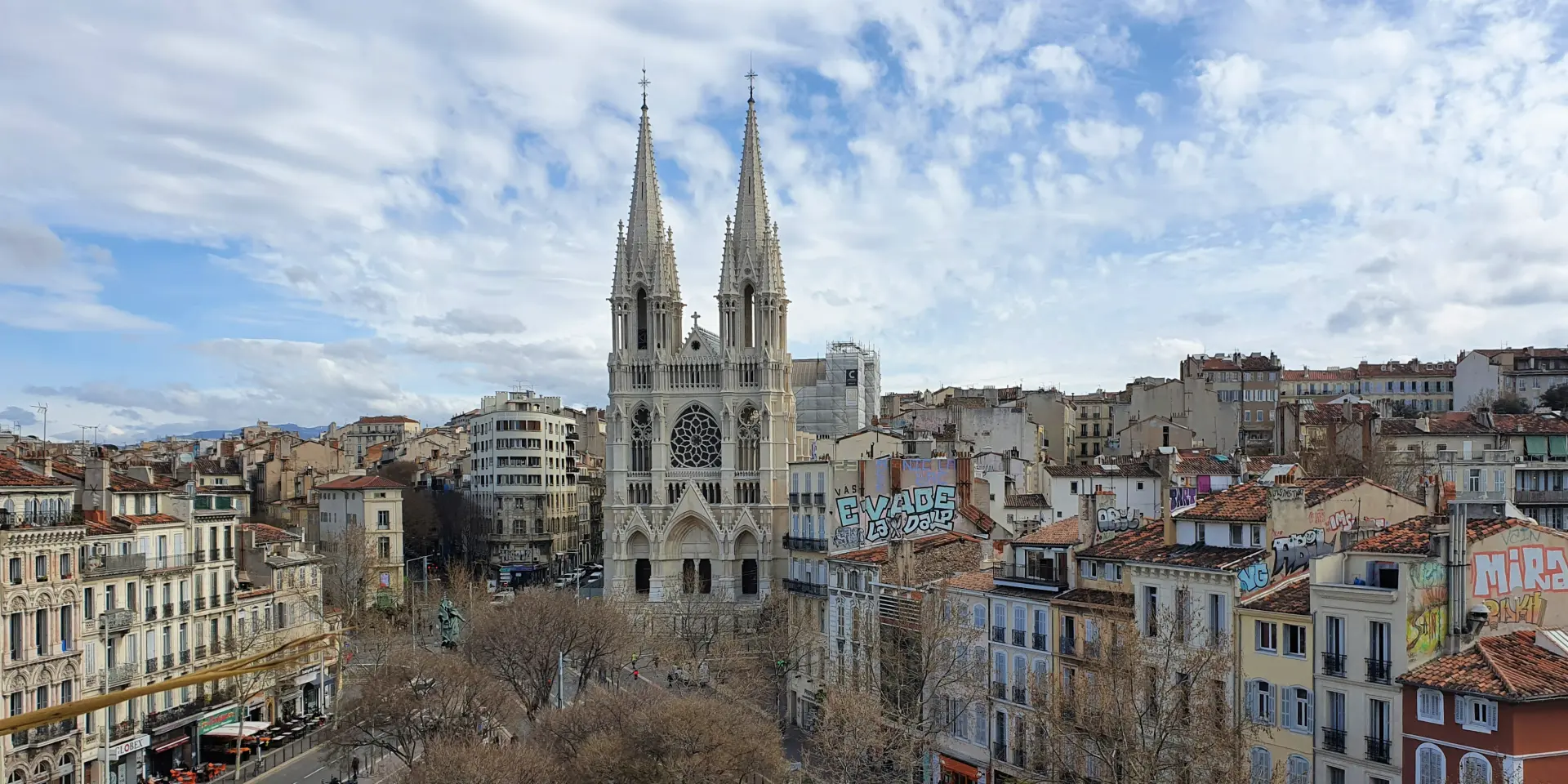
The Réformés district is situated in Marseille’s 1st arrondissement, at the top of La Canebière, one of the city’s main thoroughfares, and not far from Saint Charles station. Much loved by locals and visitors alike, this neighbourhood is home to a church of the same name, as well as pleasant café and restaurant terraces. Lively and historic, it holds a special place in the hearts of the people of Marseille, who pass through it on their way to the Vieux-Port or stop off to enjoy its various attractions, which have now become unmissable features of the city.

The Church of Saint Vincent de Paul, or the Reformed Church

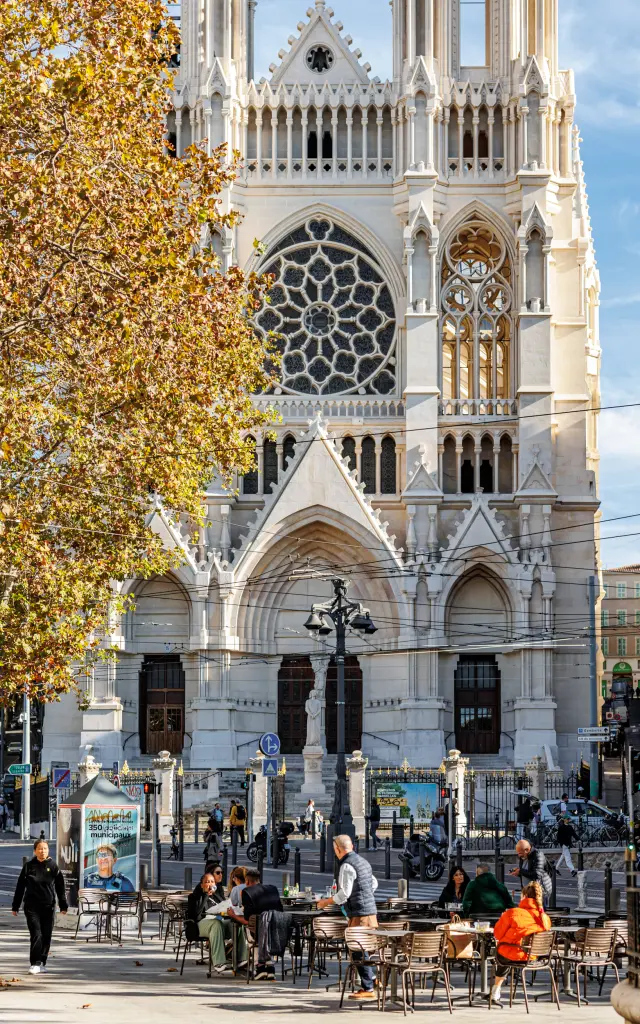
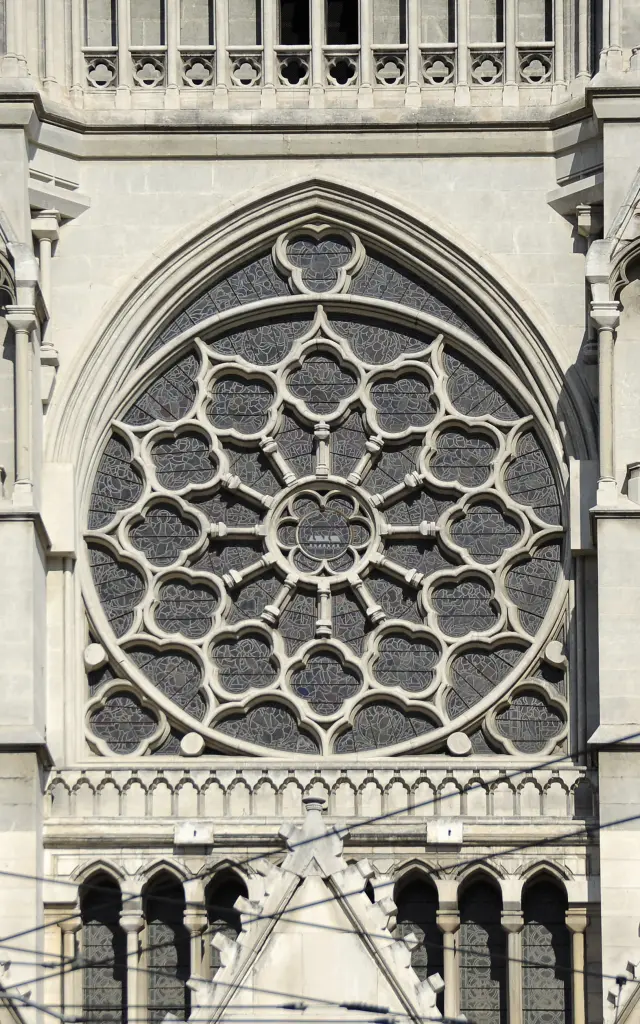
The Church of Saint Vincent de Paul is known locally as the Reformed Church because of its history and its location on the site of a former chapel of the Reformed Augustinians, for which the Duke of Guise laid the foundation stone in the 17th century. After it was demolished, it was replaced by a beautiful, large Gothic-style church: the Church of Saint Vincent de Paul, which was consecrated in 1886. Listed as a historic monument, it stands out in the landscape of Marseille and the Provence-Alpes-Côte d’Azur region thanks to its two towers, which rise to a height of 70 metres – as high as Notre-Dame Cathedral in Paris. It also boasts magnificent stained-glass windows and a majestic organ to admire, as well as a statue of Joan of Arc. Although it was nearly demolished in the 1980s due to low attendance, the Catholic Church of the Reformed is now one of the city’s most popular parishes and a must-see landmark not to be missed when visiting Marseille in the Bouches-du-Rhône.
The iconic landmarks of the Réformés district

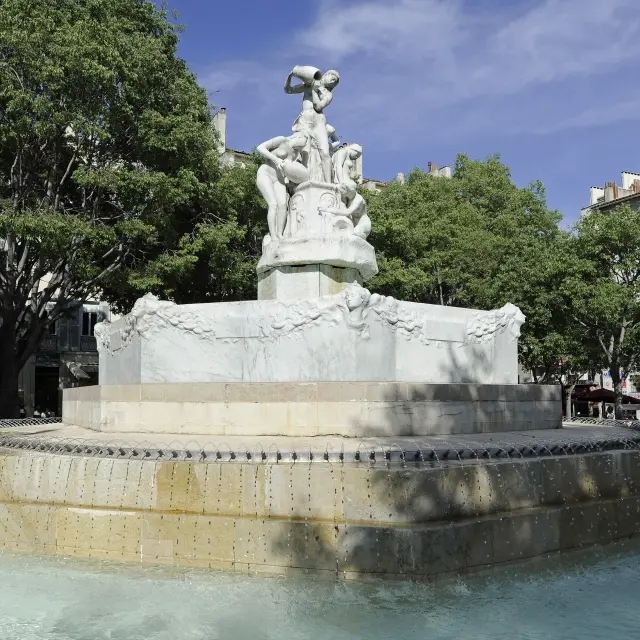
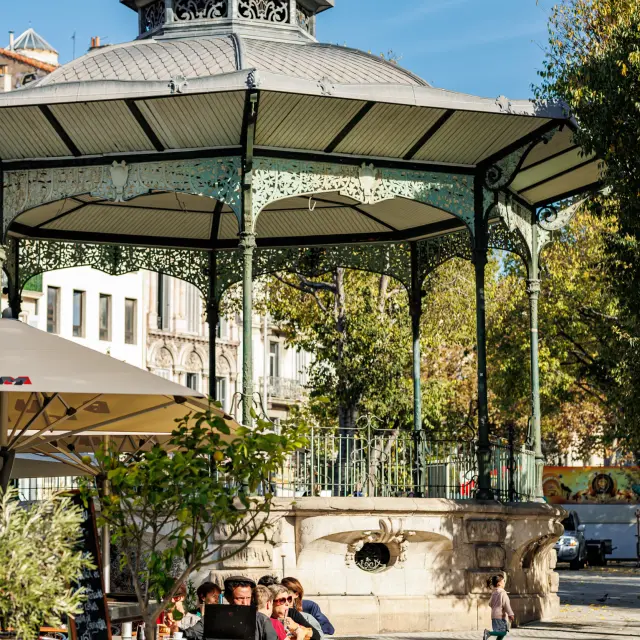
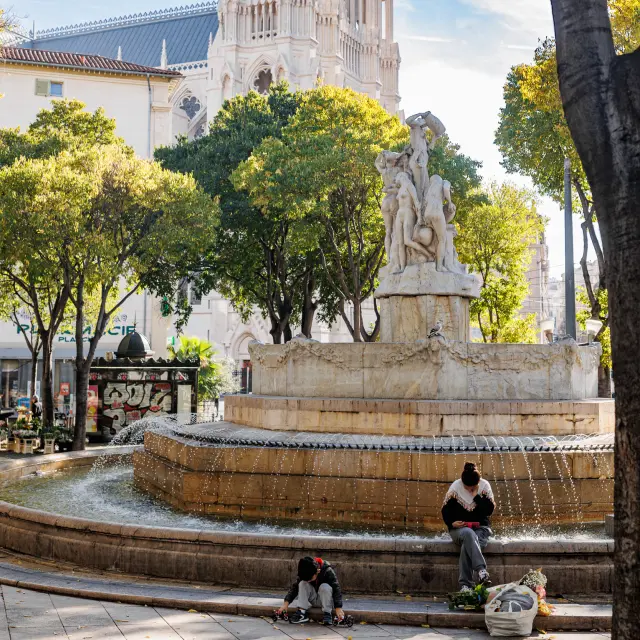
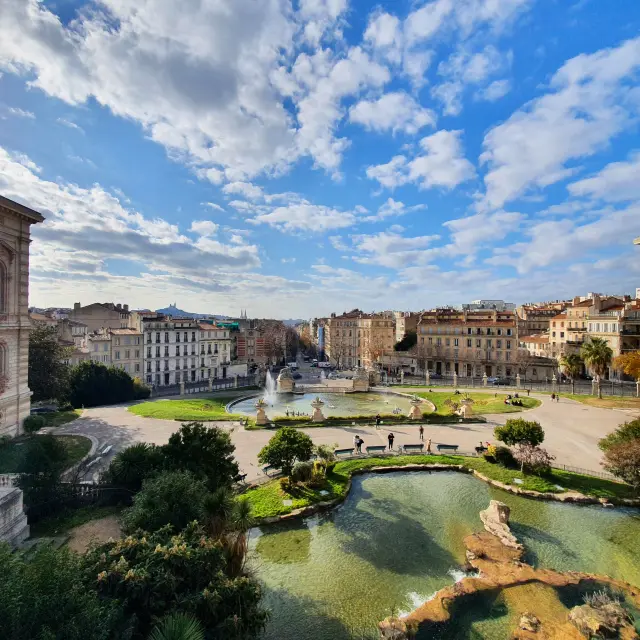
The Réformés district is also home to other monuments and points of interest worth exploring. The Danaids Fountain, on Square Stalingrad (formerly Cours du Chapitre), was designed by Jean Hugues. It depicts the 50 daughters of King Danaos filling a bottomless barrel as penance for the murder of their husbands on their wedding nights. Stroll through the streets lined with mansions. On Place Léon Blum stands a magnificent bandstand dating from 1911, which now hosts various events.

A lively neighbourhood

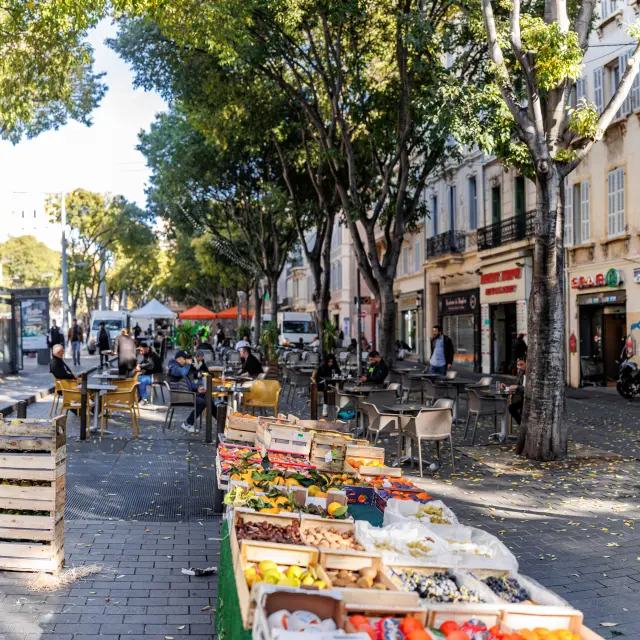
This neighbourhood in Marseille is one of the best known to the city’s residents. Taking its name from the Église des Réformés, it is home to numerous establishments that contribute to the neighbourhood’s vibrancy. On Saturday mornings, the locals flock to the colourful market stalls on the Cours Joseph Thierry. Fruit, vegetables, fish… you’ll find everything you need to prepare fresh, colourful Provençal dishes. As the day goes on, the various bars and entertainment venues take over. Live music bars, rooftop restaurants, theatres, the Artplexe cinema, boutique workshops…these venues are flourishing in the neighbourhood. You can linger here to enjoy a meal, treat yourself to a spot of shopping, do your weekly shop, or simply relax and enjoy a friendly get-together.

Where can you eat in the Réformés neighbourhood?

10 things to do in the Réformés neighbourhood

1/ AdmireGaston Castel’s “home and studio”, built in 1924, from the outside. Originally Art Deco in style, it was later extended in a style combining Cubist modernism and Mediterranean architecture. Its position on the corner gives it the appearance of a ship’s bow facing the city.

2/ Look out for the “Virgins” scattered around the street corners of Marseille. Their role is to protect the city from the return of epidemics. Their installation is linked to the Great Plague of 1720, which caused the population to disperse, and these statues reflect – at least in architectural terms – a revival of religious faith in the first half of the 19th century. A cholera epidemic in 1835 led to a second wave of their installation. They represent an important part of the city’s religious heritage.

3/ Does ‘ Picon-bière ’ ring a bell? At 28 Boulevard National stood a large factory founded by Gaëtan Picon, who, from 1837 onwards whilst he was stationed in Algeria, developed an aperitif made from bitter oranges and cinchona. The drink’s bitterness led consumers to mix it with other beverages, particularly beer. By 1930, Picon was France’s leading aperitif, but the rise of Paul Ricard and his aniseed-flavoured aperitif would herald its decline. Gaëtan’s bust can still be seen on the façade of this beautiful building.

4/ Make the connection between Square Alexandre Labadié and a film that won several César Awards in 2018. Who remembers the title? This square served as the natural setting for the film “Shéhérazade”. A quick recap of the plot: This docudrama tells the story of a romance between two young outcasts on the streets of Marseille.

5/ Discover the oldest Greek Orthodox church in France: the Church of the Dormition of the Mother of God.

6/ Hunt for a beautiful, one-of-a-kind piece at Space Vintage.

7/ Discover the façade of another architectural curiosity dating from 1860:the ‘La Byzantine’ building at 65 Allées Gambetta, which was built at the request of a merchant originally from Odessa and an influential member of Marseille’s Greek community.

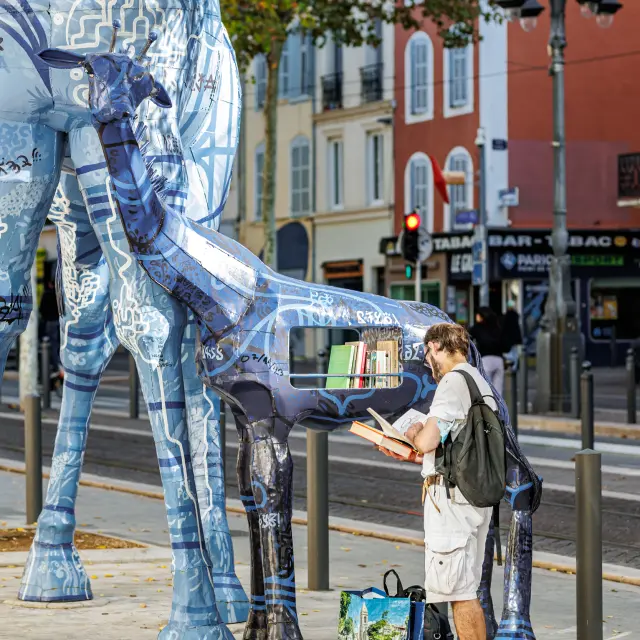
8/ Stand in front of the giraffe-shaped open-access book drop and realise that France’s very first giraffe, Zarafa, arrived in Marseille by ship from Egypt. After a period in quarantine and several adventures, including an uncontrolled escapade into the Roy d’Espagne sand pits where she escaped her keeper, she crossed France on foot, reaching Paris in 1827. She was a royal gift intended for Charles X. She lived in Paris for around twelve years, before being naturalised. Her body was transferred to the Natural History Museum in La Rochelle, where it can still be admired today.

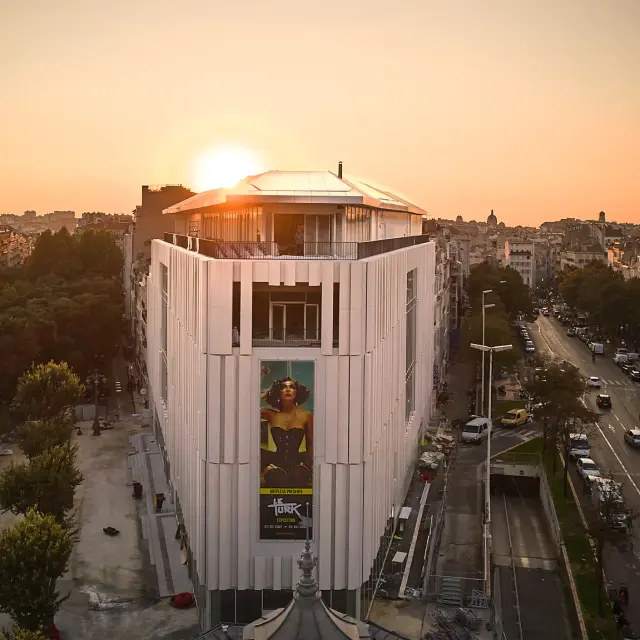
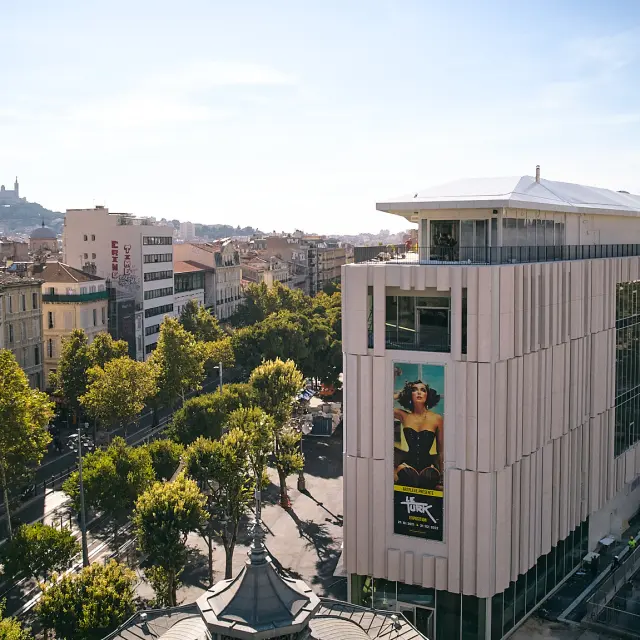
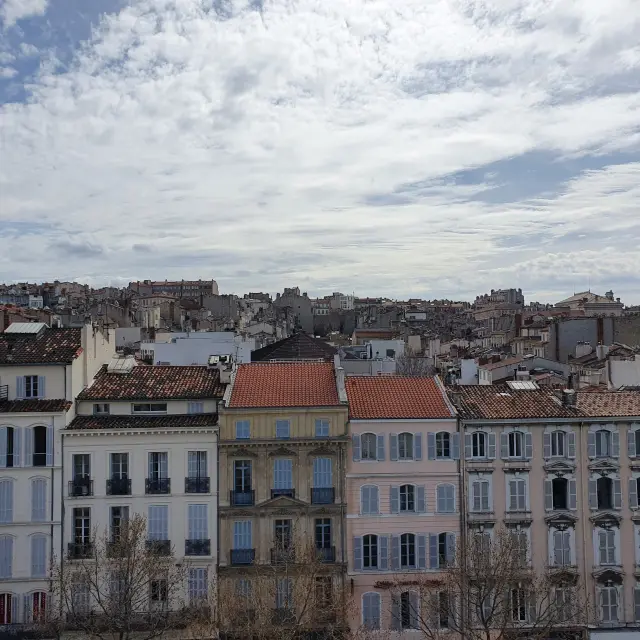
9/ Get a bird’s-eye view and head up to the roof terrace of the Artplexe cinema restaurant, from where you can gaze out over the rooftops of the buildings along the Canebière.

10/ Go and see an operetta or a show atthe Odéon, or a play in the beautiful Italian-style auditorium at the Gymnase.

How do I get to the Réformés neighbourhood?

The Réformés district, ideally situated in the city centre, close to the Old Port, iseasily accessible by public transport. The district has a metro station (M1) providing connections to La Rose (to the north-east) and La Fourragère (to the east). It is also served by the T2 tram line, which runs towards Arenc, the Silo and Blancarde station. Various bus routes complete the transport links in the Réformés district. Four bus routes connect the area to Saint-Jérôme and Le Merlan to the north, and to the Vauban neighbourhood and the upper part of the Périer neighbourhood to the west.