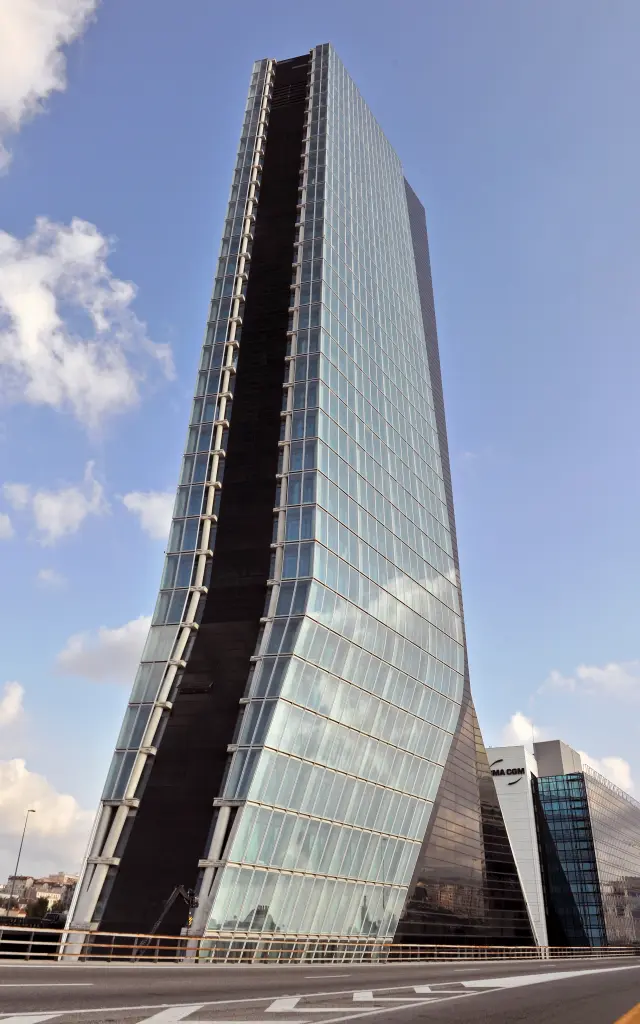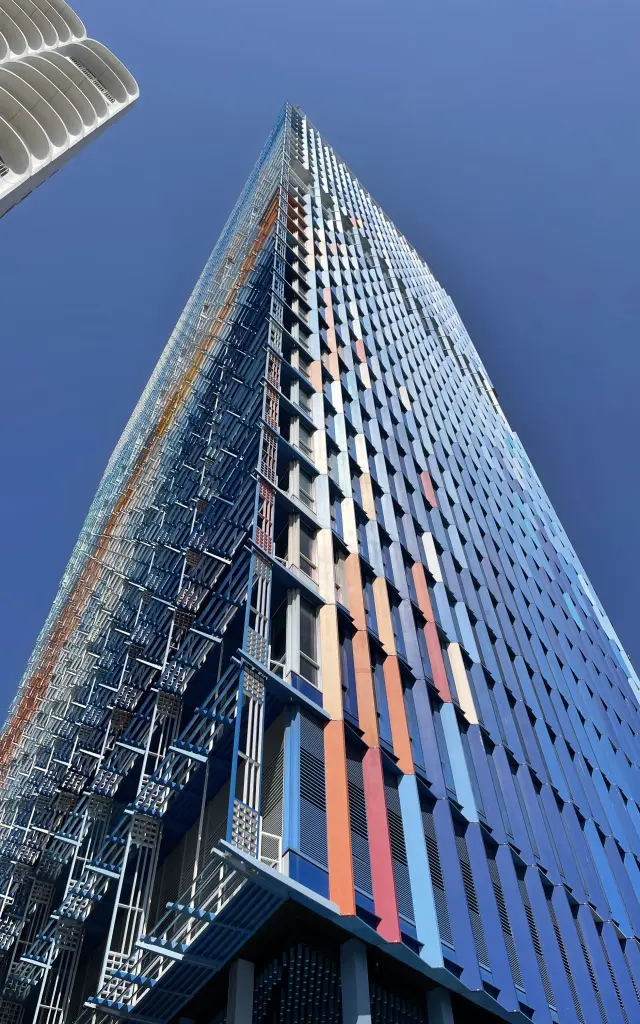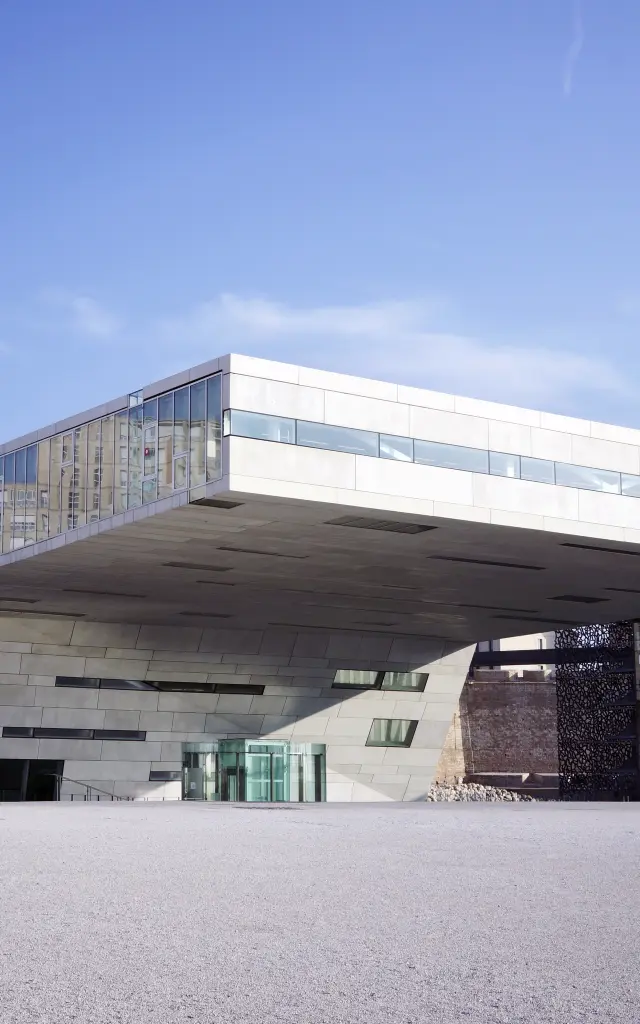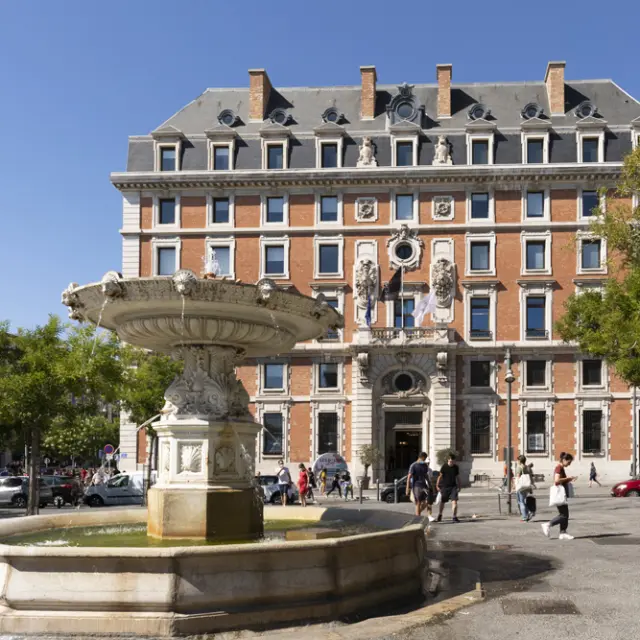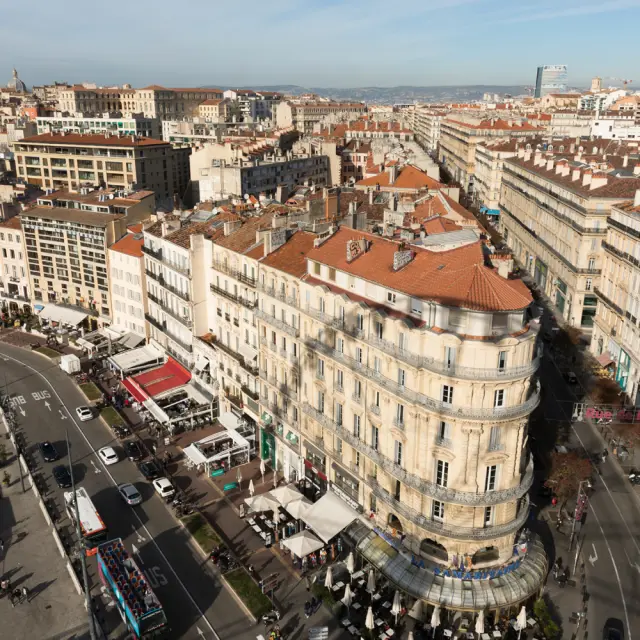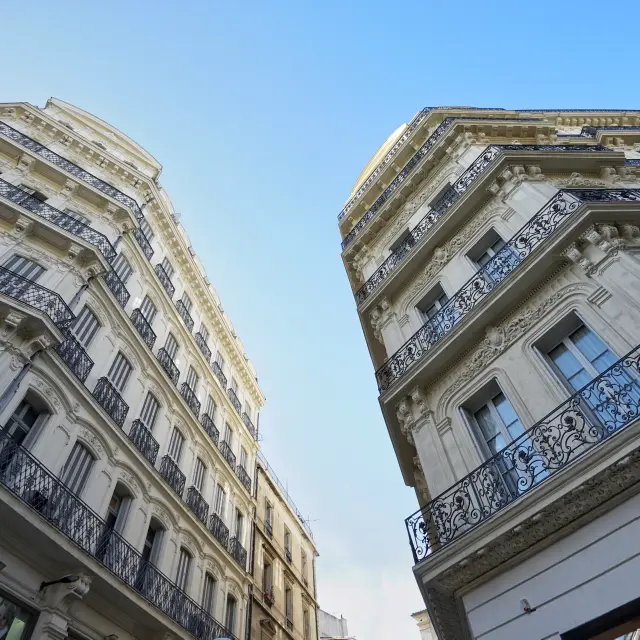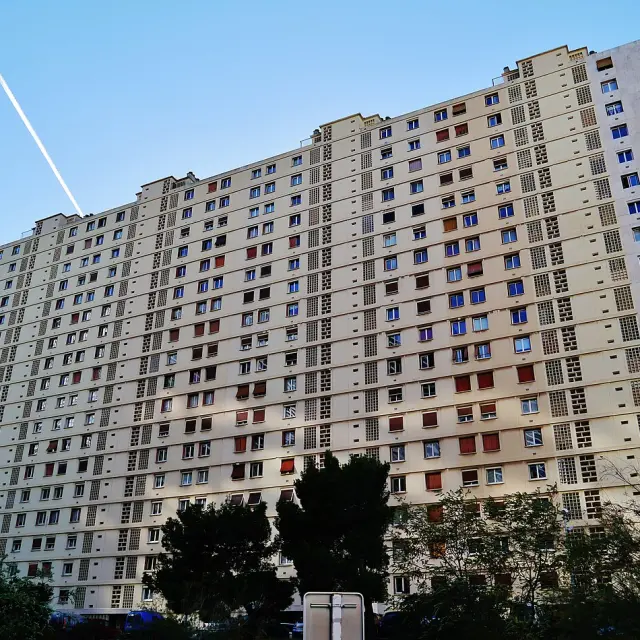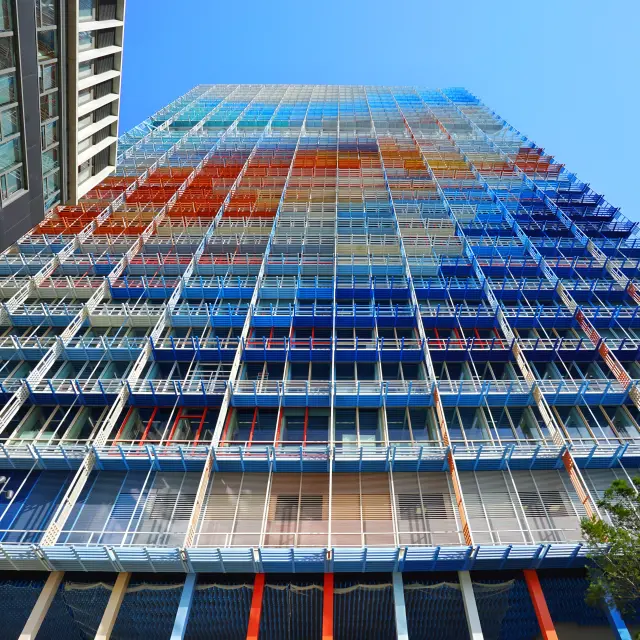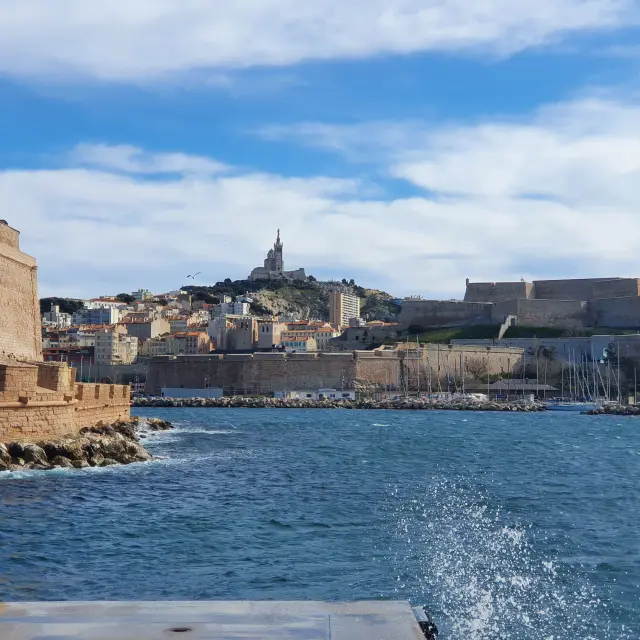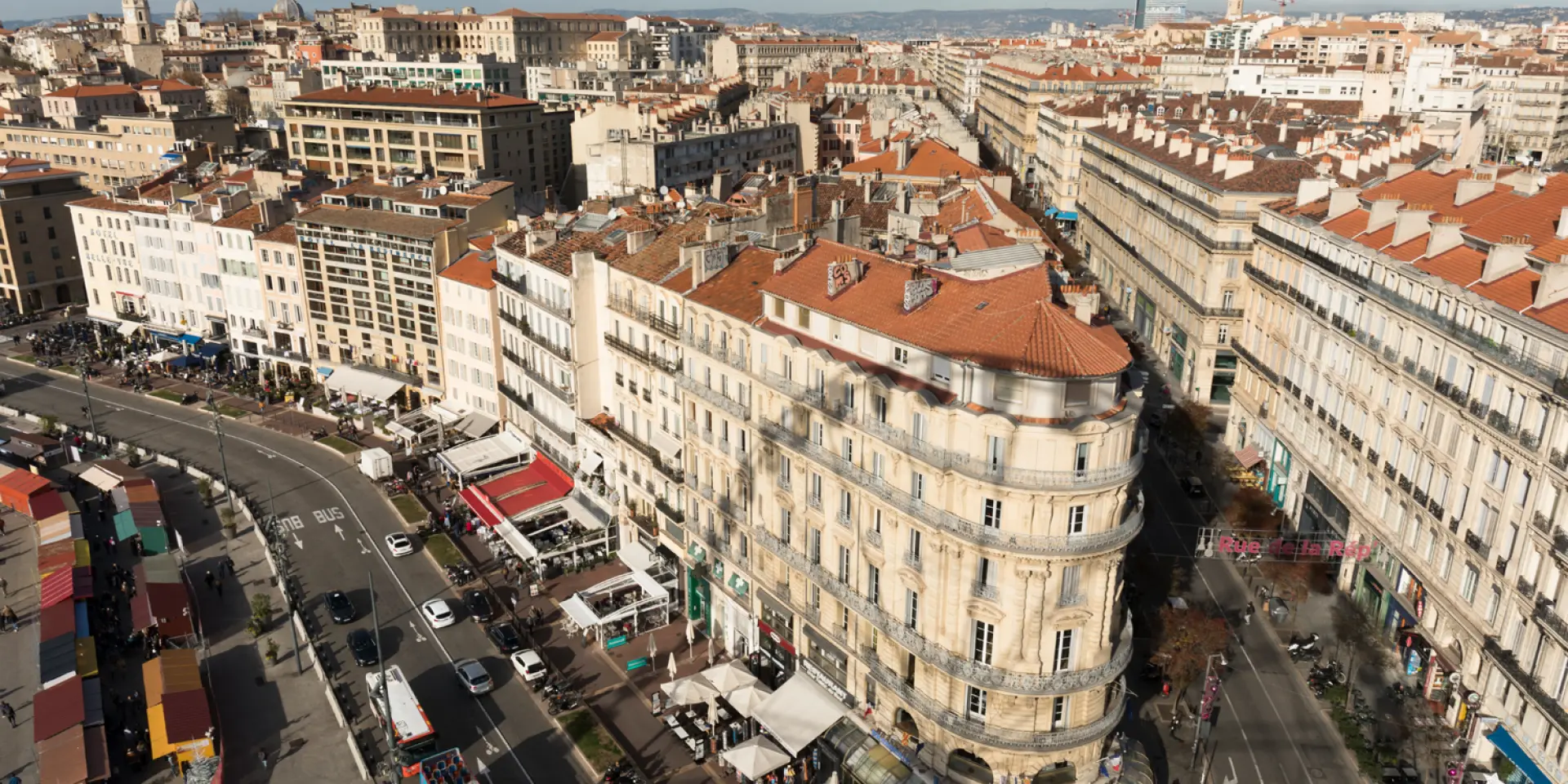
Architecture that reflects a city in constant reconstruction
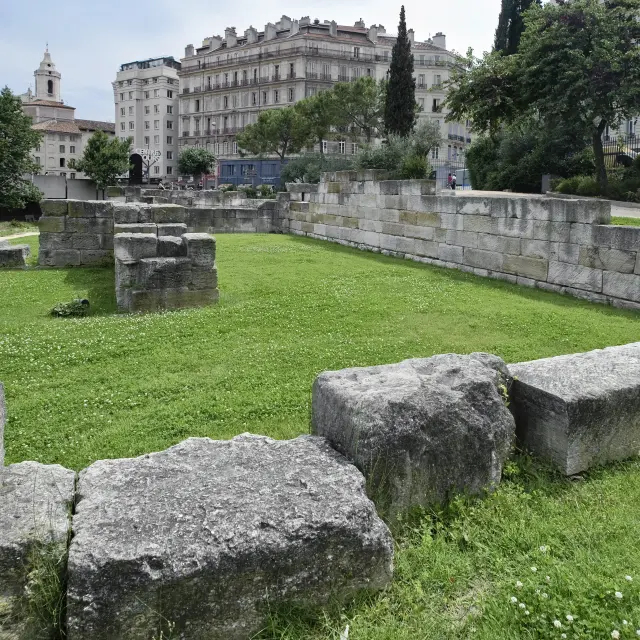
Marseille is a city in constant evolution, rebuilding on itself for more than 2,600 years. Like a mille-feuille, the new city is built on the remains of past eras, and each new construction can give rise to fascinating archaeological discoveries. The most precious remains of ancient Greek Massalia, for example, were unearthed during the construction of a shopping centre, and are now being showcased in the Jardin des Vestiges.
Fortunately, many buildings have survived the centuries to become an integral part of Marseille’s architecture.
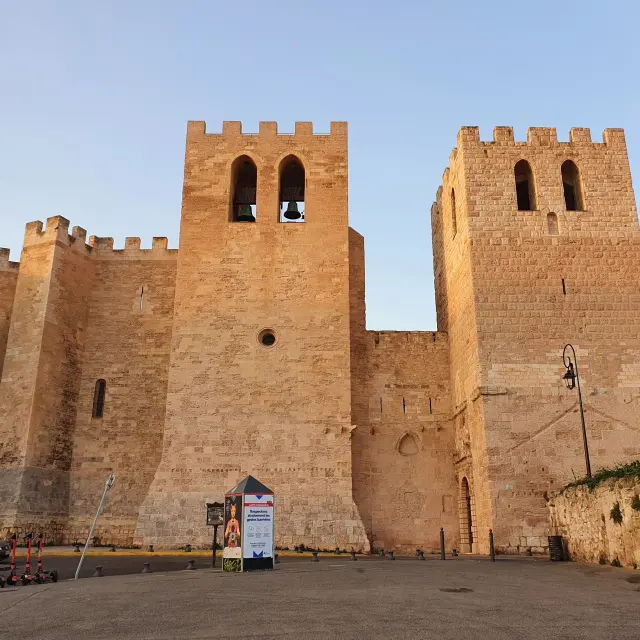
Saint-Victor Abbey, founded in the 5th century, is one of the oldest witnesses to the Middle Ages in Marseille. Built on a former quarry and early Christian necropolis, it is a unique example of fortified monastic architecture, with its thick stone walls and crenellated towers. A veritable spiritual bastion, it is a reminder of the place Christianity has played in the history of Marseille, and continues to welcome the faithful during Candlemas celebrations.
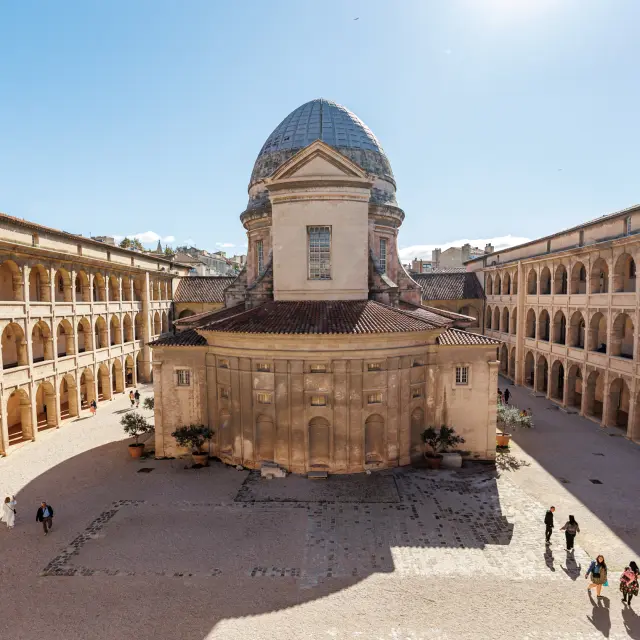
The Baroque period also left its mark on the city. La Vieille Charité, a former hospice built in the 17th century by Pierre Puget, now houses a cultural centre with exhibitions and museums. Located in the historic Panier district, this pink stone and limestone building is arranged around a vast rectangular courtyard lined with arcades, with a domed chapel at its centre.
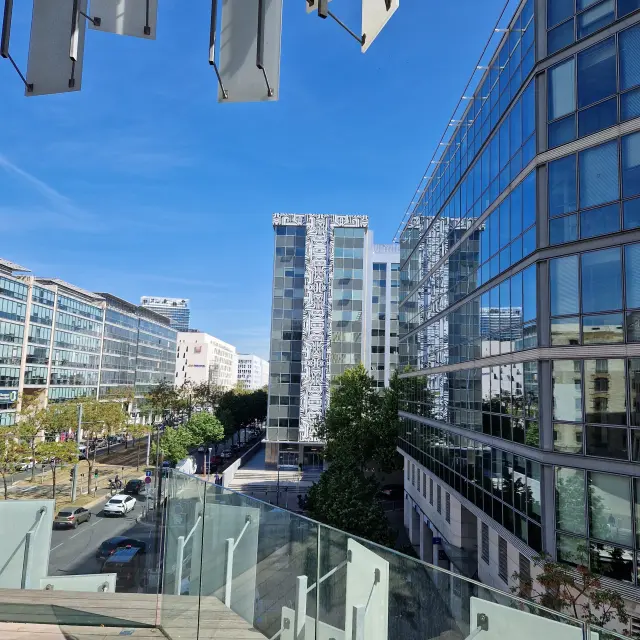
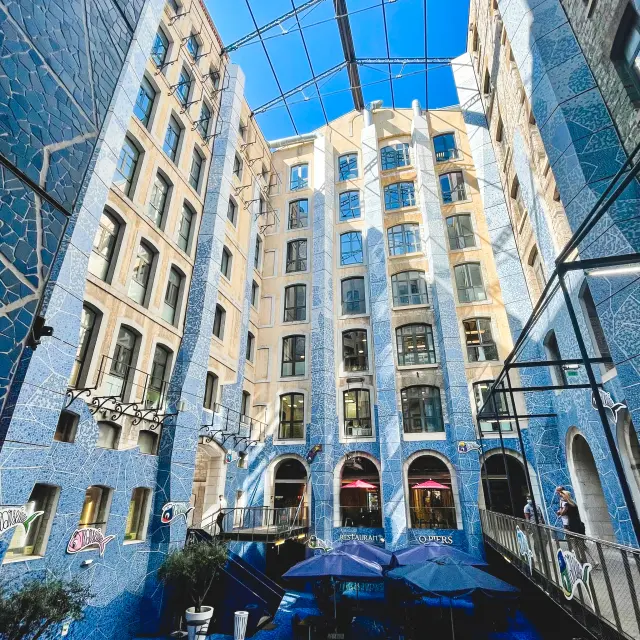
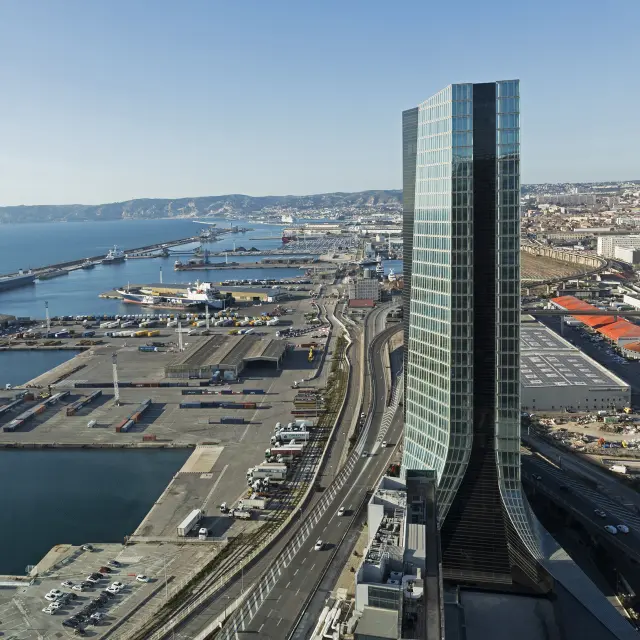
Marseille is constantly reinventing itself, launching new urban and architectural projects to support its development. The redevelopment of the seafront with the Euroméditerranée project is a prime example of the city’s desire to modernise while at the same time making the most of its past, notably with the renovation of the Docks de la Joliette.