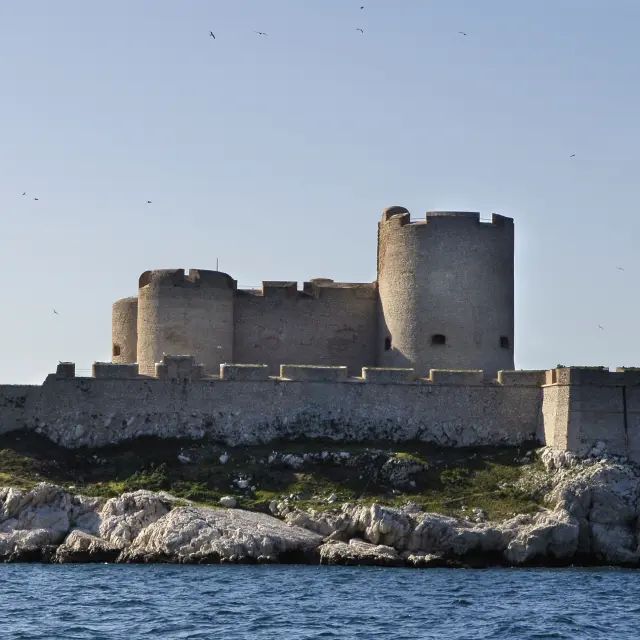
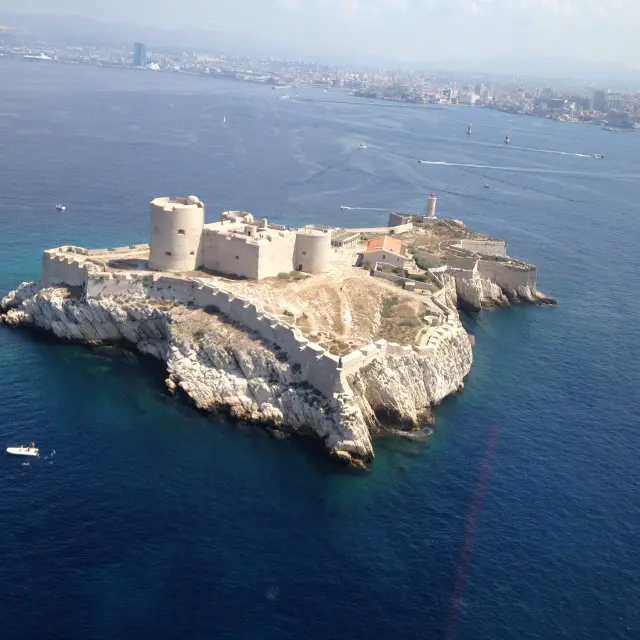
The islands of Frioul and 'Château d'If' jewels of the Mediterranean sea

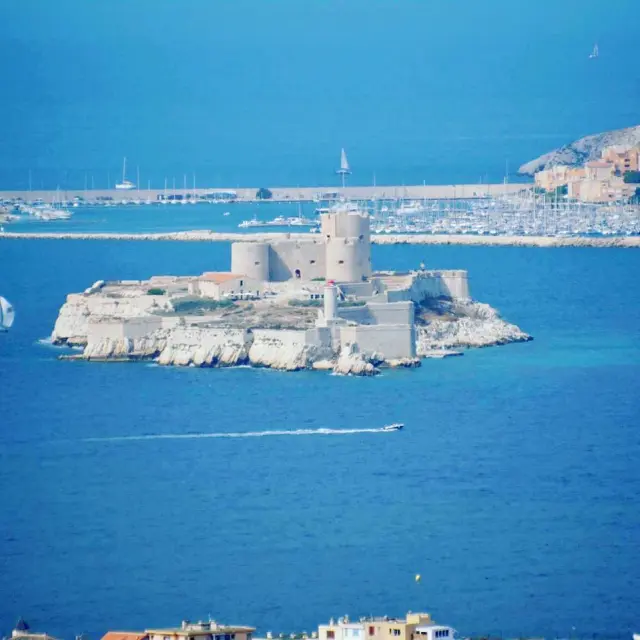
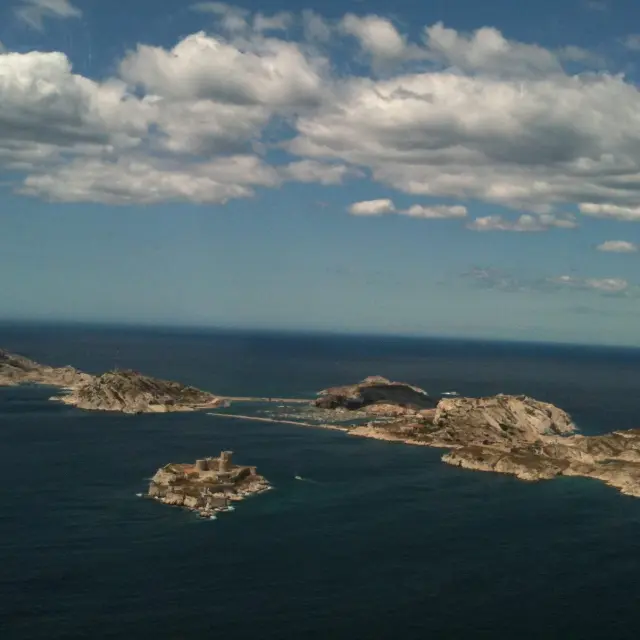
The islands of Frioul and ‘Château d’If’ (If Castle)

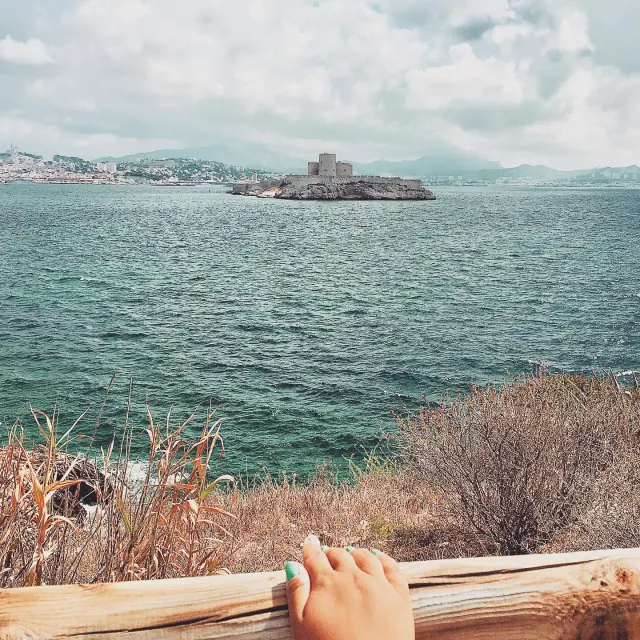
Why not take a boat trip to the Frioul Islands or Château d’If? It’s a chance to discover the local flora and fauna, as well as a slice of the city’s history, perched on a rock.
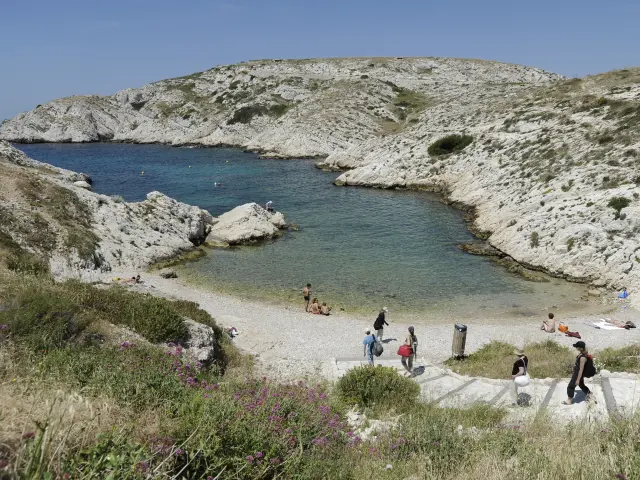
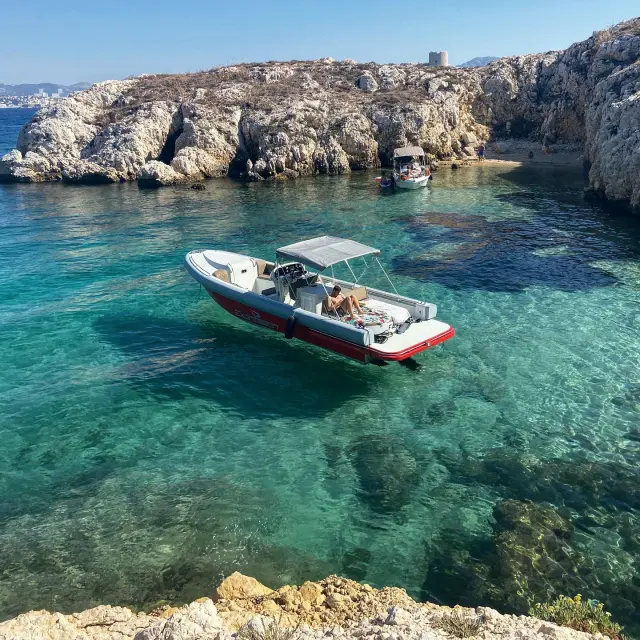
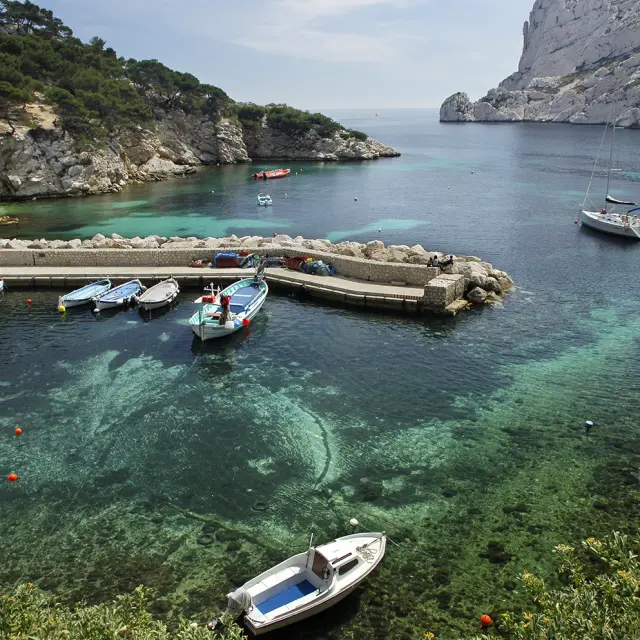
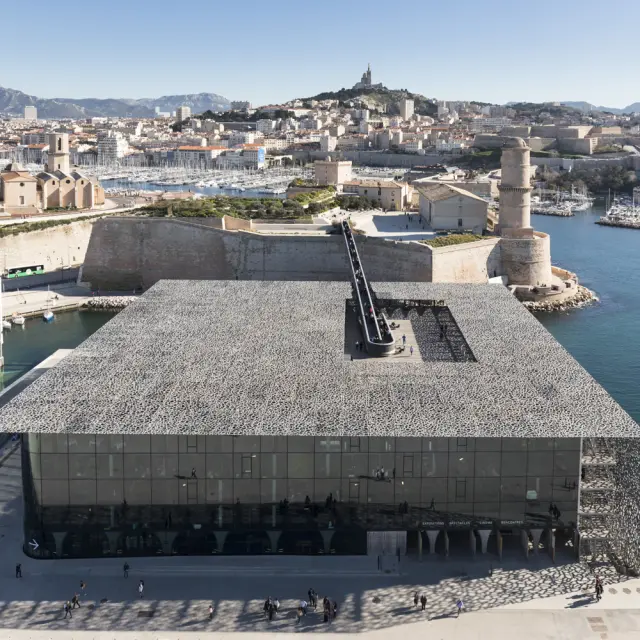
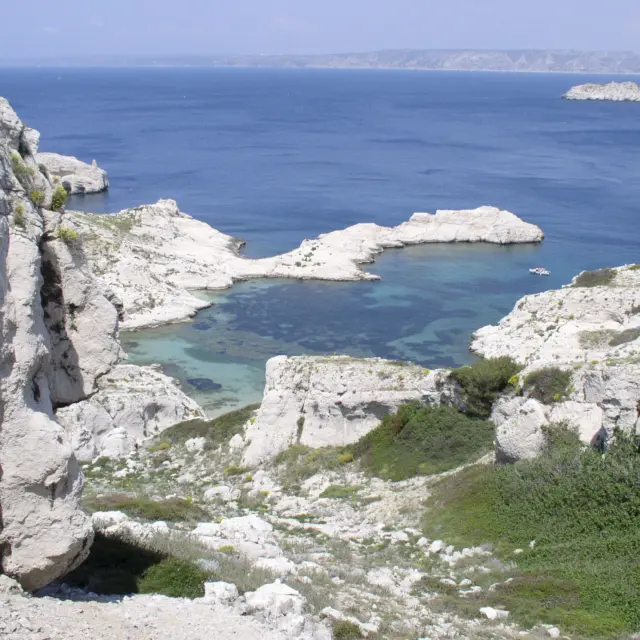
For a tour of Marseille that goes beyond the Old Port or the Mucem, set sail for a true escape that will let you enjoy the crystal-clear water, admire the seabed, and explore the many ruins scattered across this archipelago. Located within the Calanques National Park, they are now designated as a Natura 2000 site by the European Union. The landscapes are a major attraction of the Frioul archipelago. There are small sandy beaches and numerous magnificent coves.

The Frioul Islands

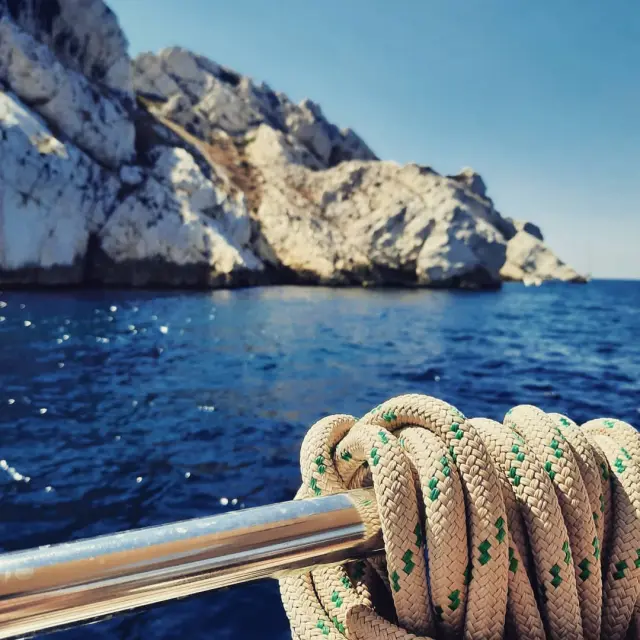
Lying opposite Marseille, the Frioul archipelago comprises four islands: Pomègues, Ratonneau, Tiboulen and If. The arid climate surrounding the archipelago gives rise to rare and even endemic flora. Seabirds are also found on the islands, such as the yellow-legged gull, known as the ‘gabian’ to the locals.

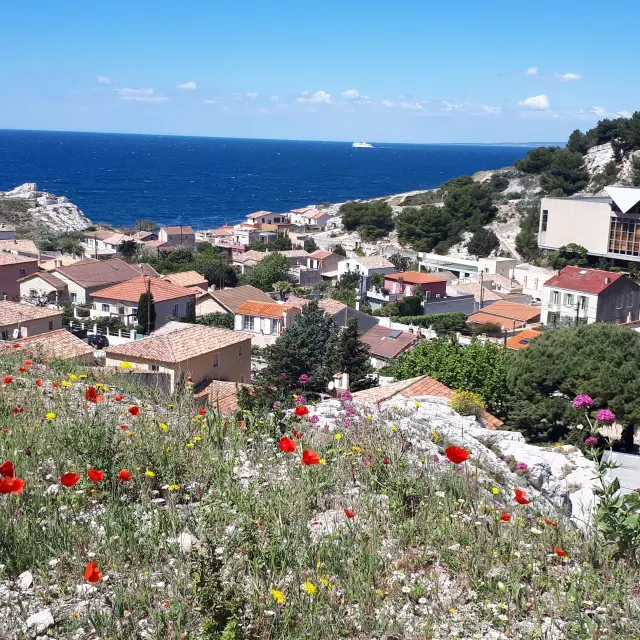
These islands have been owned by the city of Marseille since 1971. The village of Port-Frioul has developed there, along with a marina with 700 moorings. A number of businesses have also opened, including restaurants and shops. The fish farm on Pomègues Island breeds sea bass and gilthead seabream.

The Château d’If

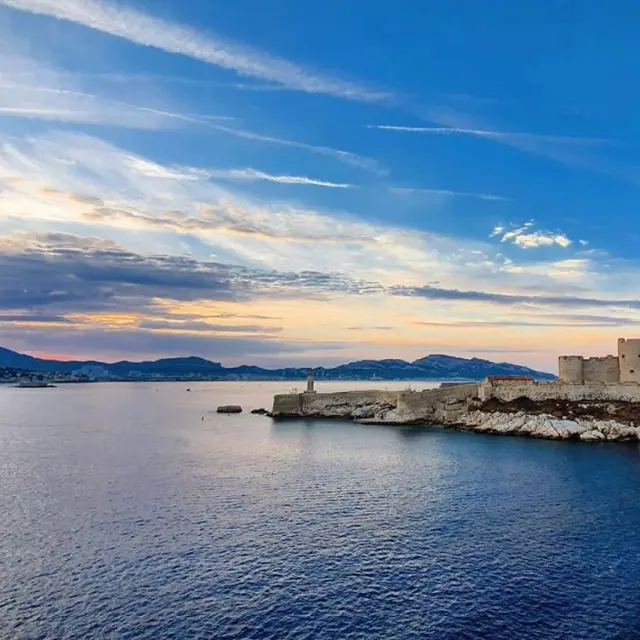
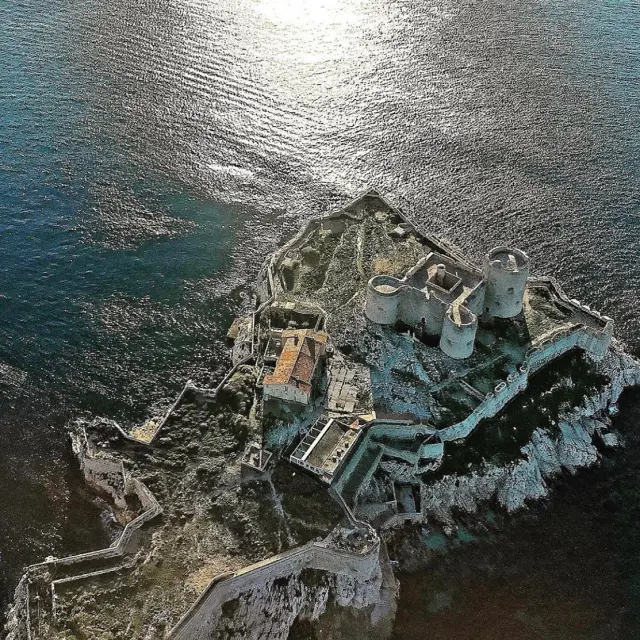
It was in 1516 that King Francis I had the idea of building a fortress on the Île d’If during a visit to Marseille. The building very quickly became a prison due to its isolation, making it more difficult for prisoners to escape. Among the inmates was the famous prisoner José Custodio Faria, made famous by Alexandre Dumas, author of The Count of Monte Cristo. The site is full of ‘little stories’. Among other things, you can see the legendary hole dug in the wall by Edmond Dantès during his escape. The fortress eventually housed the insurgents of 1848 and the Communards of 1871. It ceased to be used as a prison before being opened to the general public in 1890.
Did you know?

Since 1999, there has been a race known as the Monte-Cristo Challenge, which takes place every June and attracts around 800 swimmers, who set themselves the challenge of swimming to the Château d’If as quickly as possible!

What is there to do on the Frioul Islands?

Pomègues

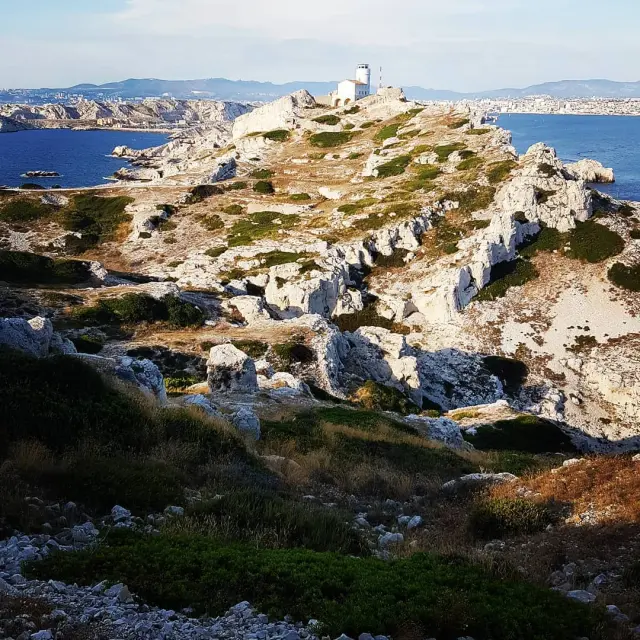
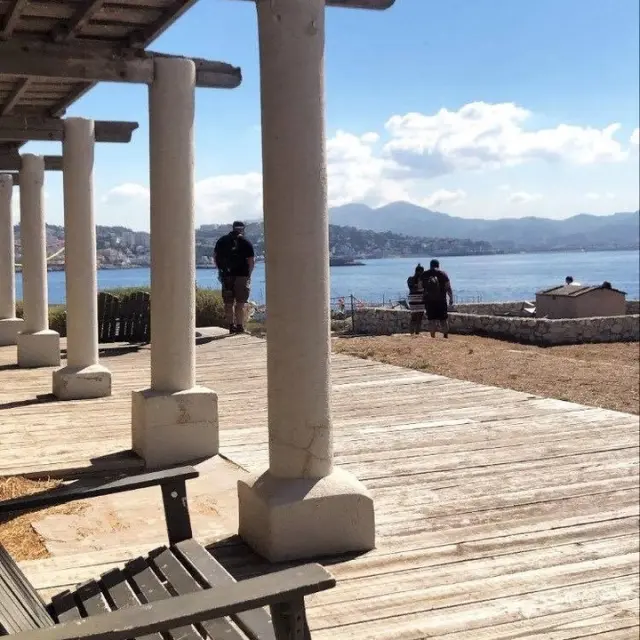
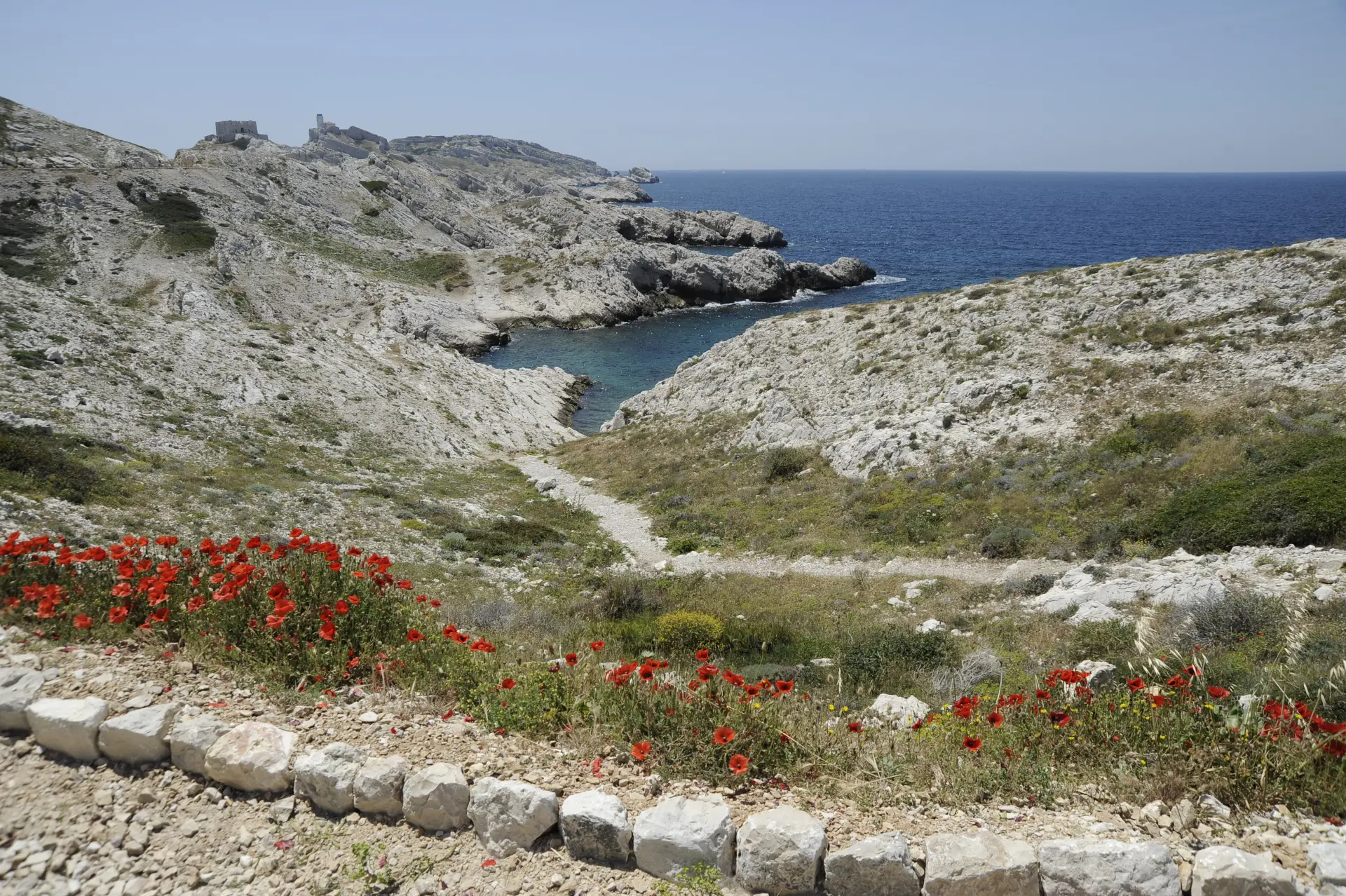
Stretching 2.5 km in length, this island has a rugged coastline offering spectacular views: here, the sea spray and wind have sculpted the rock, whilst the vegetation, through great effort, has carved out shapes that are sometimes extraordinary (morphosis). The very easy walking trail, which starts at the end of the Berry breakwater and ends at the Cavaux battery, is dotted with information boards about the geology, vegetation and wildlife. It’s about 45 minutes of pure bliss, where you feel as though you’re at the end of the world, amidst wild landscapes, far from civilisation.
The natural shelter housing the fish farm served as a quarantine port in the 17th century.
The fort and the semaphore, now decommissioned, along with the remains of an old battery, bear witness to a turbulent military past.
The period from April to June is undoubtedly one of the best times to explore the area: the sun is warm but not too hot, and the blossoming flowers colour the rocks pink, yellow or mauve…But this is also the seagulls’ nesting and post-nesting season: it’s best not to stray from the path, as these large birds may startle walkers in order to protect their young.
Adventurous swimmers are willing to walk a little to reach secluded coves and swim in the cool water.

Ratonneau

Ratonneau Island is less wild, but just as interesting, and more suitable for walking and swimming with children. Stretching 2.7 km in length, you can explore it on foot, by bike or on a little train in the summer. Around a hundred residents live there year-round, sometimes braving the weather to travel to central Marseille on the ferry. These residents, who cherish their way of life, nevertheless welcome visitors warmly by organising events such as fun runs, art fairs and so on. Small shops, bars and restaurants bring the village to life in the high season, and the presence of boaters, who come to rig their boats or have lunch on board, adds to the buzz.

In summer, the ferry services increase their frequency and also run late into the evening.

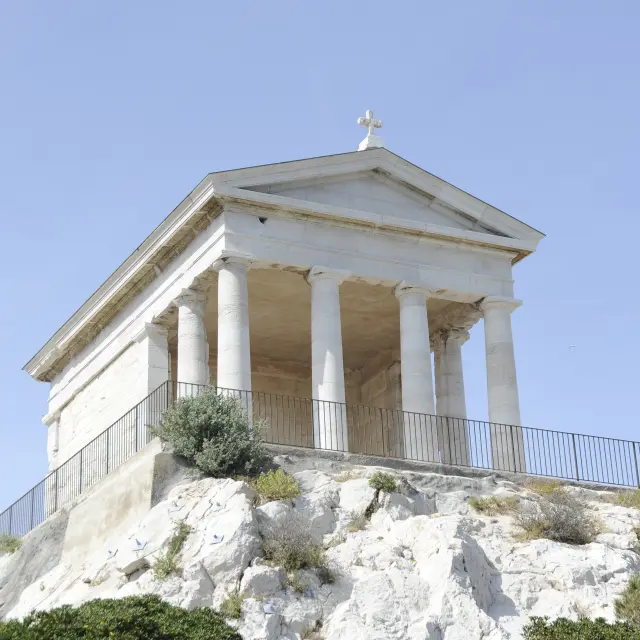
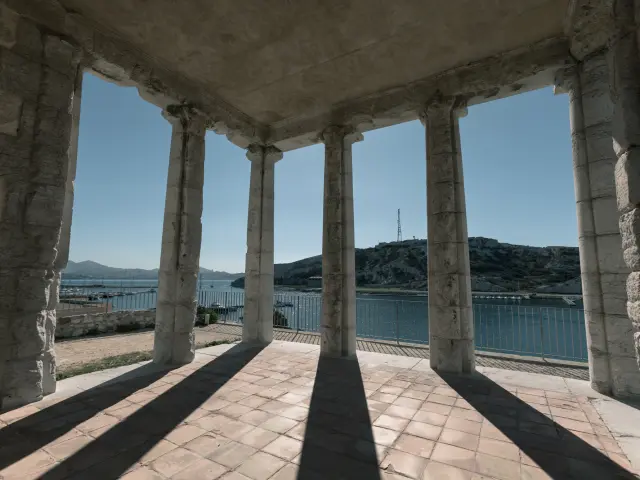
A small chapel resembling an ancient temple overlooks the harbour and the houses: it was built so that sailors whose boats were in quarantine could attend religious services.

The Léo Lagrange holiday centre is the only accommodation facility in the archipelago. It welcomes groups, school trips, sports camps and family gatherings. It is open from March to November.

The path leading to Saint-Estève beach and the Caroline Hospital then passes in front of the Maison des Pilotes. This building, shaped like a ship’s prow, is the residence of the pilots of the Grand Port Maritime de Marseille (GPMM): seasoned sailors, they are responsible for piloting ships in place of their captains right up to the quay. The Maison des Pilotes served as the setting for Robert Guédiguian’s film “Marie-Jo and Her Two Loves”.

Saint Estève beach is about a half-hour’s walk from the landing stage. It is the only real beach on Frioul: its turquoise waters feature an underwater trail for exploring the flora and fauna, with five buoys guiding you through the calanque. In summer, this beach is lifeguarded and has showers, toilets and a refreshment bar. You can also get there by mini-train.

Tiboulen de Ratonneau

Diving enthusiasts are familiar with this islet at the western tip of Ratonneau. The underwater terrain, the currents and the fact that the archipelago is sheltered from the east wind foster a wide variety of flora and fauna. Nearby, a little deeper down, the wreck of a German bomber aircraft from the Second World War also attracts experienced divers.

The Frioul Railway

Every day in July and August, you can hop aboard the Frioul mini-train. It departs from the exit of the ferry terminal. The journey takes you to Sainte-Estève beach, whilst you listen to an audio commentary recounting the history of the monuments on Île Ratonneau, notably the Hôpital Caroline.

Departure: opposite the pier, depending on the ferry timetable.
Duration: approx. 30 mins

Adult fare: €5
Child fare: €3

Caroline Hospital: the remains of a quarantine hospital

Discover a unique site on the Frioul archipelago: a 19th-century quarantine station.
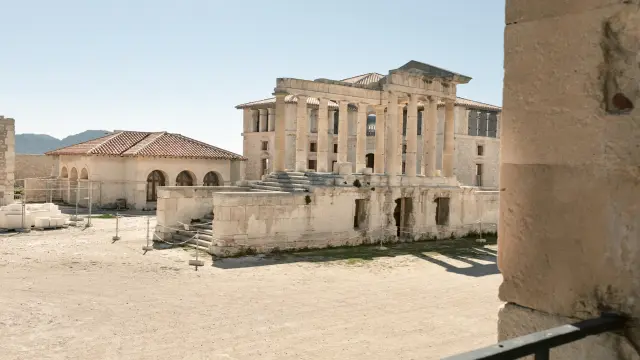
The archipelago has always been a stopping point for Mediterranean sailors. Whether warriors or adventurers, their medical knowledge played a major role in protecting the city of Marseille. This is why, in the early 19th century, the architect Michel-Robert Penchaud built Hôpital Caroline on the island of Ratonneau, with the aim of treating patients suffering from yellow fever. Partially destroyed during the liberation of Marseille, then left derelict until 1971, it was subsequently purchased by the local council.

Hôpital Caroline is closed to the public and cannot be visited.

Eating out in Friuli

You have two options: bring a packed lunch or sit down for a meal at one of the restaurants along the quay at Ratonneau Island harbour.

Practical information

How do you get to the islands of Château d’If and Frioul?
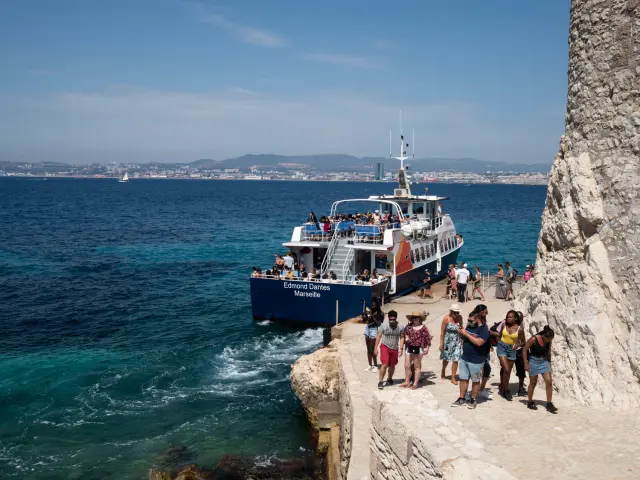
Ferry services run seven days a week to the Frioul archipelago.
Please note: Château d’If is closed on Mondays.
Departures are from the Old Port. Departures to Château d’If are regular but also depend on the weather.

Please note:
Waste sorting is essential.It’s a quick and easy step. Please follow the instructions.
Find out more

Subscribe to our newsletter

Stay connected and find out all the latest news from Marseille