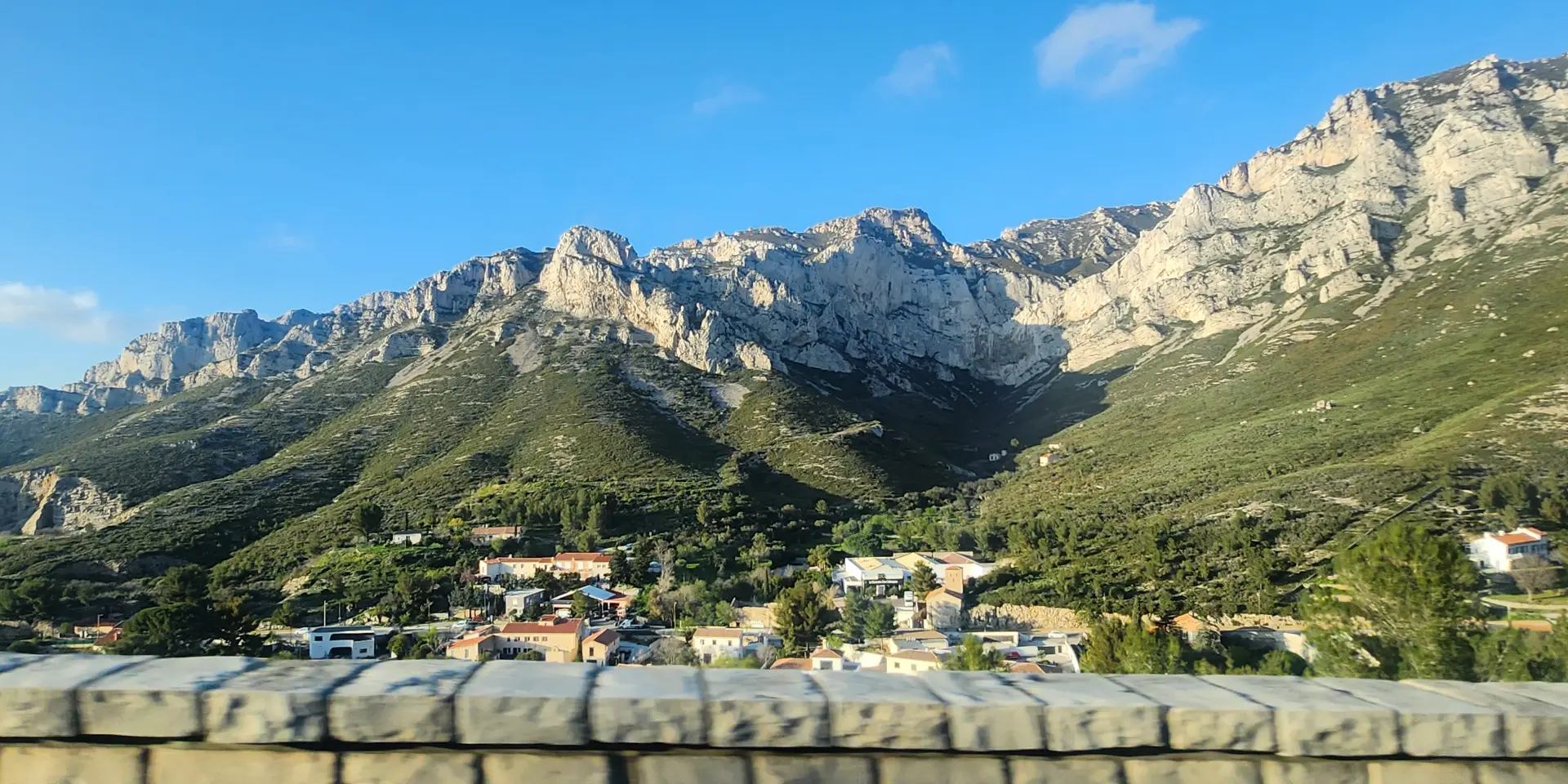
The history of the Vaufrèges district
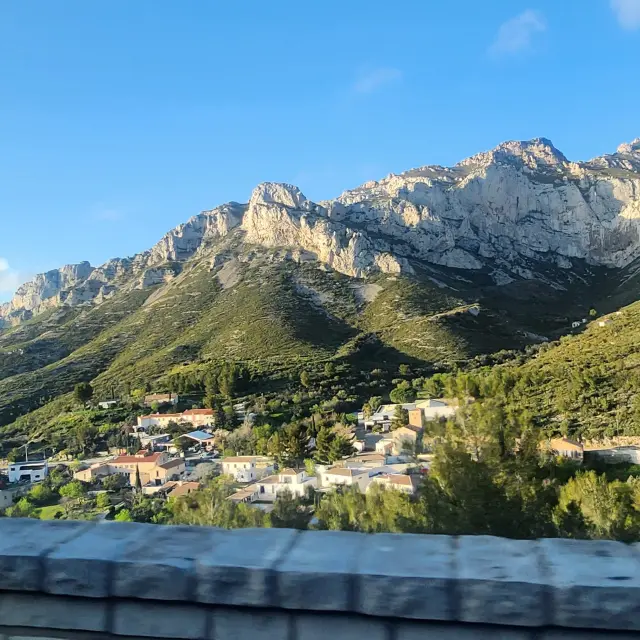
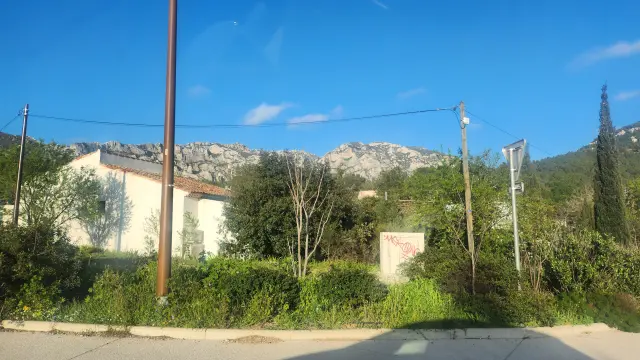
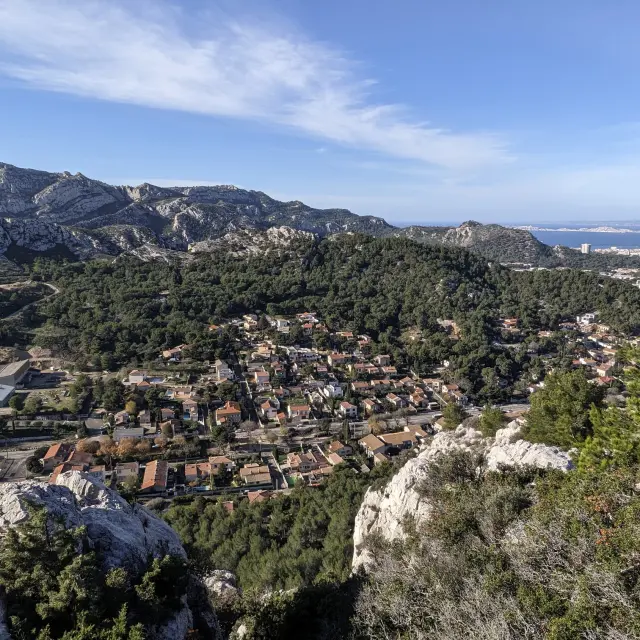
The name “Vaufrèges” comes from the Provençal “vau” meaning “valley” and “Frégis” meaning “cold”, and refers to the cooler temperatures here than in the heart of Marseille. This district has been preserved from urbanisation thanks to its complex geography and topography: the steep hills and outlying nature of Vaufrèges do not lend themselves to the construction of vast residential complexes.
A lime and cement production site contributed to the development of the district in the late 19th and 20th centuries. Limestone, the main ingredient in this industry, is abundant in the massif.
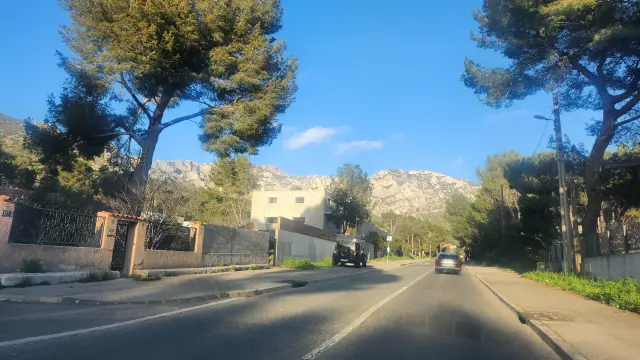
The chemin vicinal de la Gineste was transformed into a carriage road linking Marseille to Cassis in the first half of the 20th century, and became part of the route nationale 559 in 1933 (now the route départementale D559).
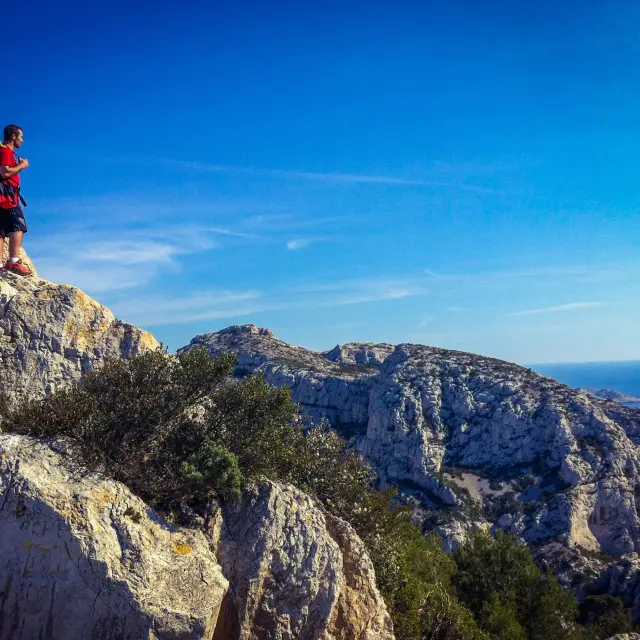
The Vaufrèges district has escaped excessive urbanisation, and the few dwellings are concentrated to the north-west, at the start of the Route de la Gineste. A stopover on the Calanques trail and the road to Cassis, Vaufrèges is making the most of its natural heritage to find its place in the 21st century.