The History of the Stadium
The history of the CEPAC Velodrome began in 1937. As its name suggests, it was originally designed as a velodrome before gradually hosting other sporting disciplines: Tour de France finishes, track cycling world championships, athletics, gymnastics, boxing and even rugby competitions. Families from Marseille would regularly gather there, forging a strong bond between the venue and the local community.
In the run-up to the 1984 European Football Championship, the Stade Vélodrome underwent its first major transformation. The cycling track was gradually phased out before being removed altogether to make way for new stands.
In July 1992, FIFA awarded France the right to host the 1998 FIFA World Cup. With Marseille selected as one of the host cities, it was decided to expand the Stade Vélodrome. An architectural competition was launched in May 1994 and Jean-Pierre Buffi’s design was selected. On 4 September 1997, the stadium hosted the draw for the World Cup finals, before being fully completed on 25 February 1998 with the opening of the North Stand (Ray Grassi stands).
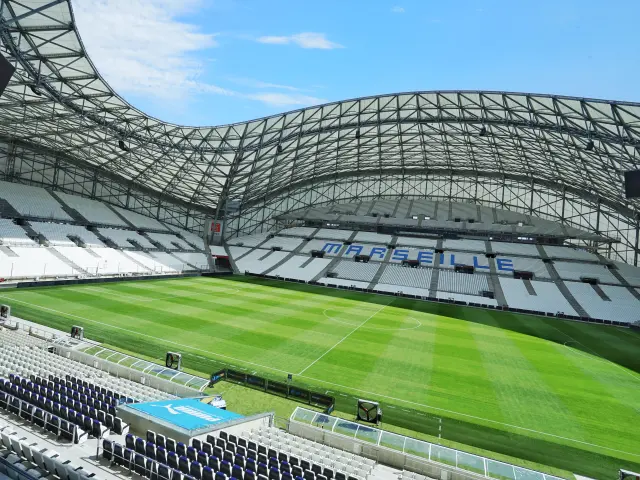
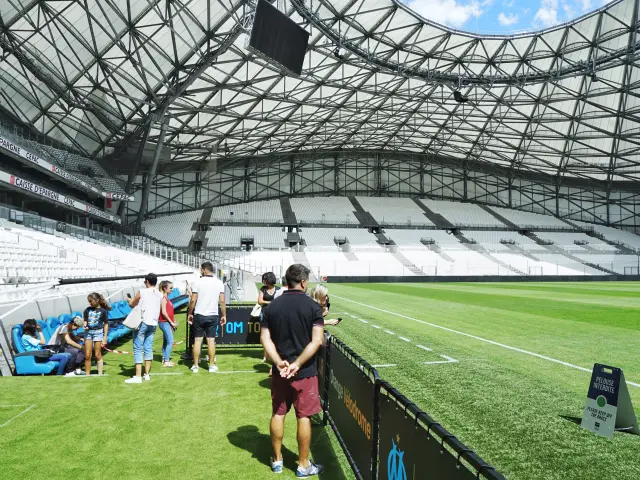
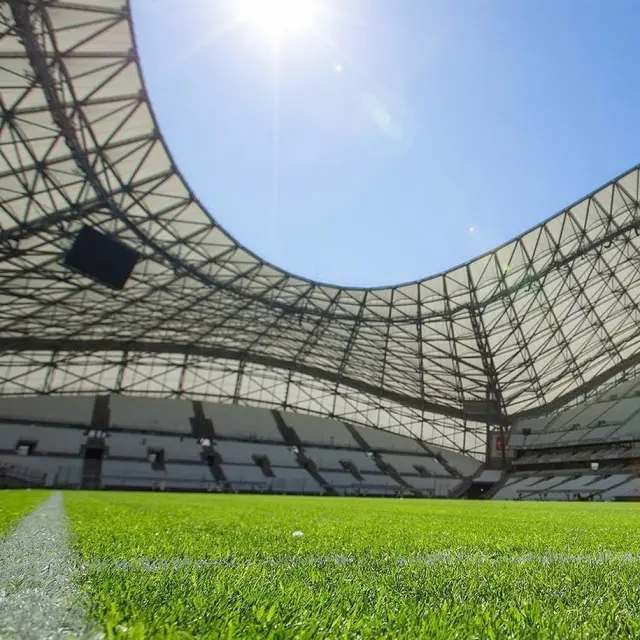
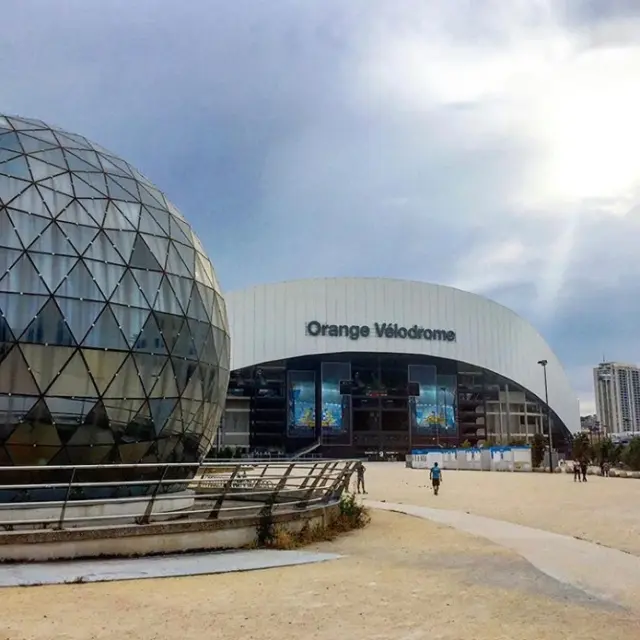
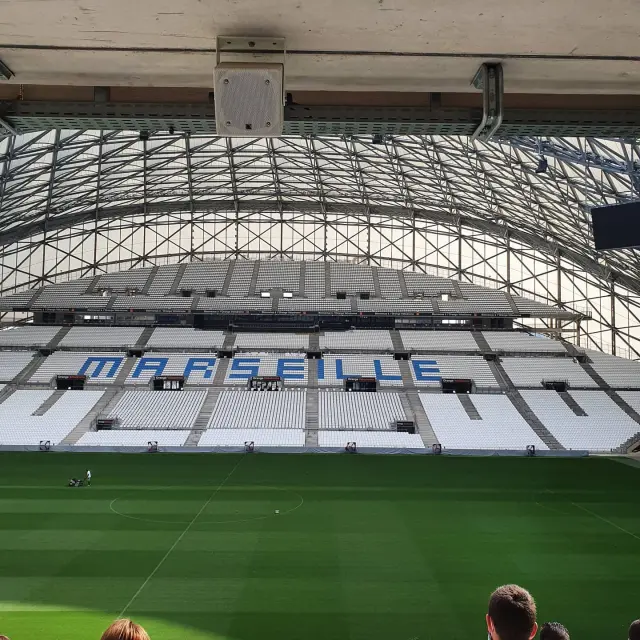
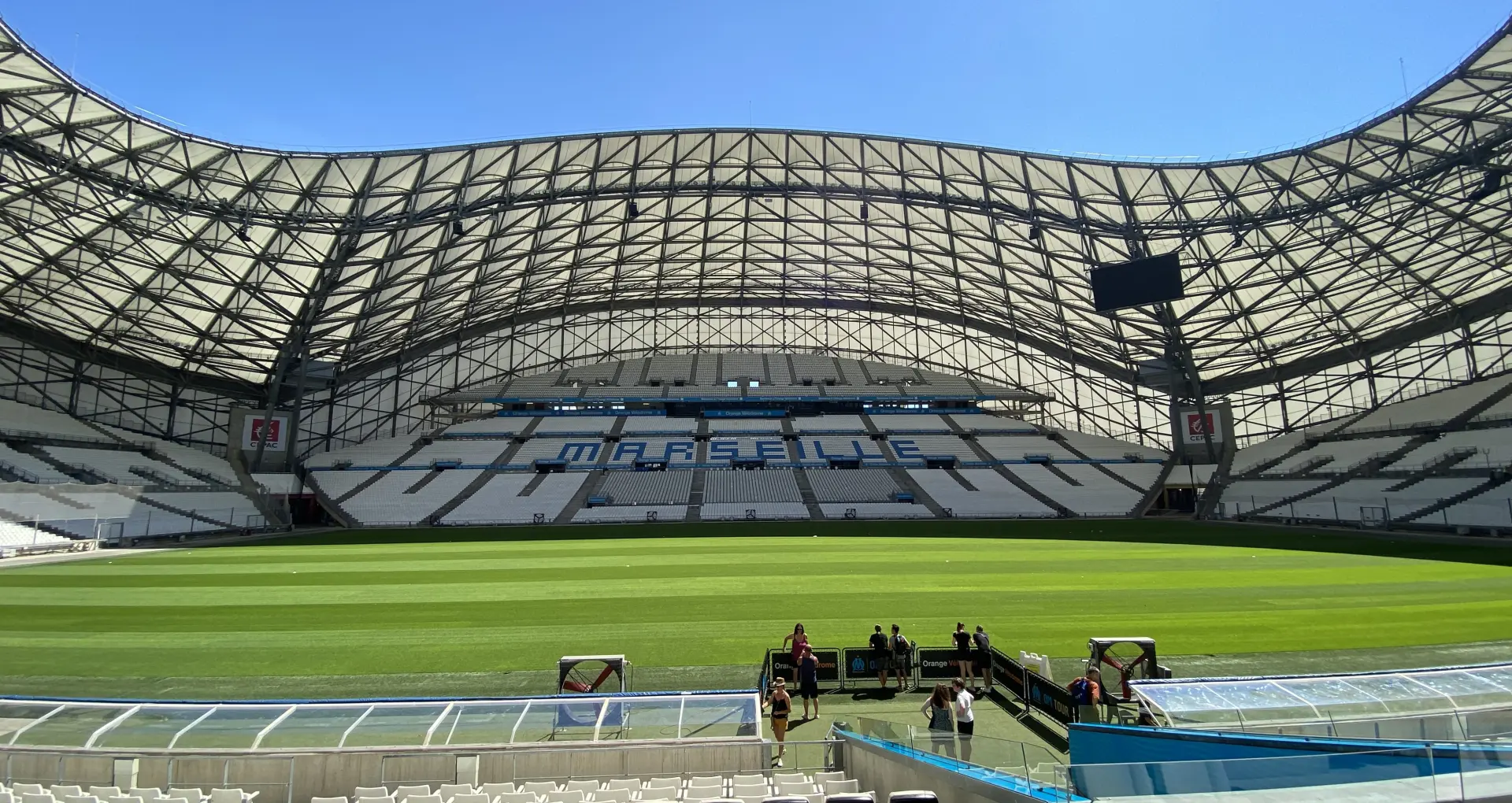
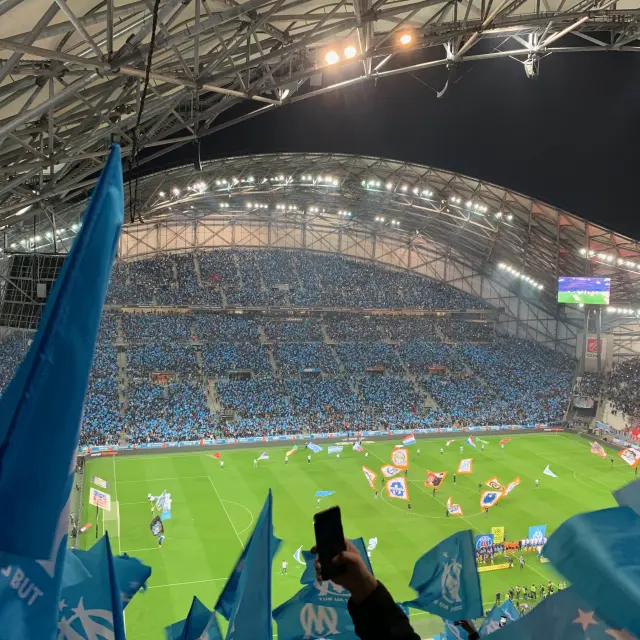
A further transformation took place between 2011 and 2014 in the run-up to UEFA Euro 2016. The stadium was fully modernised with the construction of its iconic roof, the refurbishment of the four stands, the development of a new forecourt and the creation of new hospitality areas. Its capacity was then increased to 67,000 seats.
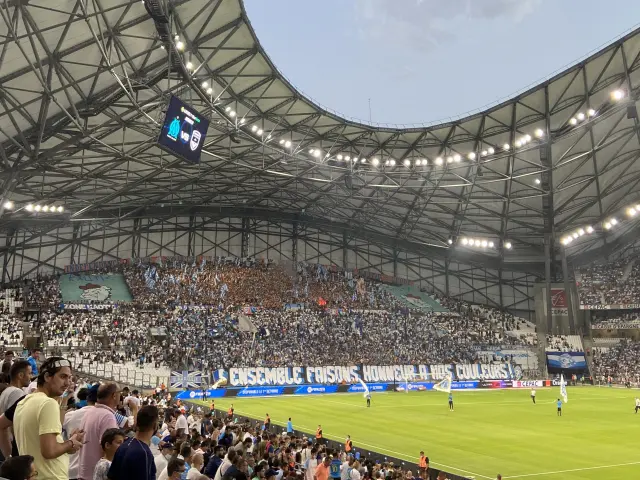
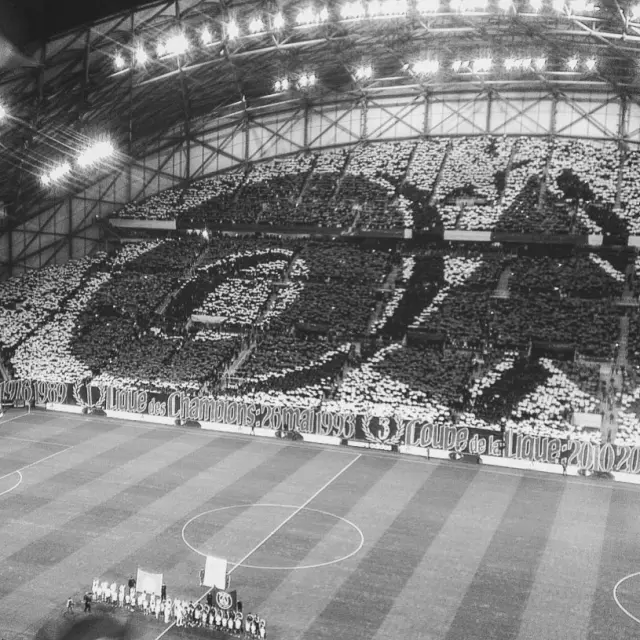
Over the years, the stadium has hosted major international events, including the European Nations’ Championship in 1984, the FIFA World Cup in 1998, the Rugby World Cup in 2007 and UEFA Euro 2016. It has also hosted major concerts by international artists such as AC/DC, Paul McCartney, the Rolling Stones, Muse and Beyoncé. Today, the CEPAC Vélodrome is a modern, covered stadium that meets the latest standards for accessibility and energy efficiency.