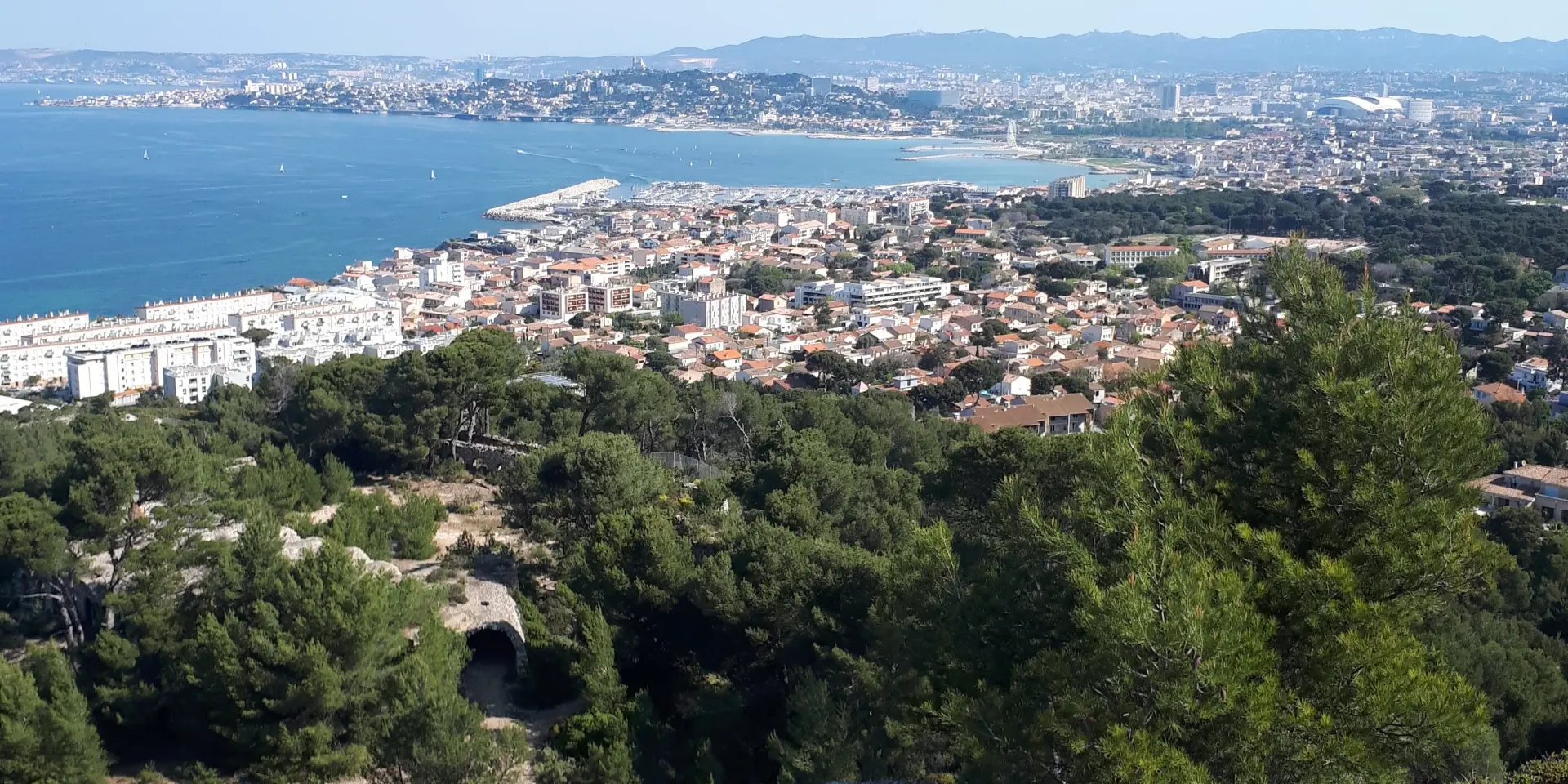
A lively village centre
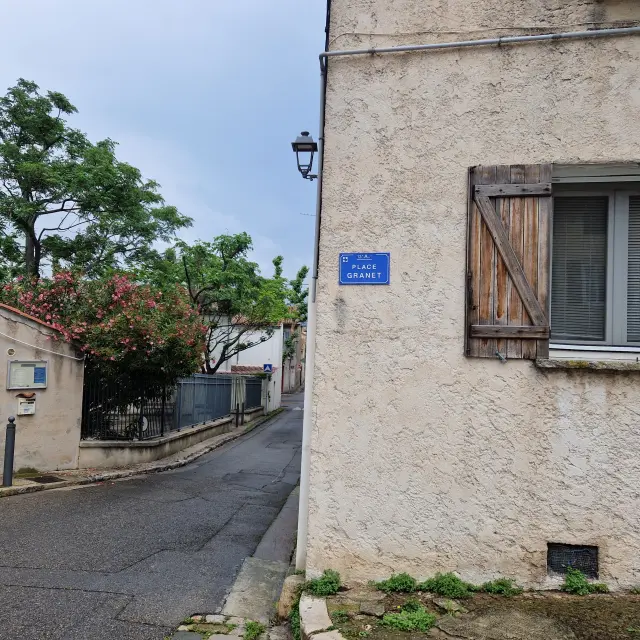
The first mention of Mazargues dates back to the end of the 11th century. At that time, there was still no village in this remote part of the town. A hamlet gradually developed, offering its inhabitants an exceptional quality of life. At least, that’s what Madame de Grignan said in some of her letters. Madame de Sévigné’s daughter was full of praise for Mazargues, where she owned a country house. In a letter to Madame de Coulanges in 1703, she said that there were “only people who die at a hundred” and that there was “no knowledge of illness”. She even went so far as to say that “if there is one people who come close to the idea of the happy people portrayed in Télémaque, it is the people of Mazargues”.
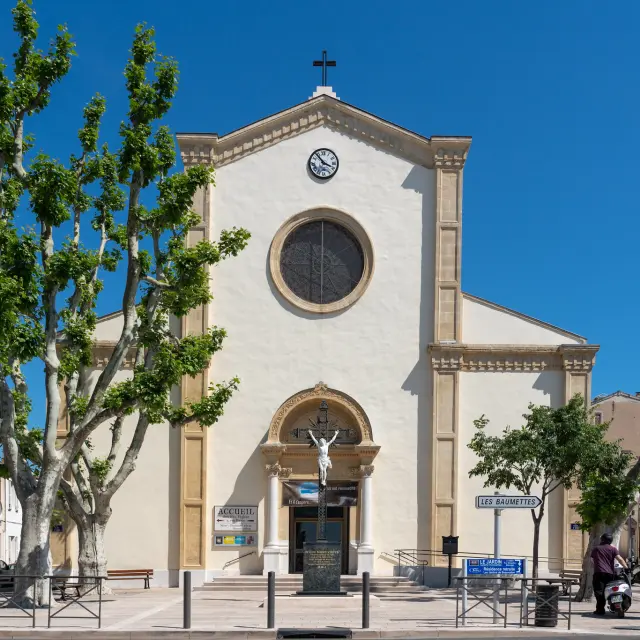
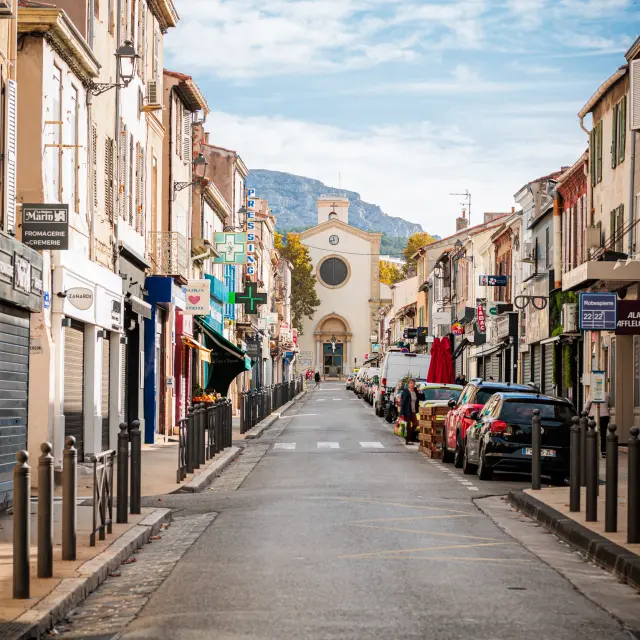
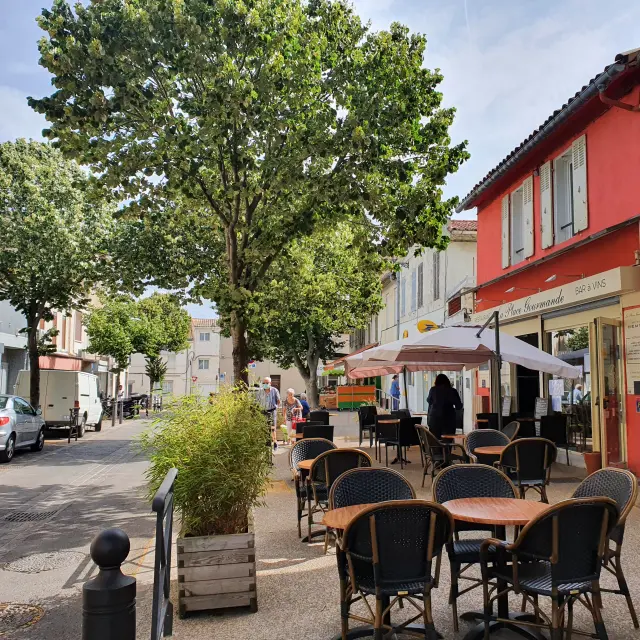
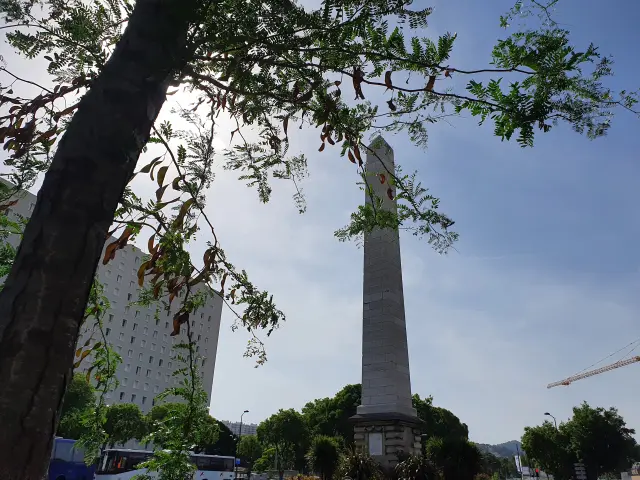
The city of Marseille has since caught up with the old village, but it has retained its soul: the Boulevard de la Concorde and the Rue Émile Zola are home to local shops, boutiques and restaurants, contributing to a lively neighbourhood life. The parish church dedicated to Saint Roch stands at the centre of historic Mazargues: built between 1845 and 1851, its interior features a contemporary sculpture by André Gence, a fresco, paintings and statues.