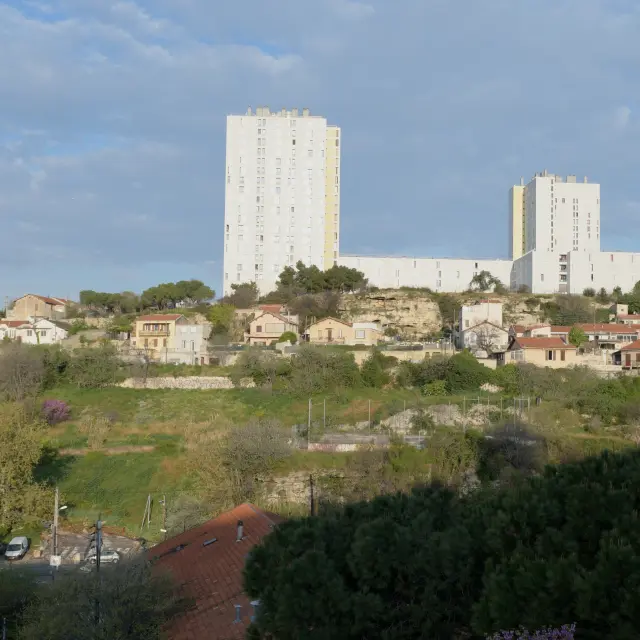
The Loubières Caves in the heart of the Mourets neighbourhood
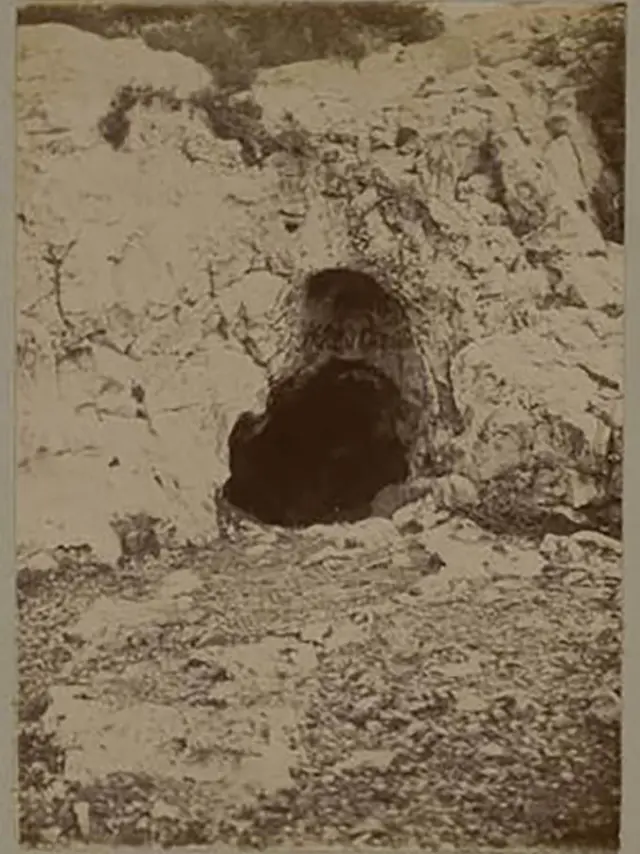
The Mourets neighbourhood in Marseille boasts numerous green spaces that characterise the tranquillity of the area, such as the Ravin de la Baume and Les Barres. Also worth mentioning are the Loubières Caves, nicknamed the ‘Wolf’s Den’. This is a genuine archaeological site which revealed historical treasures when it was discovered in 1829 by a certain J. Simonet, an amateur explorer. Man-made objects such as knives, scrapers, flint flakes and pottery shards have been found there, bearing witness to a prehistoric human presence.
In 1898, following the murder of a young girl at the site, the Loubières Caves – which were attracting crowds that were a little too curious – were closed to the public. It was not until 1930 that activity resumed. Work then began on the initiative of a company wishing to commercialise the cave and turn it into a tourist attraction. This restoration, however, compromised scientific research. Only a few historical artefacts were saved thanks to Degerrin Ricard in 1931 (a triangular axe, flint flakes, ceramics, shards and Roman pottery).
Having heard about the history of these caves,the archaeologist Daumas decided to visit the site in person to carry out excavations amongst the rubble. These investigations led to the discovery of household utensils, bowls, plates and vases. These objects are now on display at the Natural History Museum in Marseille, within the Palais Longchamp. Upon completing his studies, Daumas concluded that the site and its surroundings had served as a refuge for a Neolithic group. Moreover, in 1936, a member of the Society of Geography and Speleology discovered the skeleton of a primitive Homo sapiens, confirming Daumas’s conclusion.
In the years that followed, the Loubières Caves attracted visitors who came to see the uniquely shaped stalagmites and stalactites. Various events were organised within the caves, including a ballet performance by the Marseille Opera. In 1989, the City of Marseille decided to close the site to tourists permanently. However, it is still possible to visit the area to enjoy the surroundings whilst taking a stroll through the northern districts of Marseille.