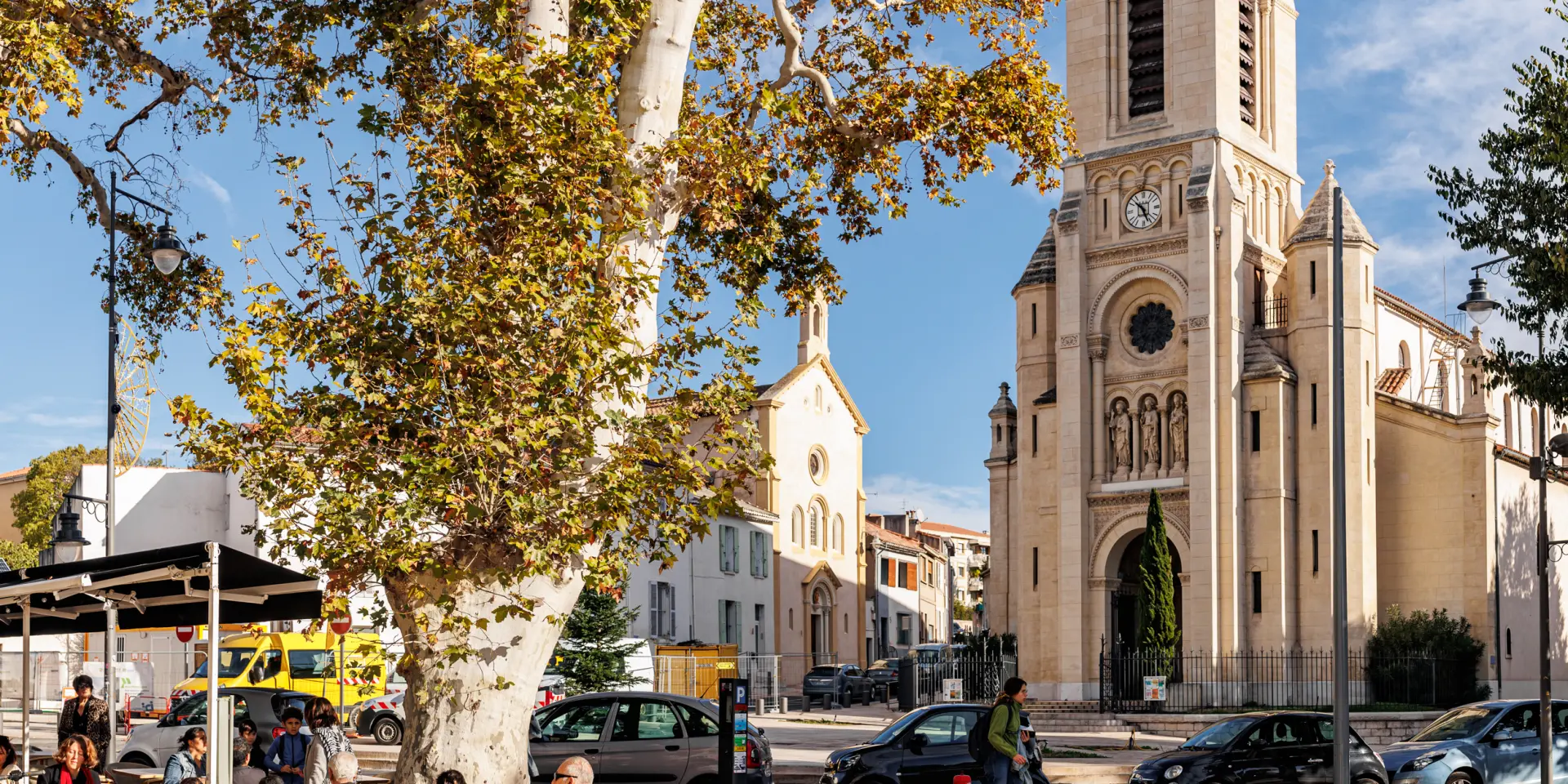
Church of Saint Barnabé and café terrace

Barrio de Saint-Barnabé

With a history stretching back over 800 years, Saint-Barnabé is a neighbourhood that is both modern and traditional, and a wonderful place to live in Marseille. Its castle and church are among the must-see sights not to be missed. Several famous figures have links to this Marseille neighbourhood, which is extremely well served by public transport.

A vibrant neighbourhood

Located in Marseille’s 12th arrondissement, Saint-Barnabé lies on the edge of the plateau overlooking the Jarret stream, to the east of the city. It is bordered by La Blancarde (to the west), Montolivet (to the north), La Pomme (to the south), La Fourragère, Les Caillols, Saint-Jean-du-Désert and Saint-Julien (to the east). The neighbourhood owes its name to Barnabé Capelle, a notary from Marseille, who purchased a plot of land there during the 15th century. He then helped to build a chapel and donated an altarpiece to it. As a token of gratitude, the locals decided to dedicate the place of worship to Saint Barnabas.

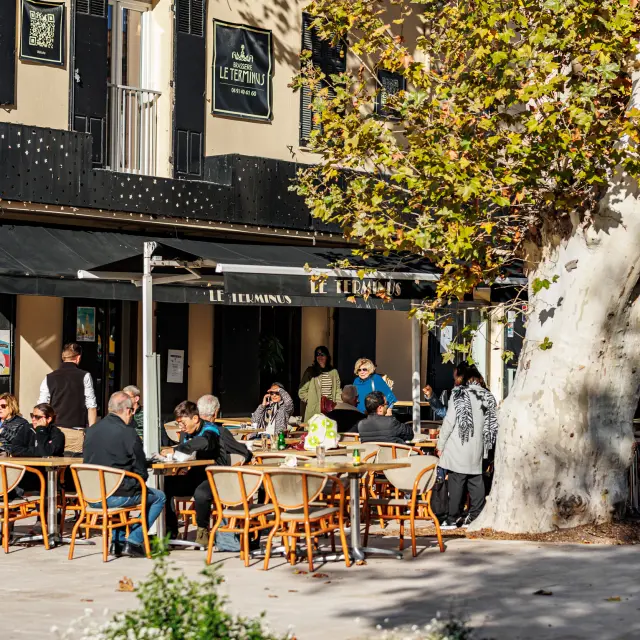
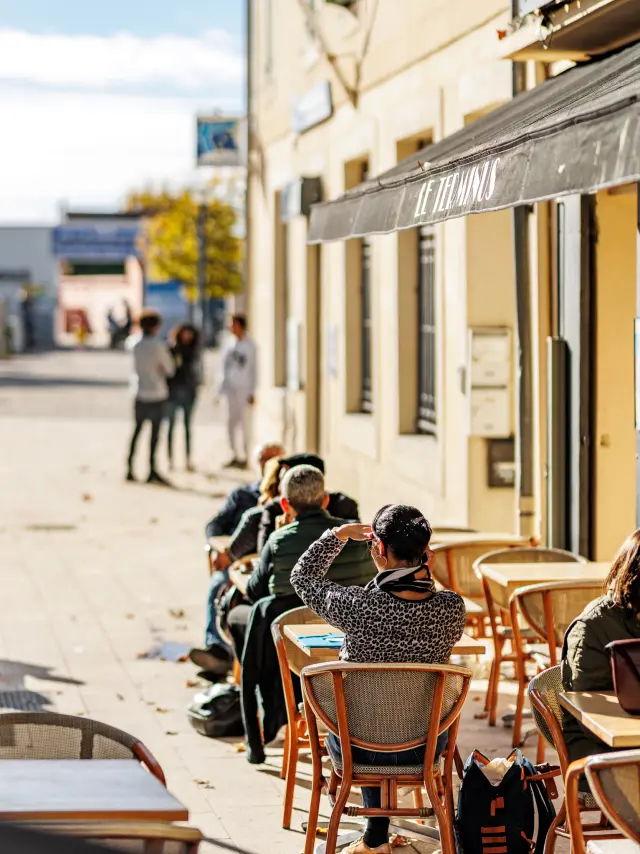
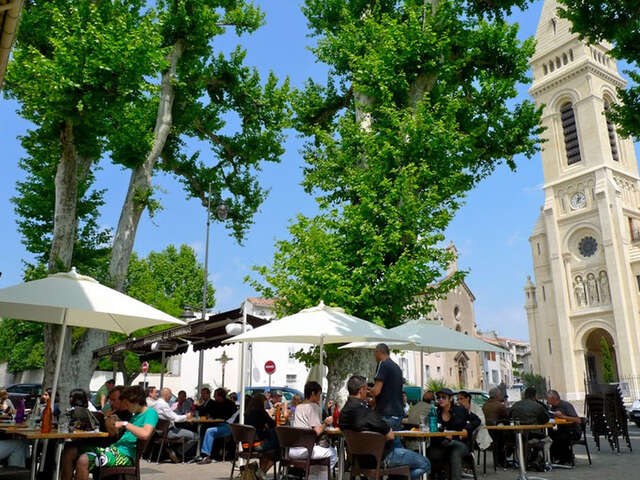
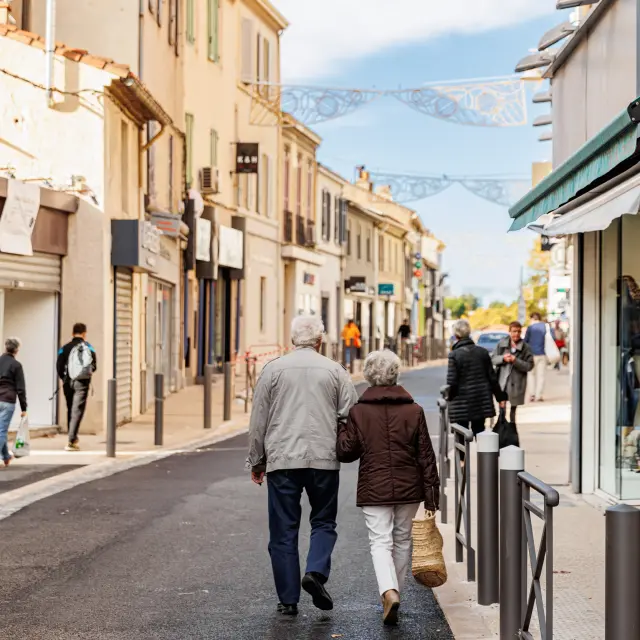
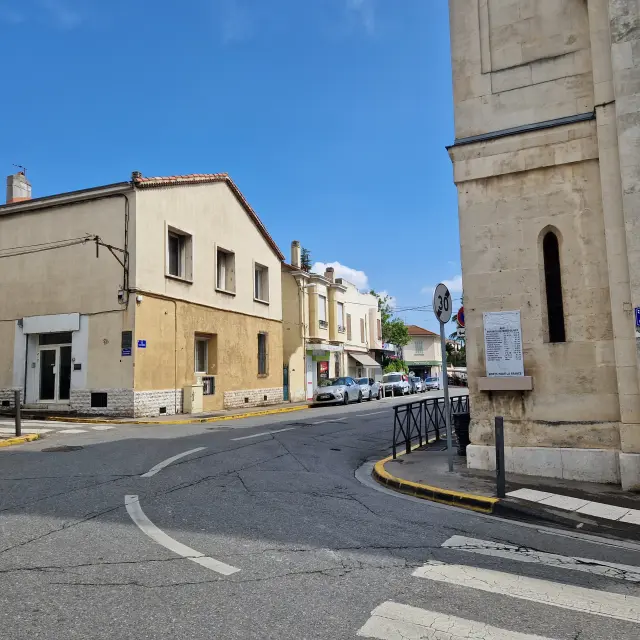
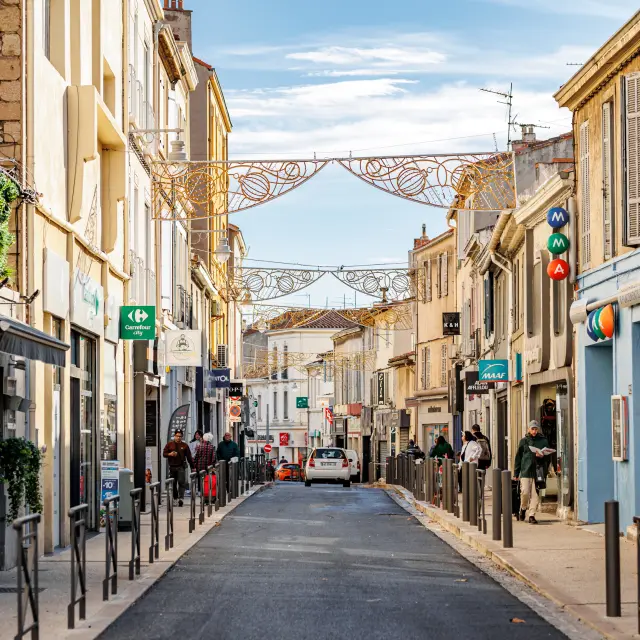
The bustling Rue Montaigne is the main thoroughfare of the village of Saint-Barnabé. It is home to a wide range of local shops.Marseille’s old tram line once ran along this street. In fact, the restaurant Le Terminus – the terminus of the old tram line – still stands on the street, opposite the village church on Place Caire.

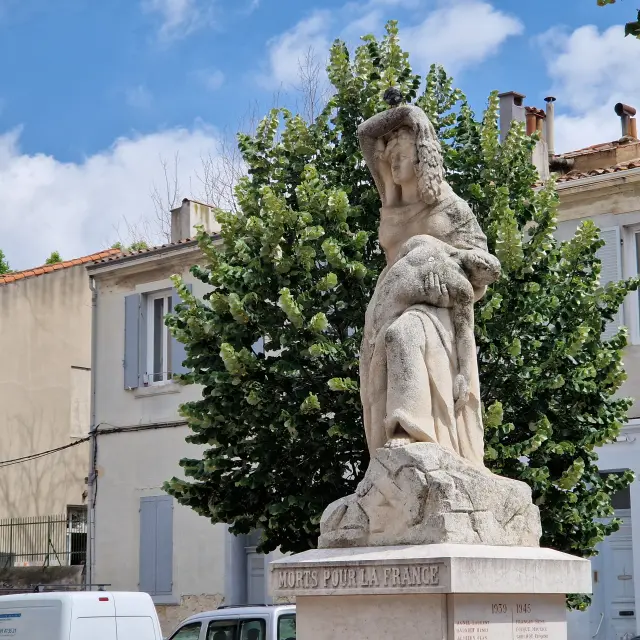
Formerly known as Route de Saint-Julien, Avenue de Saint-Julien is home to numerous shops and businesses. It branches off from Rue Montaigne at the western entrance to the village, at a place known as La Croix, so named because of the presence of a wayside cross which is now obscured by a war memorial.

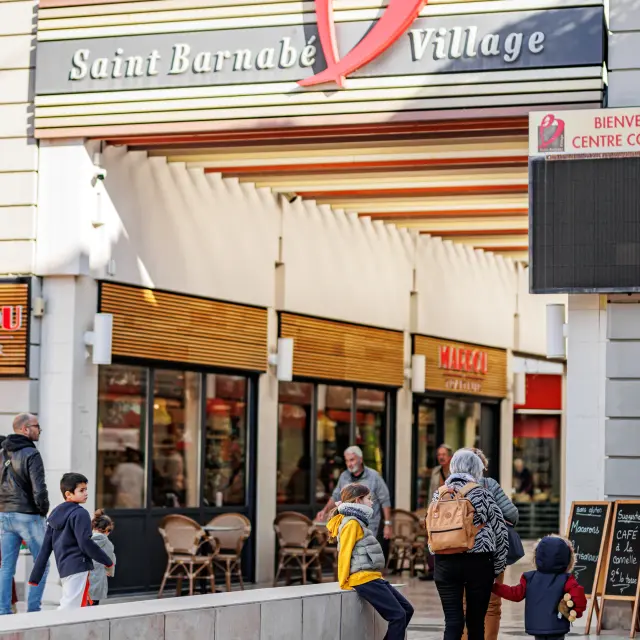
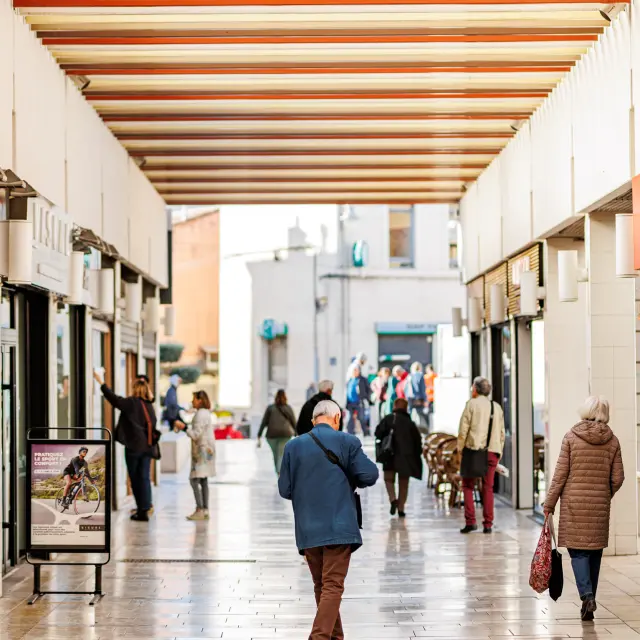
Saint-Barnabé has successfully managed to ensure that a large retail outlet coexists alongside small local shops and the Thursday craft market. Indeed, in addition to the small shops in the neighbouring streets, an area known as Saint-Barnabé-Village has been established on the site of the former École des Électriciens, now the École d’Ingénieurs de Marseille (EIM), which was relocated to the Château-Gombert district in the 1980s. It comprises a large retail outlet, shops, pedestrian areas and a car park.
Famous people from Saint-Barnabé

Alphonse de Lamartine

Born in 1790, Alphonse de Lamartine was a Frenchpoet, writer and politician who took part in the 1848 revolution. He is regarded as one of the leading figures of the Romantic movement in France. In 1850, he stayed in Marseille whilst undergoing a course of treatment in Les Camoins, a neighbourhood in the 11th arrondissement. He also resided at the Château de Saint-Barnabé on Rue Montaigne.

André Roussin

A French playwright and actor, André Roussin was a member ofthe Académie française. He owes his fame to the quality of his works, particularly his successful plays. Born in Marseille in 1911, he spent part of his childhood, from 1914 to 1919, in the Saint-Barnabé neighbourhood with a family belonging to Marseille’s upper middle class: his father was an insurer, and his mother was one of the daughters of a powerful industrialist in the city.

Pierre Fabre

Born in 1957, Pierre Fabre was the 13th successor to Frédéric Mistral and the 14th Capoulié of the Félibrige from 1992 to 2006, an association that promotes the language and culture of the Occitan-speaking regions. He spent his childhood, adolescence and early adulthood, up to the age of 20, in the Saint-Barnabé district of Marseille. A lecturer and author, he is a Knight of the Order of Academic Palms, a Knight of the Order of Arts and Letters, and a corresponding member of the Académie de Marseille.

SCH

Julien Schwarzer, better known by the stage name SCH, is a French rapper born in 1993 in the Saint-Barnabé neighbourhood of Marseille. With a deep, calm voice, he tackles themes such as death, wealth and gangsters in his songs. At the 37th Victoires de la Musique awards in 2022, he won the award for the most-streamed album by a male artist. He also played to a full house at the CEPAC Vélodrome stadium in July 2023.

The monuments of the Saint-Barnabé district in Marseille

Saint-Barnabé Castle

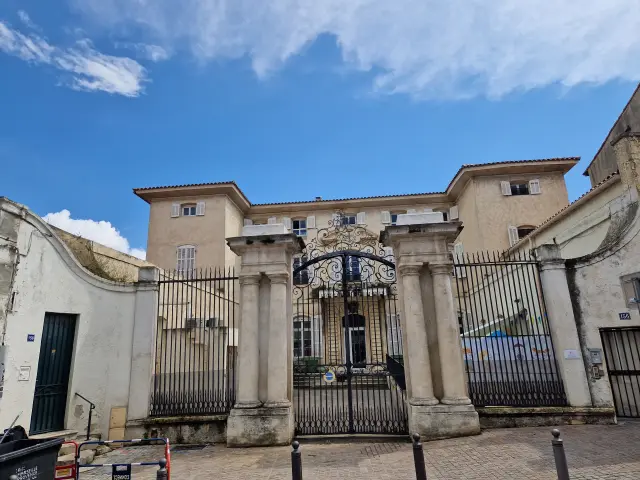
An 18th-century bastide, the Château Saint-Barnabé – situated on Rue Montaigne – was built on the initiativeof Antoine de Perrache de Pierrerue, a bourgeois. On his death, his son André inherited the 400m² residence and its extensive grounds. Over the years, the château was converted into a care home, then into a renowned family-run guesthouse, before eventually falling into disrepair. In 2011, the building became the property of the City of Marseille, which decided to build a municipal nursery there.

Saint-Barnabé Church

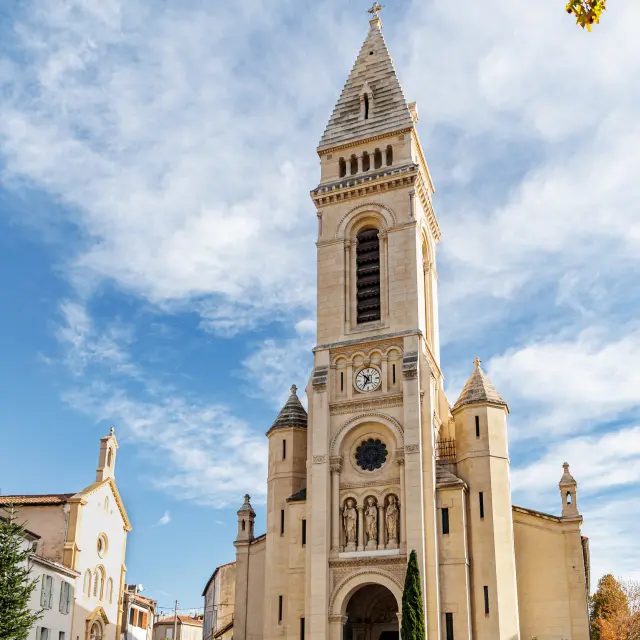
Situated on Place Caire,Saint-Barnabé Church was built in 1846 by the architect Pascal-Xavier Coste on the site of a modest chapel. It combines the Neo-Romanesque and Neo-Byzantine styles, which were very much in vogue in Marseille. The bell tower and façade were built at the end of the 19th century by the architect Théophile Dupoux. On the façade, one can also see Saint Peter and Saint Julius, in honour of the brothers Pierre and Jules Caire, the benefactors who funded the construction of the bell tower. The square in front of the church was named after them in December 1895.

Paul Arène Square

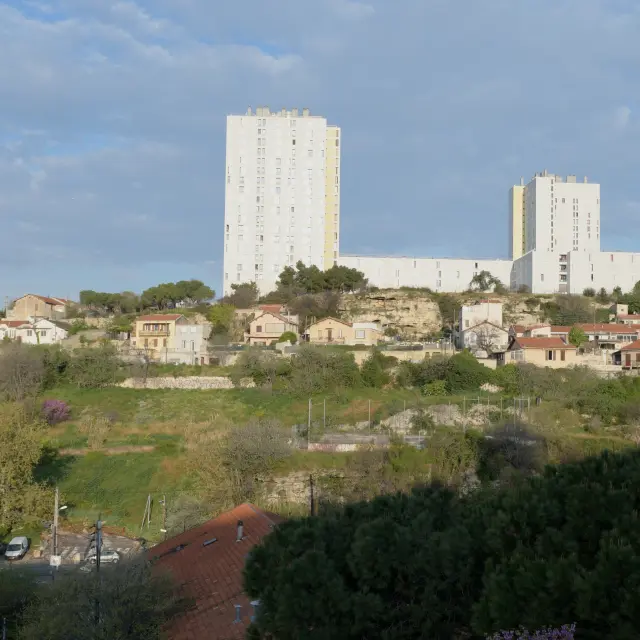
Paul Arène Square was built in 1964 by the architects Graveleau and Nogaro, and the ceramicist Vernet. Initially, the project was funded as part of a scheme for affordable family housing. The square was designed to consist of a tower block and small four-storey buildings. Covered walkways connect the buildings. The construction of a canal spanned by small bridges was made possible by the site on which the square was built: a watercress bed. An elegant ceramic feature adorns the pond.

Saint Barnabas

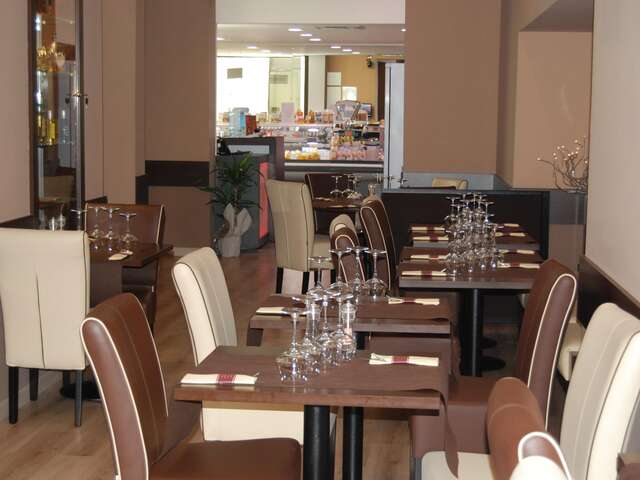
Where can you eat in the neighbourhood?

How to get to the Saint-Barnabé neighbourhood

The Saint-Barnabé neighbourhood in Marseille is fortunate to be well served by public transport. During the day, you can take bus routes 7 (Foch 5 Avenues – Les 3 Lucs Enco de Botte), 7B (Foch 5 Avenues – Bois Lemaître), 7T (Foch 5 Avenues – Allauch Barbaraou), 9 (Les Caillols Centre Urbain – St Julien), 10 (La Fourragère Metro Station – Les Caillols Hôpital) and 67 (Chartreux Metro Station – La Blancarde).

It is also possible to take the M1 metro line towards La Fourragère. There are two stops in Saint-Barnabé: the first on Place Caire and the second on Boulevard Louis-Armand. This way, you can reach Marseille city centre in just 15 minutes from this neighbourhood.

By car from the city centre, simply head up Boulevard de la Blancarde to reach the Saint-Barnabé neighbourhood.

Since 2018, the L2 ring road – also known as the A507 motorway – has made it easy to bypass Marseille city centre and join the motorways to the north (A7) and east (A50).