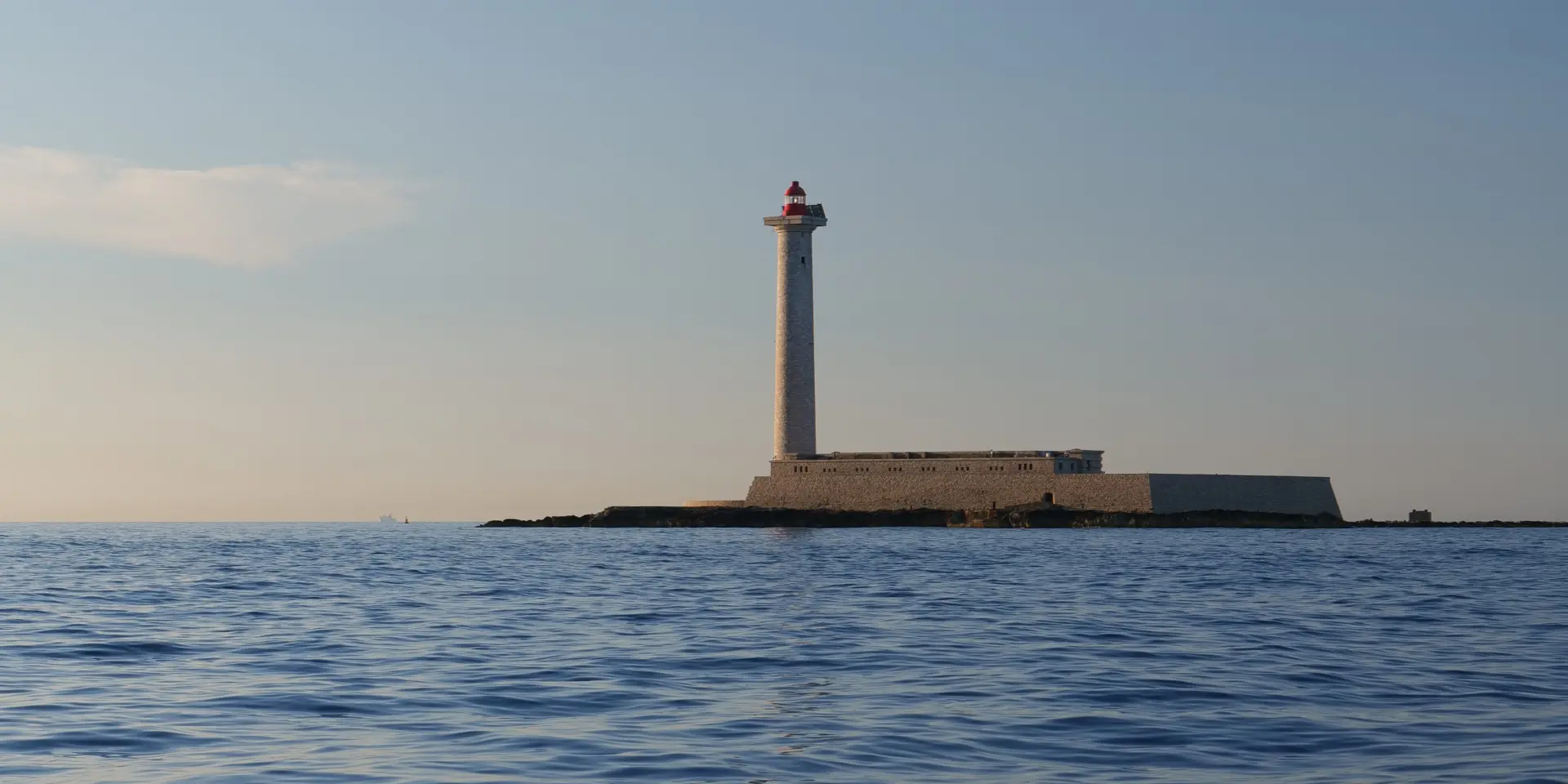
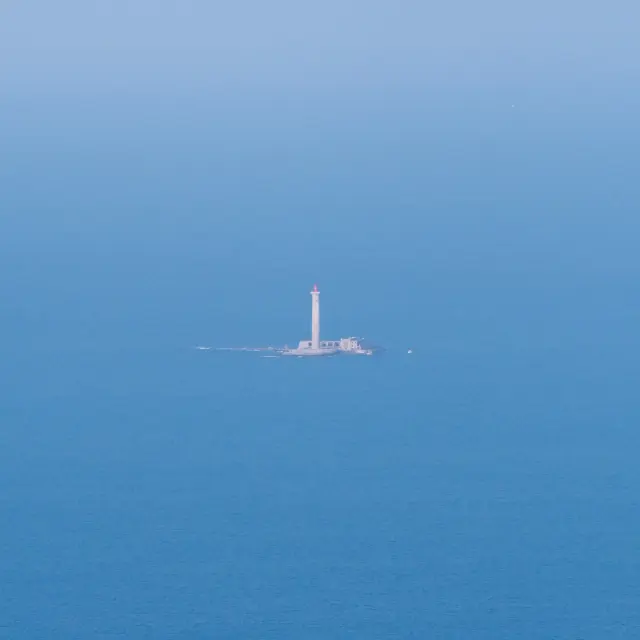
The Planier lighthouse, between sea and sky

The Planier is a rocky islet battered by the waves of the Mediterranean Sea, just above the surface of the water. Located in a dangerous spot for ships, it is home to a lighthouse that has long helped protect sailors from reefs and shoals.

The Planier lighthouse, a monument dear to the hearts of the people of Marseilles

The many visitors who take a trip to the heart of the Calanques National Park can scarcely imagine that these sparkling blue waters have long represented a mortal danger for sailors. Cap Croisette, a stone’s throw from the village of Les Goudes, has witnessed some terrifying shipwrecks, the most spectacular of which was certainly that of the liner Le Liban in 1903, which cost the lives of around a hundred people.

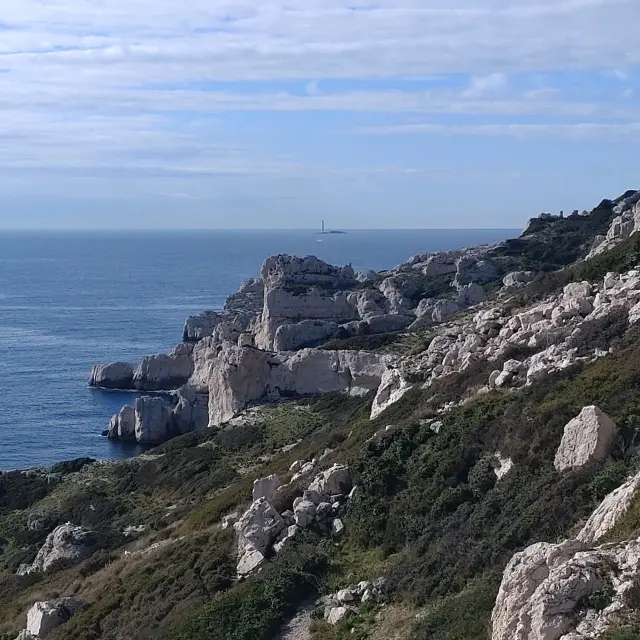
The Planier lighthouse, located around 9 kilometres from Cap Croisette, guides ships arriving from the south or west and helps them find a safe route to the shelters offered by the city’s various ports. Its role as guardian gives it a special place in the hearts of sailors and Marseillais alike.

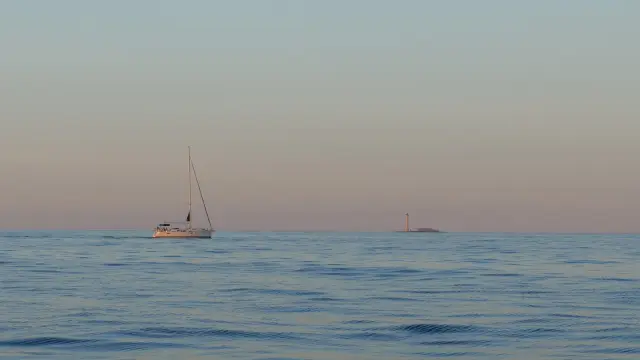
Visible day and night, the Planier lighthouse is an integral part of the Marseilles landscape. In sunny weather, you may have to squint to see it to the south-west of the city. When night falls, its white light sparkles every five seconds.
The Planier lighthouse also features in various works of French literature:

  • In The Count of Monte Cristo by Alexandre Dumas, Edmond Dantès sees the lighthouse ” shining like a star “;
  • In Naïs Micoulin, a collection of short stories in which Émile Zola evokes this light ” constantly lost on the horizon, and constantly found again “;
  • In Marseilles, Gateway to the South, a report by journalist Albert Londres, the Planier lighthouse ” takes us back home ” as much as it ” presides over our departure “.

The highest lighthouse in the Mediterranean

As early as the Middle Ages, the authorities chose this island, ideally located off the coast of Marseille, to build a lighthouse. A fire tower was built in the 14th century by Robert d’Anjou, which would have measured around 12 metres. This modest structure was replaced in 1774 by a larger lighthouse, which was itself rebuilt twice in the 19th century: once in 1829 and again in 1881, reaching a height of 59 metres.

The lighthouse we know today is the fifth to be built on the island of Planier. The 1881 building, like the Transbordeur bridge, did not survive the Second World War: it was destroyed in August 1944 by German forces.

The monument you can admire today was built between 1947 and 1959 to designs by the architectural firm Arbus et Crillon. The 72-metre column-tower remains the highest lighthouse in the Mediterranean. The few visitors allowed inside have to climb 362 steps to reach the top. Other buildings built of dressed ashlar complete the structure, adding a monumental dimension to the site.

Today, the Planier lighthouse is the only working lighthouse to be protected as a historic monument on the French Mediterranean coast. It is fully automated and its light can be seen for up to 23 miles, or around 42 kilometres.

Visit the Planier lighthouse in Marseille

The Planier lighthouse is not open to visitors and access to the island is prohibited.

However, you can approach the island by boat to admire the lighthouse up close, and dive in the surrounding area. Fishing is not permitted, as Planier is located in a no-take zone.

There are several boat trips available from Marseille to explore the islands, the harbour and the calanques. You can also hire a boat for a trip to the Planier lighthouse.

Subscribe to our newsletter

Stay connected and find out all the latest news from Marseille