Good practices for eco-friendly travel
Prepare your trip
Planning your trip in advance is the most important step. Whether it is organized down to the smallest detail or leaves room for the unexpected, in both cases there are still parameters to anticipate. Starting with the choice of dates. Choose stays out of season, from September to April, to avoid the influx of visitors and fully enjoy the trip. Also be sure to book your accomodations or activities directly through the professionals concerned, avoiding using traditional reservation platforms. Regarding the destination, opt for countries accessible by train or low-carbon transport, the aim being to avoid air travel at all costs.
Choose certified accomodation
Choosing-certified accomodation- hébergement labellisé is a wise way to guarantee an environmentally friendly and quality stay. Labels, such as La Clef Verte, Écolabel or Écogites, awarded to accomodation, certify that the facilities meet strict standards in terms of environmental sustainability, use of renewable energy and protection of biodiversity. By choosing certified accomodation, travelers can ensure that their stay will be both comfortable and environmentally friendly. To find your certified accomodation, you can contact the host directly or go to the committed platforms which list all the certified accomodation near your destination.



Buying local
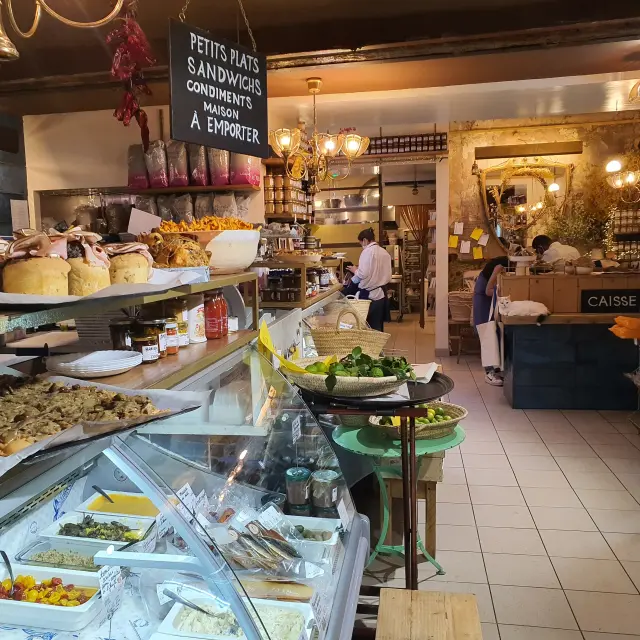
Consuming local products can have many benefits for consumers, local businesses and the environment. Favouring short distribution channels also means supporting the local economy. Whether you’re buying food or souvenirs, it’s important to support local traders, craftspeople and producers. You can find fishermen in Marseille’s Vieux-Port selling fresh, high-quality fish at their stalls. Buying locally can also help you discover new flavors and local culinary traditions, with a host of charming restaurants all over the city.