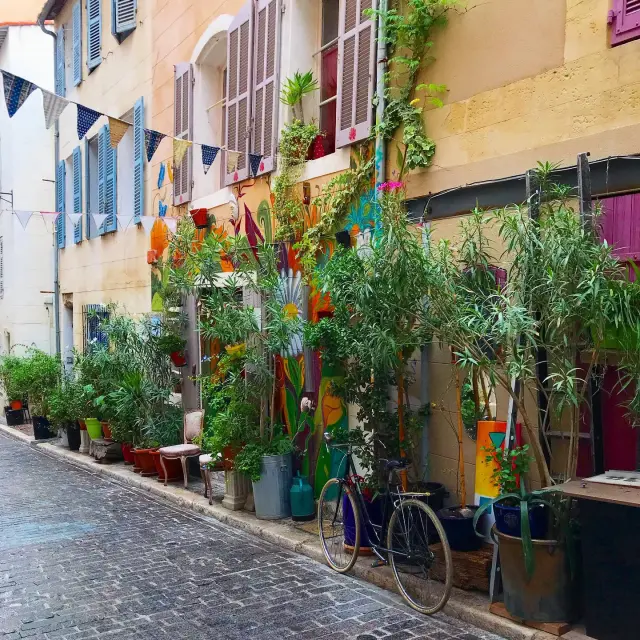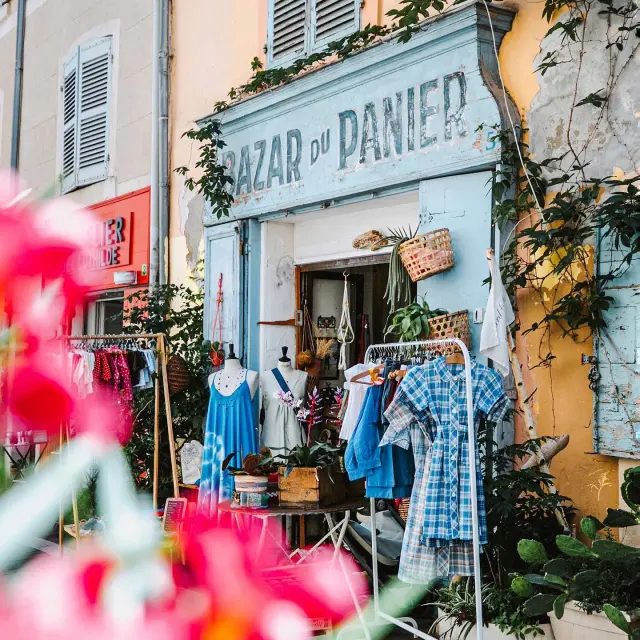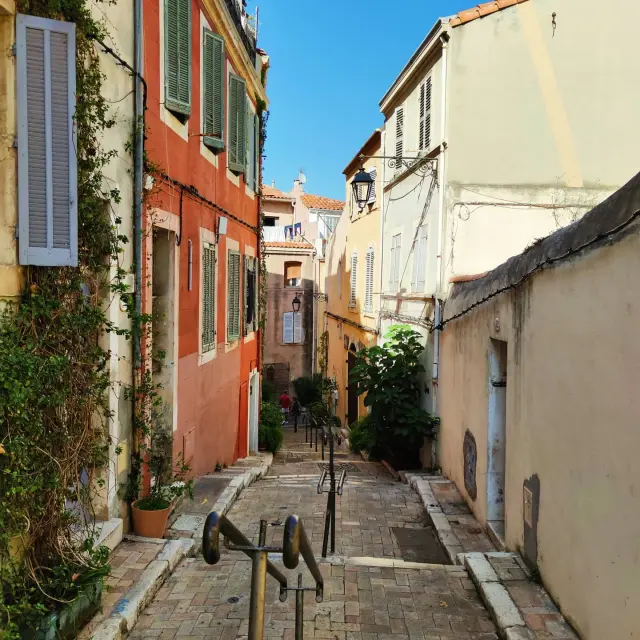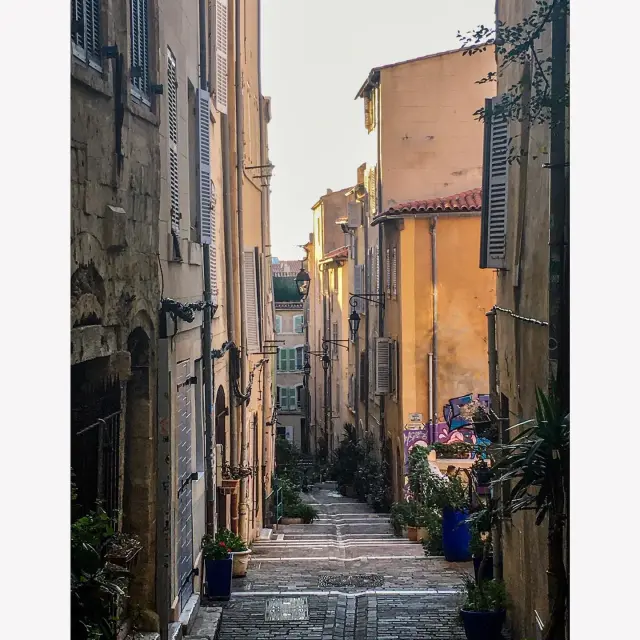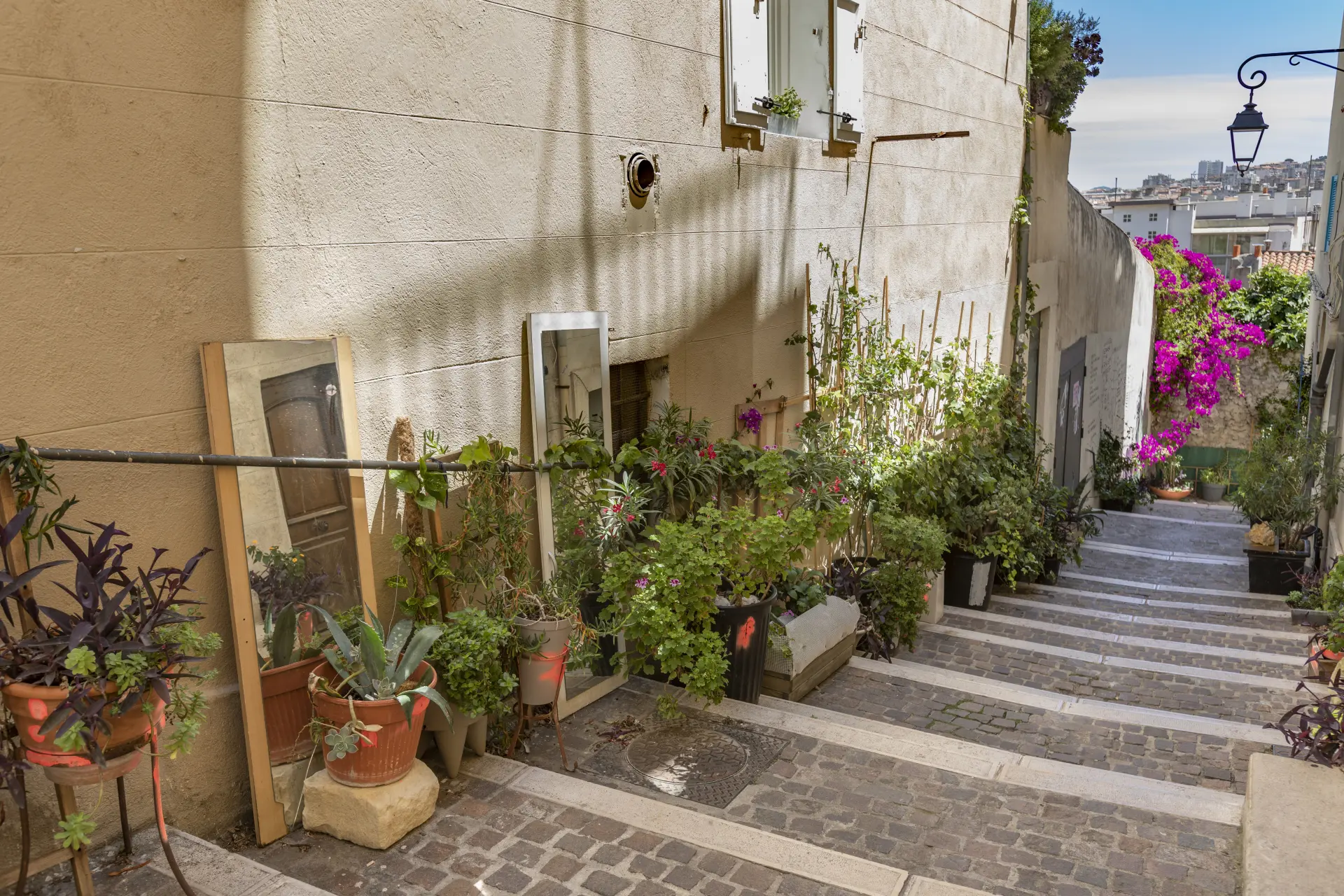
Streets of flowers in the Panier district
Take a stroll throughThe oldest district in Marseilleand its colourful little alleyways

The Panier district

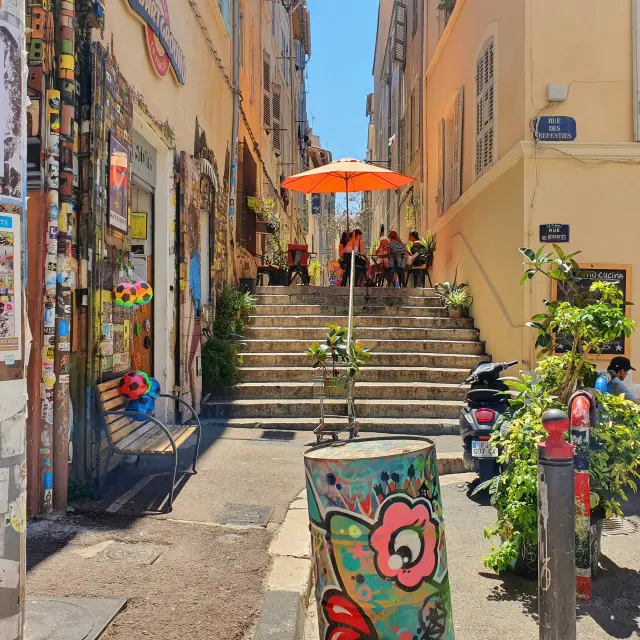
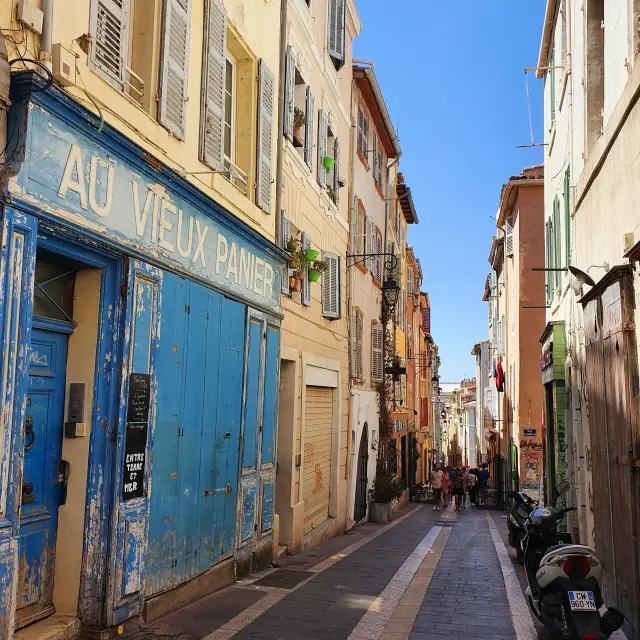
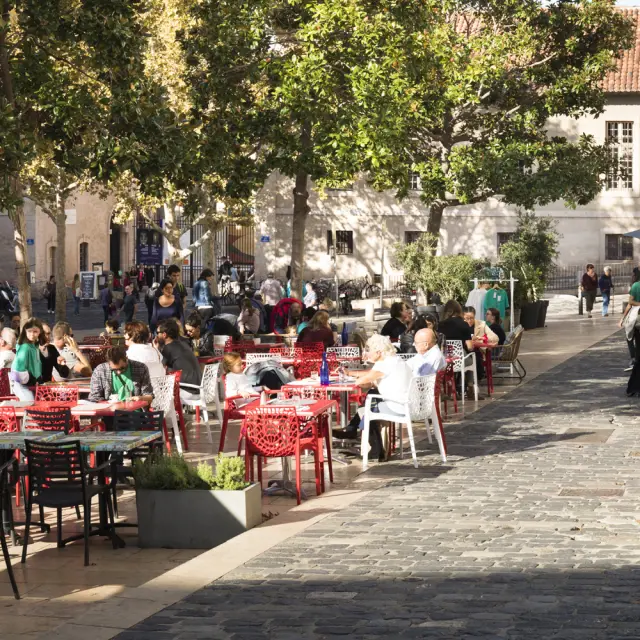
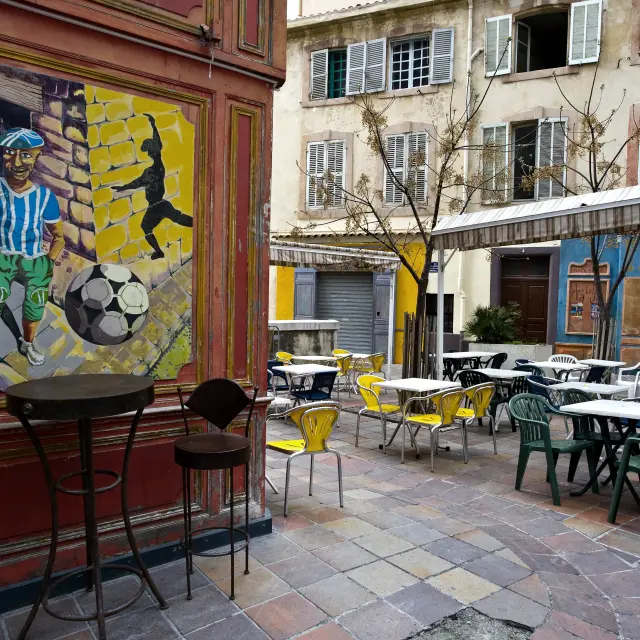
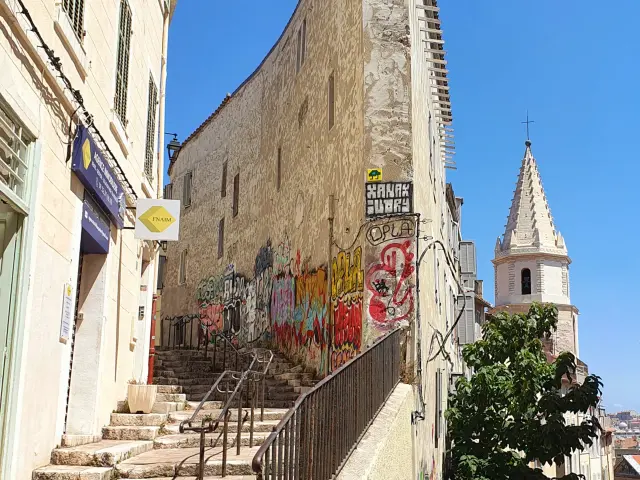
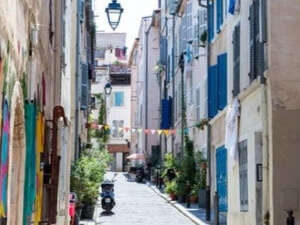
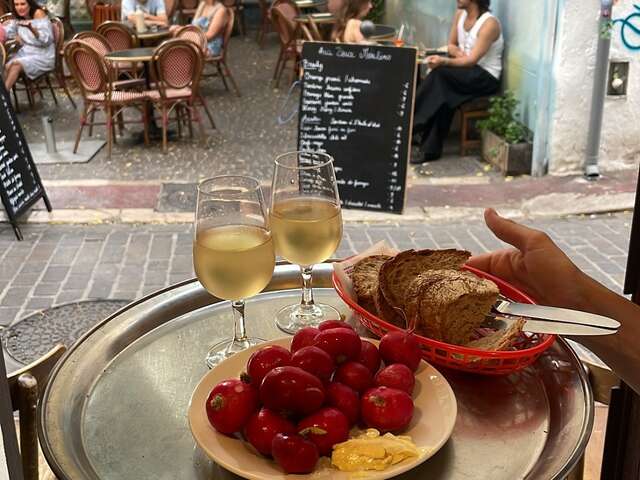
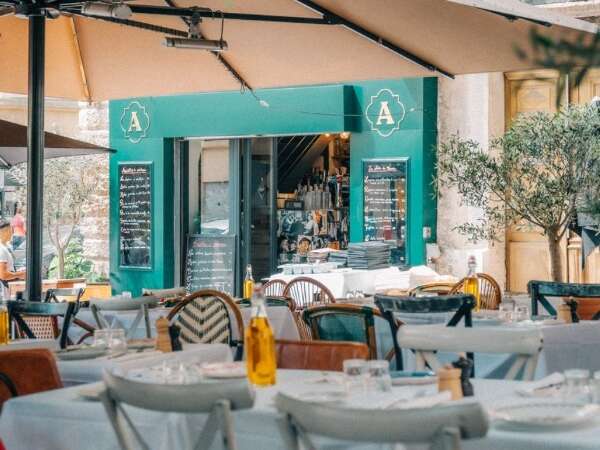
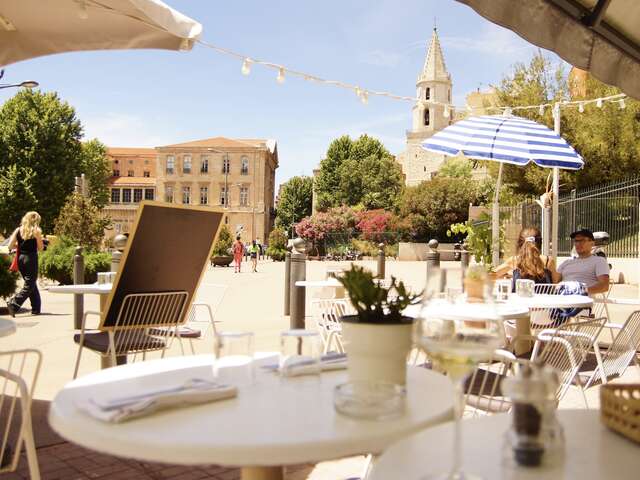
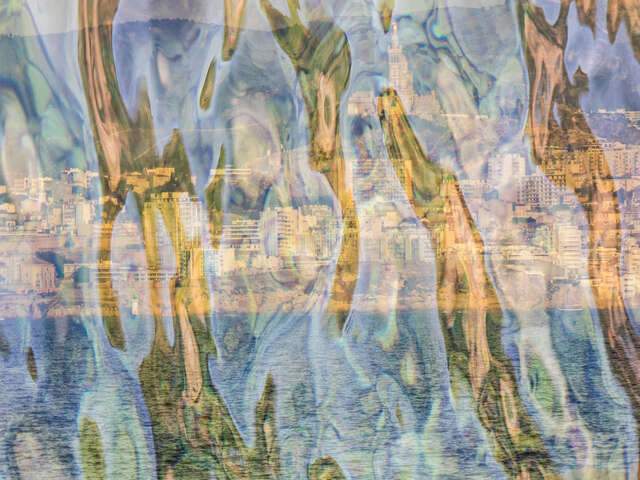
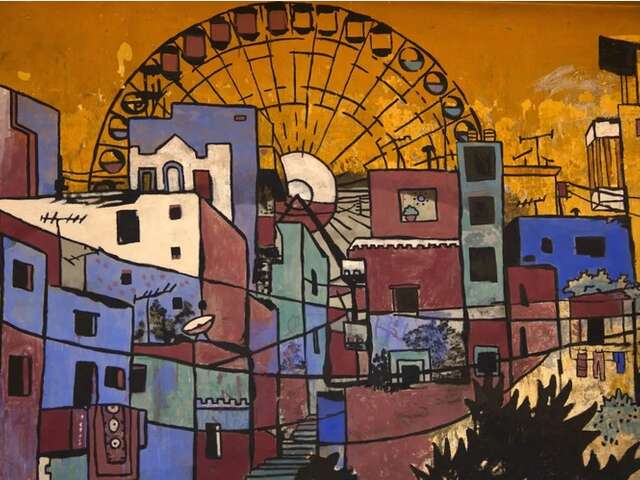
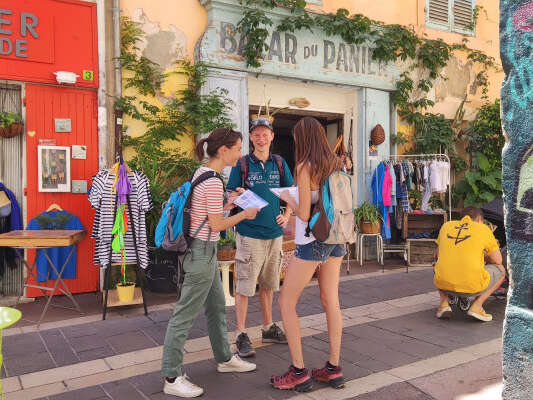
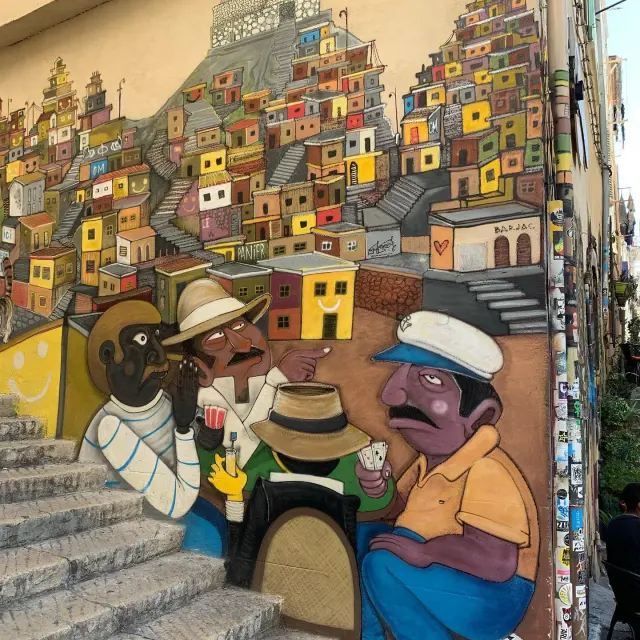
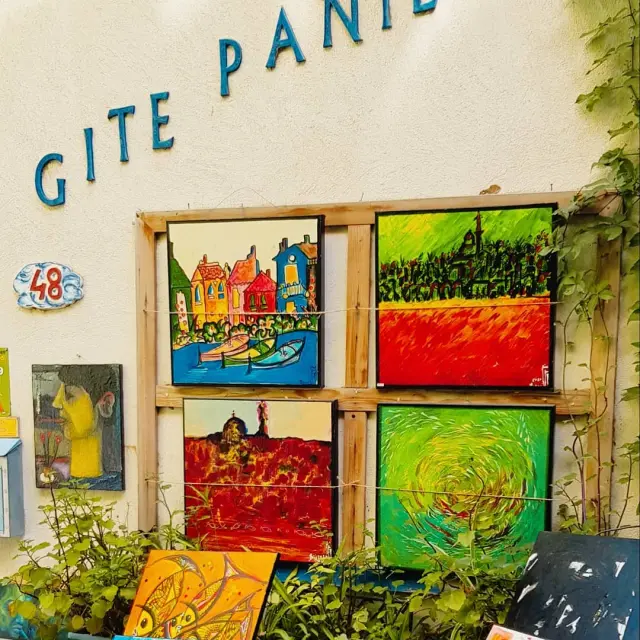
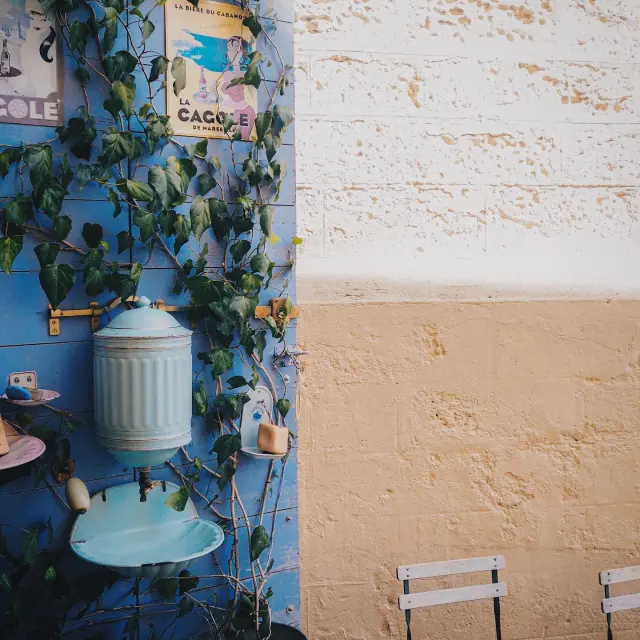
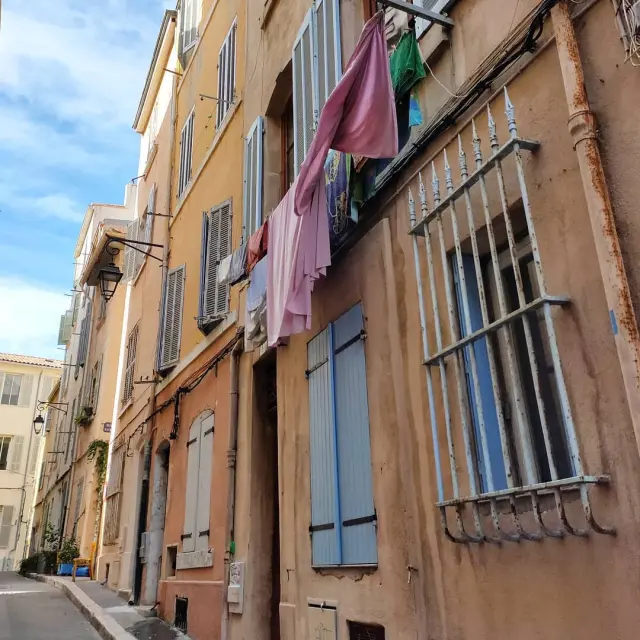
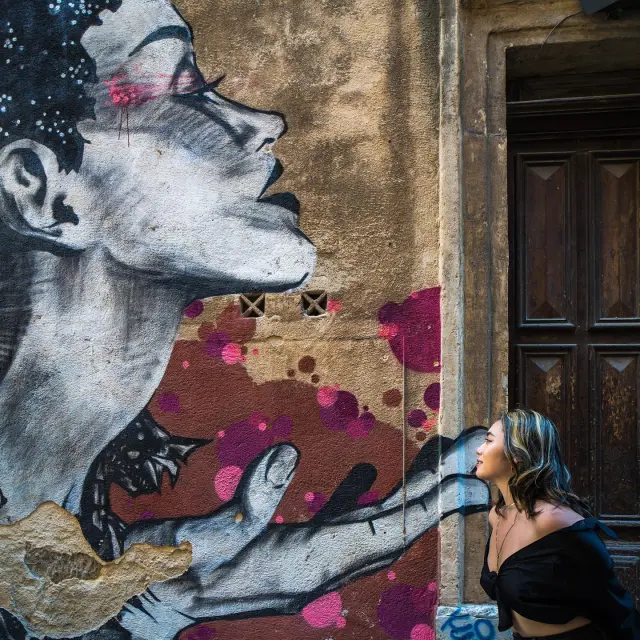
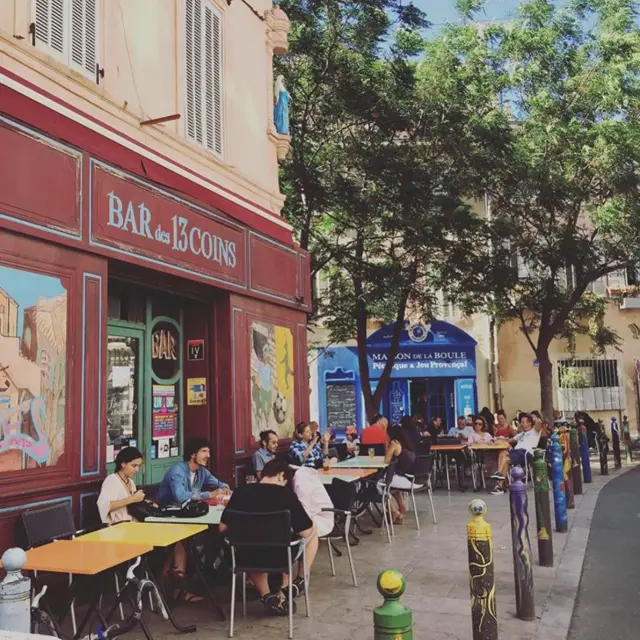
Immerse yourself in the heart of Marseille’s oldest neighbourhood. The best way to enjoy this legendary area is to wander around until you lose your way in the narrow alleyways. The friendly atmosphere and laid-back vibe here are a real delight. With its little café terraces, colourful street-art-adorned façades and small designer boutiques, you’ll be spoilt for choice: it’s a real open-air museum! Whilst you’ll need to be reasonably fit to climb up and down the stairs, your efforts will be rewarded by the Mediterranean warmth of the locals in this working-class neighbourhood, and the breathtaking views of the Mediterranean Sea.

When it comes to visiting Marseille, Le Panier is an absolute must-see.

The History of Le Panier

Marseille’s oldest neighbourhood

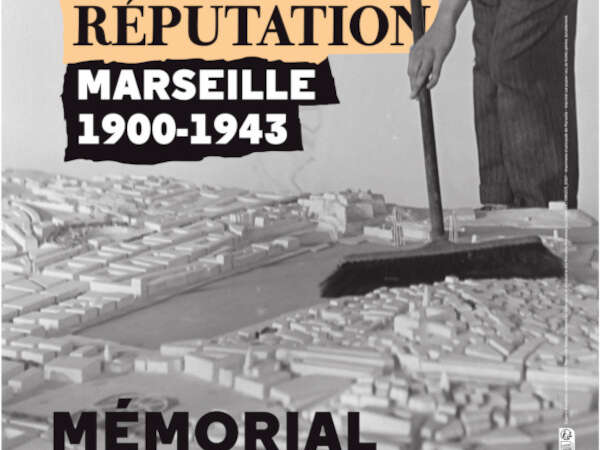
In 600 BC, Massalia was founded on the site of what is now Le Panier. The Greeks chose this location for its privileged position on high ground and close to the sea. They settled near the Butte St Laurent, and the Greek city subsequently expanded towards the Butte des Moulins. The Agora stood on the Place de Lenche, whilst the acropolis dedicated to Athena was situated on the Butte des Moulins. In the Middle Ages, the city continued to expand, but this time on the other side of the harbour. In the 12th century, a hospital was founded by the Brotherhood of the Holy Spirit and would later become the Hôtel-Dieu. In 1745, construction was completed on a large hospice, the Vieille-Charité. In the 19th century and early 20th century, the Panier district was a rather squalid neighbourhood, known for its prostitution and its bad reputation. In 1943, during the Second World War, the Germans decided to raze the neighbourhood, which served as a refuge for members of the Resistance; more than 30,000 people were evicted and thousands arrested. 1,500 buildings were destroyed between 22 and 24 January 1943. Le Panier retained its bad reputation for a long time. In the late 20th and early 21st centuries, Le Panier underwent a programme of renovation and urban regeneration. Today, it has been completely refurbished and is home to artists’ studios, shops and designers… It has become one of Marseille’s must-visit neighbourhoods! 

An open-air museum

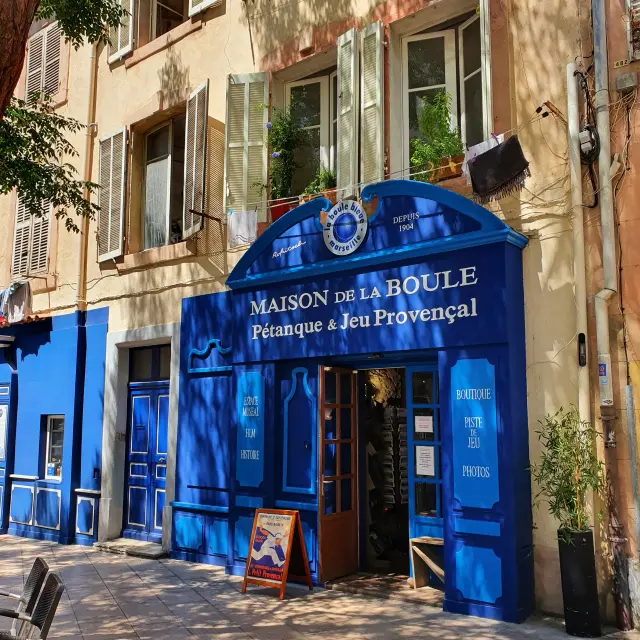
In the Panier district, every street corner is a museum in its own right. The walls are covered with street art, each piece more outlandish than the last. Some murals invite contemplation, whilst others will make you smile. Le Panier is an open-air museum: its narrow alleyways, cultural venues, artisans and designers… the three hills of Le Panier never cease to surprise us. Let yourself be swept away by the down-to-earth charm of this unmissable neighbourhood in Marseille. 
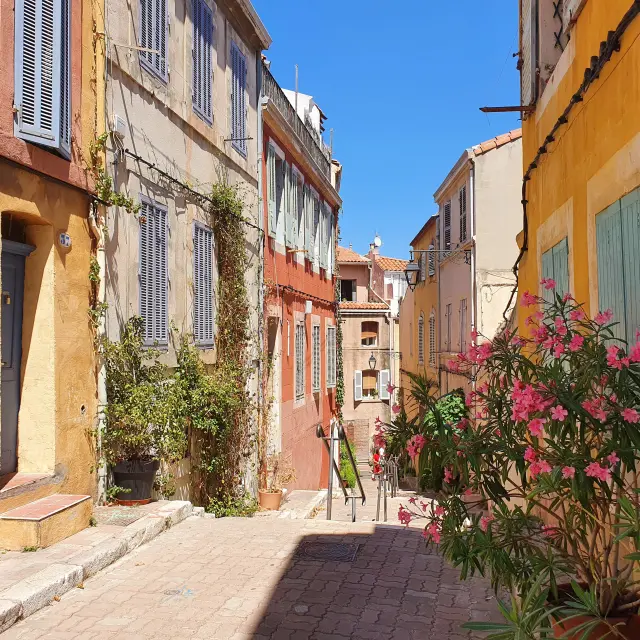
Cultural attractions in the heart of the Old Town

Whilst Marseille’s Old Town is a colourful place thanks to its charming narrow streets, its cultural attractions make it even more breathtaking!

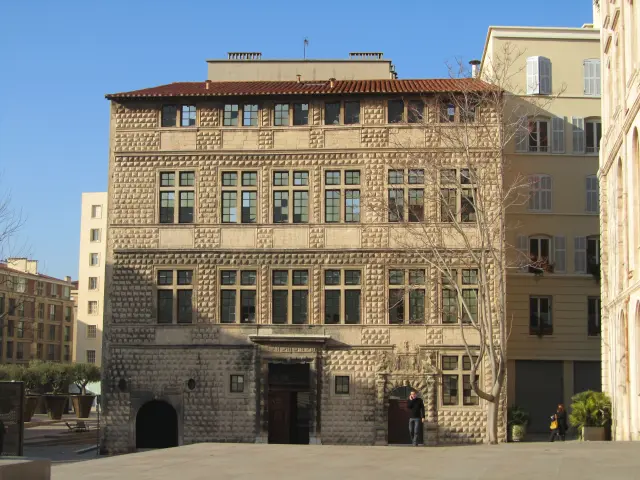
The Maison Diamantée

Built by wealthy patrons of Spanish and Italian origin, the Maison Diamantée was later home to prominent Marseille families. The Maison Diamantée is exceptional for the diamond-pointed bossage decoration on its façade and the ornamentation of its coffered staircase. Listed as a Historic Monument in 1925, it was spared from destruction in 1943.

The Daviel Pavilion

It was built in the mid-18th century by the Gérard brothers, architects from Marseille, on the site of a former 16th-century courthouse. During the Revolution, the guillotine was erected on its forecourt. The building is constructed from pink stone from the Couronne quarries. It is currently occupied by the town hall’s departments.

The Hôtel de Cabre

This mansion, built in 1535 on the commission of Louis Cabre, a merchant and consul, is one of the oldest houses in Marseille. When the old quarters were demolished in 1943, it was spared, but for town-planning reasons, it was moved as a single block using jacks and rotated by 90° to align with the current streets. The façades have been listed as Historic Monuments since 1941.

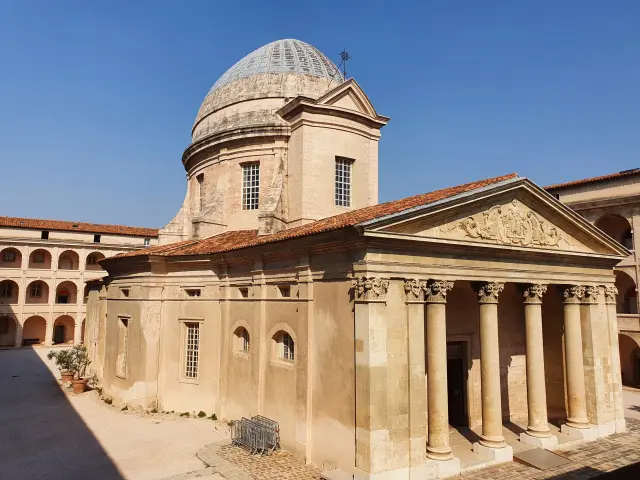
La Vieille Charité

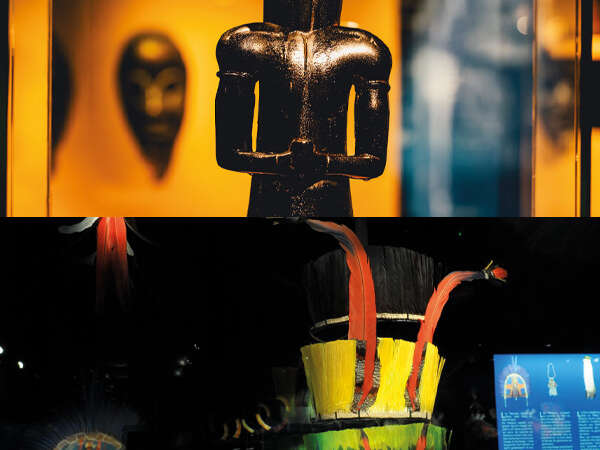
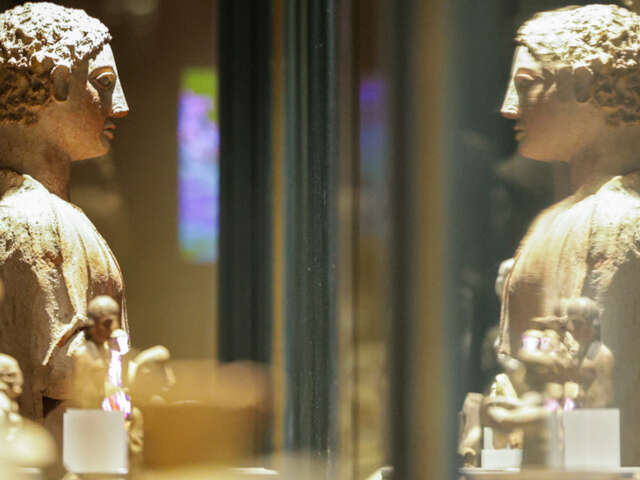
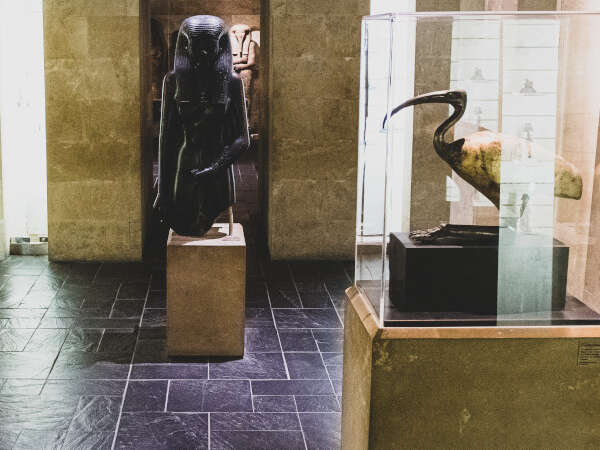
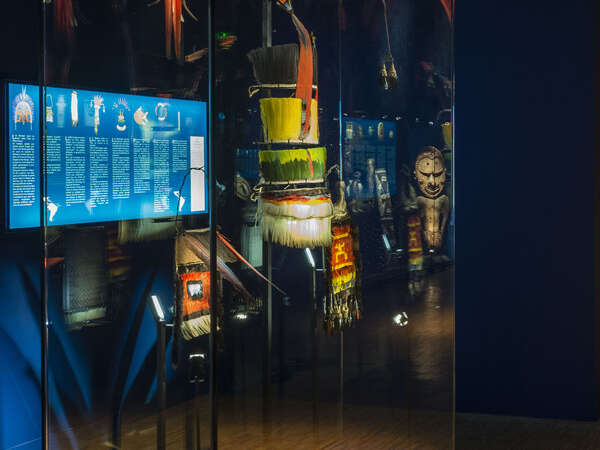
The Vieille Charité Centre is nestled in the heart of the Panier! It is a true haven of relaxation and culture, with numerous permanent and temporary exhibitions taking place there all year round.

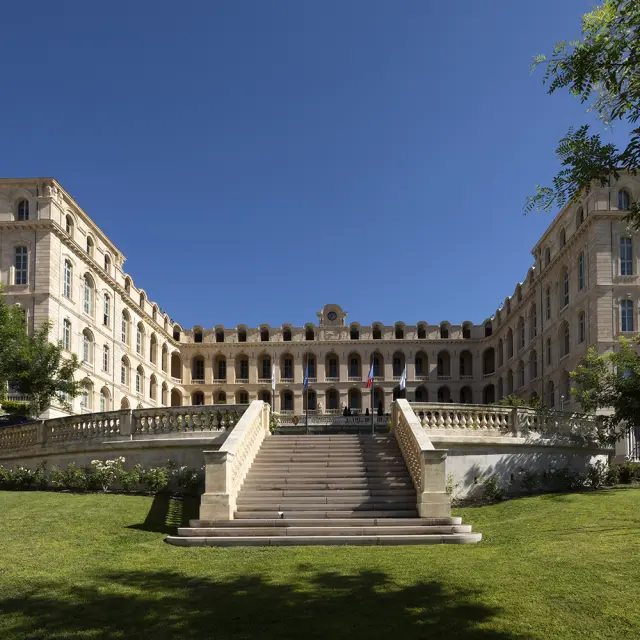
The Hôtel Dieu

The Hôpital du Saint-Esprit, founded in the 12th century, was extended over the centuries and merged with the Hôpital Saint-Jacques de Galice in the 16th century. It became the Hôtel Dieu a century later. Its reconstruction was then undertaken by a nephew of the famous architect Hardouin-Mansart; however, his ambitious project was only partially completed, and it was during the Second Empire that the Hôtel Dieu took on its current appearance. The staircases are the work of Joseph-Esprit Brun. The bronze bust of Jacques Daviel commemorates the fact that, in 1745 at the Hôtel Dieu, he performed the first cataract operation involving the removal of the lens. He was subsequently appointed eye specialist to King Louis XV. Since 2013, it has been a 5-star hotel.

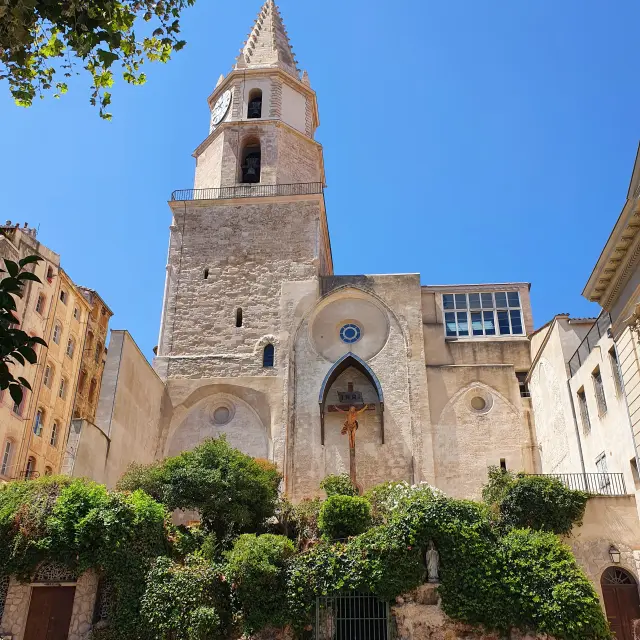
The Church of Les Accoules

A small parish church dedicated to Notre-Dame des Accoules has stood on this site since the 11th century. The church was rebuilt in the 13th century, as was the bell tower of the Tour Sauveterre, which rang the tocsin and summoned the Town Council. The complex was partially razed in 1794 and the church was rebuilt on a centralised plan shortly before the July Monarchy.

Place de Lenche

Place de Lenche is situated on the site of the ancient Greek agora, from which citizens could observe the goings-on at the harbour. Originally, the square was enclosed on all four sides; it was on the southern side that, in the 5th century, Saint Cassian founded the convent of the nuns of Saint-Sauveur, thus facing the monastery of Saint-Victor on the opposite bank of the harbour.
Beneath the square lie the Saint-Sauveur cellars, which are believed to be the cisterns of the Greek city dating from the 3rd century BC. Listed as a ‘Historic Monument’ in 1840, they are regarded as an intact ancient monument but remain inaccessible. The name Lenche derives from a Corsican family, the Lincios, who left a significant mark on the square in the 16th century by setting up a coral workshop and shops there, and by having a sumptuous townhouse built for themselves.
The southern part of the square was demolished according to plans drawn up by the German authorities during the winter of 1943, and buildings were rebuilt on the lower level in the 1950s.

Place des Moulins

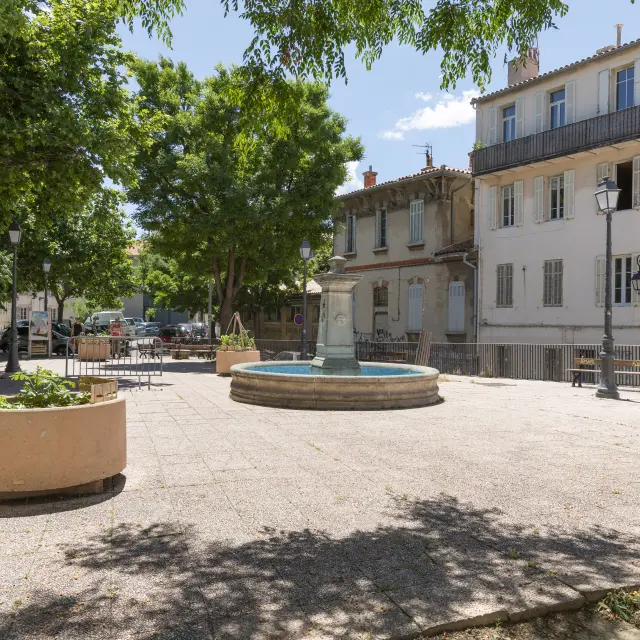
The highlight of this unusual neighbourhood, this square owes its name to the presence of around fifteen windmills in the 17th century.

Today, the remains of three of them still stand, though unfortunately they are not visible as they are enclosed within houses. In 1850, the Citerne des Moulins was built beneath the square, 35 metres above sea level.

The reservoir, comprising 160 pillars made of Cassis stone, has a capacity of 12,000 m³. Its architecture is reminiscent of the Basilica Cistern in Istanbul.

Where can you eat in Le Panier?

Events calendar

In the basket

Explore the Basket

with Marseille Experience