The Mourepiane district

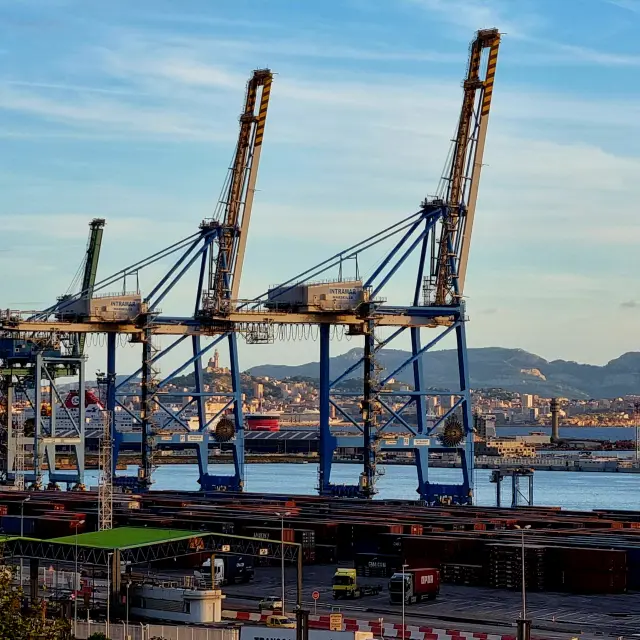
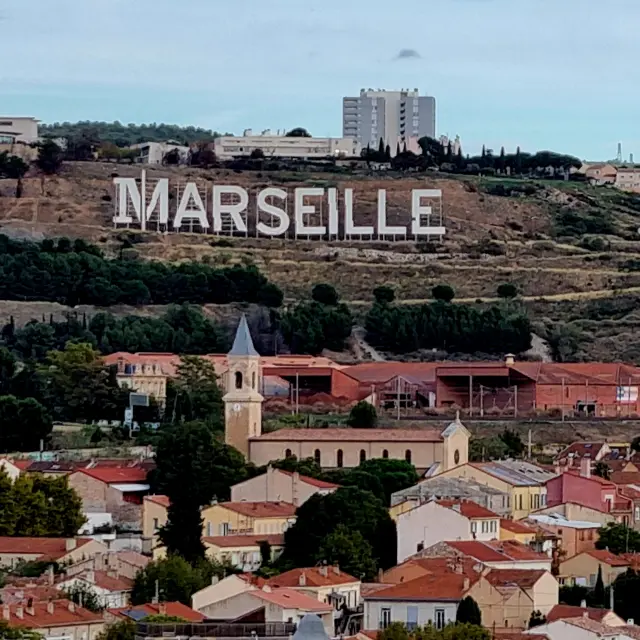
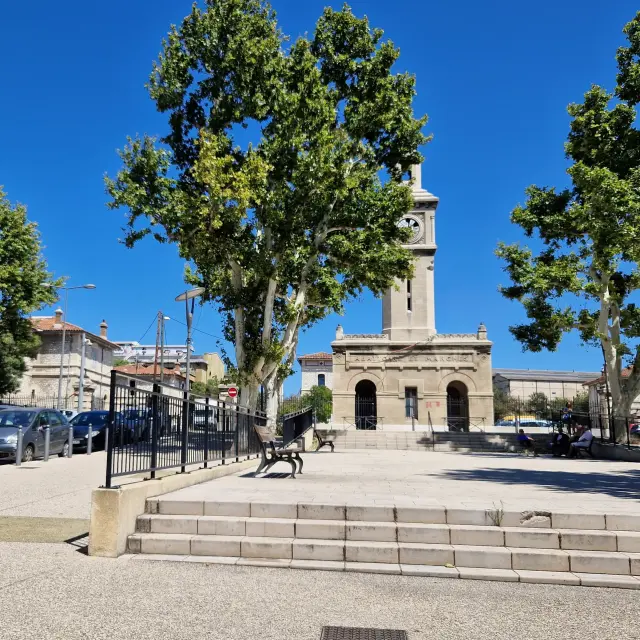
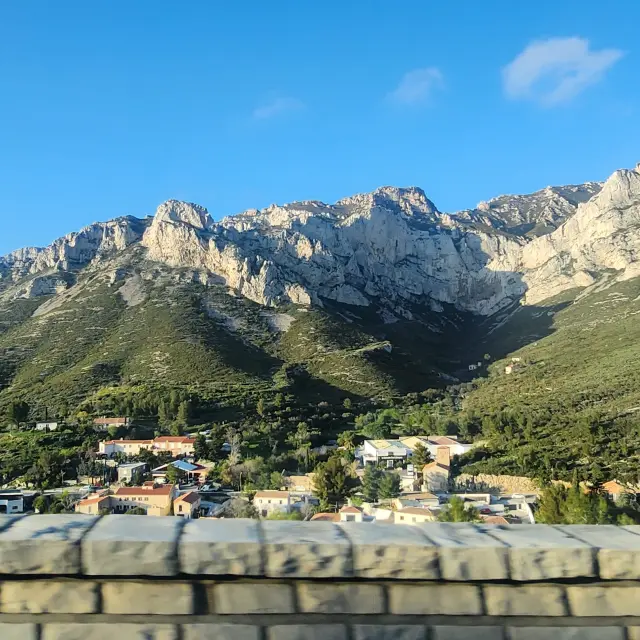
Head for the Mediterranean in Marseille’s 16th arrondissement, in the Mourepiane district. This picturesque district is close to l’Estaque. Historically populated by fishermen, this harbour district is home to some of the infrastructures of the Port of Marseille-Fos, the focal point of its economic activity. Pretty houses with sea views make up this charming district. Discover this pretty district in the north of Marseille.

The history of the Mourepiane district

Bordered by the Mediterranean Sea, the Mourepiane district was a former fishing village before it became part of the city of Marseille. Its history is closely linked to the city’s maritime and industrial activities. Its development accompanied the growth of the port of Marseille and the surrounding industry.

In the 19th century, with the increasing industrialisation of Marseille and the development of the port, the Mourepiane district was transformed into a major industrial and port centre. Numerous warehouses, factories and port facilities were built along the coast to meet the needs of a rapidly expanding commercial and industrial activity.

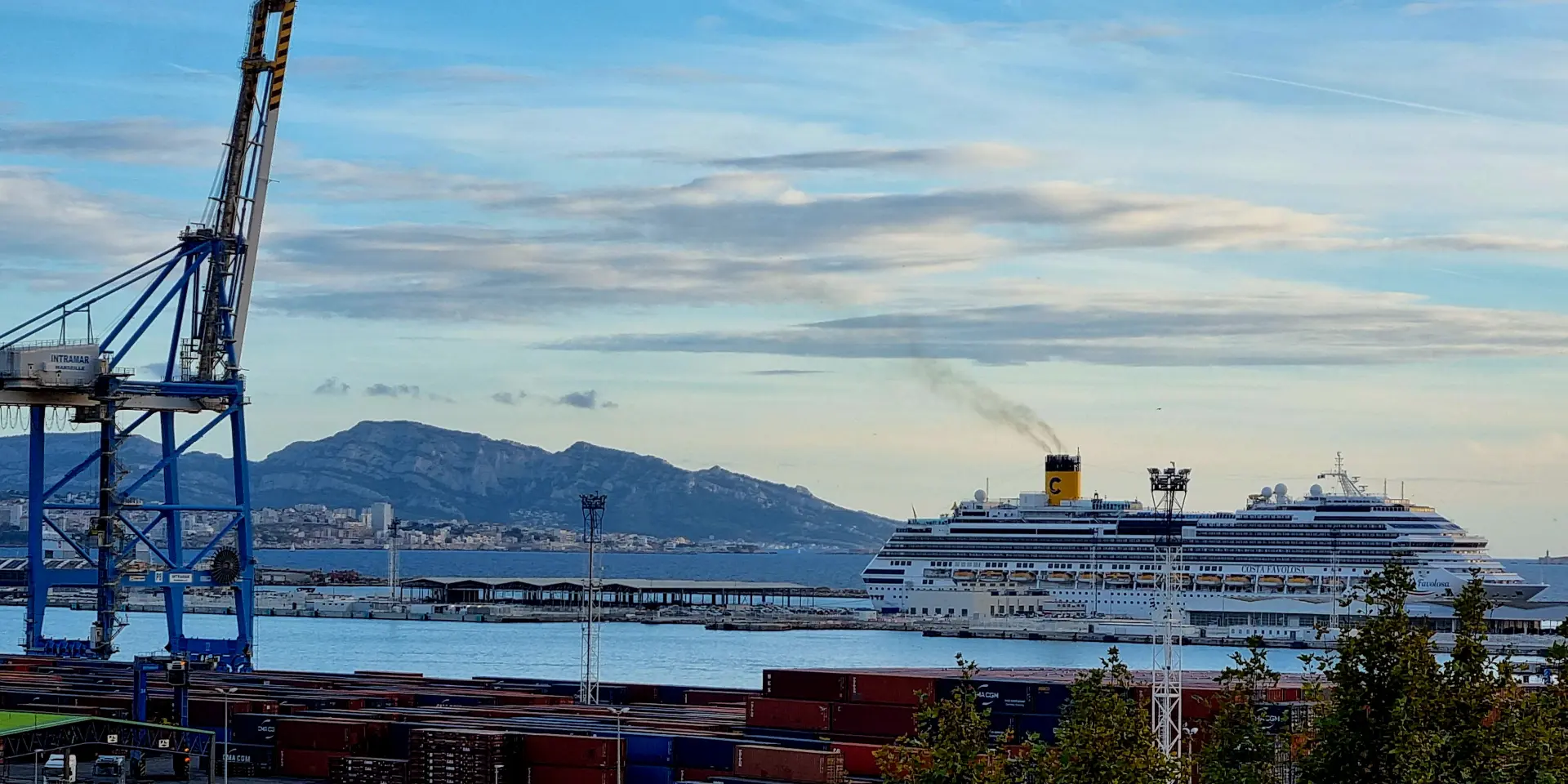
The creation of the Port of Marseille-Fos in the second half of the 20th century also helped to strengthen the role of the Mourepiane district as an industrial centre. The port became one of the largest in France and Europe, specialising in maritime trade, petrochemicals, logistics, passenger transport and cruise ships. Today, the Mourepiane district continues to play a key role in Marseille’s port and industrial activity.
An industrial and residential district

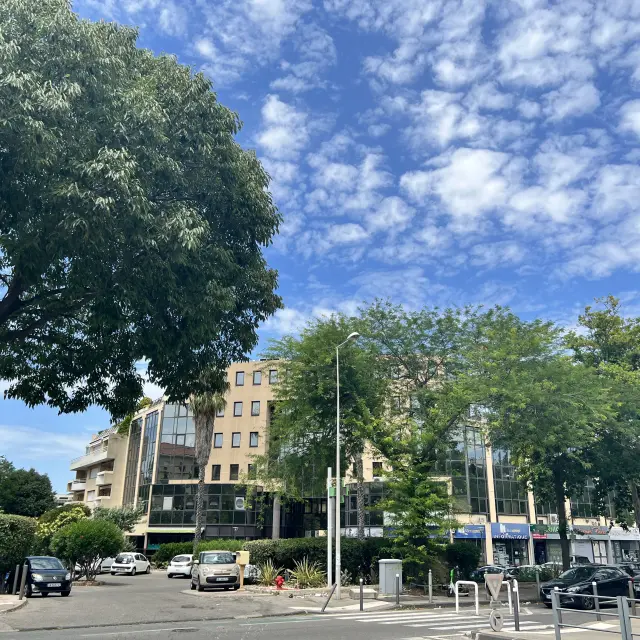
Mourepiane offers visitors a double face. Its business park is home to numerous companies in a wide range of sectors, including transport, logistics, industry and services. Impressive cruise ships call nearby.

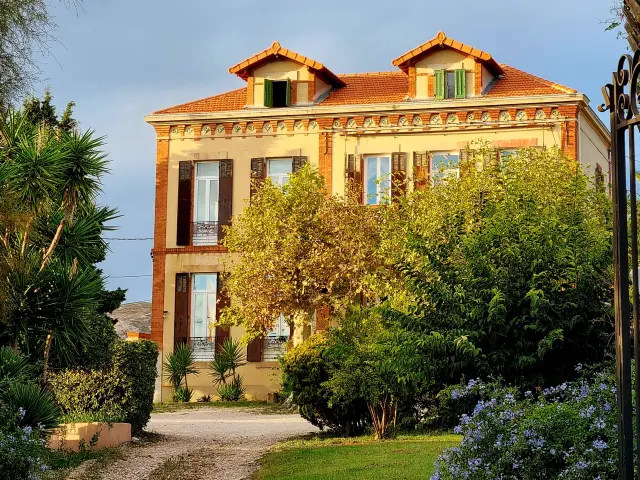
The narrow streets of the Mourepiane district are also home to detached houses with tree-lined gardens. Some properties offer panoramic views over Marseille harbour, the Frioul islands, the Joliette skyscrapers and Notre-Dame de la Garde hill.

Nature lovers can easily reach the Côte Bleue by car, or by boarding the Côte Bleue train, which stops at Estaque station. This coastal area between Marseille and Martigues is renowned for its creeks, beaches, sea beds, seaside resorts and small fishing and yachting harbours. Sea excursions invite you to discover this exceptional site in a different way. You can also try your hand at scuba diving and a host of water sports, including sea kayaking and paddle boarding. Prefer to stay on dry land? The Massif du Rove is criss-crossed by numerous hiking trails, and you may come across herds of free-roaming goats.

There are plenty of local shops and restaurants in Mourepiane and the surrounding areas. The tourist district of L’Estaque, in particular, is renowned for its panisses and chichis fregis, as well as its fish and seafood restaurants. Fancy a shopping spree? The Grand Littoral shopping centre, one of the largest in the region, is nearby.

Getting to the Mourepiane district

By bus
– Route 35: stops Littoral Vallouise, Littoral Mourepiane ;
– Routes 36 and 36B: Rabelais Frères, Rabelais Bourgade, Pol Roux Rabelais, Saint-Henri stops;
– Route 96: Pol Roux Rabelais, Eydoux Monjarde stops.

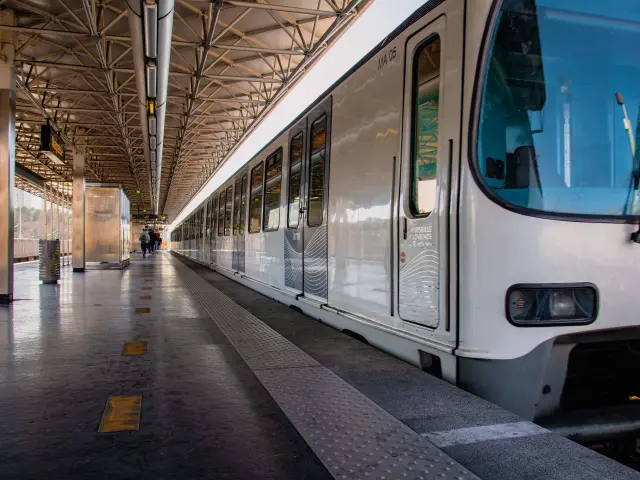
Connections with the metro and tramway make it easy to get around:
– Bus route 35 connects with metro line M2 (Joliette station) and tramway line T2 (Joliette station);
– Bus routes 36 and 36B connect with metro line M2 (Bougainville station).

By train
The Estaque SNCF train station is close to Mourepiane, giving you easy access to the seaside resorts of the Côte Bleue, or the Saint-Charles station, which is connected to the TER network in the south of France.