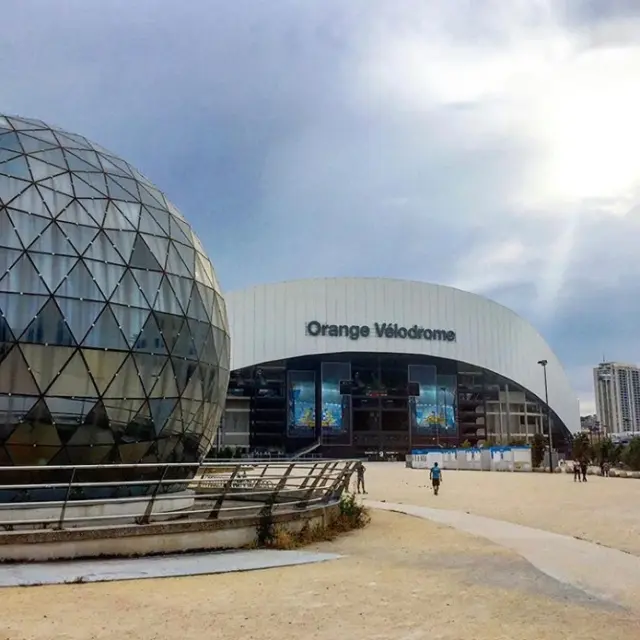
The history of the stadium
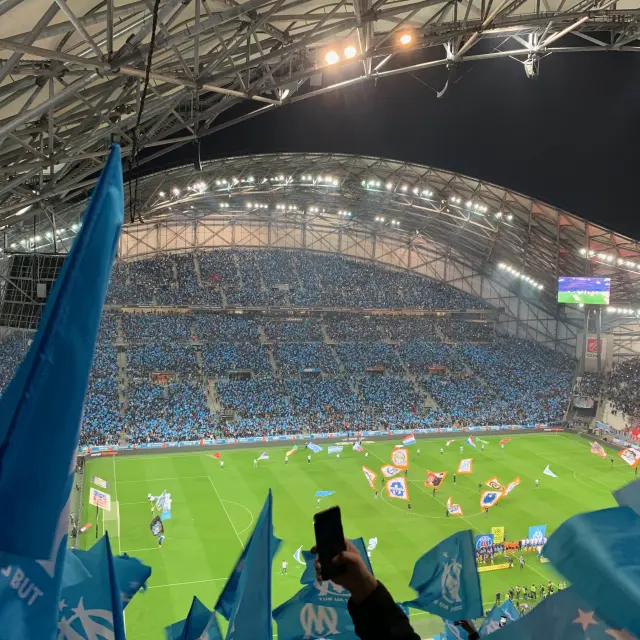
Its history began in 1937 with a sport other than football. As its name suggests, it was initially a velodrome. Little by little, other sporting events were organised there (the Tour de France cycle race, the world track cycling championships, athletics, gymnastics, boxing and rugby competitions). Families from Marseilles regularly attended all these events. This marked the beginning of a great relationship between the people of Marseilles and this magical venue.
In preparation for the European Football Championships in 1984, the stadium underwent a number of changes, with the Vélodrome track gradually disappearing and later being completely demolished to make way for bleachers.
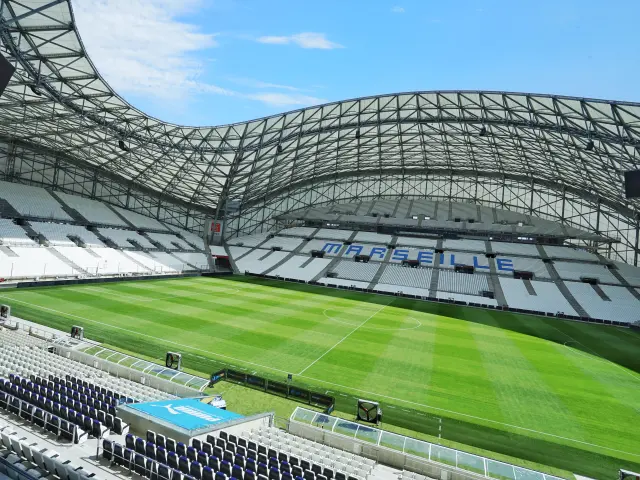
In July 1992, the Executive Committee of FIFA (Fédération Internationale de Football Association) awarded France the contract to organise the 16th FIFA World Cup. As some of the matches were to be held in Marseille, it was decided to extend the stadium. An architects’ competition was launched in May 1994, and architect Jean-Pierre Buffi’s project was selected. On 4 September 1997, the Stade Vélodrome played host to the “World of Football” with the draw for the World Cup finals. On 25 February 1998, the stadium was fully completed with the opening of the North Stand (Allées Ray Grassi).
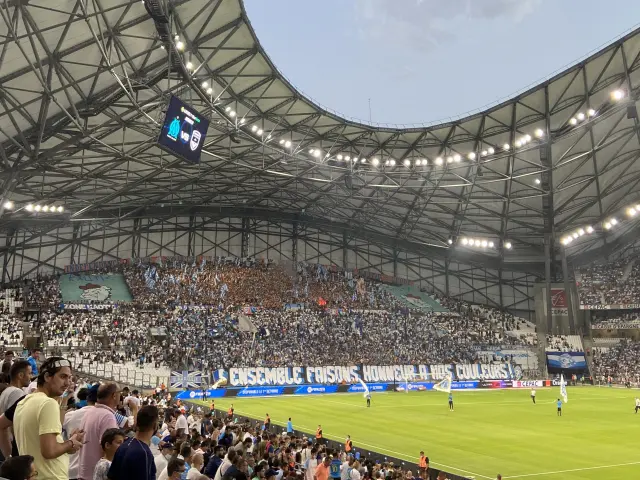
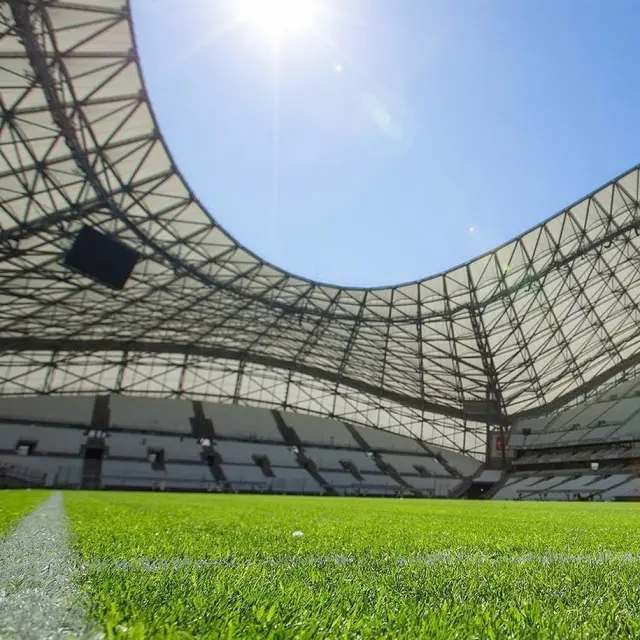
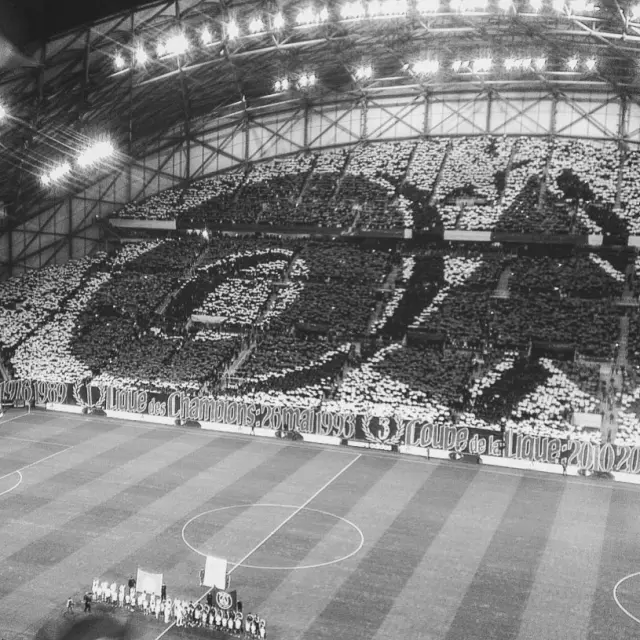
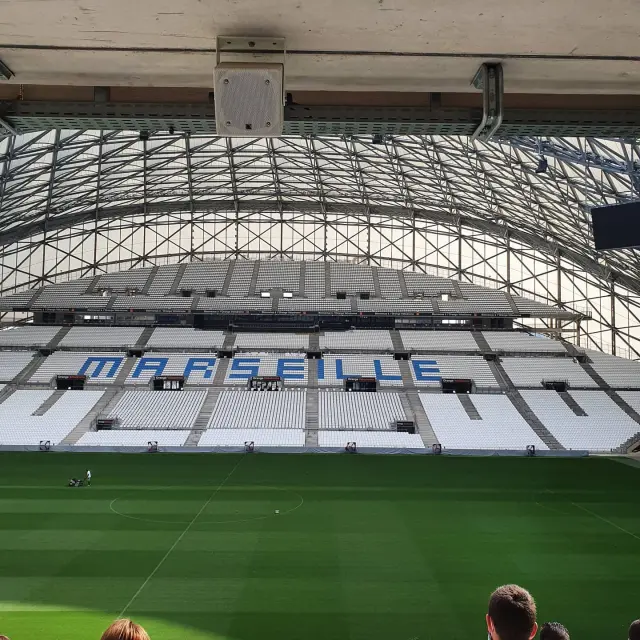
Over the years, the stadium has undergone a number of major changes. The European Nations Championship in 1984, the Football World Cup in 1998, the Rugby World Cup in 2007 and the Euro in 2016. Not forgetting major concerts by ACDC, Paul McCartney, the Rolling Stones, Muse, Beyonce and many more! The Velodrome has been transformed into a modern, state-of-the-art indoor stadium. It now seats 67,000 and meets the latest accessibility and energy standards.