ExploreThis iconic architectural masterpieceListed as a UNESCO World Heritage Site

‘Cité Radieuse’ of Le Corbusier

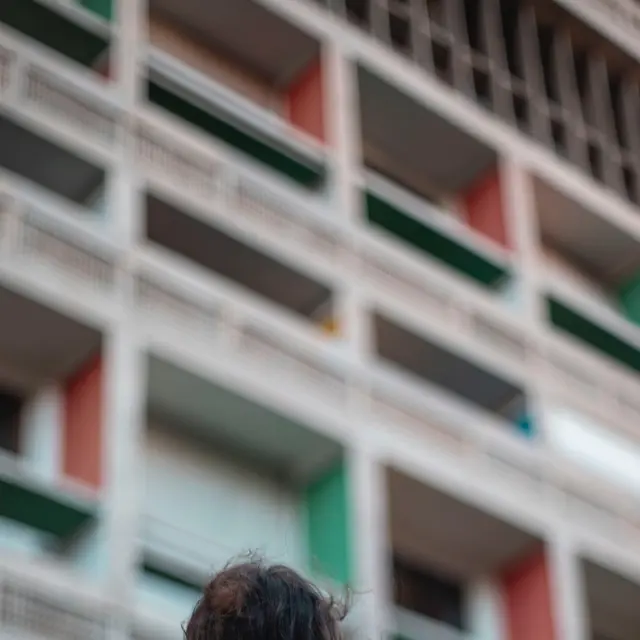
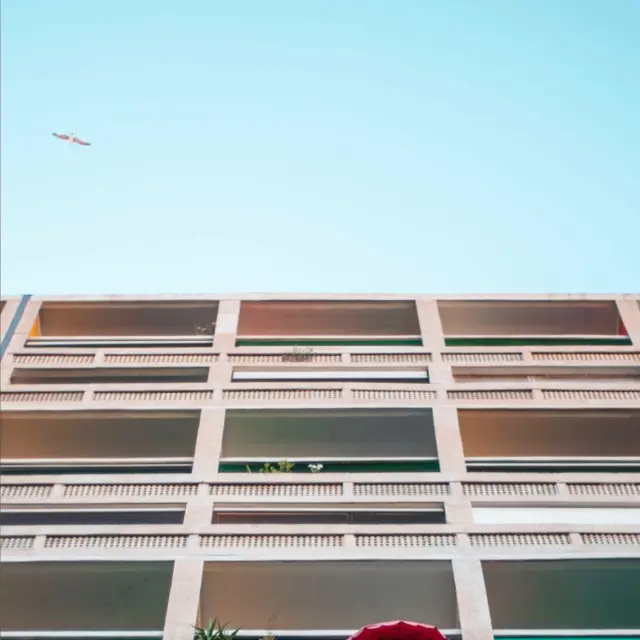
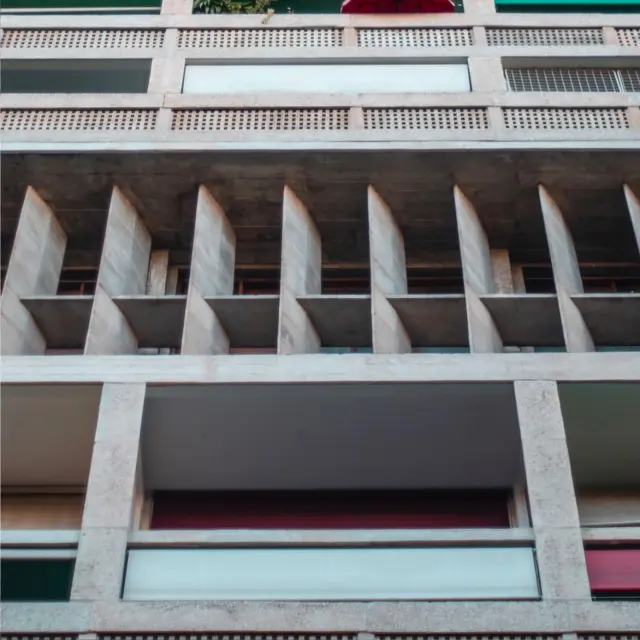
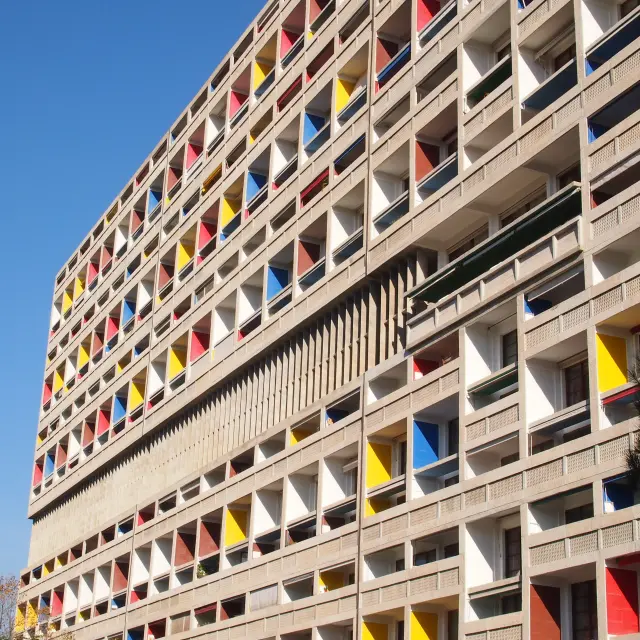
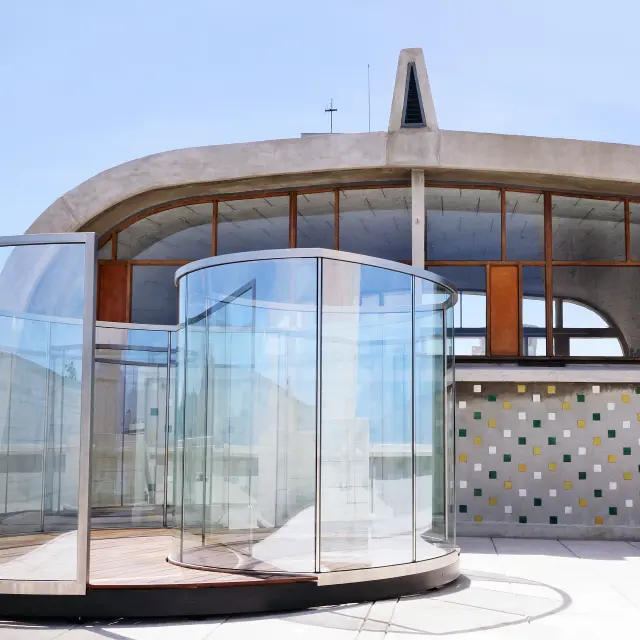
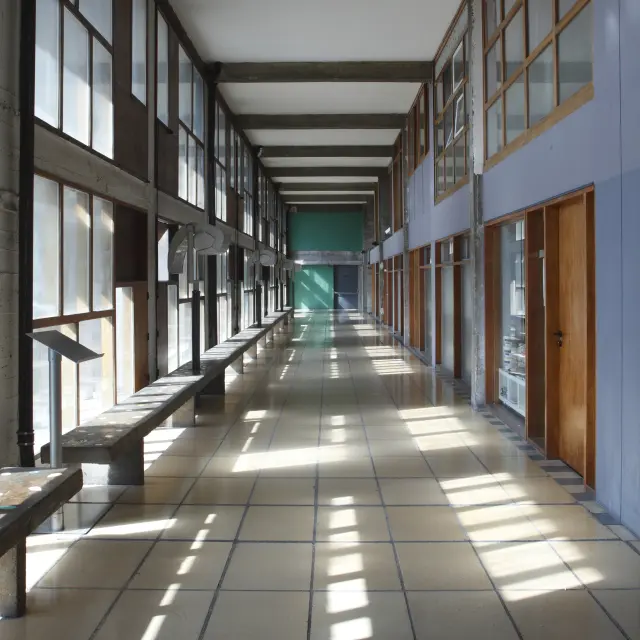
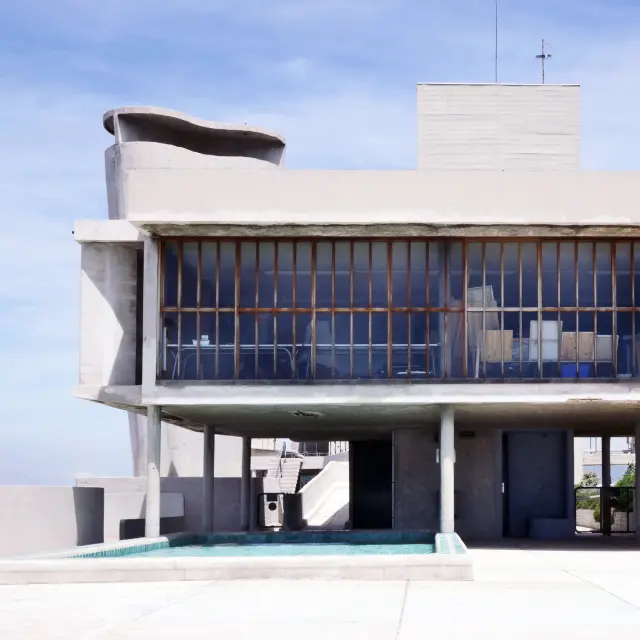
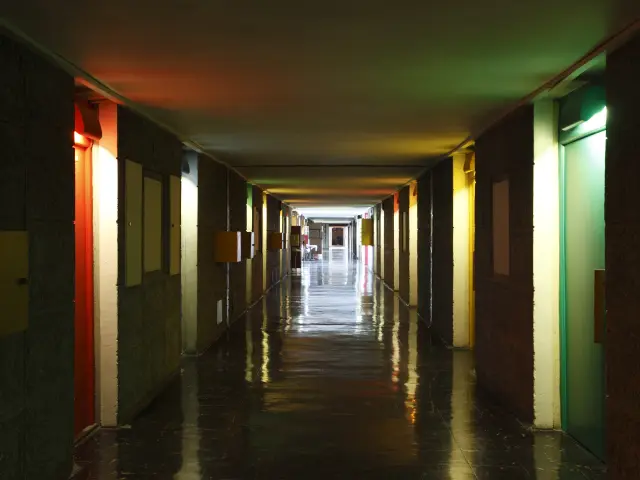
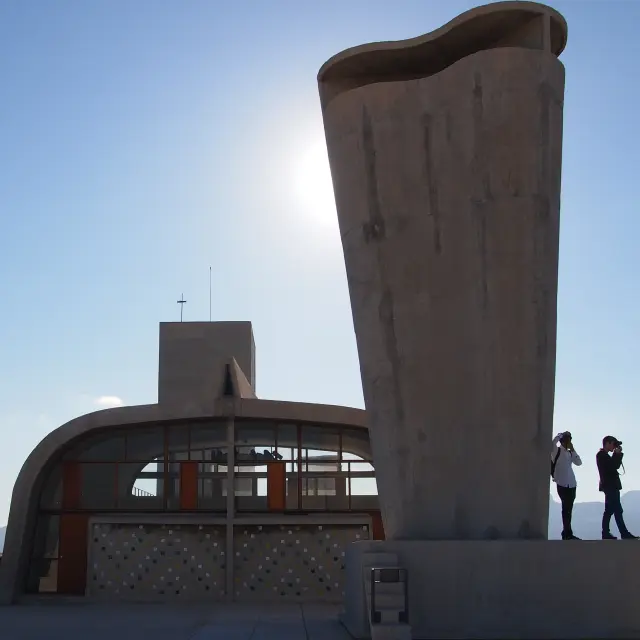
Listed as a UNESCO World Heritage Site, Le Corbusier’s Cité Radieuse is a must-see attraction in Marseille, available exclusively through the Tourist and Convention Bureau. This famous Unité d’habitation captivates visitors with its unique architecture, play of light, perspectives and colours.
Much more than just a residential block, the Cité Radieuse is a true architectural masterpiece, both creative and avant-garde. Designed to meet the needs of everyday life, this innovative 20th-century building exemplifies the vision of Charles-Édouard Jeanneret, known as Le Corbusier, to provide well-being and comfort for its residents.
Come and discover this iconic landmark in Marseille, whose architecture continues to fascinate visitors

A must-see in Marseille

A new housing concept

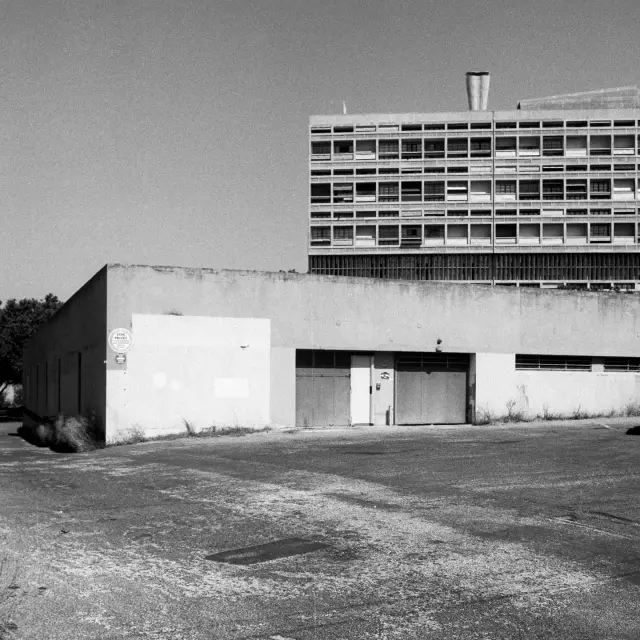
It is the work of the Swiss-born architect Charles-Edouard Jeanneret, better known as Le Corbusier. The first Unité d’Habitation (of a series of five), it was built between 1947 and 1952.

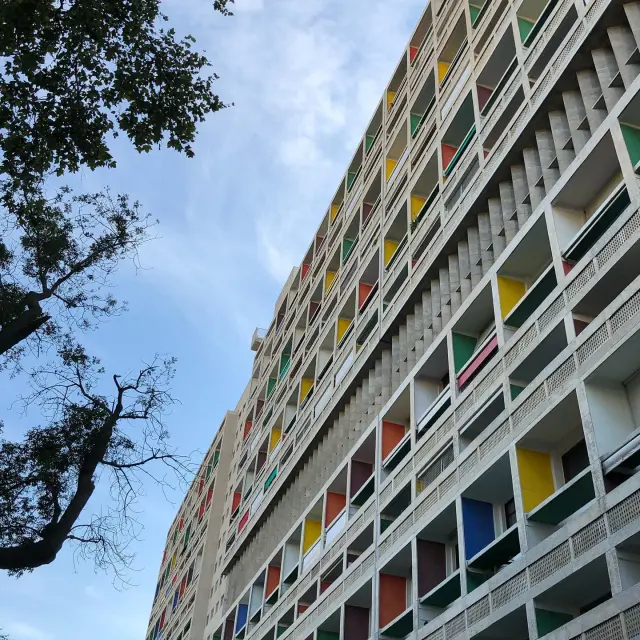
This vertical garden city – a complex of individual dwellings built on stilts and integrated into a collective structure – was designed as a laboratory for a new “housing system”. The Cité Radieuse comprises 337 flats, of 23 different types, all of which were comfortable and modern dwellings for their time.

A unique concept

In addition to these individual spaces are the numerous “extensions of the home”, designed to foster a new approach to communal living within the Cité radieuse. A vibrant community, the Cité radieuse offers visitors a wide range of shops and services.

Two internal shopping streets, the 3rd and 4th streets, featuring a bar-restaurant: Le Ventre de l’Architecte; a 3* hotel: Le Corbusier, a tea room called ‘l’Archi Gourmand’, a bookshop called Rupture & MaMo, an exhibition gallery dedicated to architecture called Kolektiv 313 and the Kolektiv 318 boutique, and Maison Mirbel ( Interior Art Design).

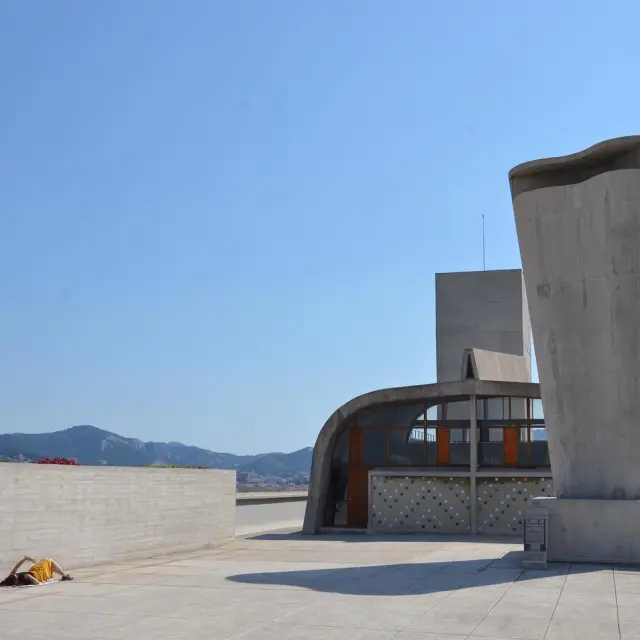
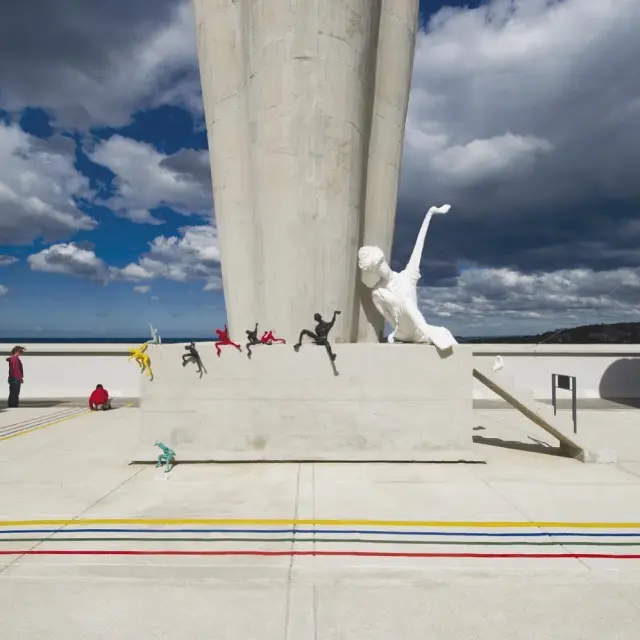
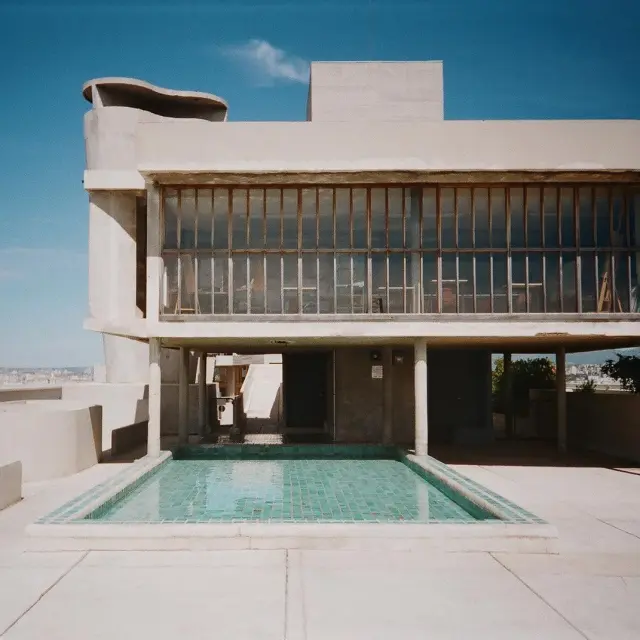
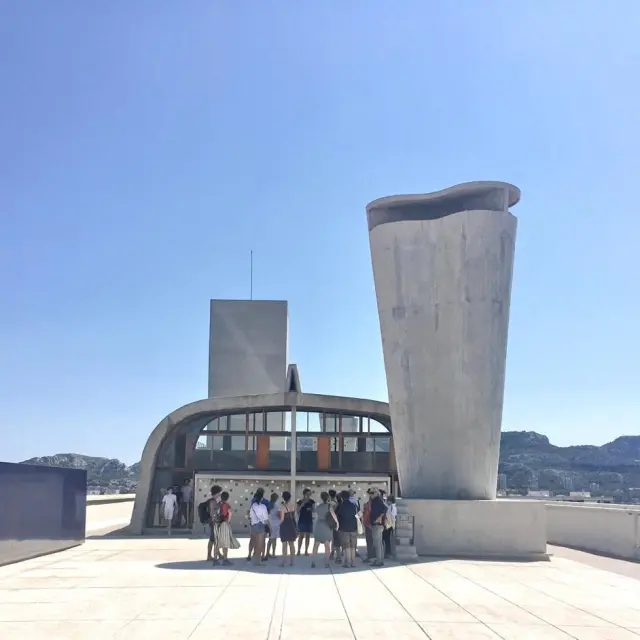
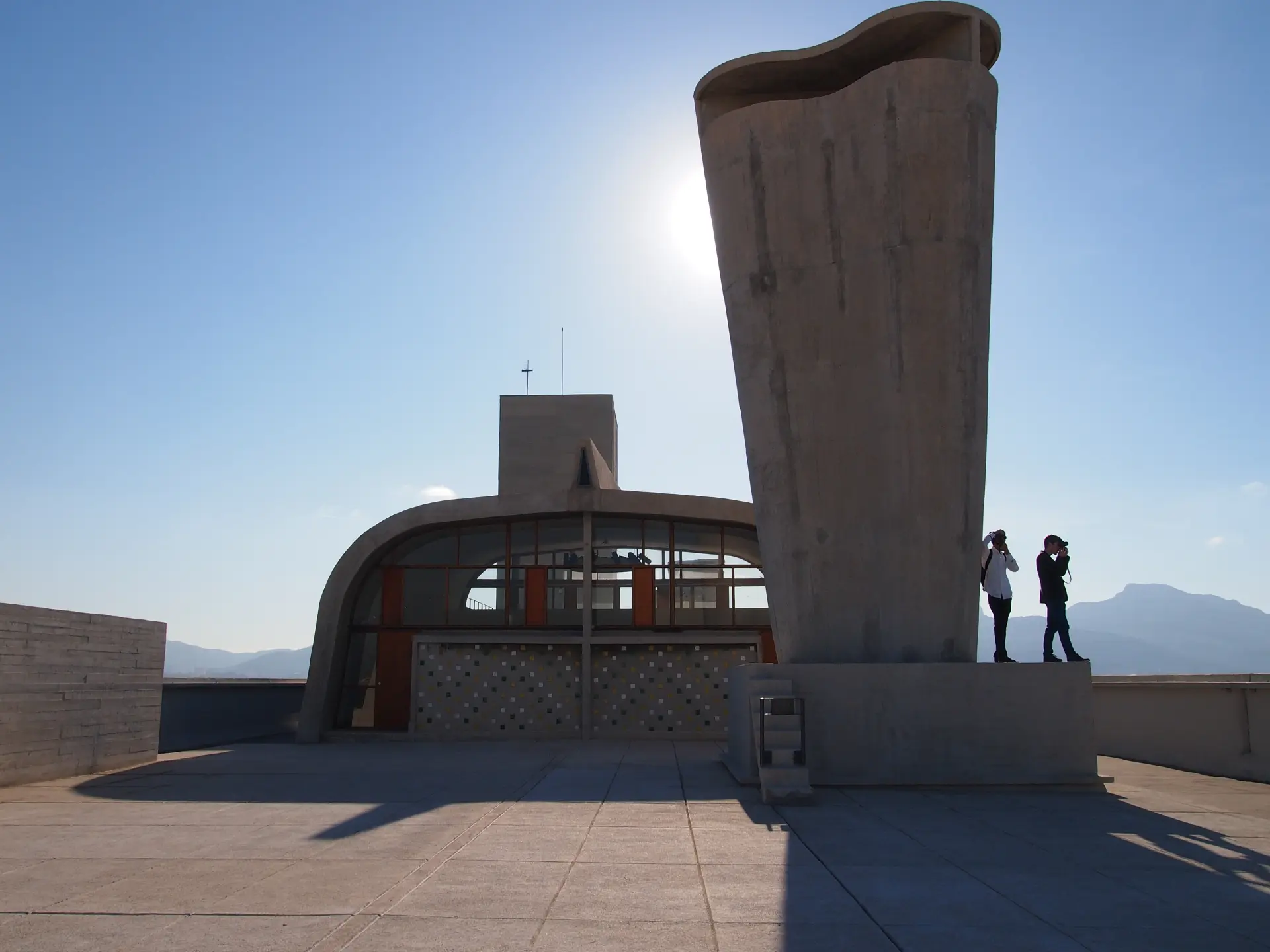
-On the roof terrace: a nursery school and a gymnasium which, since June 2013, has become the MaMo ( Centre for Contemporary Art), regularly hosting exhibitions under the direction of designer Ora-Ïto, and a running track encircling the roof.
The building is situated within a 2.8-hectare park surrounding the Unité d’habitation, which is open all year round.
Did you know?

The Tourist Office is offering you an exclusive opportunity to visit a flat in the Cité Radieuse – a listed historic monument – with a qualified tour guide!

Individual visitors are welcome to explore the areas open to the public at their leisure. As the building is a block of flats, all visits must be conducted with due respect for the residents.

This tour is also available for groups (minimum 10 people). For further information: groupes@marseille-tourisme.com

Association of UNESCO Sites in Provence

Provence is a region rich in heritage. The Chauvet Cave and Le Corbusier’s Cité Radieuse in Marseille are separated by 36,000 years, but only 150 kilometres!

Sites listed as UNESCO World Heritage Sites, such as the Cité Radieuse, the Ancient Theatre and the Arc de Triomphe in Orange, the historic centre of Avignon (including the Palais des Papes, the Saint-Bénezet Bridge, the ramparts, the Basilica of Notre-Dame des Doms and the Petit Palais Museum), the Pont du Gard, the Roman and Romanesque monuments of Arles, and the Abbey Church of Saint-Gilles du Gard have decided to jointly promote their cultural heritage to both French and international visitors.

Watch the film about Provence’s UNESCO sites

European Cultural Route

La Cité radieuse has been part of the European Cultural Route ‘Le Corbusier Destinations: Architectural Walks’ since 2019.
This cultural project is supported by the Le Corbusier Foundation and organised by the Association des sites Le Corbusier: www.sites-le-corbusier.org
Le Corbusier in the region: Discover another of Le Corbusier’s works, just 2½ hours from Marseille: Le Cabanon in Roquebrune-Cap Martin

“Marseille does not reveal itself; it is discovered”. That is why the Bouches-du-Rhône Architects’ Association invites you to join them on this journey to (re)discover some of the city’s contemporary architectural treasures, to decipher its built environment, its neighbourhoods and its atmospheres…This is the idea behind the architectural walk.
Find out more here