What is sustainable tourism?
According to the World Tourism Organisation (UN Tourism), sustainable tourism is ‘tourism that takes full account of its current and future economic, social and environmental impacts, by meeting the needs of visitors, professionals, the environment and host communities’. Defined by Agenda 21 in 1992, its aim is to ‘make the improvement of environmental and social conditions resulting from tourism development compatible with the maintenance of development capacities for future generations’.
Sustainable tourism is not a practice, but an approach that can be adopted by any tourism operator by integrating the principles of sustainable development – environmental, economic and social – into its management or the services it offers. Sustainable tourism must be ecologically sustainable in the long term by making optimum use of environmental resources, preserving essential ecological processes and helping to safeguard natural resources and biodiversity; economically viable by ensuring economic activity with socio-economic benefits equitably distributed among all stakeholders; and ethically and socially equitable by respecting the socio-cultural authenticity of local communities, preserving their cultural and living heritage and their traditional values.
All those involved in tourism – accommodation providers, restaurateurs, leisure professionals and towns and cities – have a major role to play in the development of the sector. Their aim is also to raise travellers’ awareness of sustainability issues and get them involved by proposing solutions for responsible behaviour.

Marseille: a sustainable tourism destination
At a time when tourists are looking for new ways to travel ecologically, Marseille is committed to offering a tourist experience that respects the environment and the local community. Since 2020, the city’s ambition has been to encourage, federate and support the tourism ecosystem towards more responsible and sustainable tourism. It joined the GDS-Index in 2021 (the annual global benchmark for responsible tourism) and was awarded the Innovative and Sustainable Destination label (Label DID) in 2022, meaning that Marseille is able to welcome tourists under favourable conditions while limiting the negative impacts associated with tourism activities.
In recent years, it has developed initiatives to promote sustainable tourism. The city and the Marseille Convention, Leisure and Visitors Bureau are working with and supporting the city’s tourist accommodation professionals to acquire the internationally recognised Green Key international label. The aim of this scheme is to expand the network of accommodation providers who have already been awarded this label. To be awarded the label, accommodation providers must follow an eco-responsible approach and comply with a number of criteria in different areas, particularly in terms of raising awareness of the environment and managing water, energy and waste. The Clef Verte criteria are regularly re-evaluated to meet the new environmental requirements of the Fondation pour l’Education à l’Environnement (FEE) internationally and Teragir in France.
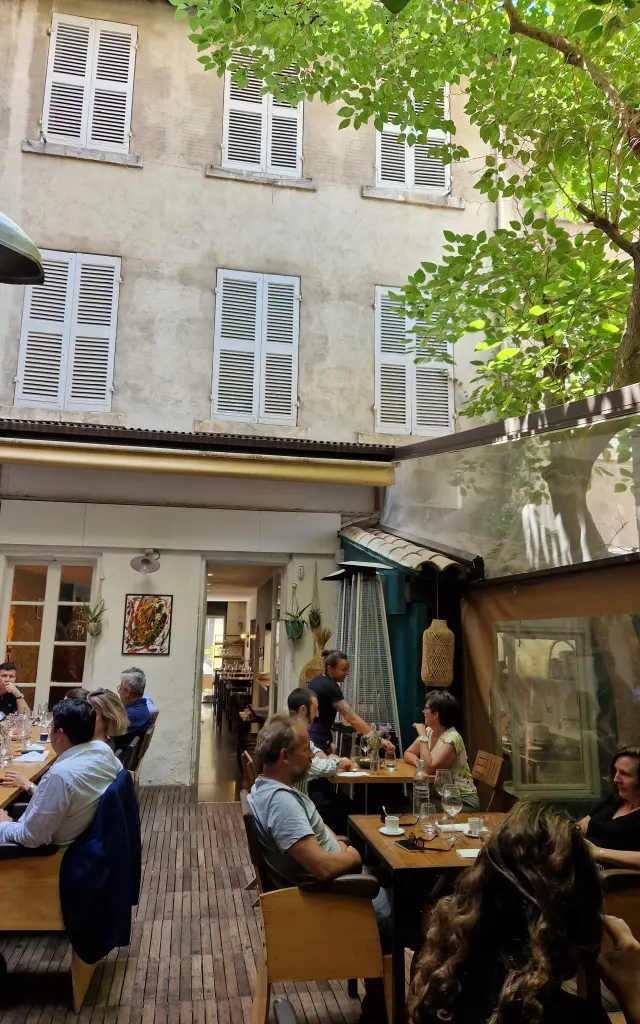
Marseille also works closely with local businesses to strengthen the local economy and support initiatives in favour of sustainability and ecology. The Marseille Tourism, Leisure and Convention Bureau, with the help of the Southern Region, provides financial and logistical support for restaurant owners to acquire the Ecotable label. It rewards restaurants that commit to offering a sustainable catering offer.
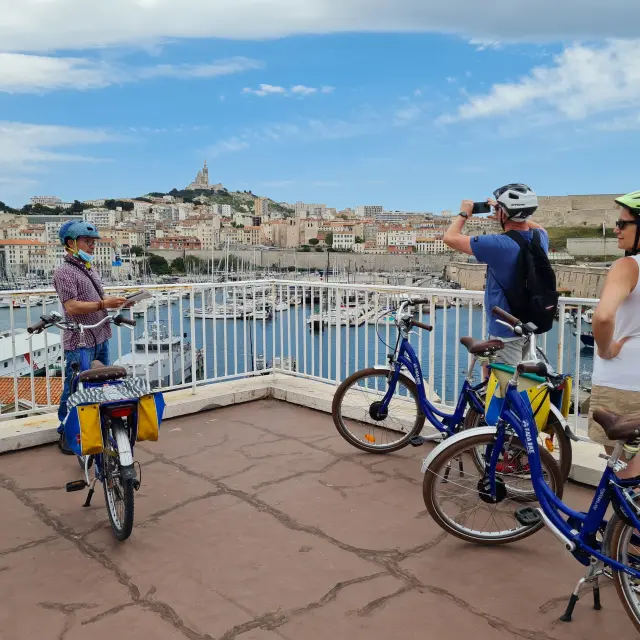
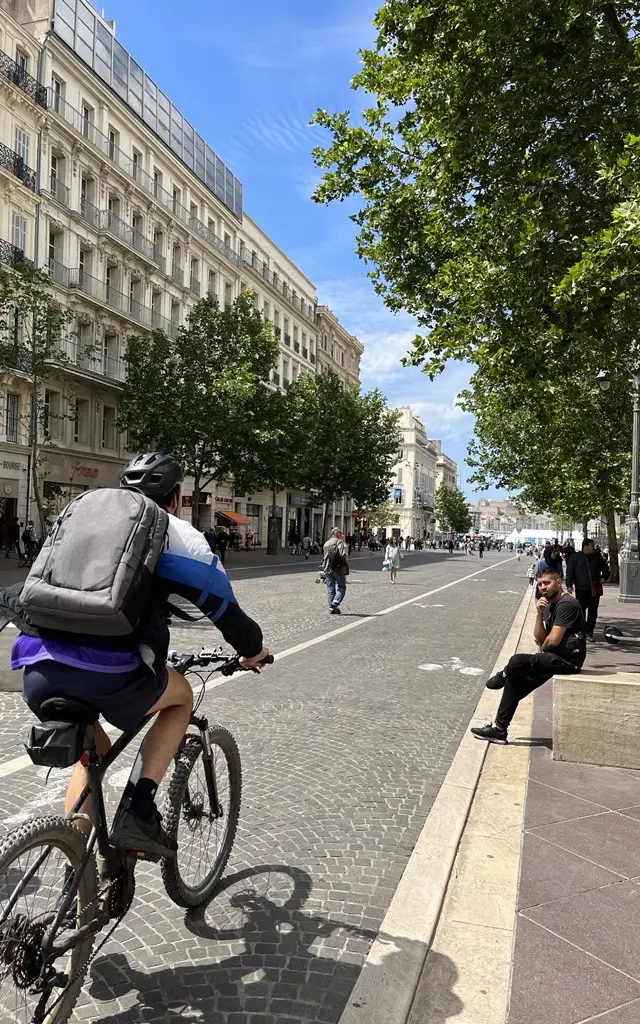
The city encourages travellers to take a responsible approach to transport, offering sustainable transport options. There are self-service bicycles and electric scooter stations in the city, located near the metro stations. The city has also introduced bicycle lanes to allow non-motorised two-wheelers to travel easily and safely. Other public transport services include bus, metro and tram services, which cover a large part of the city and make inter-city journeys easier.