




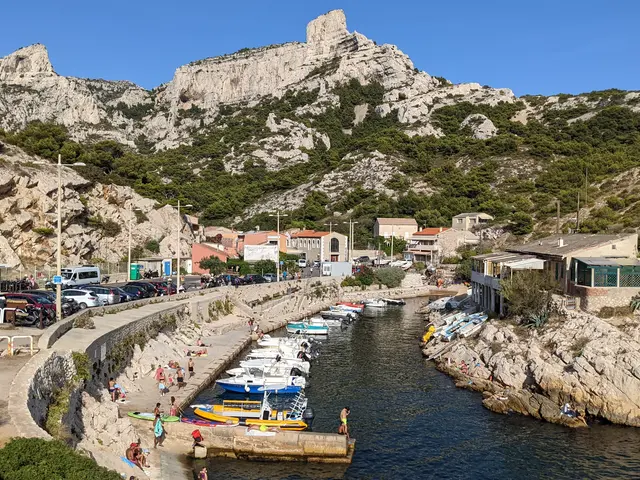
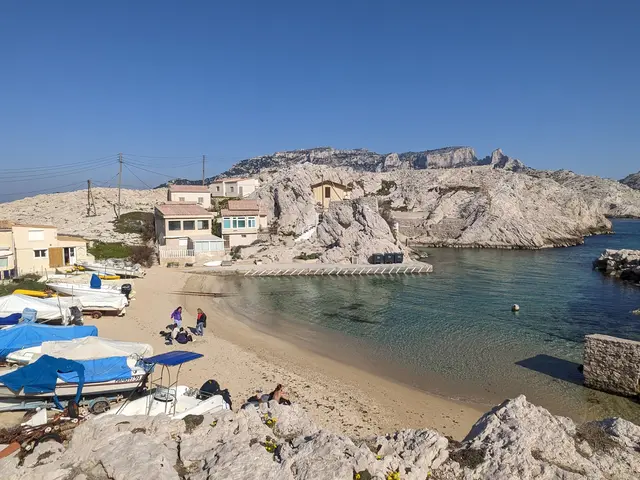
1Calanque de Callelongue
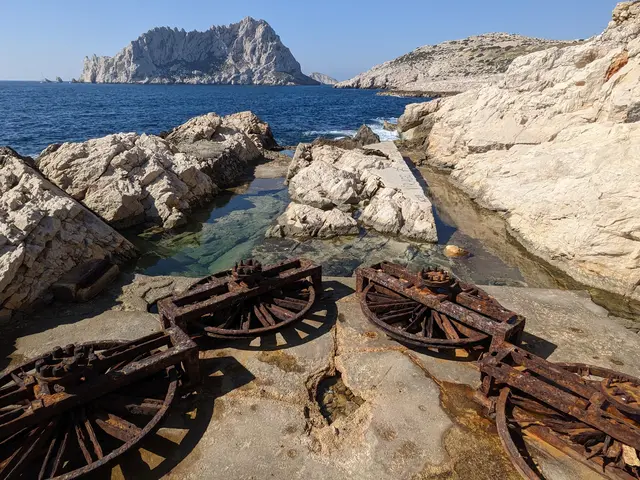
2Remains of the Telescaphe
It was a system of underwater cable car cabins that enabled visitors to explore the seabed between this point and the island of Maïre over a distance of 500 metres and a depth of around ten metres. It was the slightly mad project of two French ski lift engineers who wanted to make access under the sea possible for everyone. Unfortunately, the project only worked for a year, in 1967.
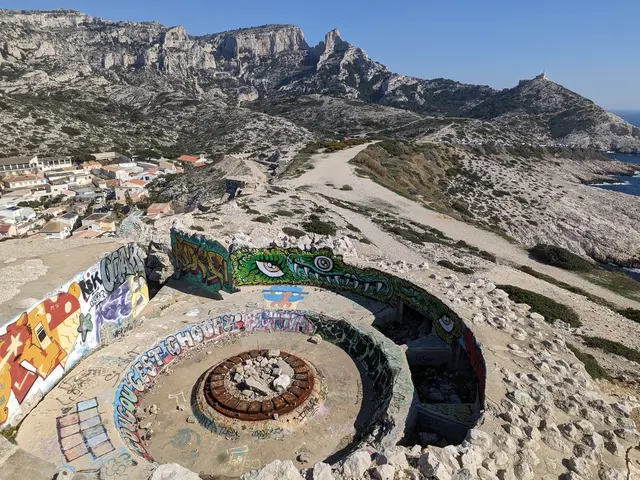
3Military remains, German bunkers
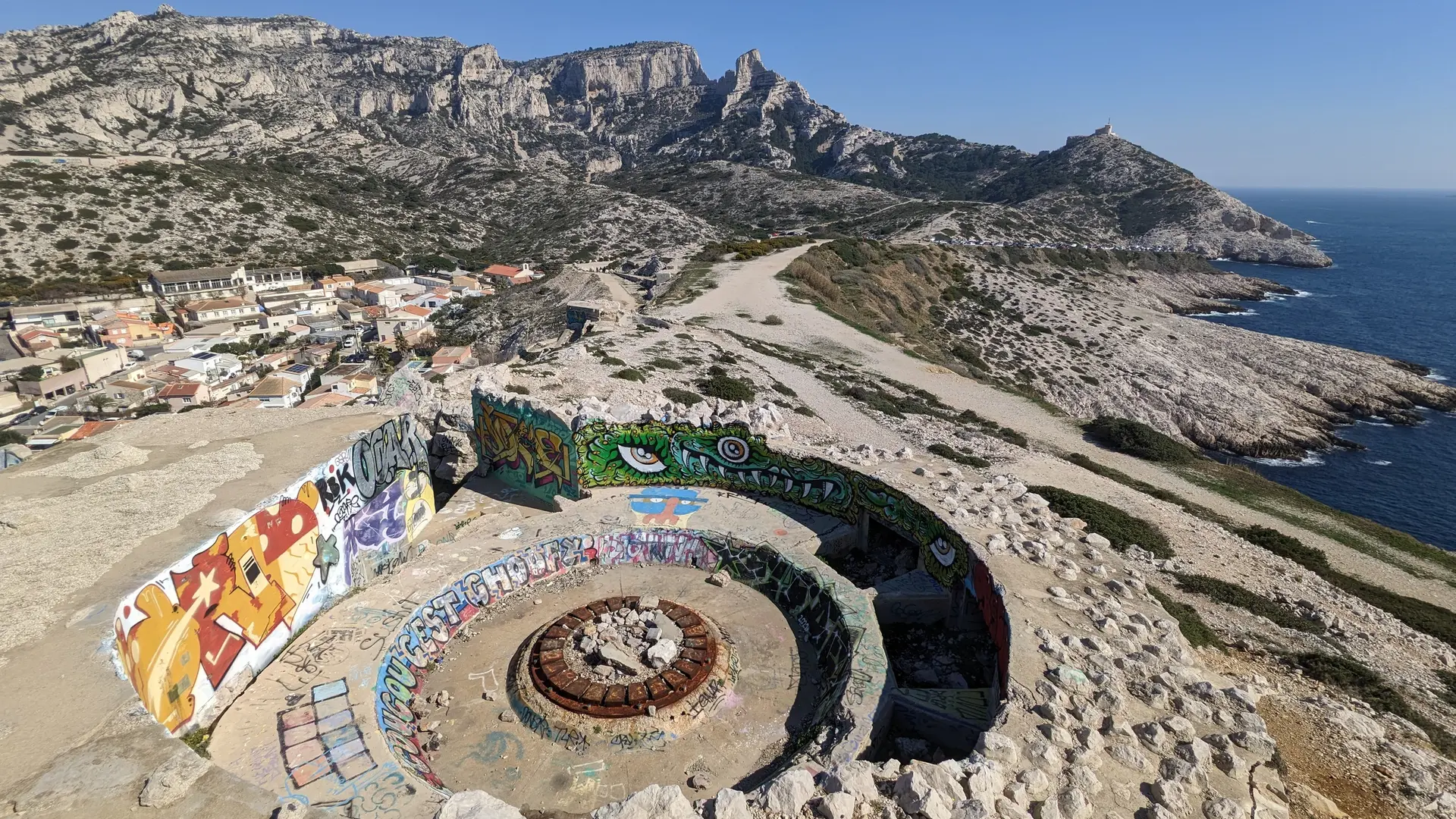
They were reused by Hitler's army during the Second World War as part of the Mediterranean Wall, a system of coastal fortifications between the towns of Cerbère (in the Pyrénées Orientales) and Menton (Alpes-Maritimes), designed to prevent an invasion by the Allies.
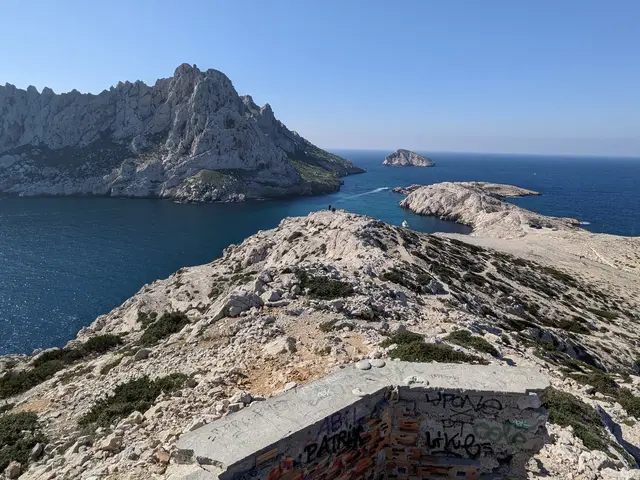
4Panoramic viewpoint
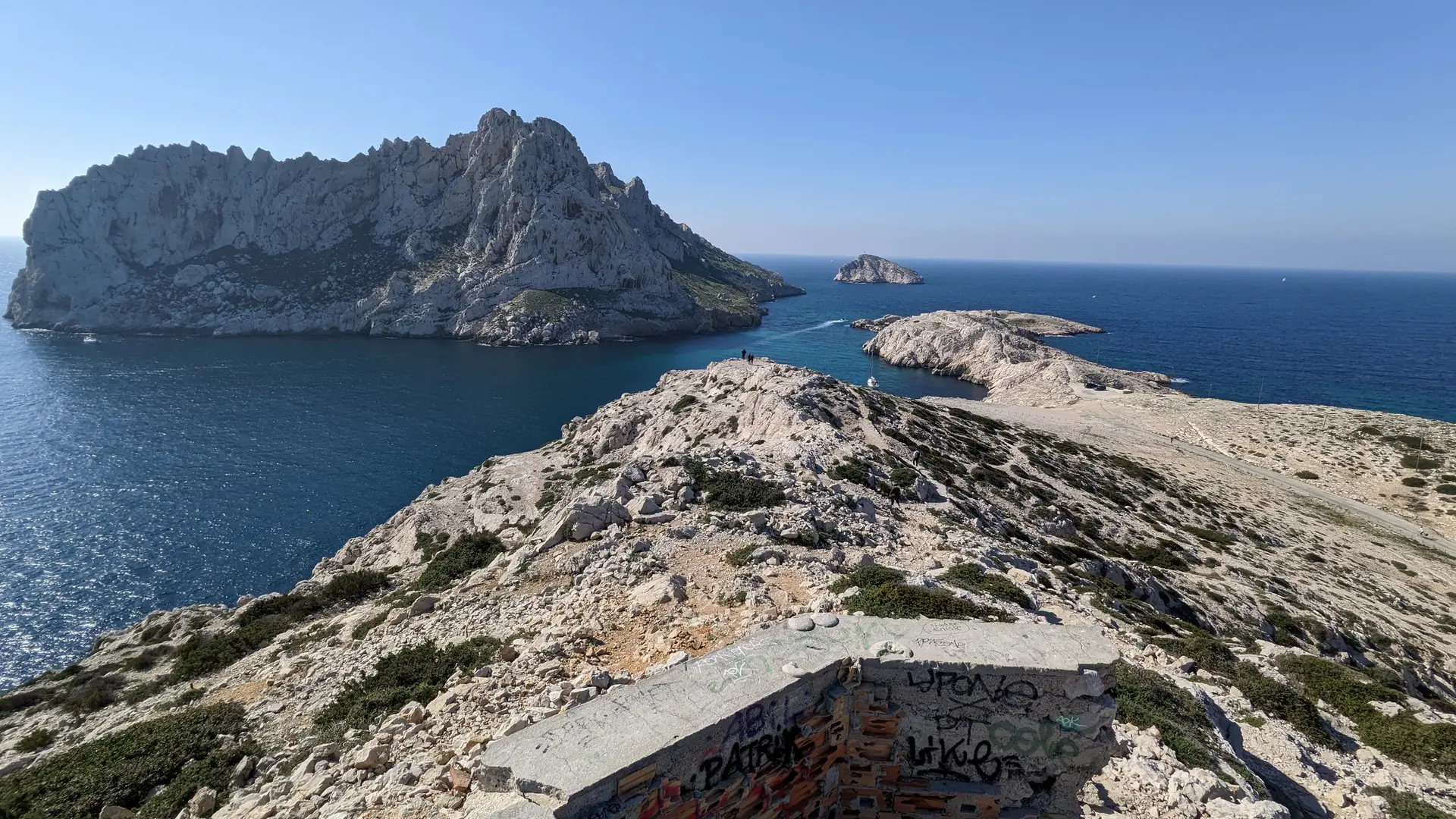
Admire the view of Île Maïre, the Passage des Croisettes, Tiboulen de Maïre (also known as Tortoise Island because of its shape) and the Anse de la Maronaise.
Île Maïre is originally a very large boulder that broke away from the Marseilleveyre massif and fell backwards. The channel separating it from the mainland is 80 metres wide. Do not attempt to swim to the island, as access is not permitted, as there is heavy sea traffic and the current is dangerous. The non-visible side of the island was the scene of a tragic maritime accident in 1907: the sinking of the Liban, which was rammed on its starboard bow by another ship, the Insulaire, as it left the port of Marseille. The wreck is still visible to divers. As a result of the collision, the ship sank in less than twenty minutes, drowning more than a hundred passengers trapped under a huge tarpaulin that protected them from the sun.
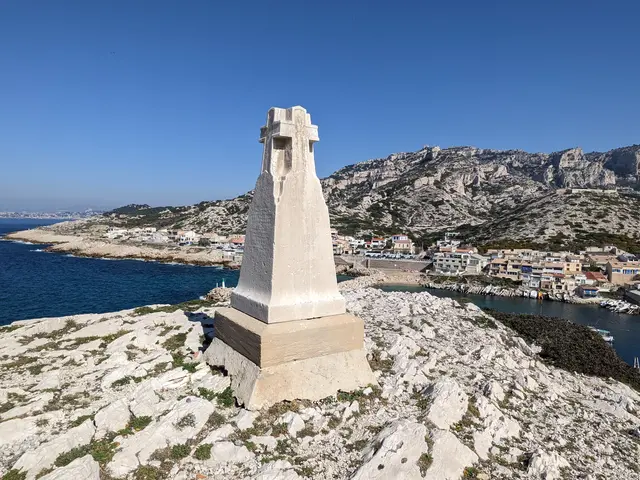
6Calvary in memory of Abbé Urbain Legré (1863-1923)
This little monument was 100 years old in 2023. Urbain Legré was educated by the Jesuits, and mathematics and natural sciences were his favourite subjects. When he was admitted to the Ecole Polytechnique, he changed his path and entered Holy Orders. Like his father, he had a lifelong passion for botany. He was also vice-president of the famous French Alpine Club, the CAF. Today he remains a well-known figure as a precursor of scouting and naturism. In 1907, he obtained permission from his superiors to take his pupils (all boys) to swim naked in the calanques. He died of a stroke while bathing in the sea on 12 July 1923.
Bernard Tabateau, a former member of the Abbé's group and now an architect, designed the cross on the Calvary. The text on the cross, which is illegible today, reads: "May this cross, overlooking Les Goudes, remind everyone of the holy priest, the scholar and the valiant excursionist who led so many young people there for so many years, and who died there one summer evening, by the sea, in this Provencal setting that he loved so passionately". Sources for this information: Thanks to Jean-Marc Nardini of the association Les Calancoeurs and Bruno Saurez of the association naturistes calanques.
7Extension to Cap Croisette
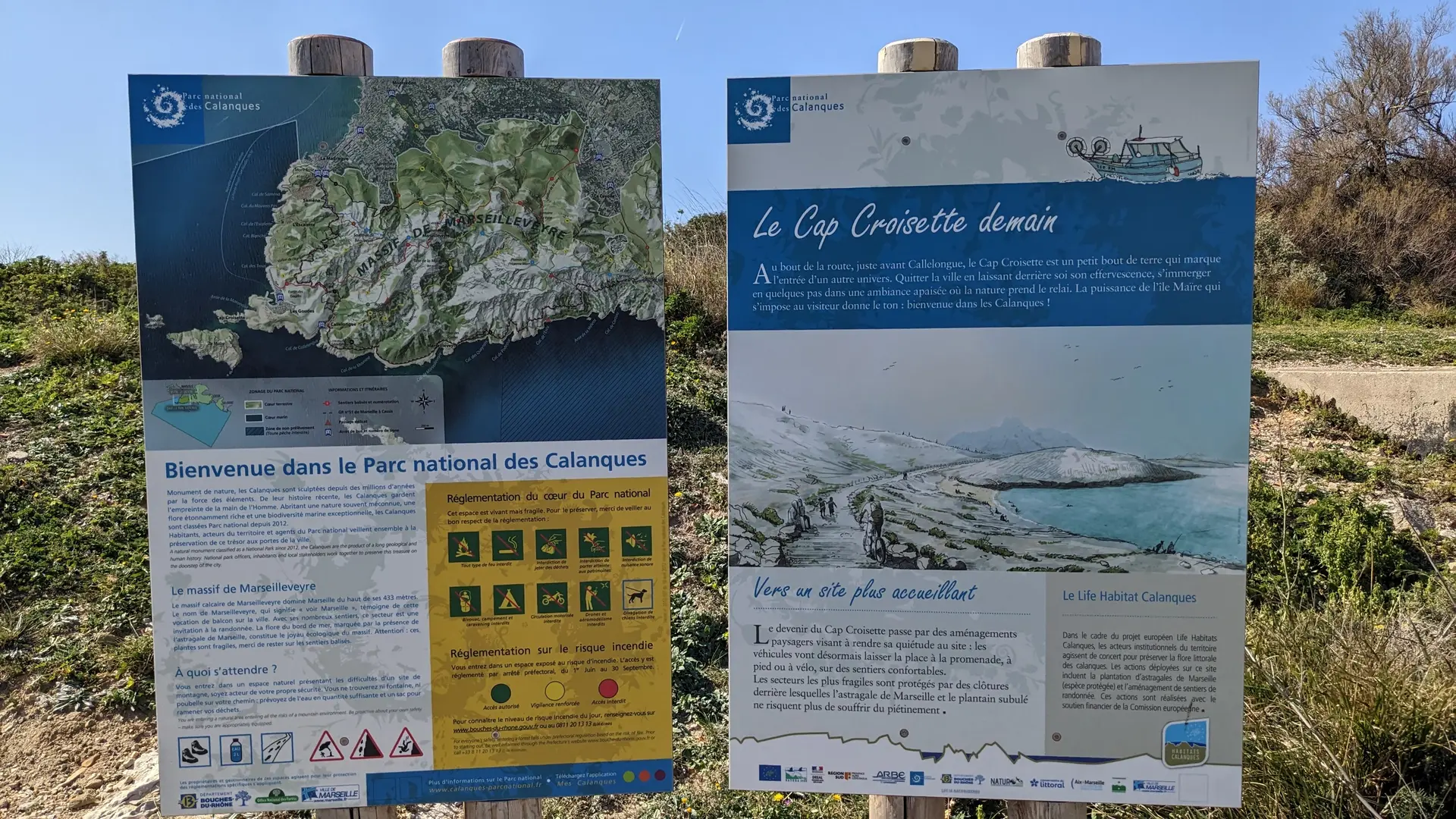
Motivated walkers could add a little diversions here to discover Cap Croisette and the Baie des Singes. Nothing could be easier. When you reach the road, take it to the left; it climbs a little. At the end, you'll find yourself facing Île Maïre and then you'll discover a small path made up of a number of irregular steps that really allow you to reach the end of the world. Here, you can see the world without leaving France, because according to the authors of the book of the same name published by Hachette, Cap Croisette bears a striking resemblance to the island of Milos in the Cyclades in Greece.
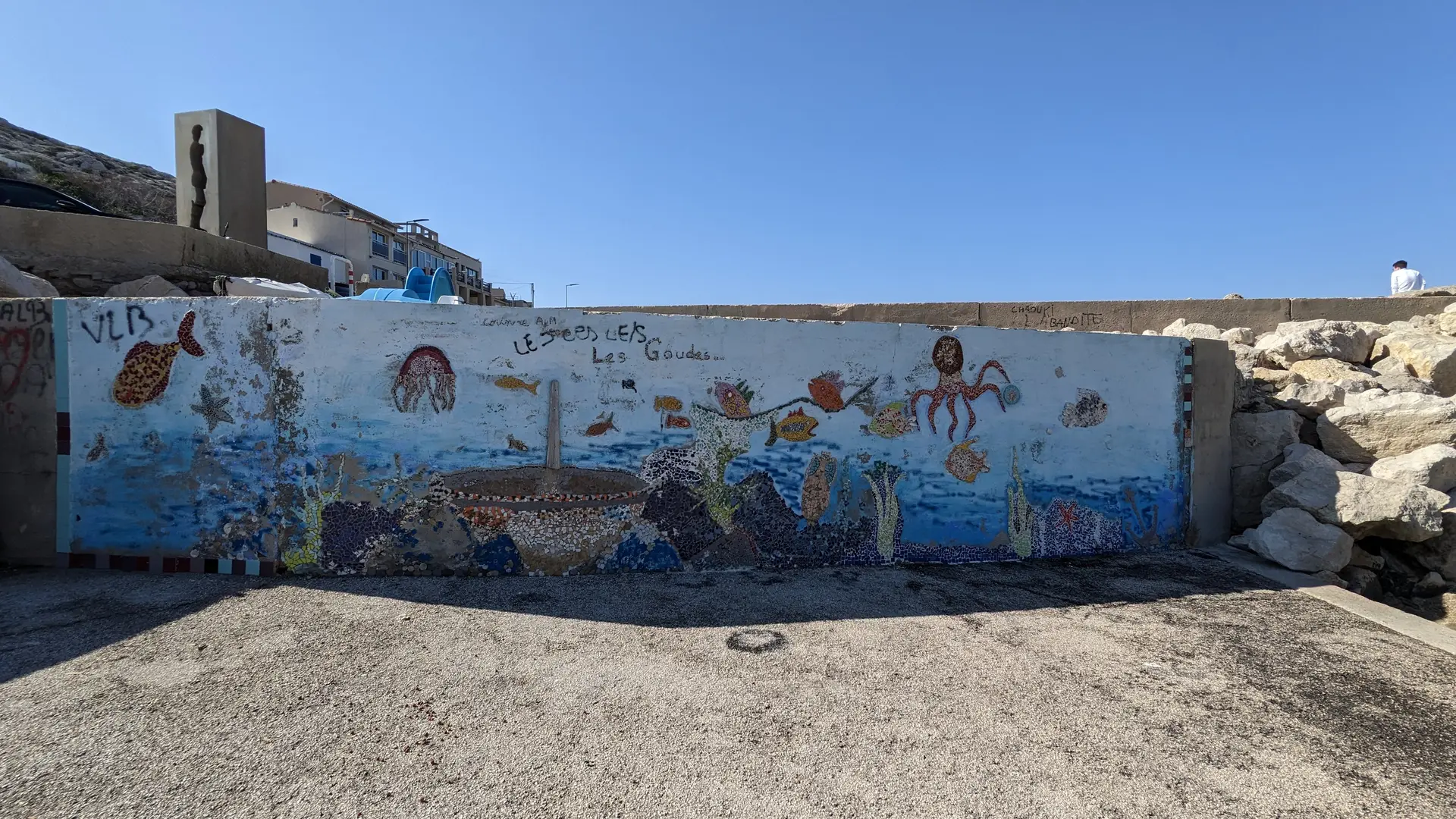
8Crack Concrete
This silhouette resembles Michelangelo's famous David, which can be seen at the end of Avenue du Prado. It was created by Boris Chouvellon in 2013, when Marseille was European Capital of Culture. And as part of the "rendez-vous aux Davids", thirteen contemporary sculptures whose theme was to have a link with the "classical David" were placed in different locations in the 6th and 8th arrondissements of Marseille.