VisitThe 'Palais Longchamp'Marseille's water reservoir

‘Palais Longchamp’

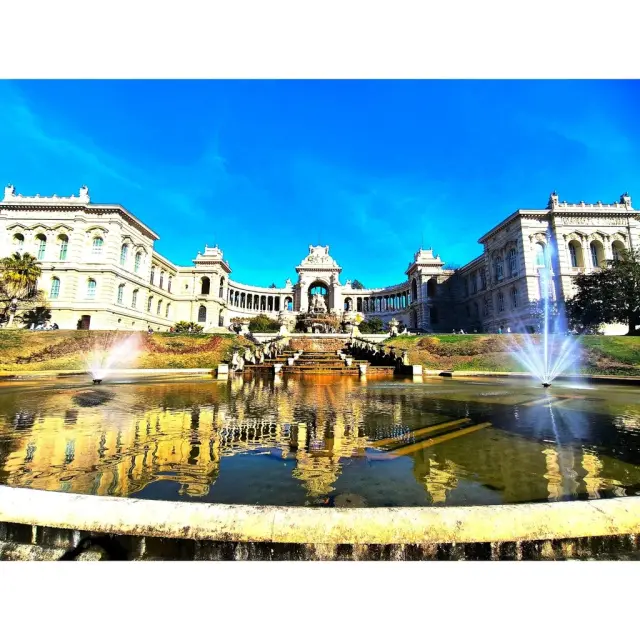
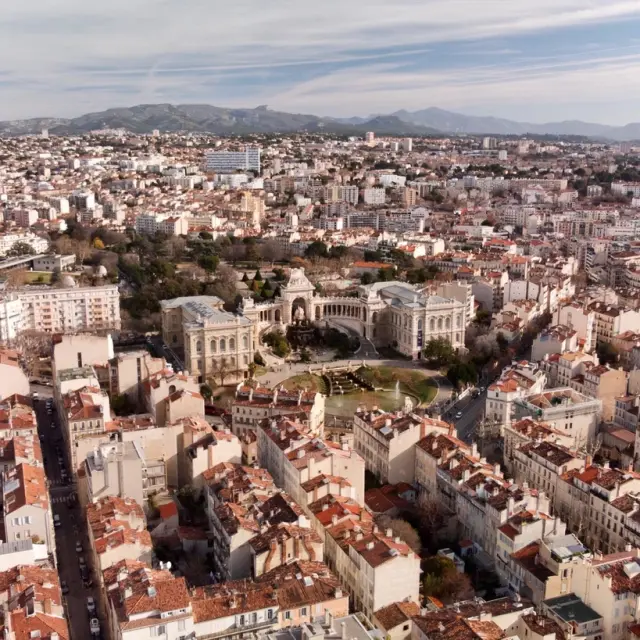
The Palais Longchamp is one of Marseille’s must-see landmarks. Set within a magnificent park, it was built to celebrate the arrival of running water in the city and is a true architectural masterpiece.

In 1835, a cholera epidemic struck Marseille due to a lack of drinking water. In the wake of this crisis, civil engineer Franz Mayor de Montricher brought to fruition a project first conceived in the 16th century: to dig an 85-kilometre canal to carry water from the River Durance to the city.

After ten years of construction (1839–1849), water finally reached Marseille. The architect Henri Espérandieu, who also designed the Basilica of Notre-Dame de la Garde, then conceived the Palais Longchamp, a monumental complex built between 1862 and 1869 to celebrate this event.

A multifaceted place

Remarkable architecture

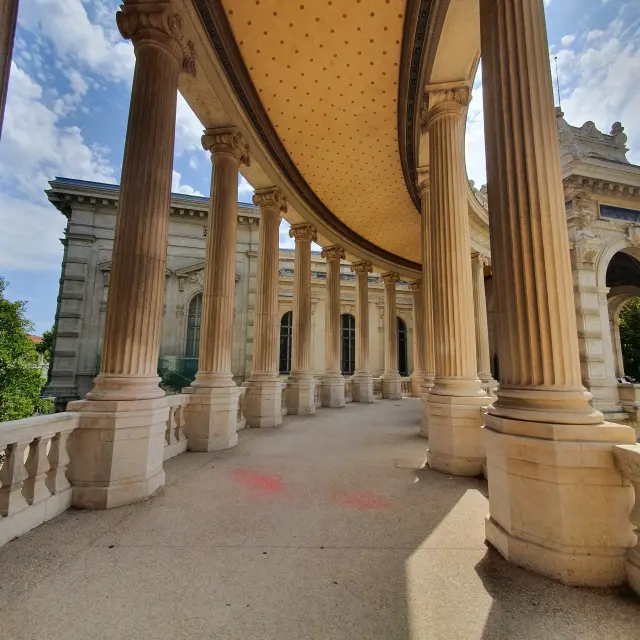
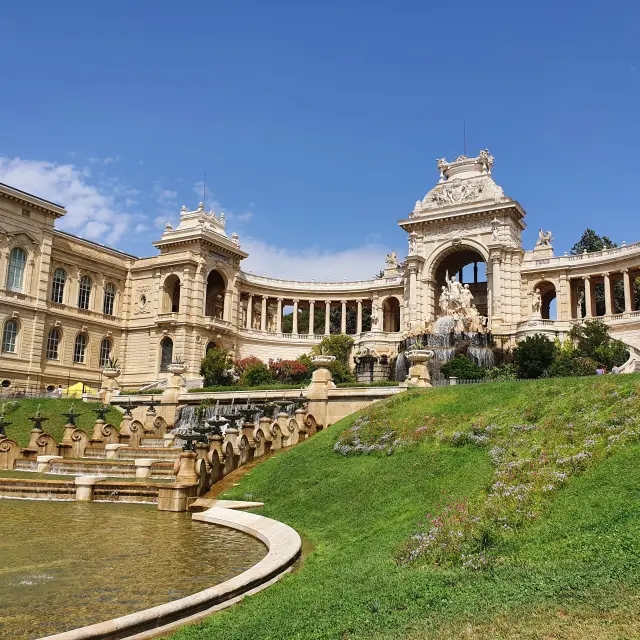
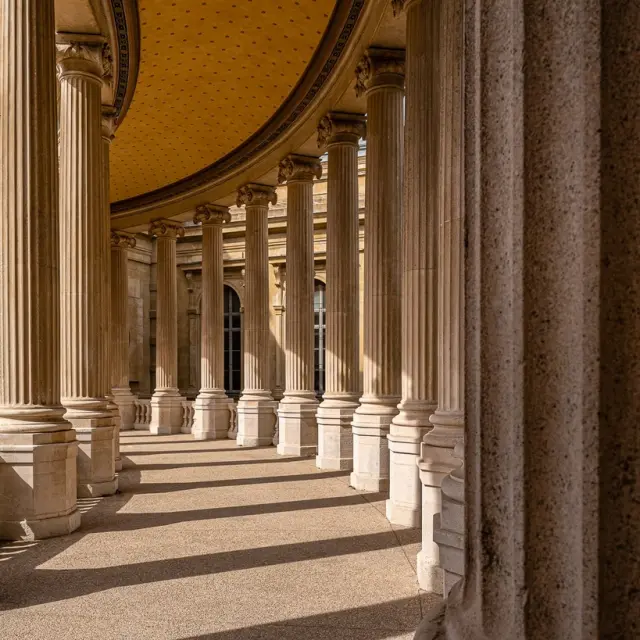
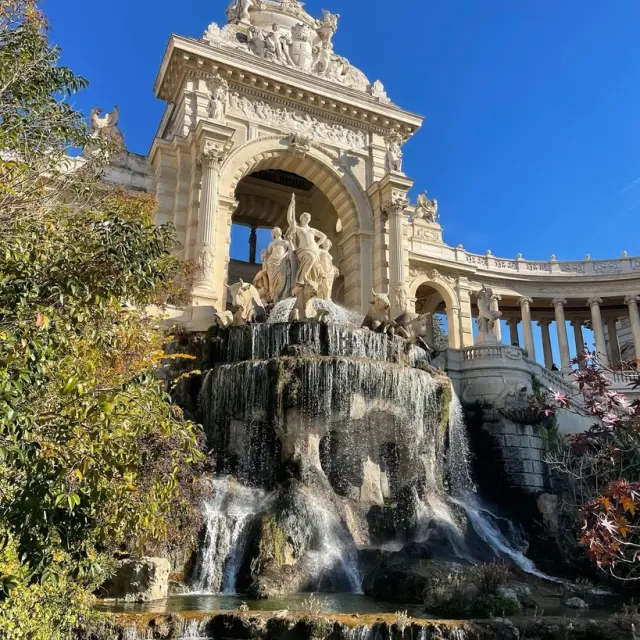
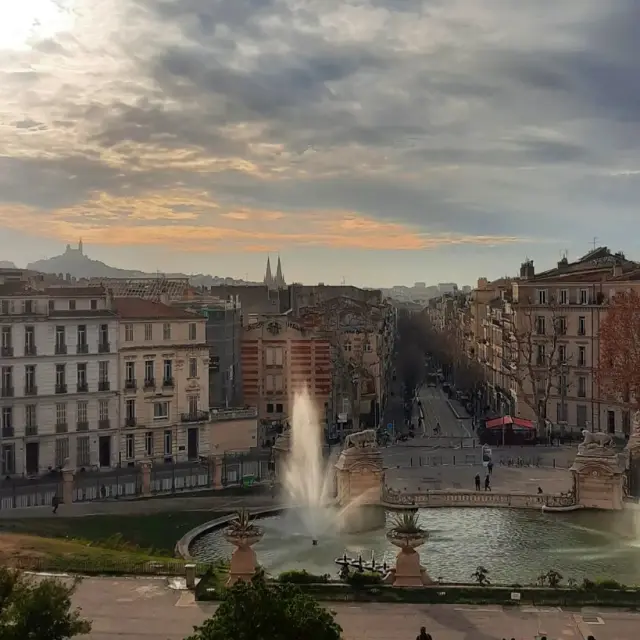
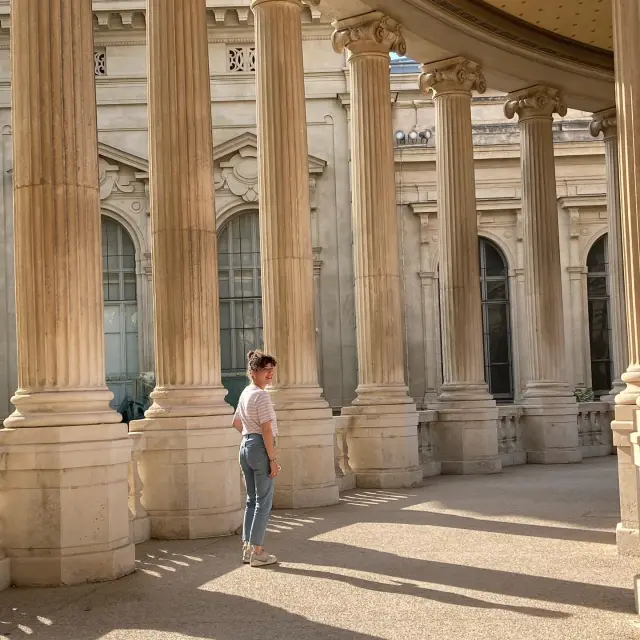
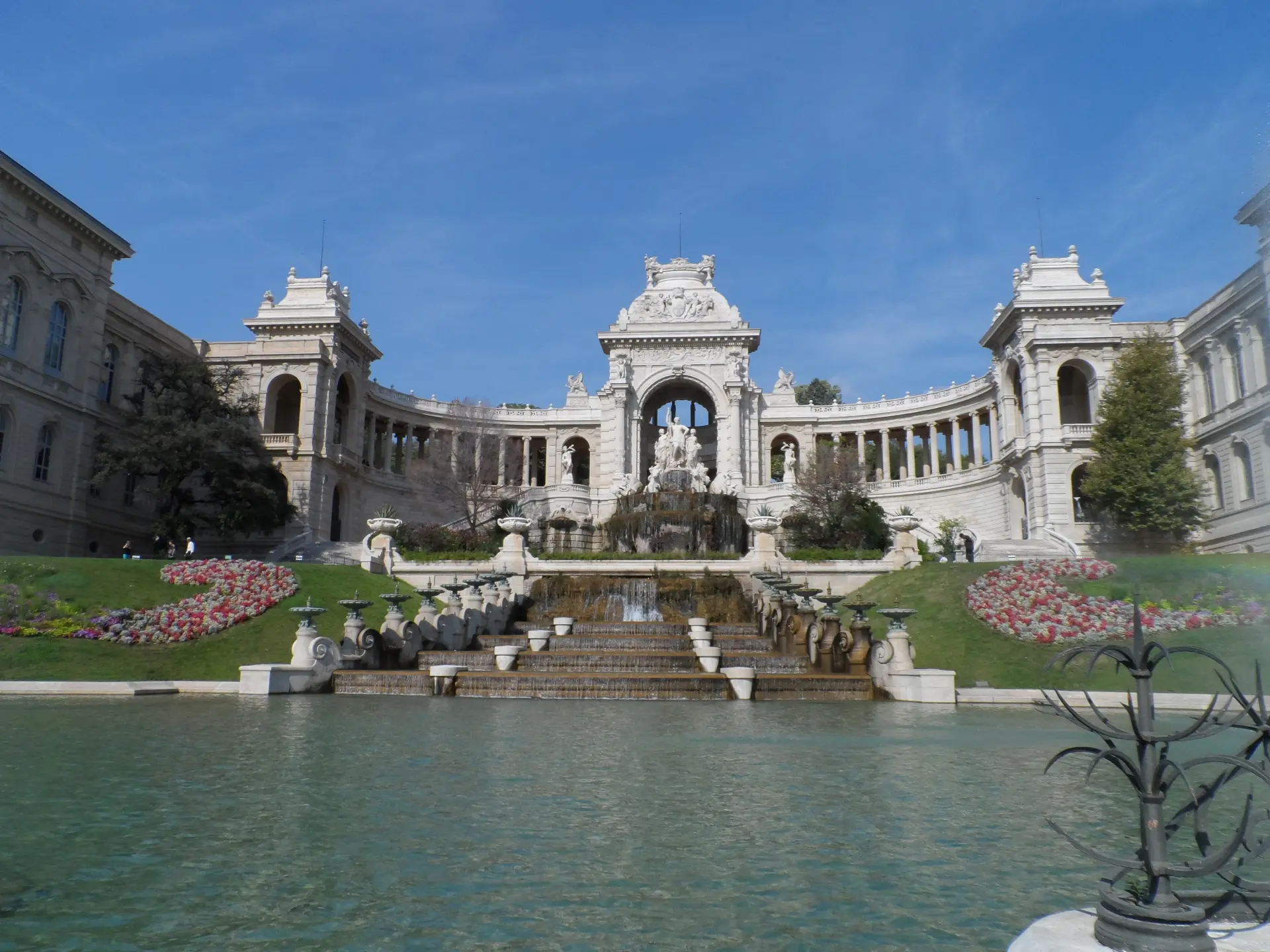
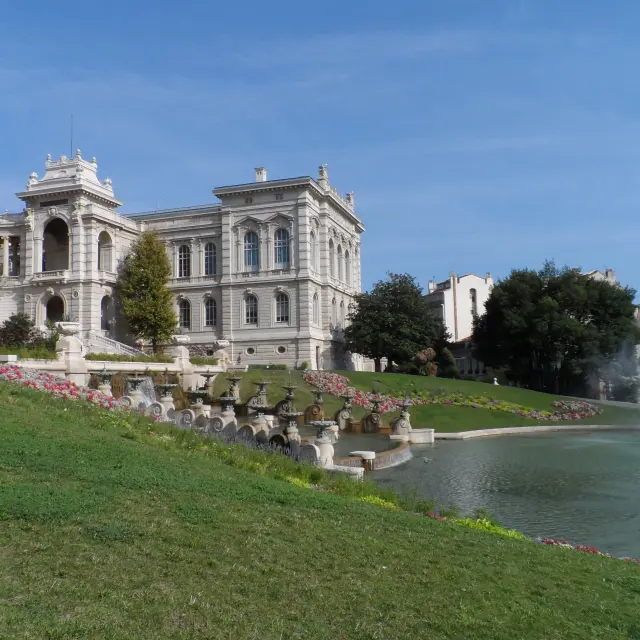
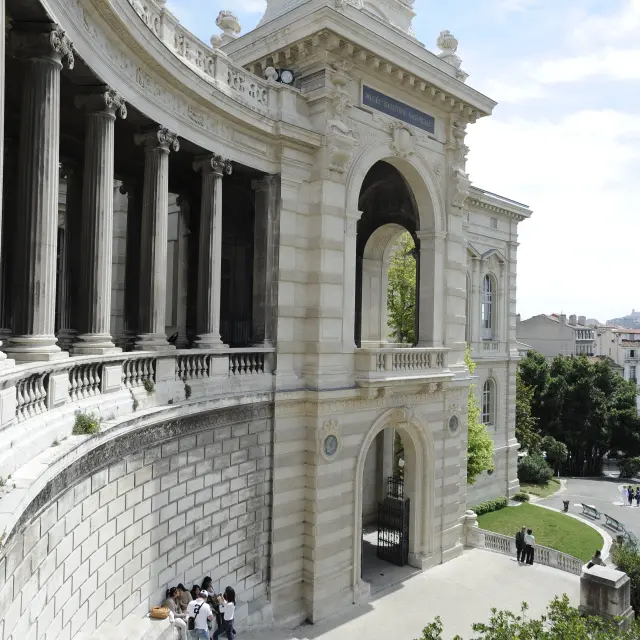
On either side of the water tower, a colonnade links the two museums of the Palais Longchamp. On the city side, it opens onto the monumental waterfall; on the park side, it leads to a vast garden. This architectural complex was a key factor in Marseille being awarded the title of European Capital of Culture in 2013.

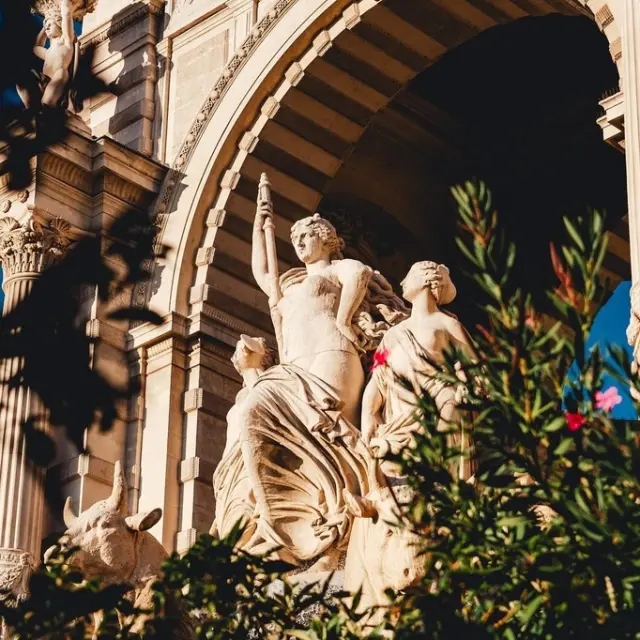
Opened in 1869, the Palais Longchamp is richly decorated. At the entrance, the lions and tigers by the animal sculptor Antoine-Louis Barye welcome visitors, whilst in the centre stands the monumental fountain by Jules Cavelier, symbolising the arrival of the waters of the Durance.

The museums of the Palais Longchamp

The left wing houses the Museum of Fine Arts, Marseille’s oldest museum, founded in 1802. It features a significant collection of paintings, drawings and sculptures from the 17th to the 19th centuries.

In the right-hand wing, the Natural History Museum brings together numerous collections from 18th-century cabinets of curiosities. The richness of its exhibitions earned it a place amongst the first-class museums in 1967.

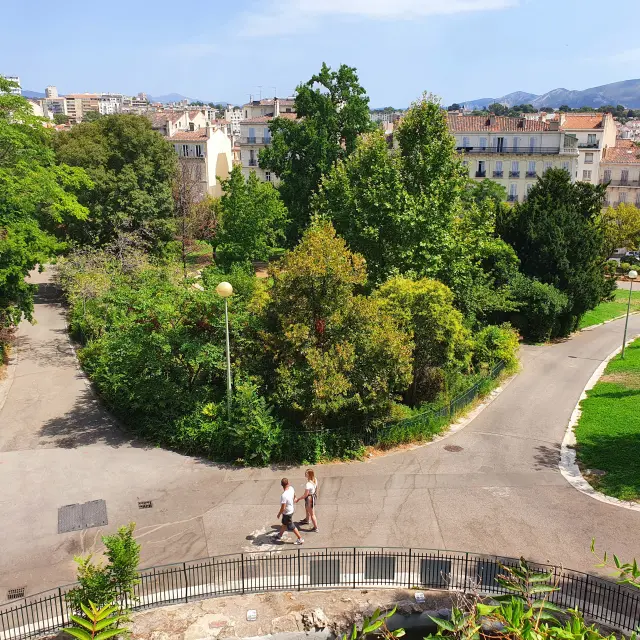
As well as its architecture, the Palais Longchamp also charms visitors with its large park, which is much loved by the people of Marseille. It once housed Marseille Zoo, traces of which can still be seen today.
Did you know?

From 1855 to 1987, the Palais Longchamp was home to Marseille’s large zoo. It was the first zoo in the provinces. The remains of the enclosures can still be seen in the park, as can the Giraffe House. Some of the zoo’s animals, upon their death, were preserved at the Natural History Museum, located in one of the wings of the Palais Longchamp.

The Palais Longchamp Observatory

A scientific attraction open to all

Regarded as Marseille’s oldest scientific institution, the observatory was established on the Longchamp plateau, at the heart of the gardens, in 1864. For a century, it was home to the world’s largest telescope (80 cm in diameter). The site served as a major research laboratory for over 140 years. The researchers have now moved from the site to the Château-Gombert Technology Park.

The site is currently open to the public, particularly school groups. The Andromède association organises activities centred on astronomy, such as planetarium sessions, exhibition tours and even use of the large telescope. You can also attend talks or take part in observations of the moon and the sun. A great day out to suggest to your children if you’re staying in Marseille with your family.

Practical information

Address

Place Henri Dunant
Bd de Montricher, Marseille

Opening hours

  • Monday
  • Tuesday
  • Wednesday
  • Thursday
  • Friday
  • Saturday
  • Sunday
More