Neighbourhood

Saint-Marcel

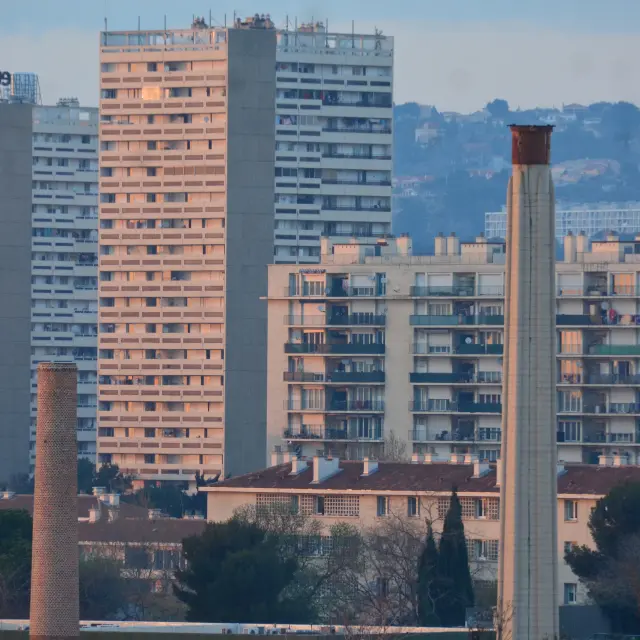
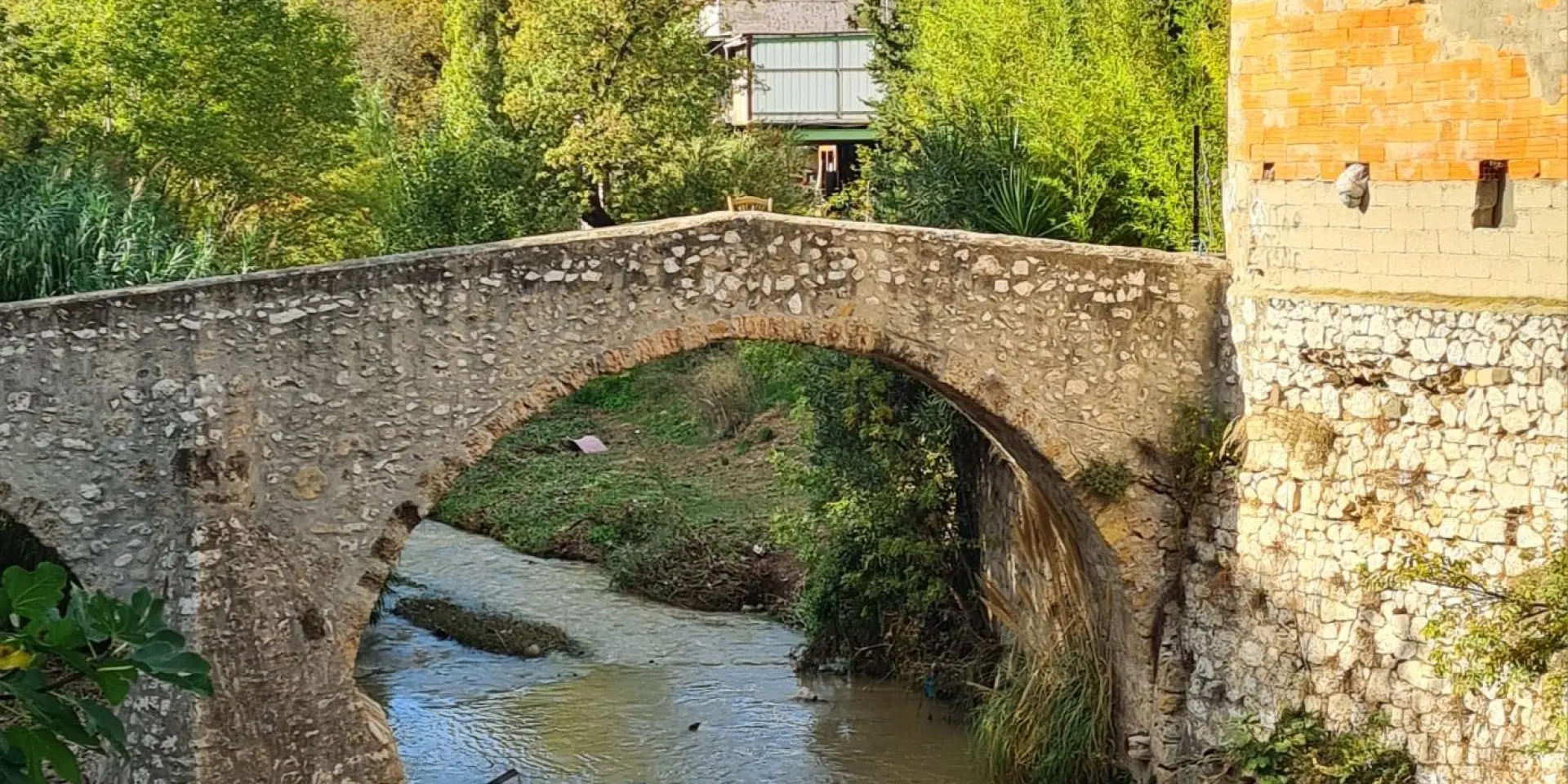
Saint-Marcel, a neighbourhood in the east of Marseille, is divided into two parts: Grand-Saint-Marcel to the south, and Petit-Saint-Marcel to the north. Its eventful history dates back to the Stone Age. This district of Marseille is home to several exceptional monuments and buildings.

A neighbourhood in the east of the city divided into two parts

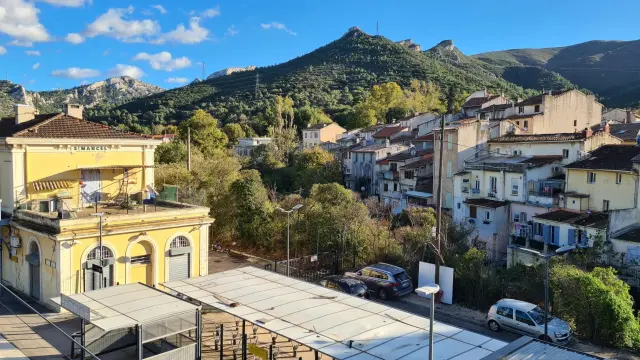
Located in the 11th arrondissement, Saint-Marcel is a neighbourhood in the eastern part of Marseille, close to the Forbine valley, which leads to the Saint-Cyr massif. It has suffered severe damage as a result of unchecked urbanisation. Nevertheless, it boasts magnificent historical and natural assets. The River Huveaune, the A55 motorway, railway lines and various roads run through the neighbourhood. Saint-Marcel is neighbours with La Valbarelle, La Barasse, La Valentine, Les Caillols and La Pomme. Allauch, Aubagne and La Penne-sur-Huveaune are the neighbouring municipalities.

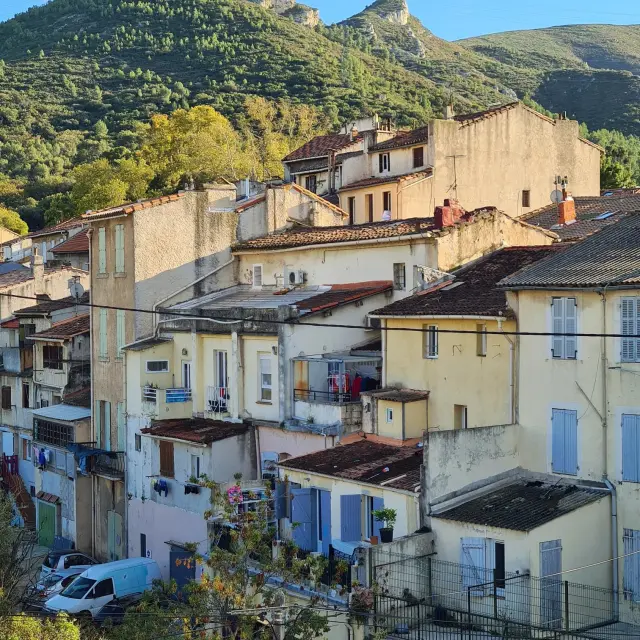
The largest part of the neighbourhood lies on the left bank of the Huveaune, sometimes referred to as Grand-Saint-Marcel. Most of the area consists of a haphazardly arranged settlement with remnants of the industrial era. A few houses on the hillside also form part of the southern section of the neighbourhood. The hills of Saint-Marcel offer some lovely walking routes for hiking enthusiasts. The smaller northern part of the neighbourhood consists mainly of houses. Nicknamed ‘Petit Saint-Marcel’, this area nestles at the foot of a hill and is crossed by the petite route d’Aubagne (RD2).
The history of the Saint-Marcel neighbourhood in Marseille

The Saint-Marcel district has a particularly rich and ancient history. Its origins date back to the Palaeolithic period, as evidenced by the rock-shelter sites discovered on the northern slope of the “Baou de Saint-Marcel”, on the right bank of the Huveaune.

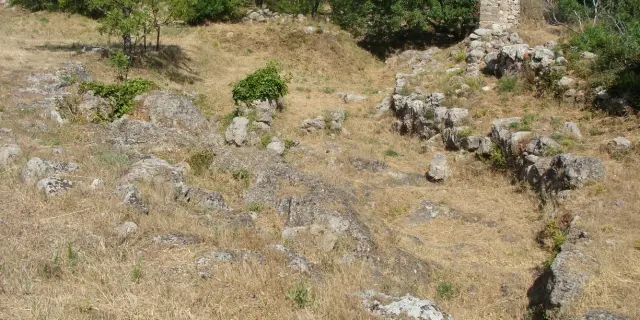
Around 600 BC, the Segobriges – a Celto-Ligurian people – built a fortified village on the plateau of the “Baou de Saint-Marcel”. They chose this site for its strategic position. Indeed, the site overlooks the Huveaune valley – which was once marshy – at the point where it is narrowest. As such, this oppidum – the oldest in the region – controlled the access route to Marseille from the east via the Huveaune valley. Its remains – walls, roads, pottery and other artefacts – bear witness to economic activity, military power and a significant human presence. The oppidum was not destroyed by the Romans until the end of the 2nd century BCE.

At the end of the 14th century, François des Baux acquired the seigneury of Saint-Marcel, part of the barony of Aubagne. He bequeathed it to his niece Alix, who became its owner. In 1402, Odon de Villars, Alix’s husband and guardian, decided to bequeath it to his nephew Philippe de Lévis, as part of an agreement with Raymond de Turenne, better known as the Scourge of Provence.

Places of interest in Saint-Marcel, Marseille

The Chapel of Notre-Dame-de-Nazareth

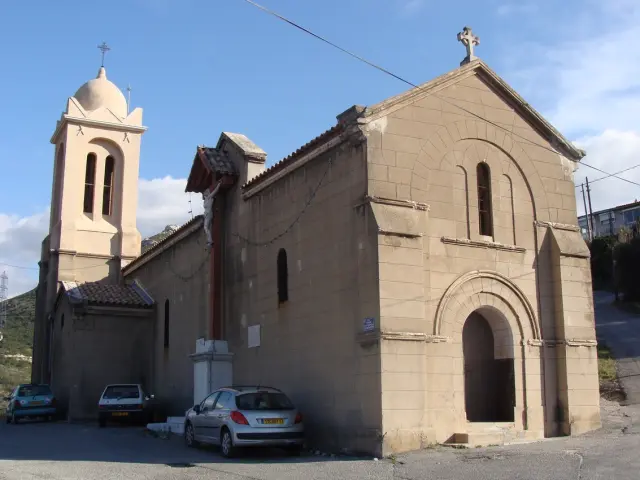
Although little known, the Notre-Dame-de-Nazareth Chapel – which faces east-west – remainsone of the oldest monuments in the city of Marseille and offers a stunning view. Situated on a hillside between the two valleys, it houses one of the oldest altars in France, dating back to the 5th century AD and originating from the Castrum Saint-Marcel. Built in the Romanesque-Provençal style on the heights of the Saint-Marcel district, the building is thought to have been started in 1130 and completed around 1200. Its current square-shaped bell tower dates from the 16th century, when it replaced the bells that had been mounted on the gable wall during the church’s extension. Following damage caused by a lightning strike, the chapel’s wooden spire was replaced by a dome in 1820. Dating from the 17th century, a gilded wooden statue of Our Lady of Nazareth stands at the rear of the choir of the chapel. Every year, the chapel is the destination of a pilgrimage, which consists of a Mass celebrated on 15 August.

The Castrum of Saint-Marcel

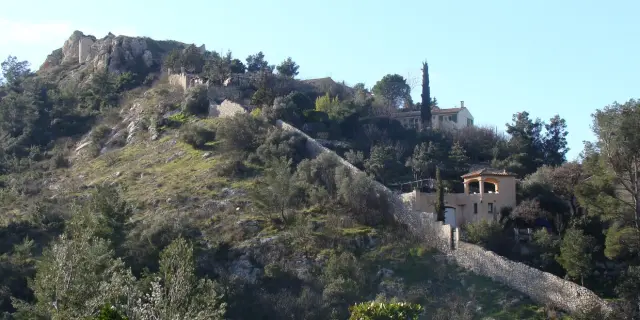
Built in Roman times, the Castrum of Saint-Marcel is the last remaining medieval structure in Marseille. Comprising ramparts and towers, it commanded an unobstructed view of the entire harbour. The first village of Saint-Marcel developed at the foot of this castle. Within the castle, a chapel dedicated to Saint Clair was built. The only surviving remains from the site arethe altar (preserved in the Chapel of Notre-Dame-de-Nazareth) and a fragment of the rampart (now at Château Forbin). Even today, access to the castrum is difficult due to steep paths and dense vegetation.

The Baou de Saint-Marcel oppidum

Founded in the early 6th century BC, the indigenous oppidum of Baou de Saint-Marcel is a fortified settlement of Celtic-Ligurian origin. Covering three hectares, it is situated at the summit of a plateau at an altitude of over 167 metres. It was abandoned at the end of the 2nd century BC. The site is open to the public during Heritage Days and on special guided tours.

Forbin Castle

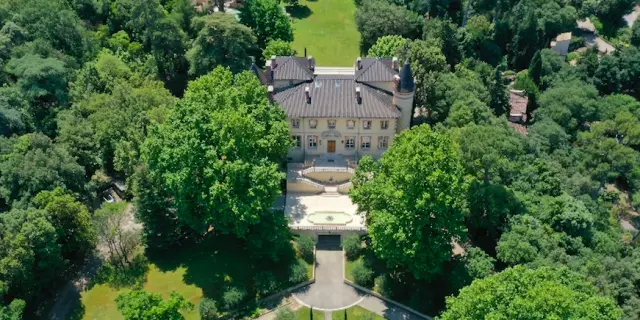
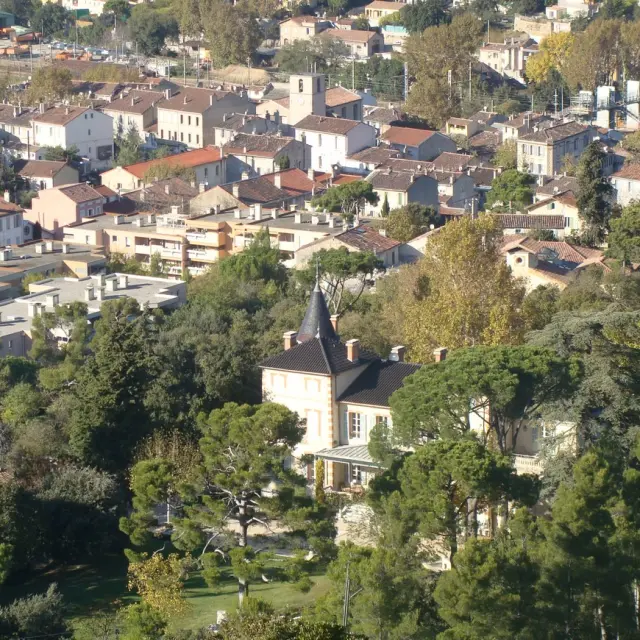
An 18th-century aristocratic residence acquired by the powerful Forbin family, Forbin Castle is situated in the heart of the Calanques National Park. It is characterised by a corner turret, vast grounds and historical treasures such as a section of the rampart from the Castrum de Saint-Marcel. With its seven hectares of greenery, it enjoys a magnificent setting that is perfect for tranquillity. Inside the bastide, a collection of art from the 1980s graffiti movement is on display. Indeed, this contemporary style of painting adorns all the castle’s walls.

How do I get to the St Marcel neighbourhood?

By public transport: Bus 40 or Bus 15 from La Timone (Metro M1)
By train: St Marcel SNCF station
By car: A50 motorway