Saint-Louis in Marseille

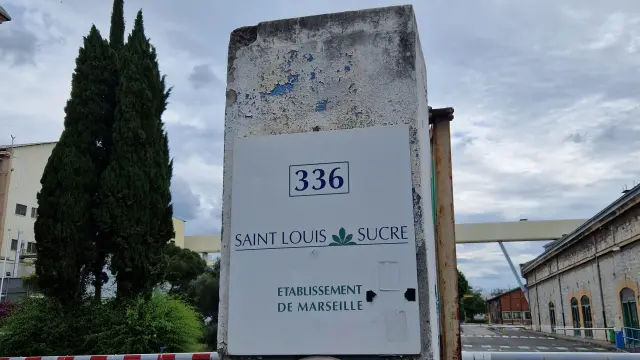
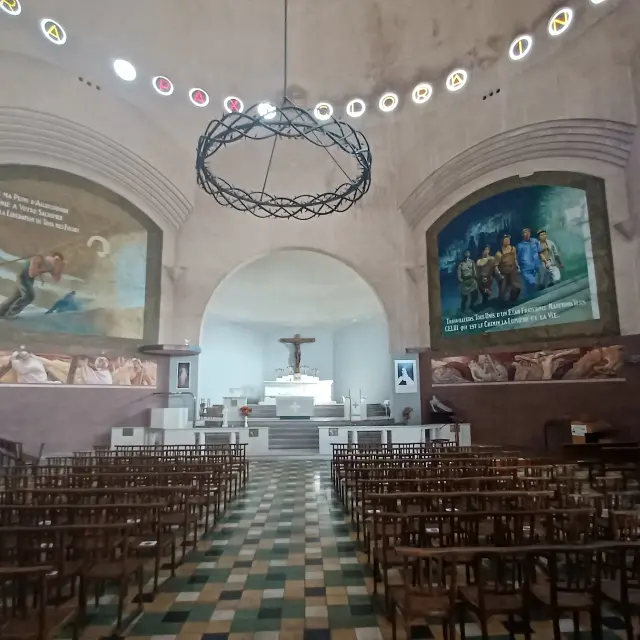
The name of the Saint-Louis district dates back to the creation of the Saint-Louis Sucre refinery in Marseille in the 19th century. It is a lively district in Marseille’s 15th arrondissement, with a Catholic church built in concrete and featuring statues, frescoes and stained glass windows.

A district of the 15th arrondissement

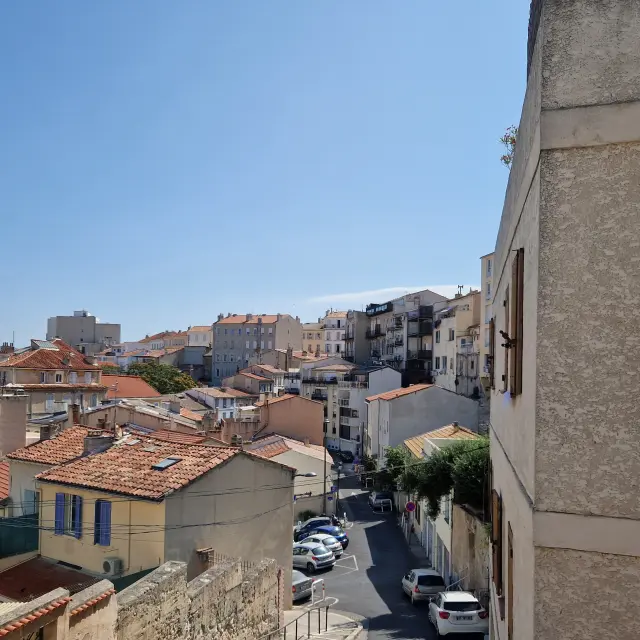
Covering an area of 1.5 square kilometres, Saint-Louis is located in the 15th arrondissement of Marseille, in the Bouches-du-Rhône department. With its uninterrupted view of the sea, this cosmopolitan, lively district is located close to activities and shops. There are plenty of green spaces to enjoy with family, friends or as a couple. The Saint-Louis district has goodeducational and childcare facilities, with two crèches, four nursery schools, five primary schools, two collèges (lower secondary schools) and six lycées (upper secondary schools). It is mainly made up offlats, with very few detached houses. The districts bordering Saint-Louis include Les Aygalades, Les Borels, La Cabucelle, La Calade, La Delorme, Saint-André and La Viste.

Saint-Louis Sucre

Saint-Louis Sucre, a French refinery, was founded in 1866 in the Saint-Louis district. In fact, the district owes its name to this sugar company. In 1878, the company bought the Sucre Maurin refinery in the Saint-Charles district of Marseille to form the Société Nouvelle des Raffineries du Sucre Saint-Louis. Joseph Bonnasse was one of the refinery’s founding members. Although the company’s head office is now in the 19th arrondissement of Paris, a factory is still located in the Saint-Louis district. From 1968 to 1998, Saint-Louis Sucre was known as Générale sucrière before being bought by the German group Südzucker in 2001, which distributed products under the Saint-Louis brand name.

The church of Saint-Louis

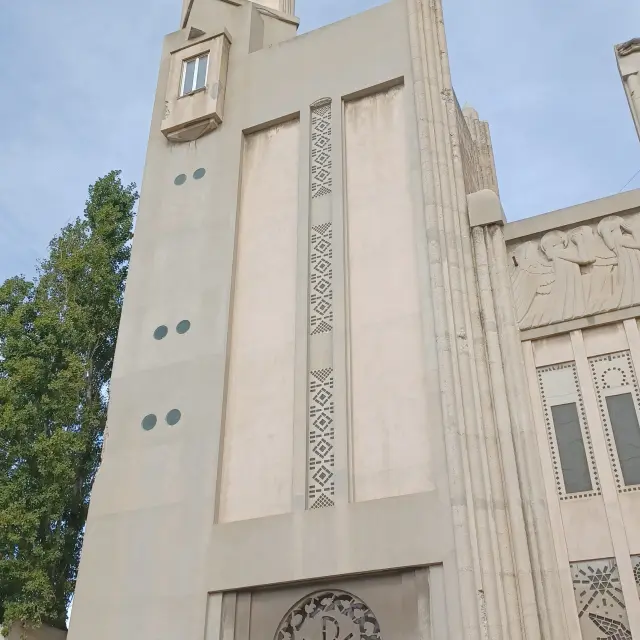
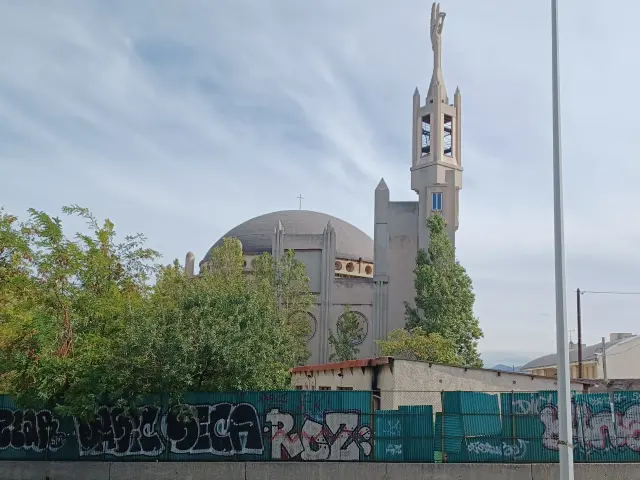
Located on the chemin de Saint-Louis in Le Rove, Saint-Louis church dates back to medieval times, as evidenced by the Pietà in the nave, the only surviving vestige of the Middle Ages. Between 1935 and 1939, it was rebuilt to the plans of architect Jean-Louis Sourdeau, following the design ofAbbé Gabriel Pourtal. Due to the irregular pentagonal shape of the site, Sourdeau was unable to build the church in the traditional Latin cross style. He did, however, manage to use the entire plot of land with his unique design. The minaret-like peaks of the church and the large hemispherical concrete dome show Eastern and Mediterranean influences. The church has a total capacity of 900. In 1989, the Saint-Louis church was listed as a historic monument.

The exterior of the church comprises a bell tower, a nave topped by a cupola, a narthex and a chapel once dedicated to the Virgin Mary. All the structures and exterior decorations were built using reinforced concrete, a modern technique for the time. The9-metre-high Archangel Gabriel at the top of the bell tower, created by the sculptor Carlo Sarrabezolles, bears witness to this technique, which enabled the building to be completed quickly and cheaply.

Originally, the church was not supposed to have any statues. However, two statues can be seen inside the church of Saint-Louis: the first depicts the Virgin and Child in plaster in the narthex, while the second features a white marble stela evoking Saint Fortunée in a niche-chapel in the nave. The work was carried out by sculptors François Carli, for the Virgin, and Louis Botinelly, for the stele of Saint Fortunée.

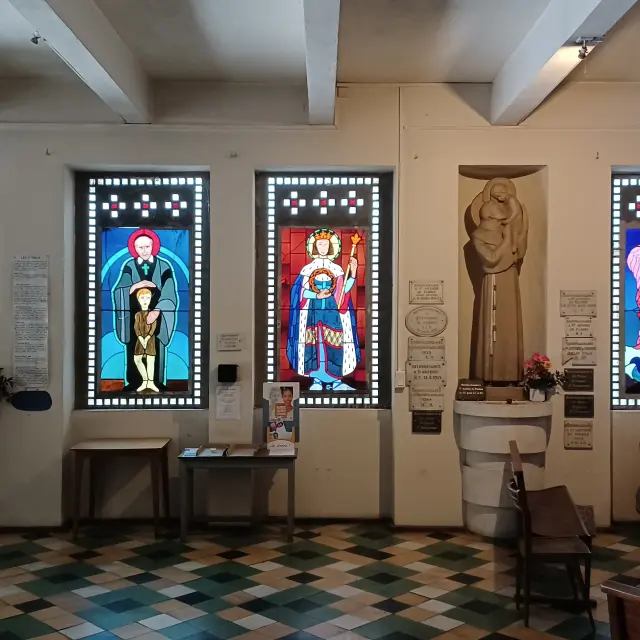
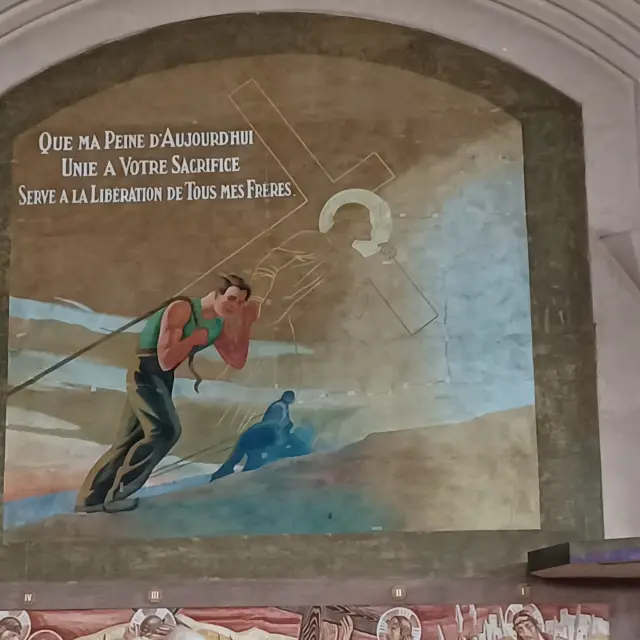
The church also features a Stations of the Cross fresco, the work of painter Jacques Martin-Ferrières, representing the original fourteen stations of this private and communal act of devotion. The narthex houses six stained glass windows symbolising Martin de Porrès, Joan of Arc, Vincent de Paul, King Saint Louis, the Archangel Saint Michael and Blessed Antoine Chevrier. Inside the church, visitors can also admire eight stained glass windows dedicated to the history of the French king Saint-Louis , created in transparent mosaic by master stained glass artist Jean Gaudin.
Labelled shops

Made in Marseille

How to get to the Saint-Louis district

By bus

Bus 25 (Metro Gèze – Saint Antoine)
Bus 27 (Metro La Rose – Lycée Saint-Exupéry)
Bus 30 (Metro Gèze – La Savine)
Bus 36 (Metro Bougainville – La Nerthe)
Bus 36B (Metro Bougainville – L’Estaque)
Bus 70 (Canebière Bourse – Lycée Saint-Exupéry).
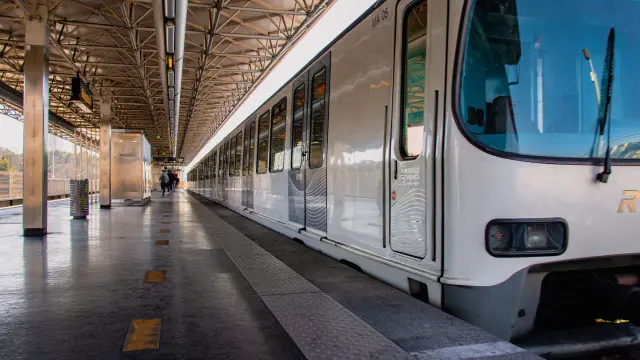
Special line B2 – From Métro Gèze to Vallon des Tuves also passes through Saint-Louis
Night bus 526 (Canebière Bourse – Hôpital Nord)
Night bus 535 (Canebière Bourse – Estaque Riaux)

By car

Continue on theA51 motorway towards Marseille, take exit 33 and leave theA7 motorway. Continue on the chemin de Saint-Antoine à Saint-Joseph and take the D4 towards rue René Mariani.

Subscribe to our newsletter

Stay connected and find out all the latest news from Marseille