A neighbourhood next to Allauch
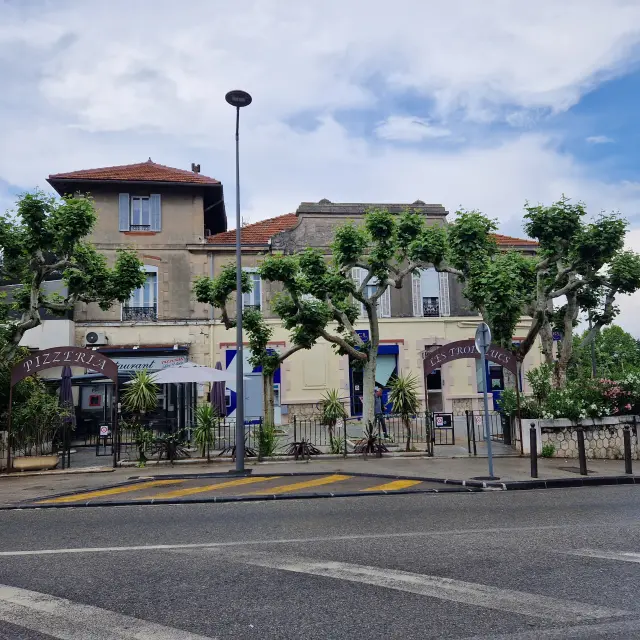
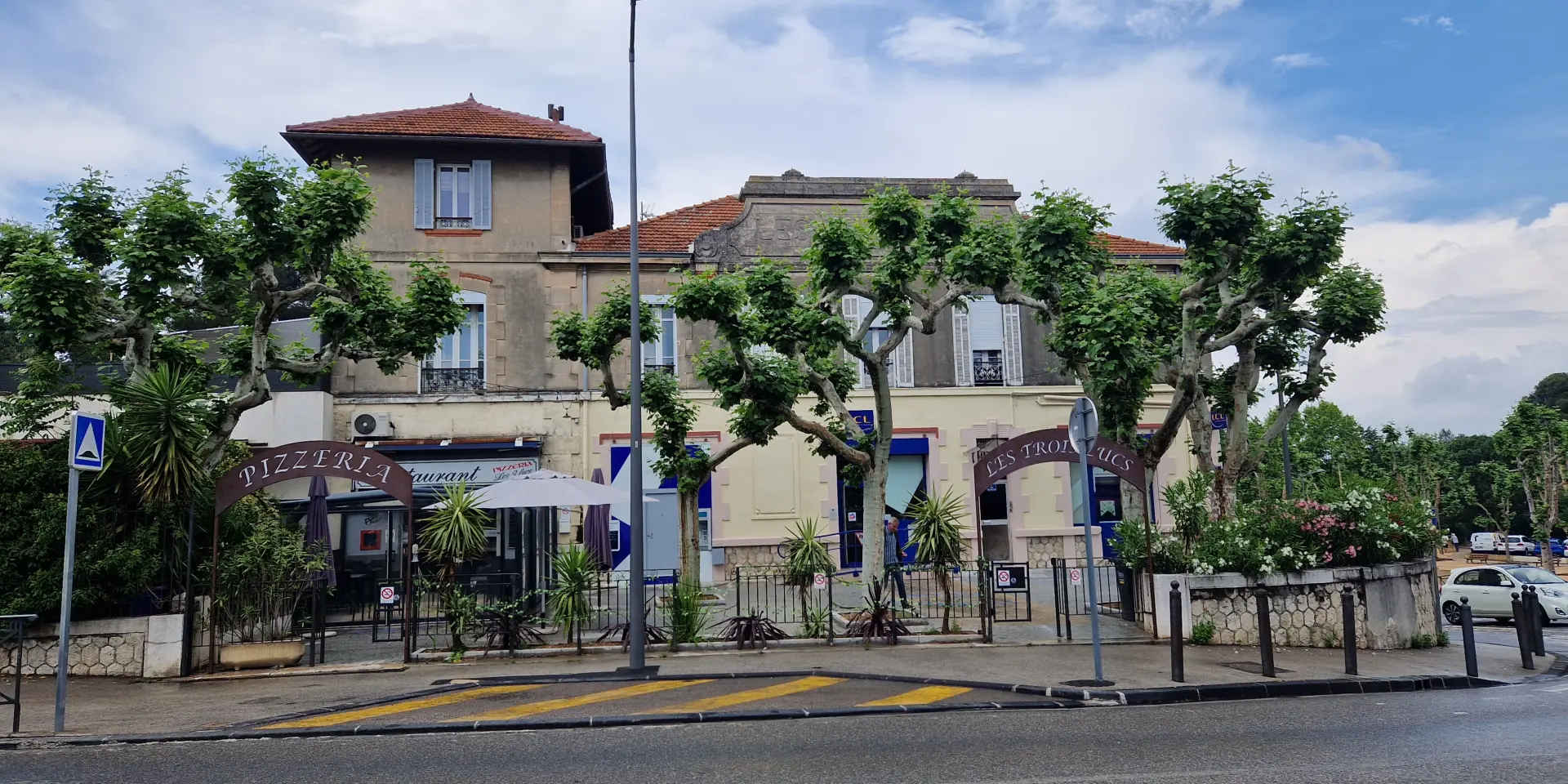
Situated at the easternmost edge of the city, the Trois-Lucs neighbourhood is part of Marseille’s 12th arrondissement. It is surrounded by the neighbourhoods of Caillols, Olives and La Valentine, and by the commune of Allauch. It lies atthe eastern end of the Beaumont plateau, linking the city of Marseille to the Garlaban massif. The Trois-Lucs crossroads is a historic thoroughfare situated at a pass between the Jarret Valley to the north and the Huveaune Valley to the south. The pétanque court next to the crossroads is, in fact, one of the neighbourhood’s most characteristic landmarks.
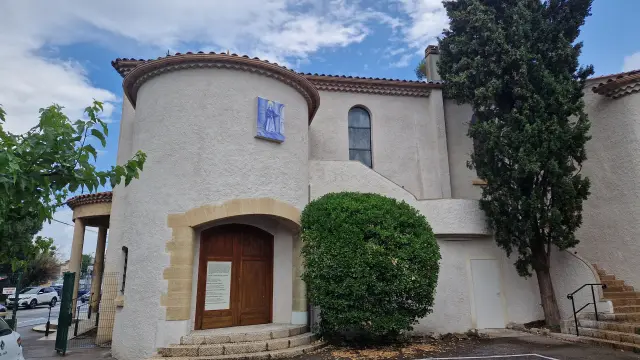
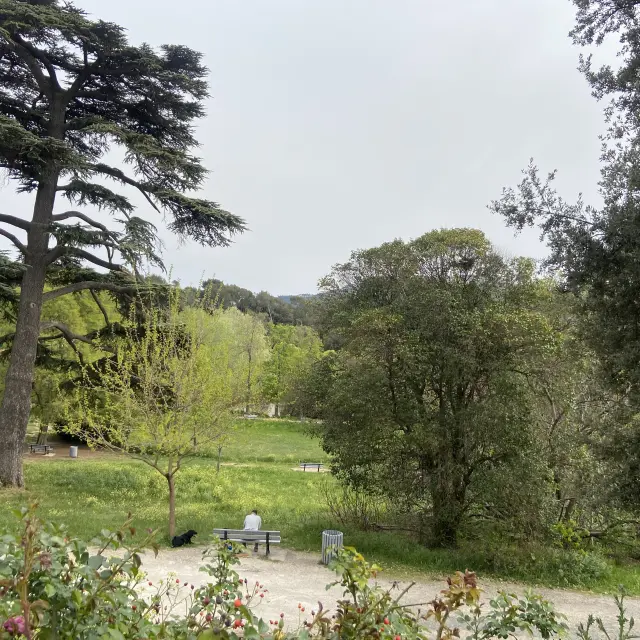
The name of the neighbourhood has evolved over the centuries: Tras Lucs, Tres Lus, Treillux… Its meaning has also varied. According to Alfred Saurel, a French writer and historian, it refers to three sources of light at the heart of the watchtowers that surrounded the city of Marseille. The designers of the stained-glass windows at Sainte-Rita Church also adopted this interpretation. For Father Soragi, the word ‘trelus’ means‘east’in the sense of radiance, but can also evoke the sunrise, a theme explored in Maurel’s pastoral work. According to Albert Dauzat, a French linguist, the origin of the very common place name ‘Luc’ lies in the Latin word ‘lucus’, which refers to a wooded area. The Trois-Lucs neighbourhood is indeed surrounded by extensive woodland.
Since 1914, a tram line has served the Trois-Lucs district in Marseille, an area then renowned for its open-air cafés, dance halls and boules courts, which attracted crowds of city-dwellers, mainly at weekends. The Monnard Caves, discovered in 1848, provided the water supply for the Brasserie Phénix ( now part of the Heineken Group) until 1970. The brewer still owns the property today, despite the town council’s attempt in 1993 to transfer the caves to the public domain. To the south of the neighbourhood lies the Commanderie, the training ground ofOlympique de Marseille, the city’s iconic football club.