©

N.AldrovandiOMTCM

Marcel Pagnol

Marseille and Provence, between memories and fiction

A key figure in French literature and cinema, Marcel Pagnol made Marseille and Provence the living backdrop for a rich, poetic and universal body of work. Between plays, short stories, novels and films, he captured the soul of the Mediterranean with a unique sensitivity. His stories, imbued with humour and tenderness, celebrate the light of the hills, the tchatche of the Marseillais and the popular memory of a region where he grew up and which he has never ceased to love.

A childhood spent in Marseille

Born in Aubagne in 1895, Marcel Pagnol spent his early years in the Marseilles neighbourhoods of Saint-Loup and then Chartreux, as his father Joseph, a committed schoolteacher with a passion for his job, moved around. These successive moves enabled him to discover different facets of the city and grasp its full diversity. Marseilles became a veritable observation ground for him: he was nourished by the delicious language, the theatrical gestures and the truculence of the inhabitants, who would later populate his stories.

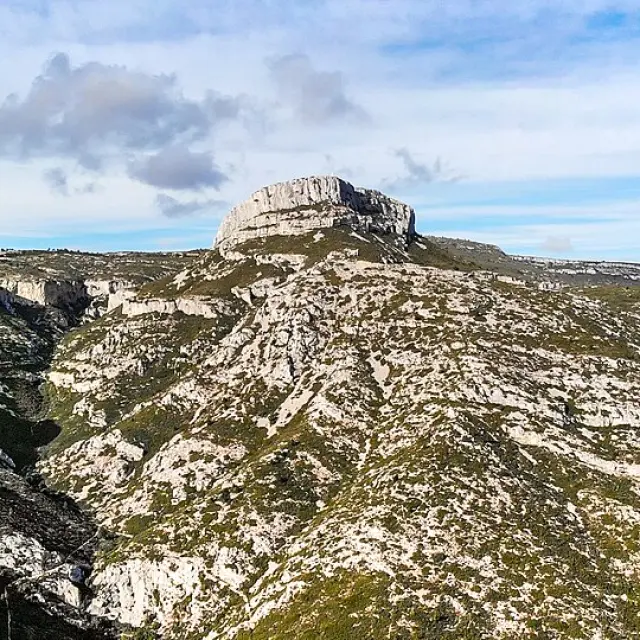
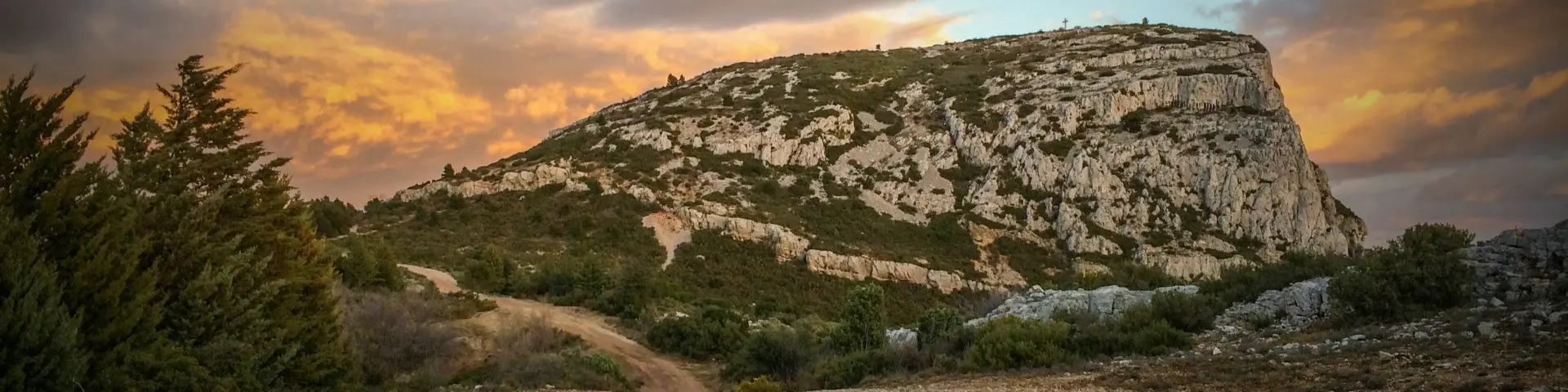
But it was above all the long summer holidays at Bastide Neuve, a house in La Treille, on the edge of a desert of garrigue stretching from Aubagne to Aix, that would leave a lasting impression on his imagination and his heart. He explored the paths and hills in the company of Lili des Bellons, fascinated by the light and smells of Provence. The young peasant who became his friend revealed to him the secrets of a world that was not his own, from secret springs to the hidden wonders of the garrigue.

These seminal years would later inspire his Souvenirs d’enfance, a series of four books in which he blends reality and fiction: La Gloire de mon père, Le Château de ma mère, Le Temps des secrets and Le Temps des amours immortalise his attachment to the hills of La Treille, Marseille and Provençal traditions, while capturing the gentleness and poetry of that period.

Plays, films and books

Marcel Pagnol was a committed and prolific author, endowed with exceptional creativity and multiple talents. A successful playwright from the outset, he won over Parisian audiences with Topaze, a bitter-sweet satire of power and corruption, then with Marius, which inaugurated his famous Trilogie marseillaise. His plays, full of verve and humanity, reveal his ability to capture the spirit of southerners while tackling universal themes.

A pioneer of talking pictures, he founded his own production company and made numerous films, becoming one of the first writer-directors in the history of French cinema. In his feature films, he transposes his stories to the big screen, exploring with great sensitivity the same subjects that are close to his heart: family, honour, loyalty to one’s roots, and the small tragedies of everyday life.

A novelist in hisown right, he writes luminous, poetic stories that reveal his love of Provence and the French language, of which he is an ardent defender. Elected to the Académie française in 1946, he became a major figure in twentieth-century French culture. His prolific output, combining theatre, literature and film, illustrates the universality of his view of people and life, and bears witness to a body of work that is deeply rooted in its time, but always timeless.

La Trilogie Marseillaise, from theatre to film

Marius, Fanny and César, the three plays and films that make up the famous Marseillaise Trilogy, are undoubtedly Marcel Pagnol’s major work. Through colourful characters and exceptional writing, he depicts everyday life in the Old Port, thwarted love affairs and the verbal jousting that is typical of Marseille. The emblematic places in the trilogy continue to be part of Marseille’s identity today, attracting visitors to follow in the footsteps of these universal and still contemporary stories.

Marcel Pagnol’s legacy in Marseille

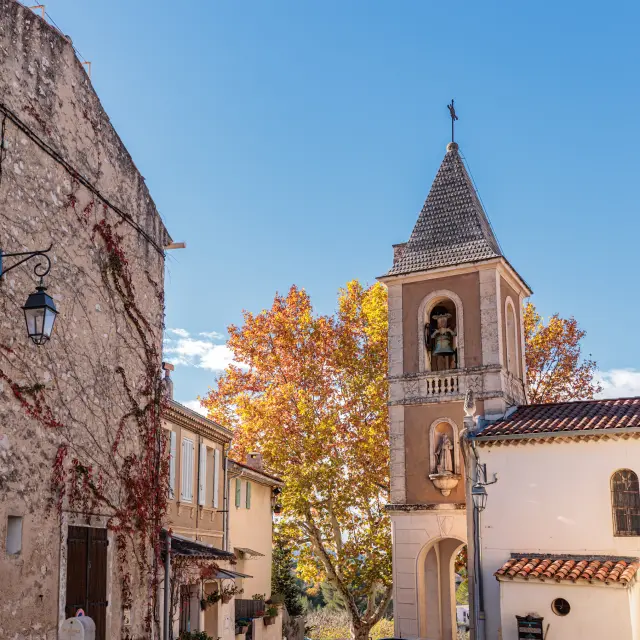
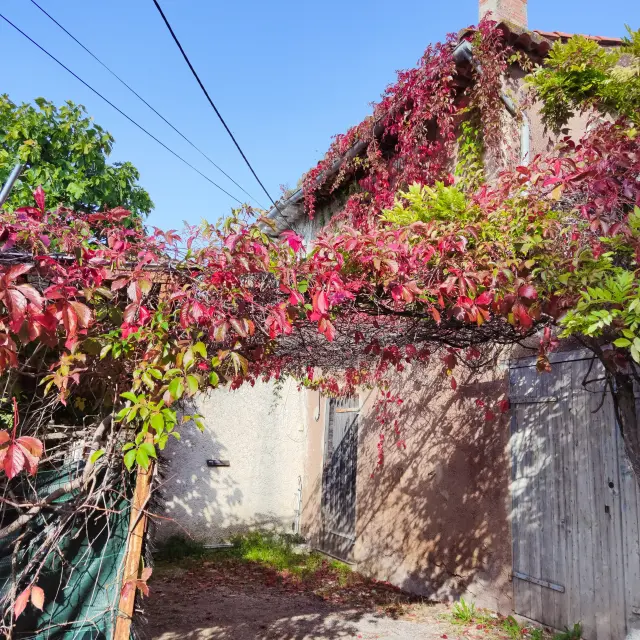
Marcel Pagnol’s soul lives on in and around Marseille, as his work continues to inhabit the landscapes and places he loved. La Treille, a village nestling at the foot of the hills that has become a picturesque district of the city, welcomes him to its small cemetery where he is laid to rest alongside his family, facing the garrigue that inspired his Souvenirs d’enfance. Not far from there is the Bastide Neuve, the family home where he spent his summer holidays, now a place of pilgrimage for admirers.

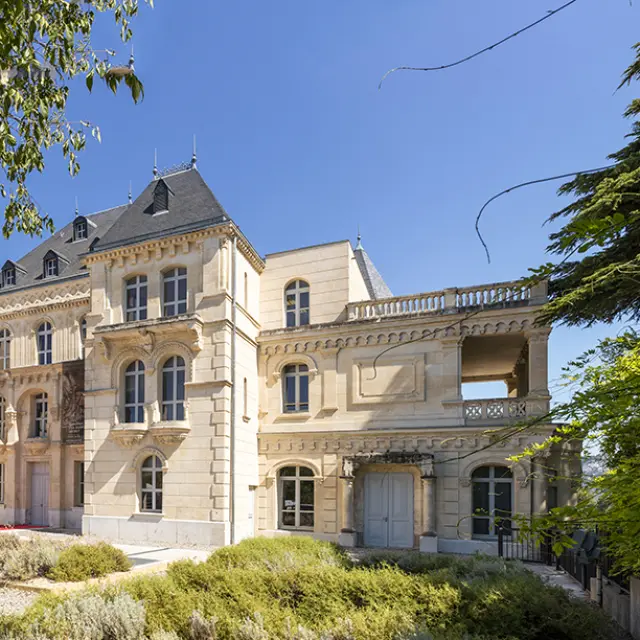
A few kilometres away, the Château de la Buzine bears witness to his dream of building a veritable cinema city in Marseille. This vast residence, which he acquired almost by chance without knowing that it had been the scene of a traumatic scene in his childhood, is now home to the Maison des cinématographies de la Méditerranée: a cultural venue that celebrates both his heritage and the region’s wealth of cinematographic talent. Here you can discover exhibitions, screenings and tributes to his work as a pioneer of talking pictures.

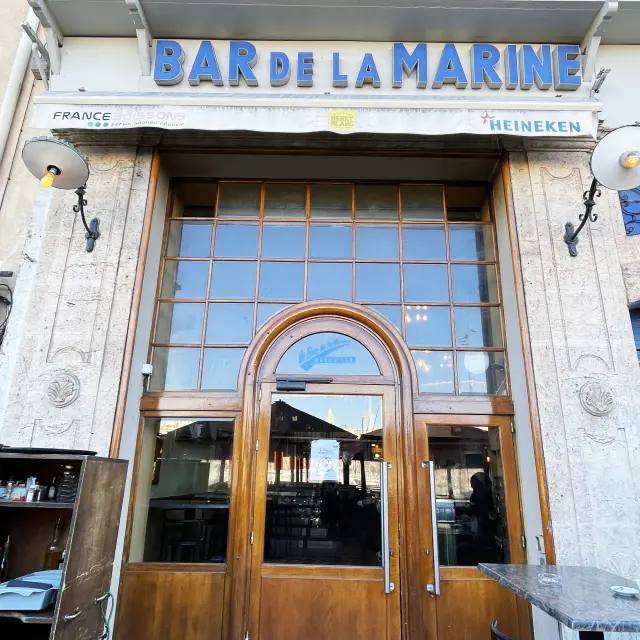
Fiction comes to life on the Old Port, where the Bar de la Marine preserves the memory of frenzied card games, tasty dialogue and colourful characters as they appear in the Trilogie marseillaise. Today, this emblematic place is still a must for following in Pagnol’s footsteps and rediscovering the warm, popular atmosphere of his stories.

It’s a place where the memory of a writer and film-maker who so successfully told the stories of Marseille and Provence lives on, giving them an eternal place in our collective imagination. To walk in his footsteps is to rediscover the light, poetry and humanity that run through his work.