




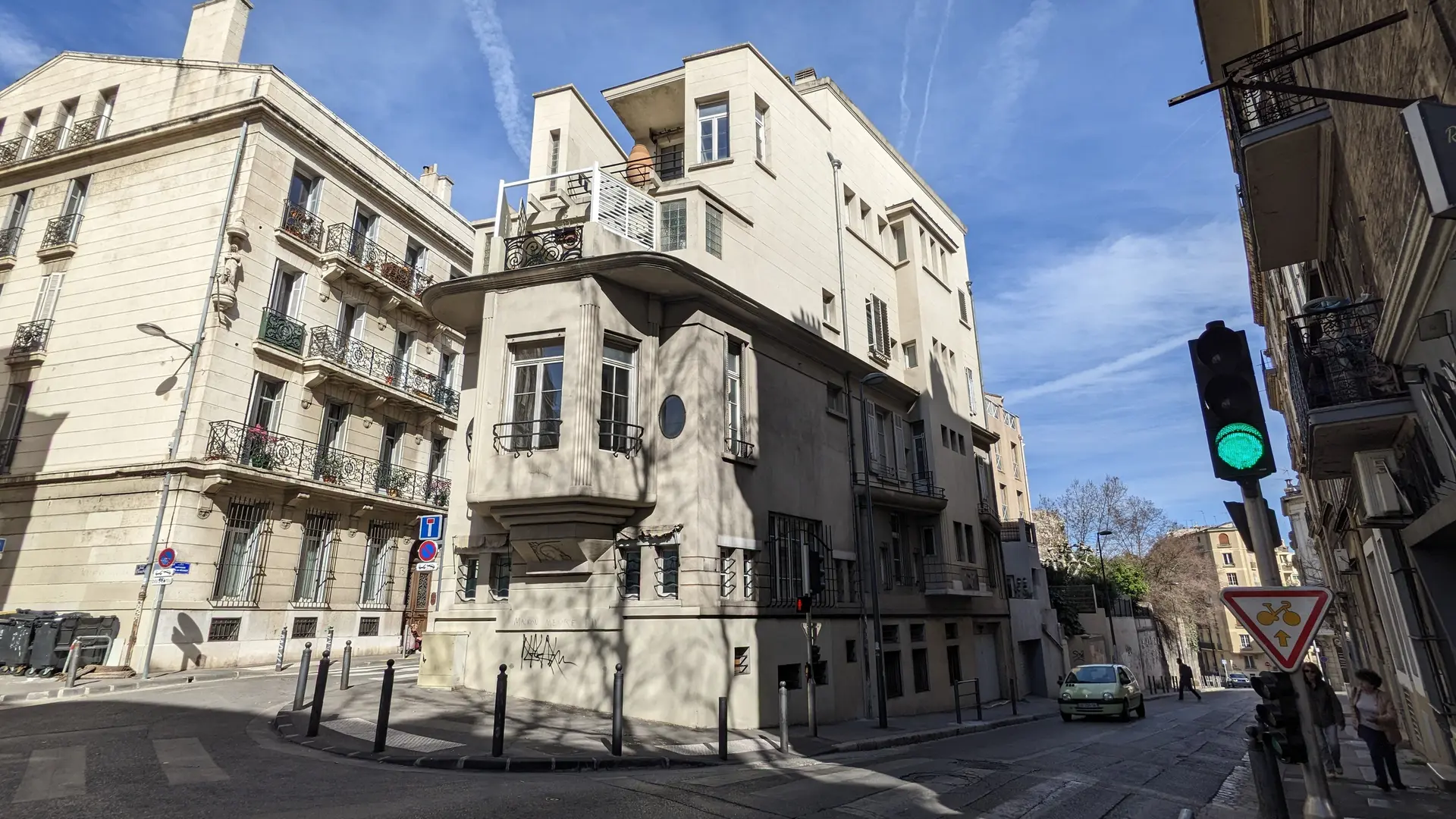
2House - Castel workshop
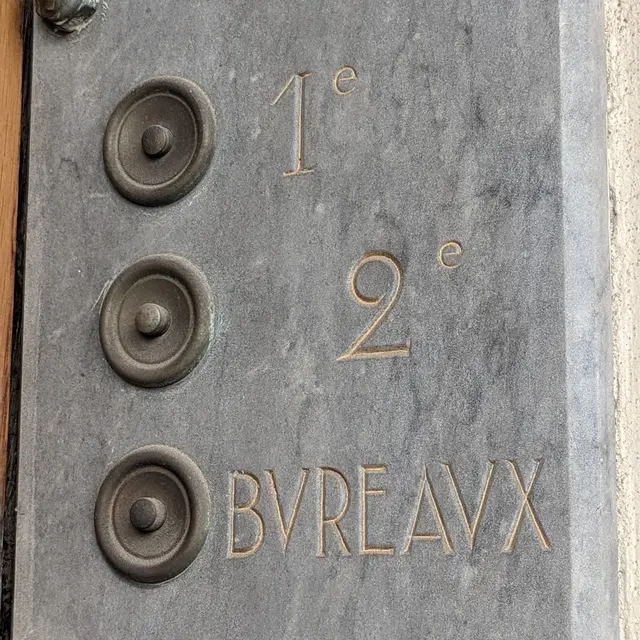
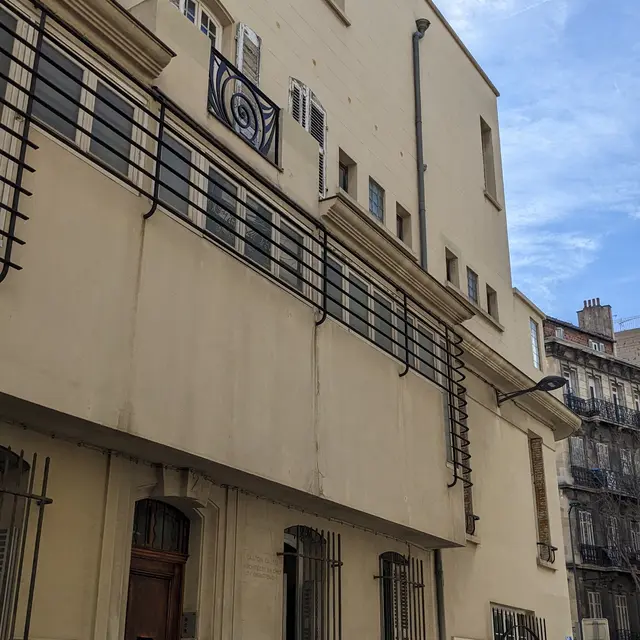
It is one of the few Art Deco buildings in the city. Built in 1924 by the architect Gaston Castel, it was later elevated in a style combining cubist modernism and Mediterranean architecture. Its position on the corner of the street gives it a false air of a ship's prow facing the city.
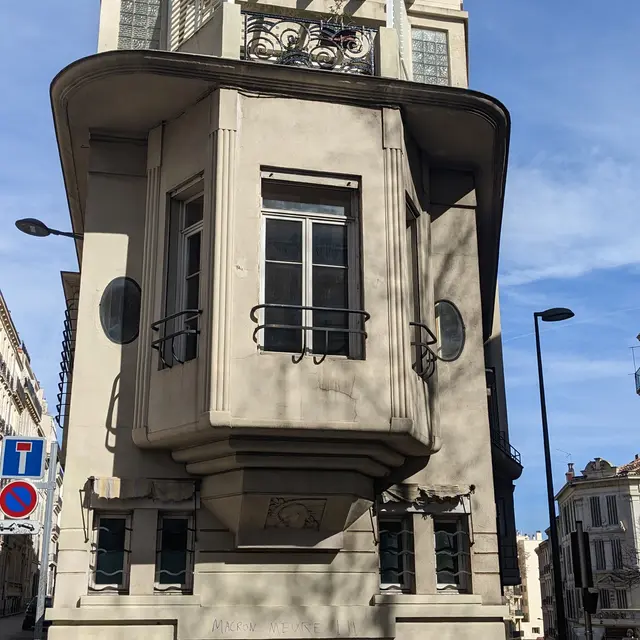
3High relief of the Virgin Mary and the infant Jesus
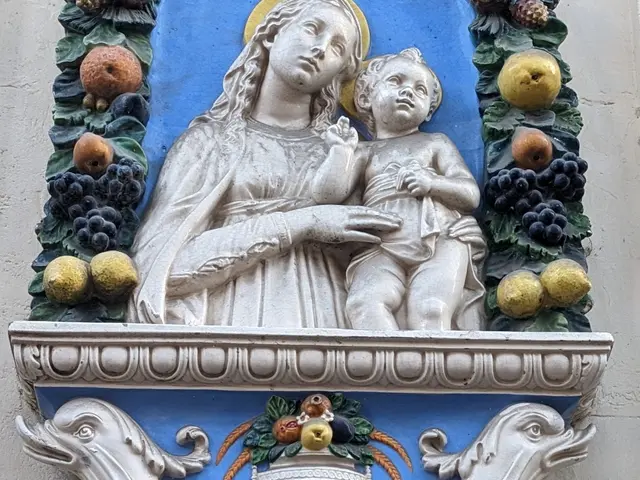
If you pay close attention, you'll find a large number of Virgins on the corners and facades of buildings. Their role is to protect the town from the return of epidemics. They were originally erected in response to the great plague of 1720, which scattered the city's inhabitants, and these statues reflected, at least in their architecture, a revival of religious faith in the first half of the 19th century. A cholera epidemic in 1835 led to a second phase of settlement.
Here, the Virgin is holding the infant Jesus, who is making a sign of peace with his right hand, and they are surrounded by a garland of fruit. The whole piece is depicted in the style of the Della Robbia school, an Italian family of sculptors who invented glazed terracotta during the Renaissance. This process, combined with the moulding technique, made it possible to produce works in larger quantities, while cutting production costs.
Affixed to the façade at the entrance, this religious work is a clear indication of the social success of the owner of the residence.
4Société Picon
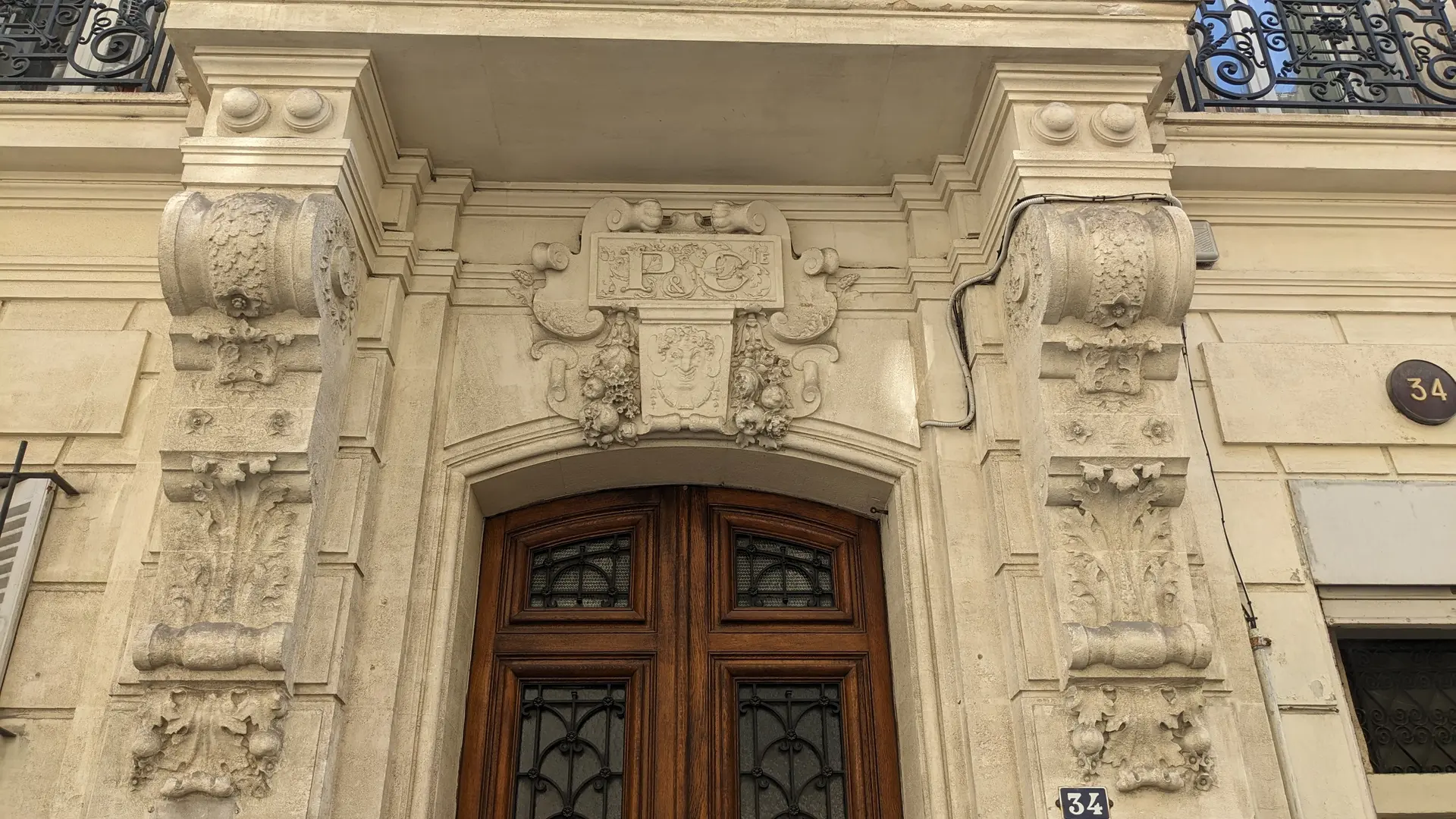
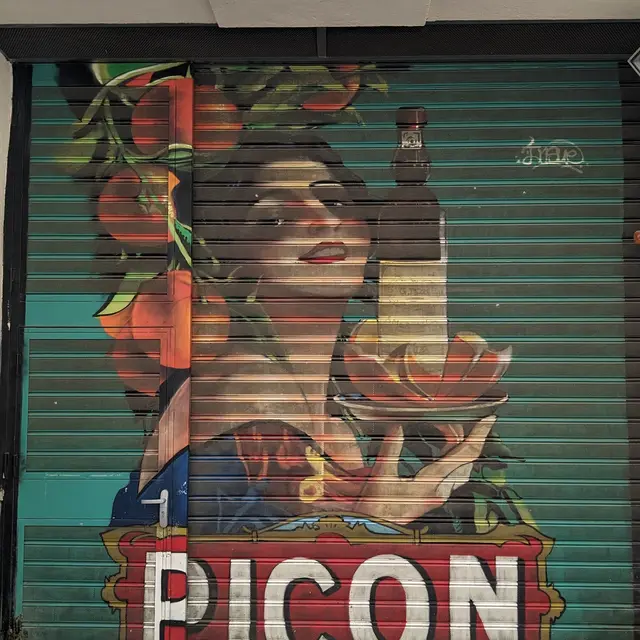
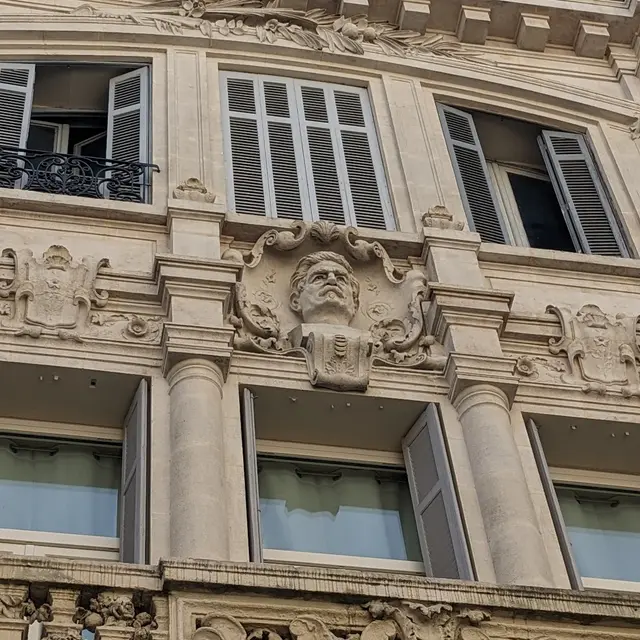
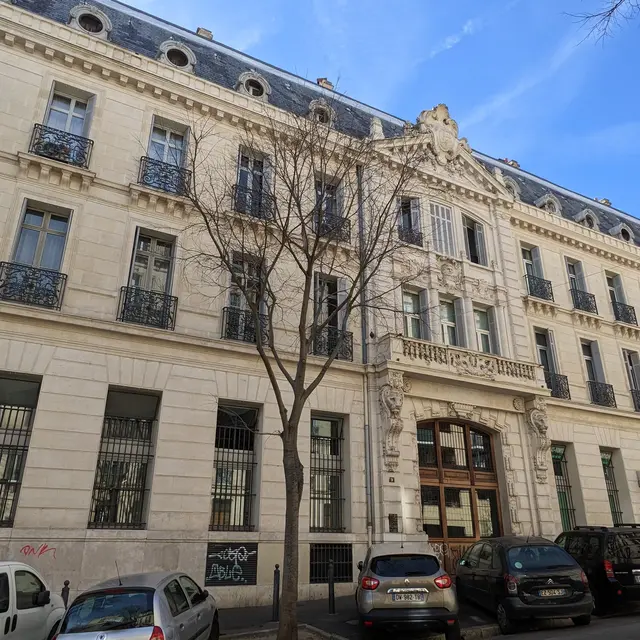
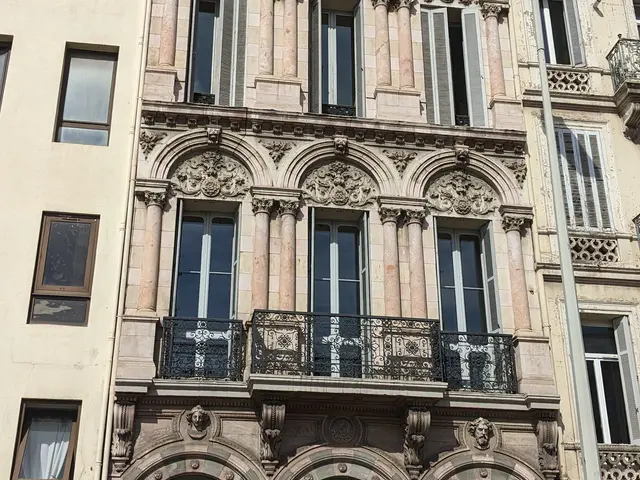
It was in 1837 that Gaëtan Picon invented an aperitif drink made from bitter oranges and cinchona, the famous "Picon-bière". Admire the richly decorated facade with its lion's head sculptures and, above the first floor, the portrait of the owner and, even higher up, his entwined initials, G P. Here you are in front of the factory's historic headquarters, built in the Haussmann style and occupying a vast area between the Boulevard National, the Rue du Coq, the Rue des Abeilles and the Rue de la Rotonde. Behind the facade, architect Louis Peyron placed an immense hall, the factory, covered by an 800m² glass roof by Gustave Eiffel. Production, distillation, bottling - absolutely every stage of the manufacturing process took place on site in the various buildings that made up the block: garages, technical workshops for repairing delivery lorries, various entrances to the factory, a ballroom, offices and flats. All the staff, whether workers, managers or even members of the Picon family, were also housed on site. Having passed through several hands, the site is now looking for a new future.
5Excursionnistes Marseillais headquarters
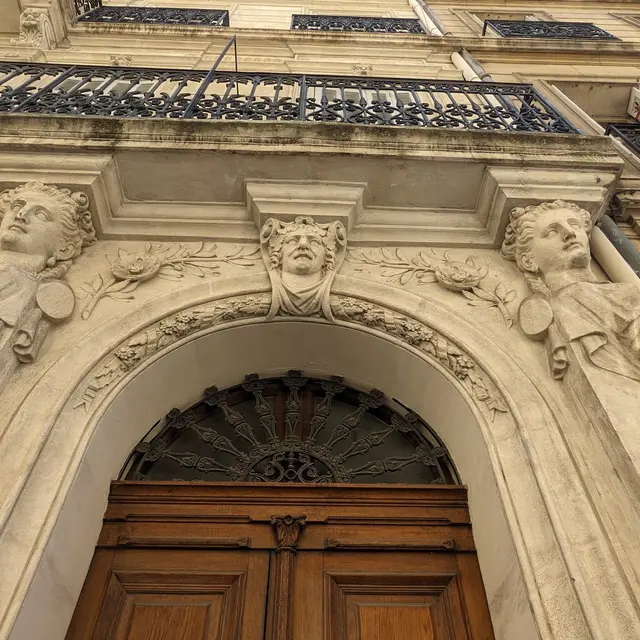
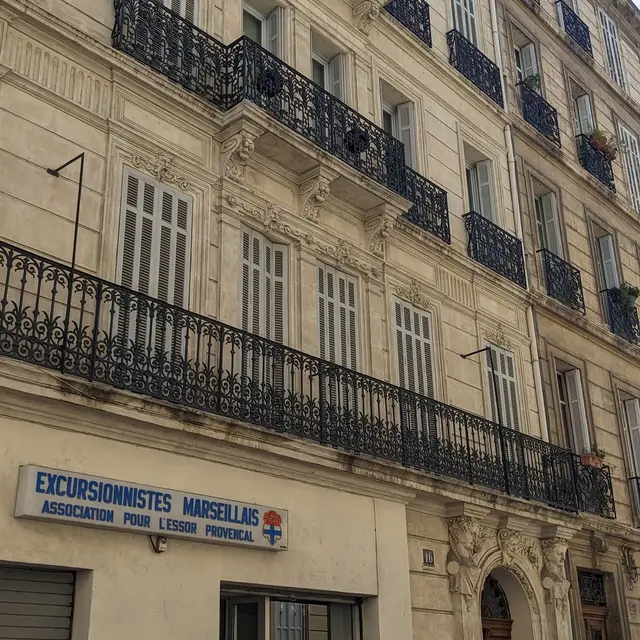
The "excurs", as it is known here in Marseille, is one of the oldest walking associations in France. It was founded on 24 January 1897 by two men: Dominique Piazza, the inventor of the photographic postcard, and the publisher Paul Ruat, who set up the Marseilles tourist office (the forerunner of today's tourist office).
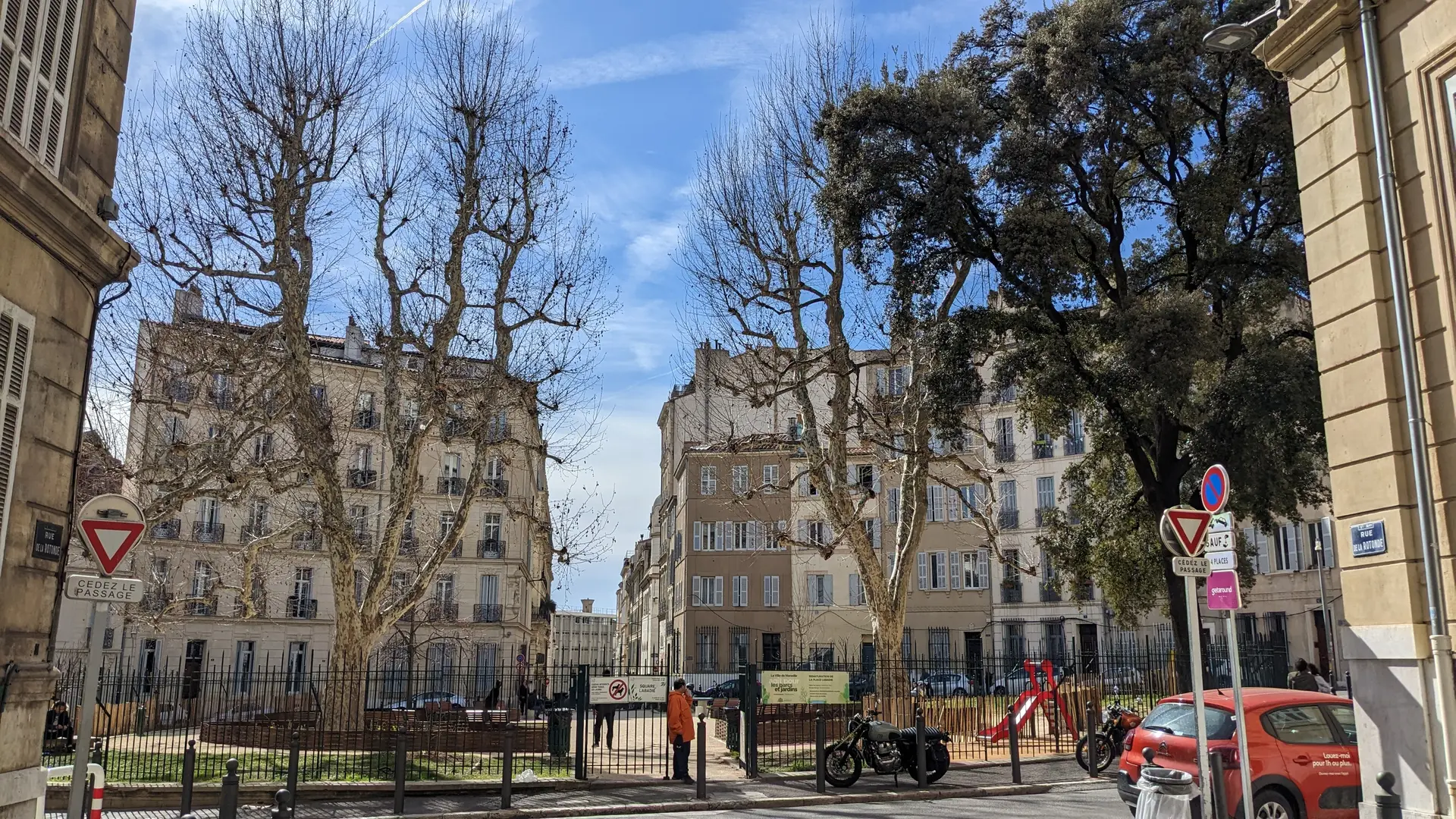
6Square Labadie
This small square was the natural setting for the documentary drama "Shéhérazade", which won several César awards in 2018. More generally, Marseille has always been a popular location for film shoots. It has to be said that the city is very photogenic, doesn't it?
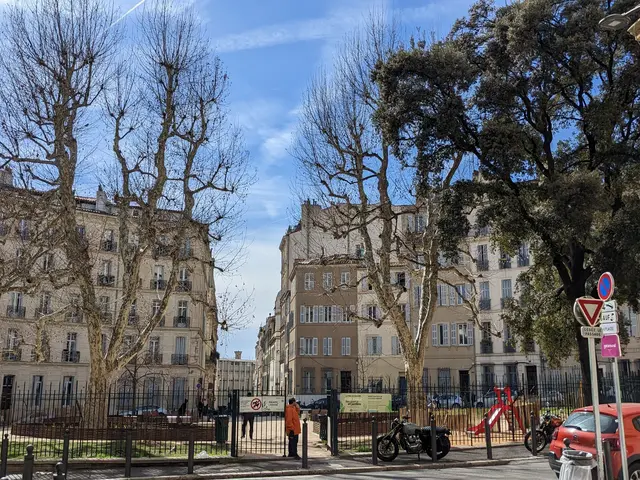
7Golden Virgin
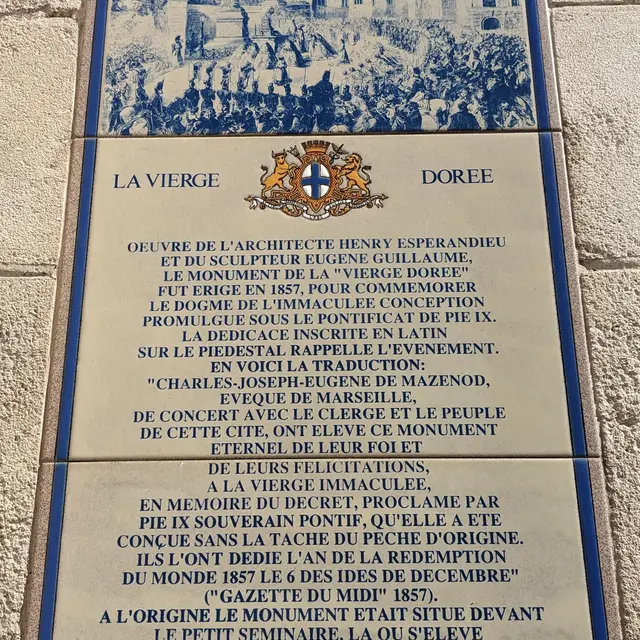
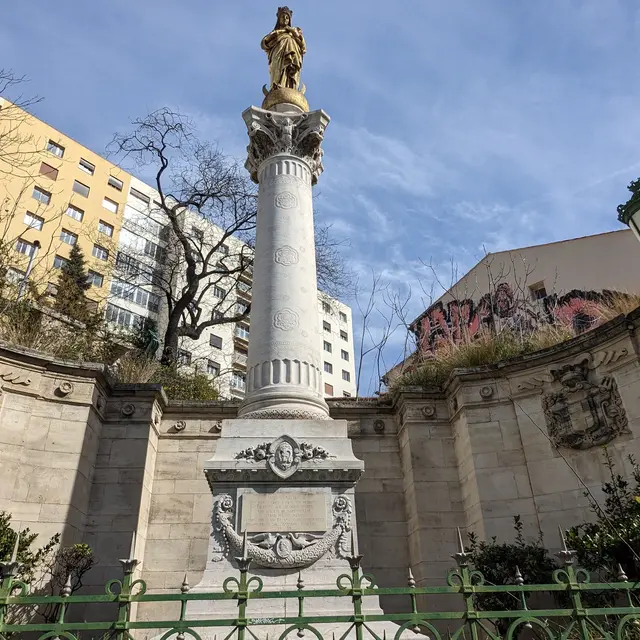
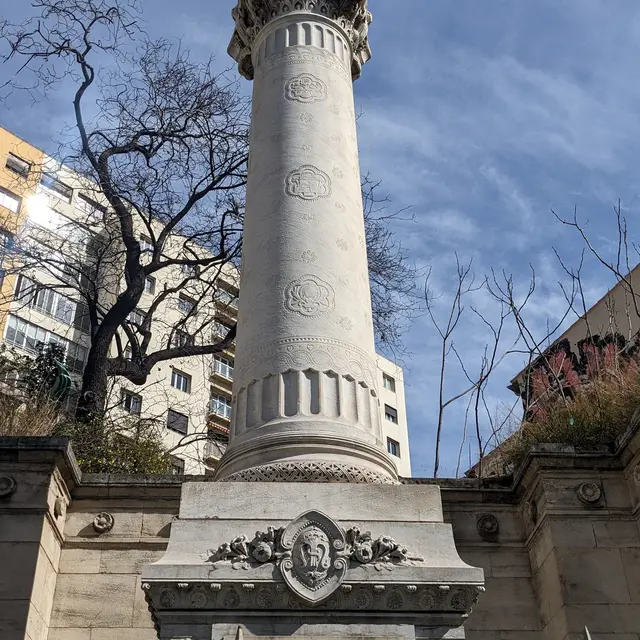
In 1854, the Catholic Church decreed that the Virgin Mary was exempt from original sin, inherited by all men since Adam and Eve. This was the birth of the dogma of the Immaculate Conception. In 1857, to celebrate this event, the bishop of Marseille, Monseigneur de Mazenod (bishop between 1837 and 1861), had three commemorative monuments erected in the city, including this golden Virgin. The building is very imposing and monumental. The statue of the Virgin is 3 metres high and stands on a column that itself rests on a pedestal.
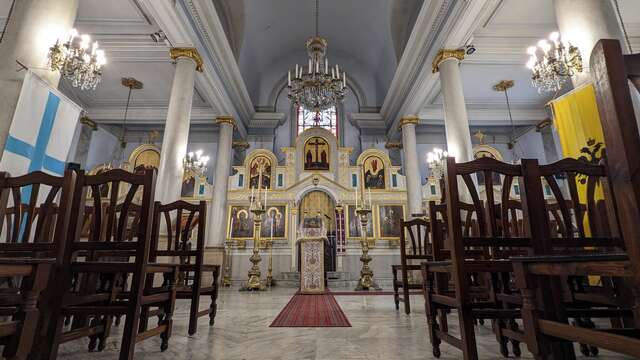
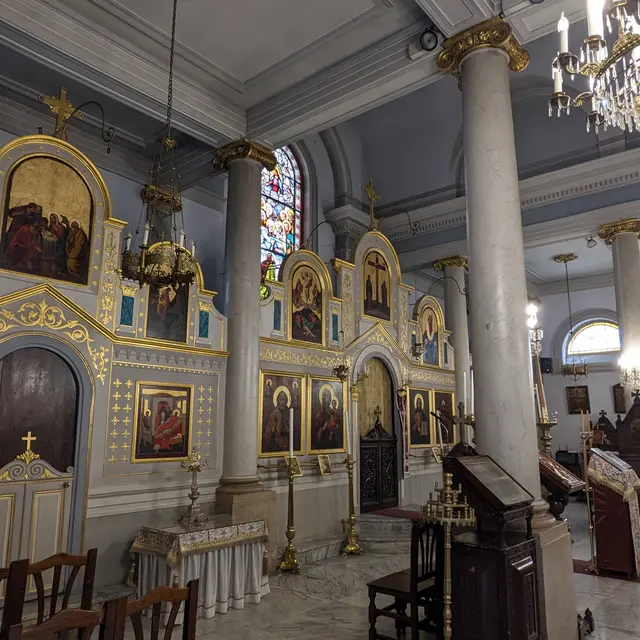
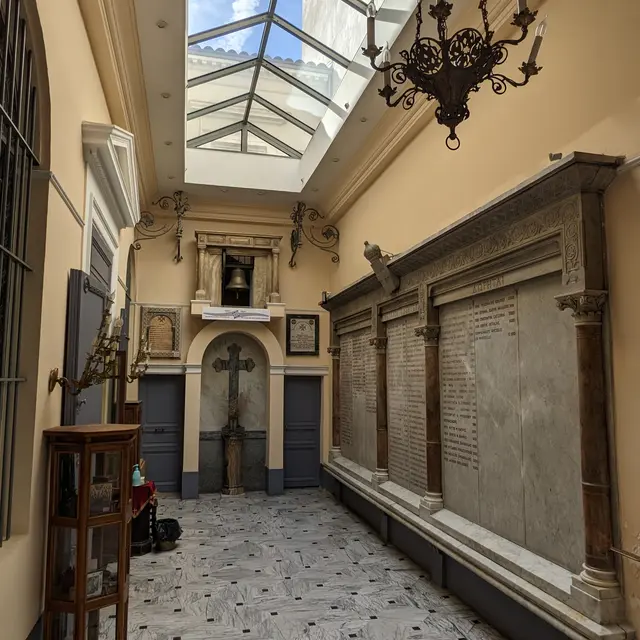
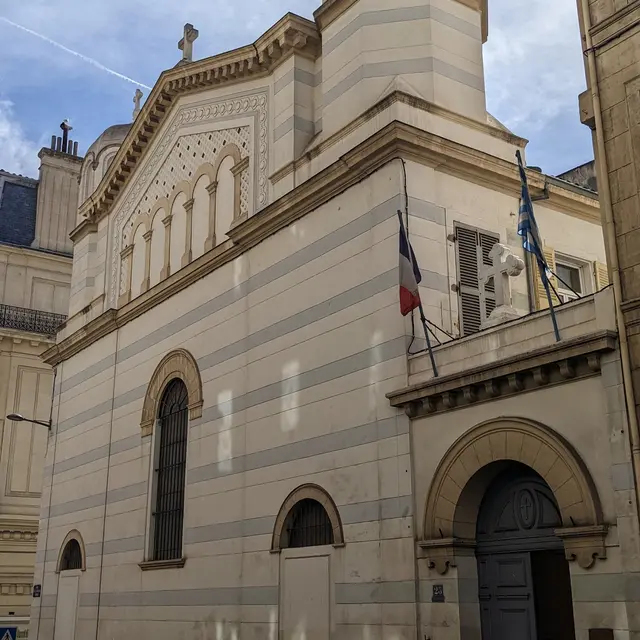
10La Byzantine building
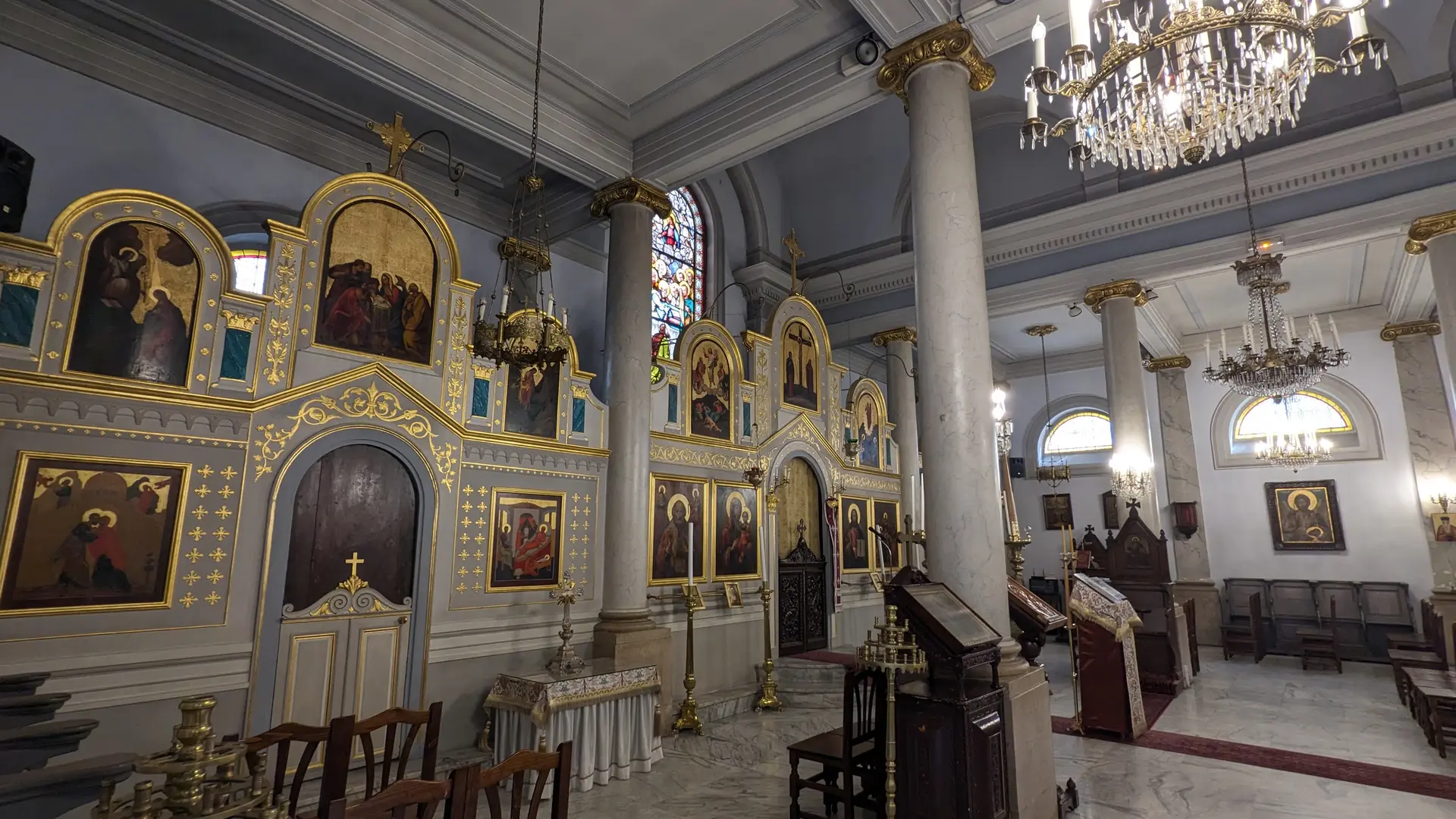
An architectural curiosity dating from 1860. The building was commissioned by a merchant from Odessa who was an influential member of Marseille's Greek community.
11Monument des Mobiles
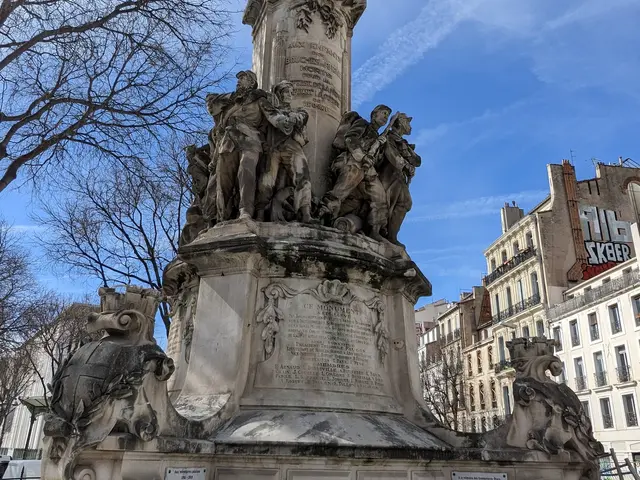
This monumental sculpture commemorates the painful loss of many young men who fought in the Franco-Prussian War of 1870 and 1871. It depicts 4 groups of soldiers of all arms leading the assault. The whole is dominated by an allegory of armed France, brandishing its sword. Too many men lost their lives during the fighting. Unable to name them all, as is normally the custom on this type of monument, the names of the main battles in which they lost their lives have been engraved in the stone.
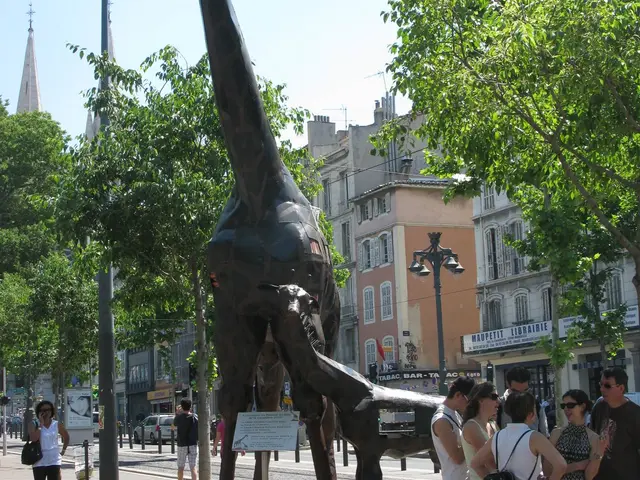
12Zarafa giraffe
This free-access book terminal in the shape of a giraffe pays tribute to France's very first giraffe, Zarafa, who arrived in Marseille from Egypt by boat. After a stay in quarantine and several adventures, including an uncontrolled escapade in the sandpits of the King of Spain, where she escaped from her keeper, she crossed France on foot to Paris in 1827. This journey unleashed a veritable "giraffomania" among the country's entire population. As a royal gift to Charles X, her passage through the cities was worthy of a major star. She lived in Paris for a dozen years, before being naturalised and her body transferred to the Natural History Museum in La Rochelle, where she can still be admired today.