What is responsible travel?
A responsible travel is a mode of travel that takes into account the ecological, social and economic impacts of the tourism industry on destinations visited, in order to reduce negative impact and increase positive impact on local communities and the environment. This may include different choices for the treveller, including accomodation, restaurants and purchasing local products to support the local economy. It also means minimizing carbon impact by choosing more sustainable modes of transport, such as trains or buses rather than planes. Responsible travellers also seek to discover the culture and life of local people rather than engage in activities that disrupt local life through mass effect. This may also include the selection of destinations that have already implemented sustainable environment practices, such as sustainable management of natural resources and protection of biodiversity.
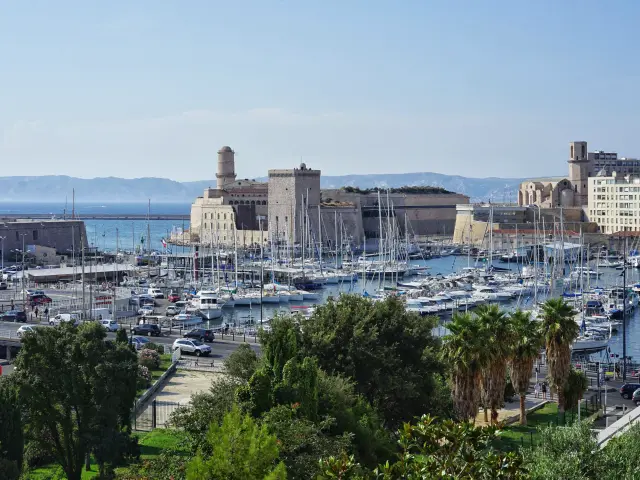
Old Port©joyanaomtcm

Why travel responsibly?
Today, we take the measure of the need to travel responsibly whether in France or abroad, for various reasons, for the environment, local communities or just for yourself. Reducing the negative impacts on the environment, water and air pollution, as well as habitat destruction and overpopulation, are the challenges of responsible travel for presersing tourist destinations for future generations. By choosing more sustainable transportation and supporting local environmenal initiatives, you can contribute to a healthier and more sustainable planet. Responsible travel can also benefit local communities, including the local economy, and preserve local cultures and traditions by enabling communities to retain their cultural identity. It can be beneficial to the travellers themselves by providing a more authentic and richer experience, allowing them to step out of their comfortzone and discover new perspectives, which can be very enriching personlla. It also means contributing to a more just world by ensuring that the benefits of tourism are shared equatably and by supporting local social and environmental initiatives, support for projects that improve the living conditions of local communities or protect human rights and preserve fragile ecosystems.