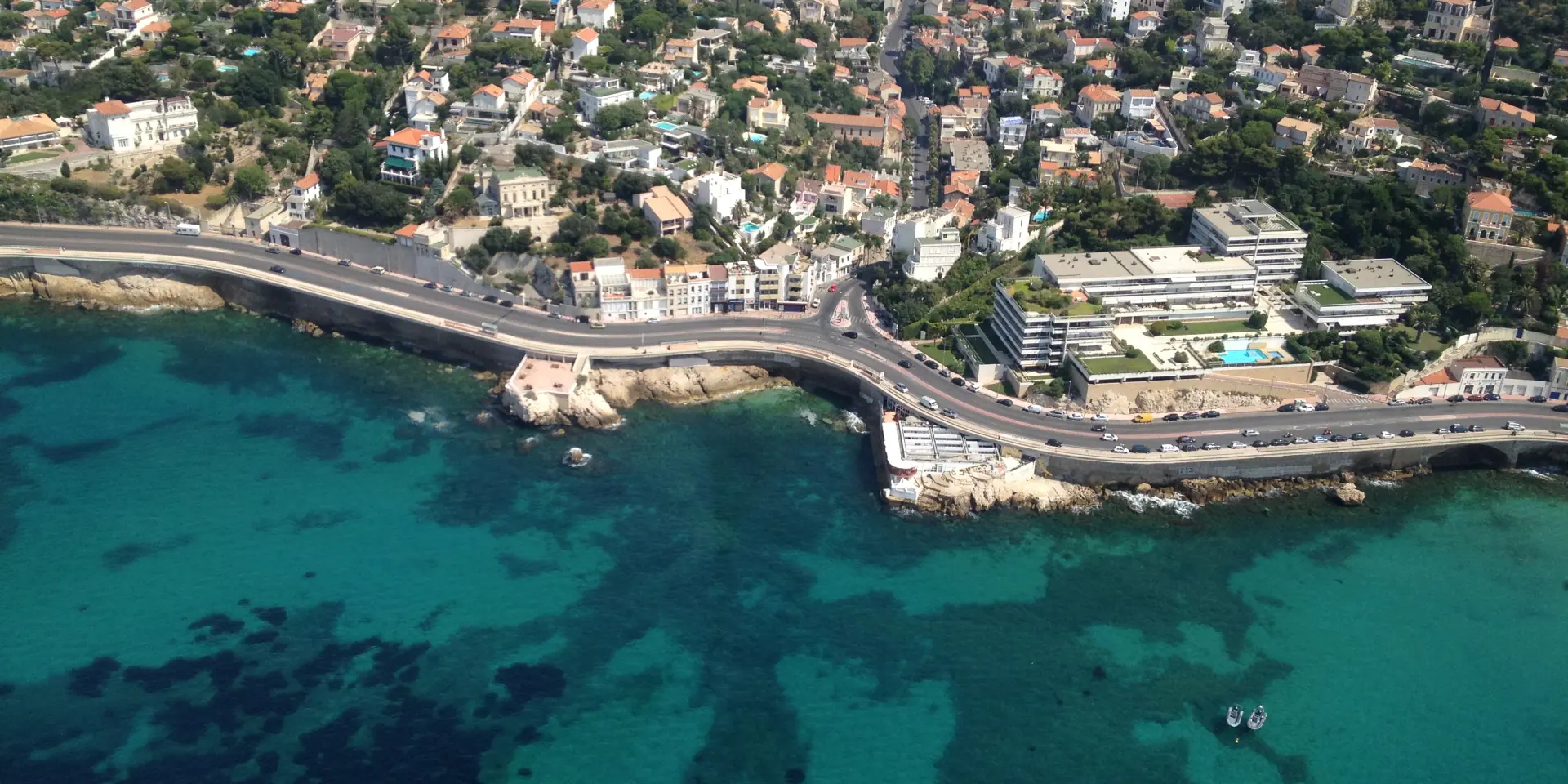
A popular promenade, from the Palais du Pharo to the Prado beaches
Now a must-see attraction, the Corniche Kennedy has not, however, always looked as it does today. When it opened in 1863, it was merely a narrow path running along the coast. Between 1954 and 1968, under the leadership of Gaston Defferre’s city council, it was gradually widened to become the grand panoramic boulevard we know today. A few years later, in 1963, it was renamed in honour of John Fitzgerald Kennedy, the US president assassinated in Dallas.
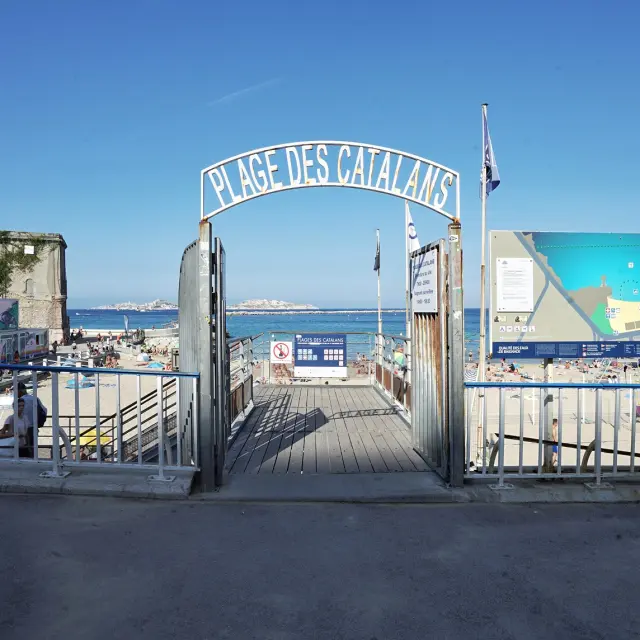
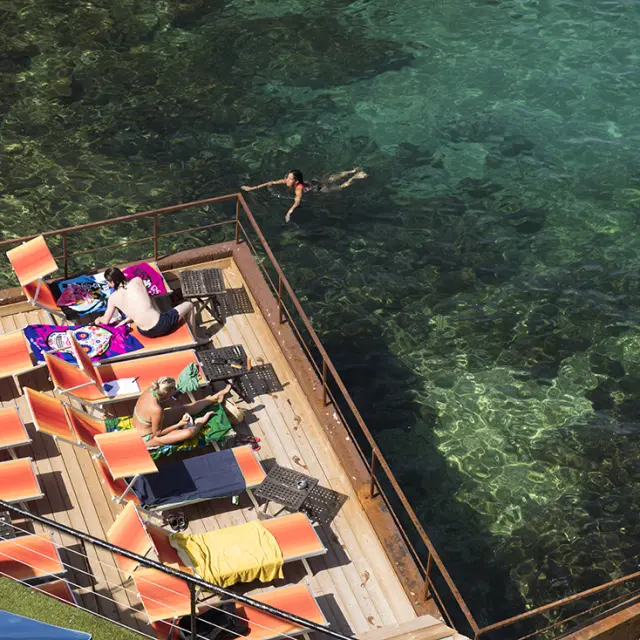
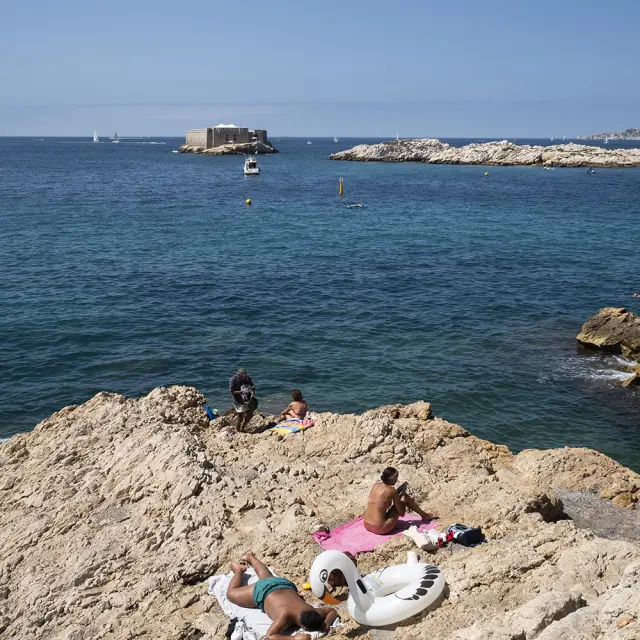
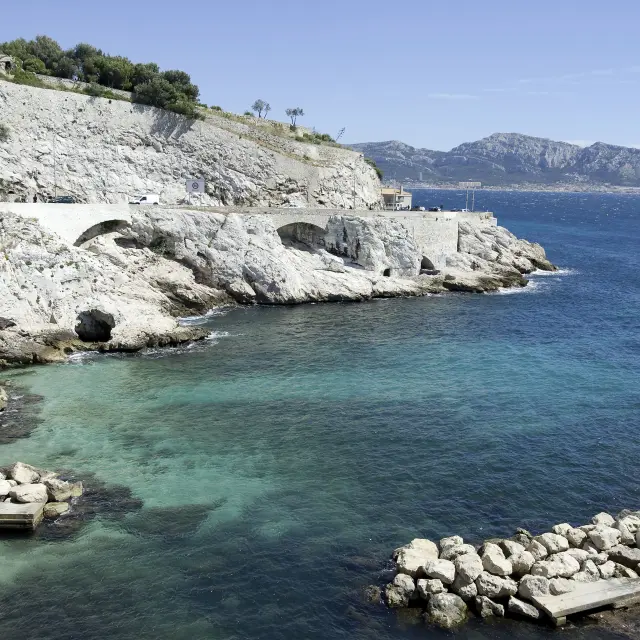
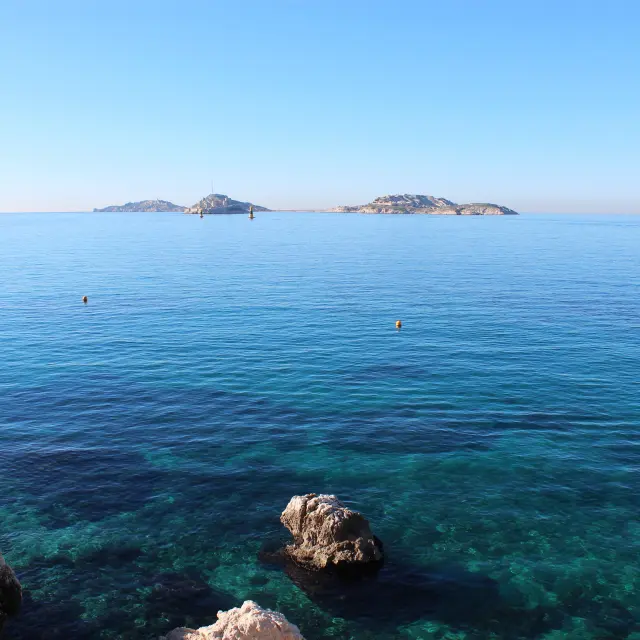
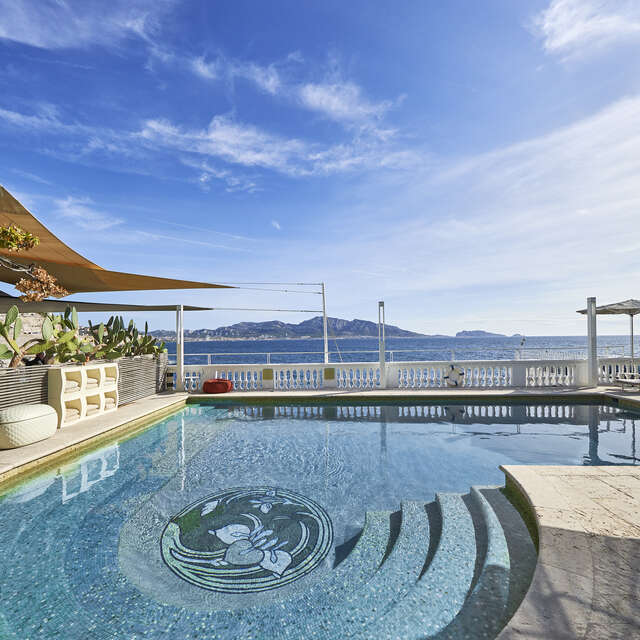
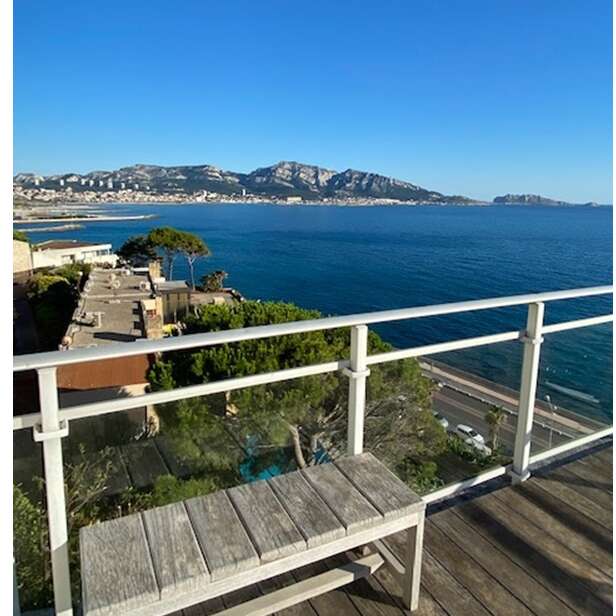
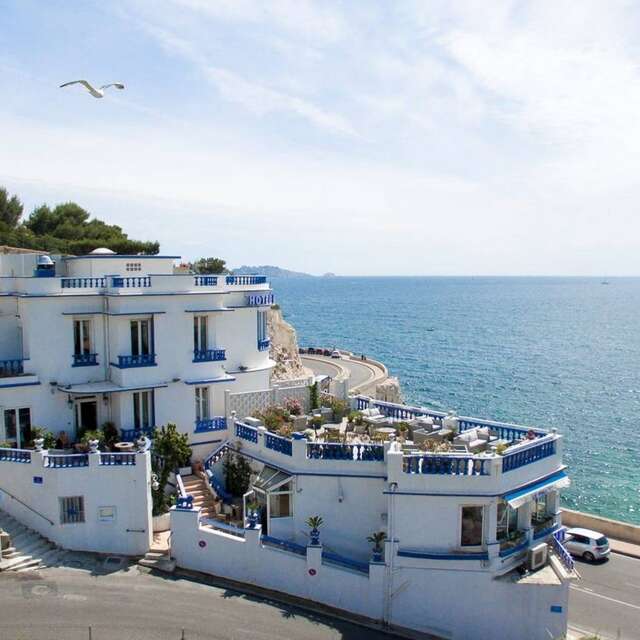
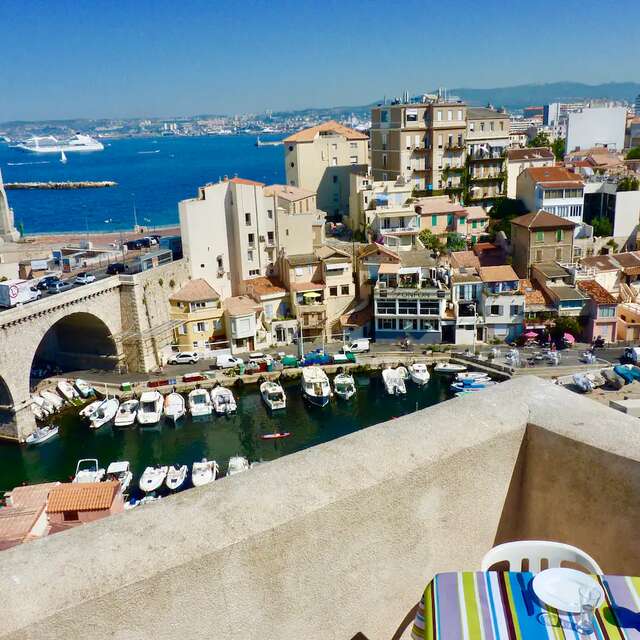
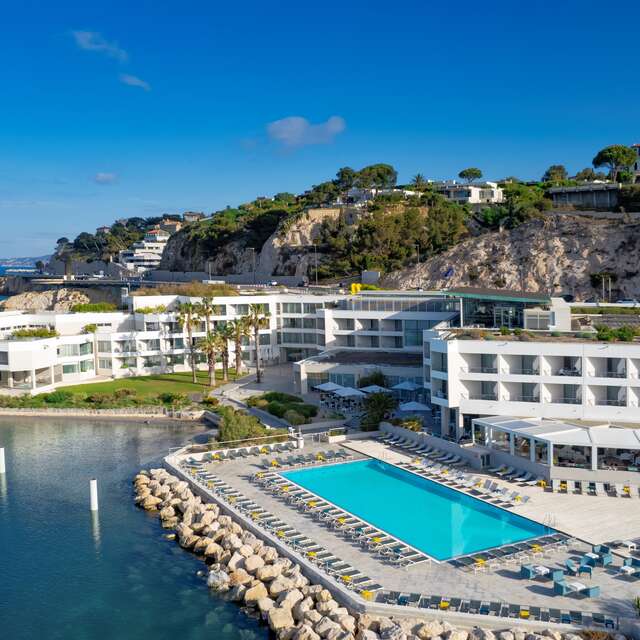
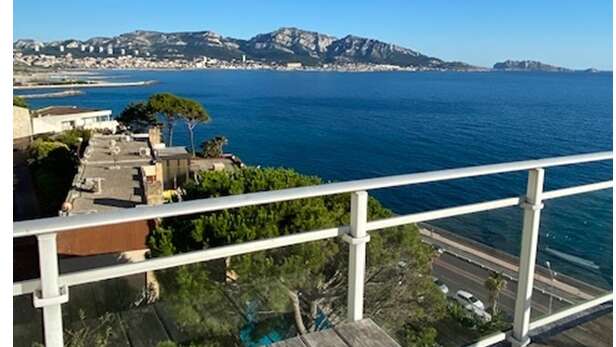
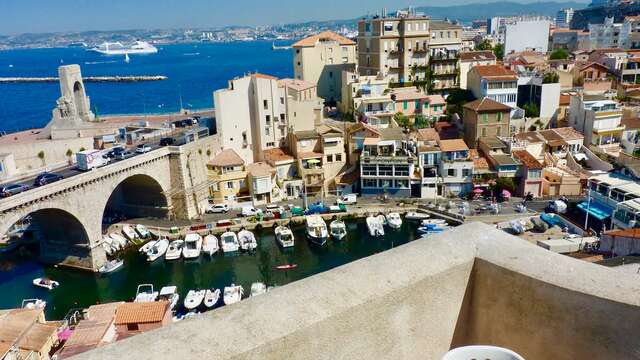
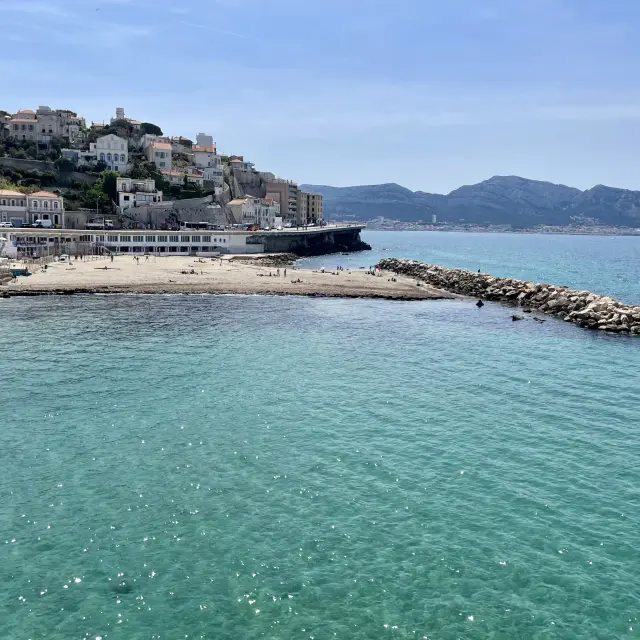
Stretching for nearly 3 kilometres, the Corniche Kennedy links the Palais du Pharo to the beaches of the Prado, offering exceptional views of the Mediterranean, the Frioul Islands and the Château d’If. A veritable invitation to take a stroll, it reveals, as you walk along, a succession of historic monuments, 19th-century villas, hotels, restaurants, bars and beaches. It also passes through two of Marseille’s iconic sites: the Vallon des Auffes via its famous three-arched bridge, and then the Vallon de la Fausse Monnaie.
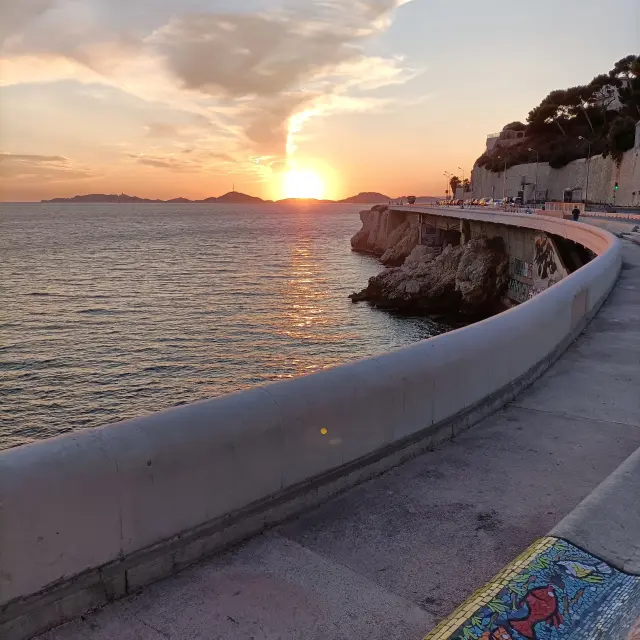
The Corniche Kennedy is also known for its famous stone bench. Installed in 1965, it is often described as the longest bench in the world, stretching for nearly 3 kilometres. This claim should be taken with a pinch of salt, however, as several breaks interrupt its continuity… a quirk that still amuses many walkers.
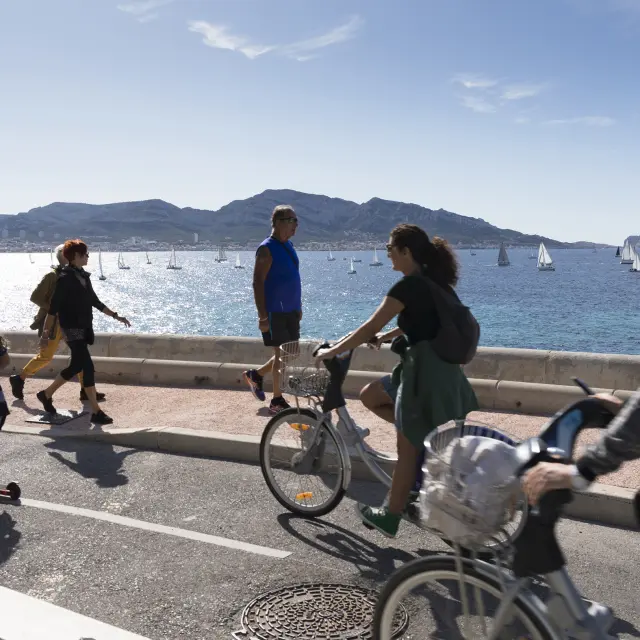
More recently, the Corniche has continued its transformation to make more room for soft mobility. In 2019, a 2-kilometre cycle path linking the Catalans beach to the Prado seaside park was opened. Since 2021, the ‘La Voie est libre’ initiative has also made it possible to enjoy the Corniche car-free one Sunday a month, offering pedestrians, cyclists and families a special setting in which to rediscover Marseille’s coastline.