A Brief History of the Canebière
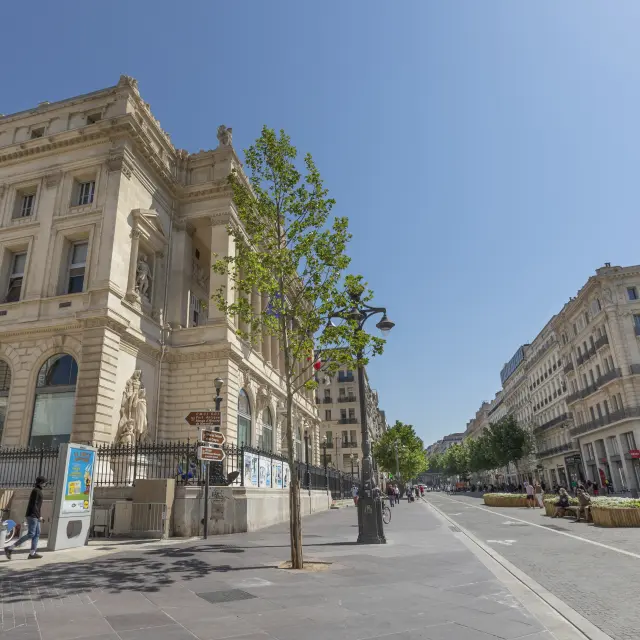
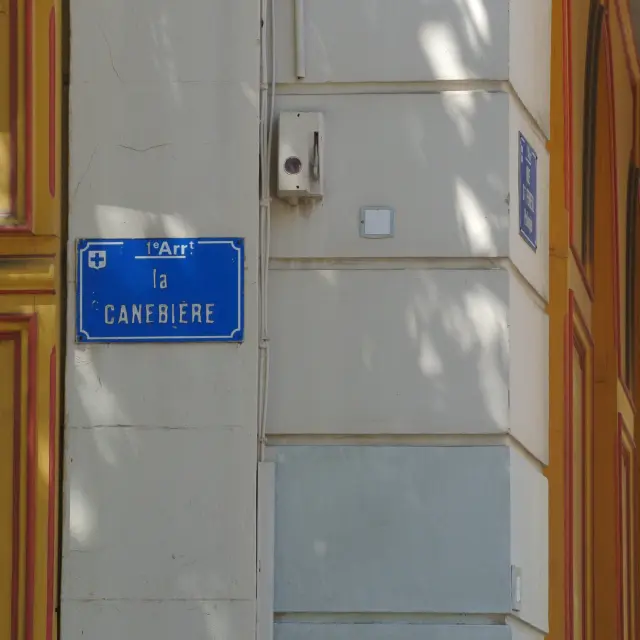
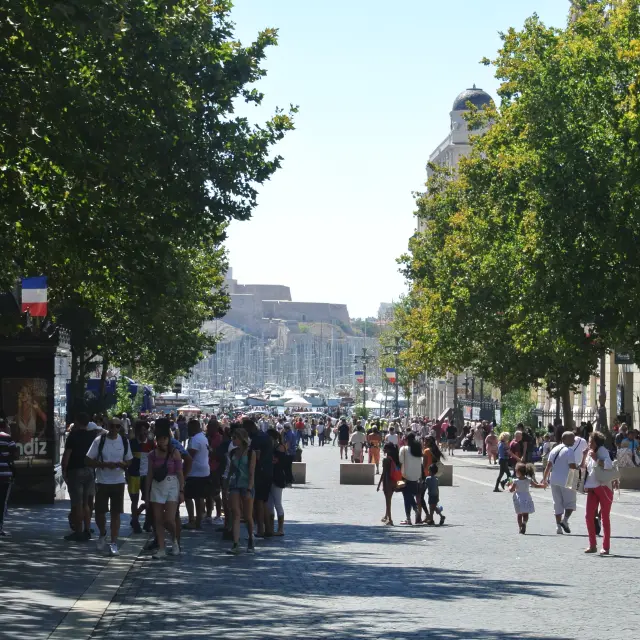
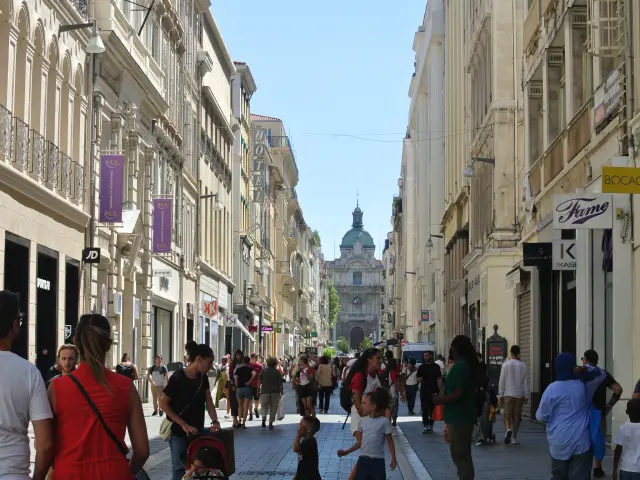
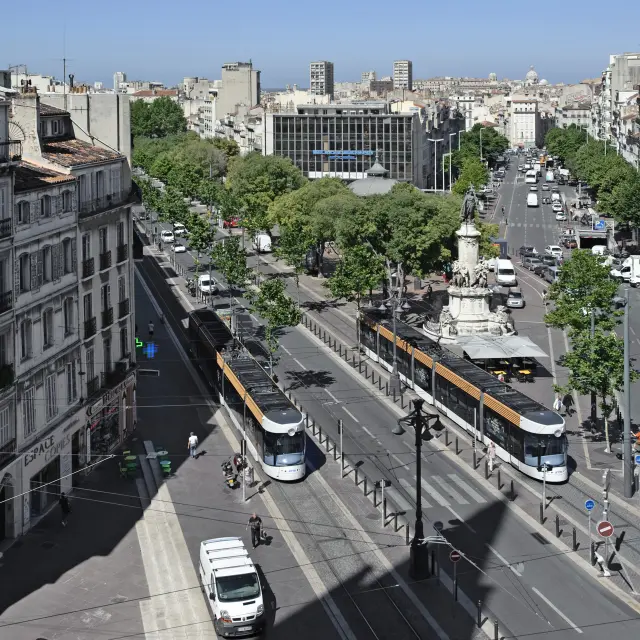
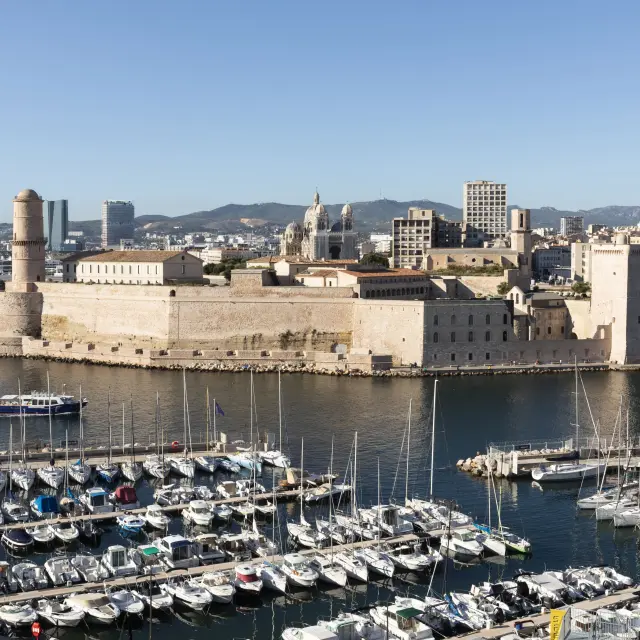
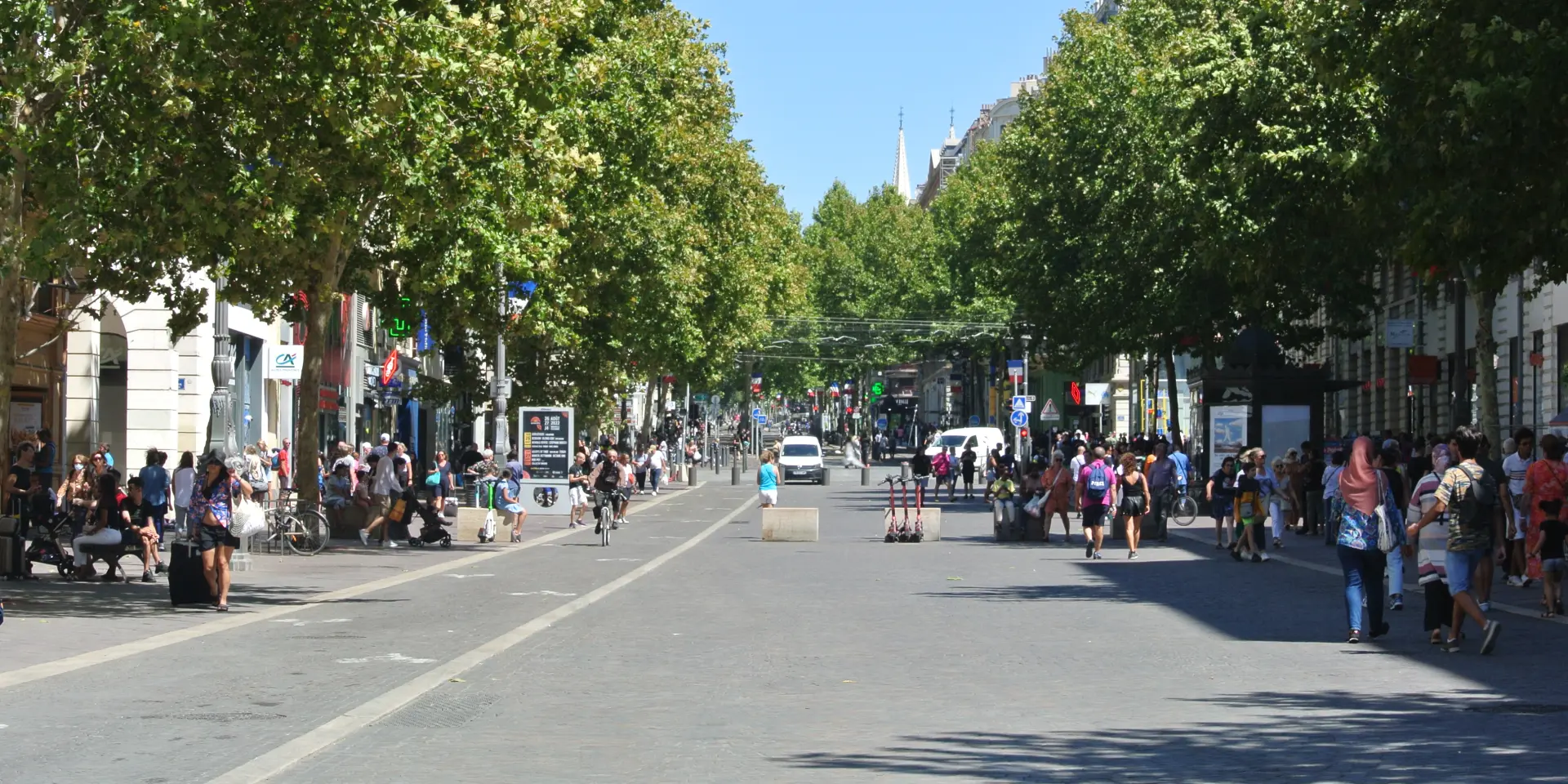
Stretching for around one kilometre, the Canebière runs through the heart of Marseille, linking the Old Port tothe Église des Réformés. Since 1927, it has also included Rue de Noailles and the Allées de Meilhan. Its name comes from the Provençal word ‘canebiera’, meaning ‘hemp field’, in reference to the hemp trade which long brought wealth to Marseille. At that time, the city was one of the world’s most important centres for the hemp trade, supplying the ropes and slings essential to sailing ships.
The history of the Canebière began in the mid-17th century, when Louis XIV ordered the expansion of Marseille. Originally, the avenue stretched only between the Cours Saint-Louis and the Galères arsenal. At that time, it was 250 metres long and 11 metres wide.
Over the centuries, the Canebière was transformed and expanded. Between 1743 and 1751, several buildings were constructed between Rue Saint-Ferréol and Cours Saint-Louis, encouraging the establishment of luxury shops such as perfumeries, bookshops and confectioners. In 1785, following the decommissioning of the Galères arsenal, the avenue was extended as far as the Vieux-Port.
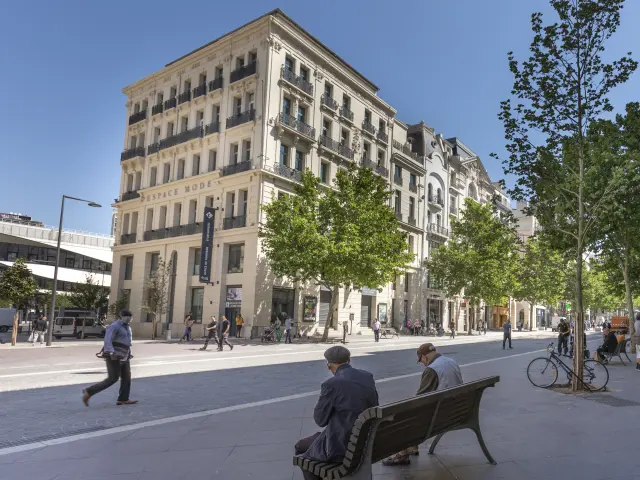
The Canebière as we know it today took shape mainly in the 19th century, during the Second Empire, with the development of the section linking the Quai des Belges to the Church of Saint-Vincent-de-Paul. In 1928, it was officially extended as far as the Réformés. Even today, its three successive sections bear witness to the evolution of Marseille and the various urban planning choices that have shaped this legendary avenue.