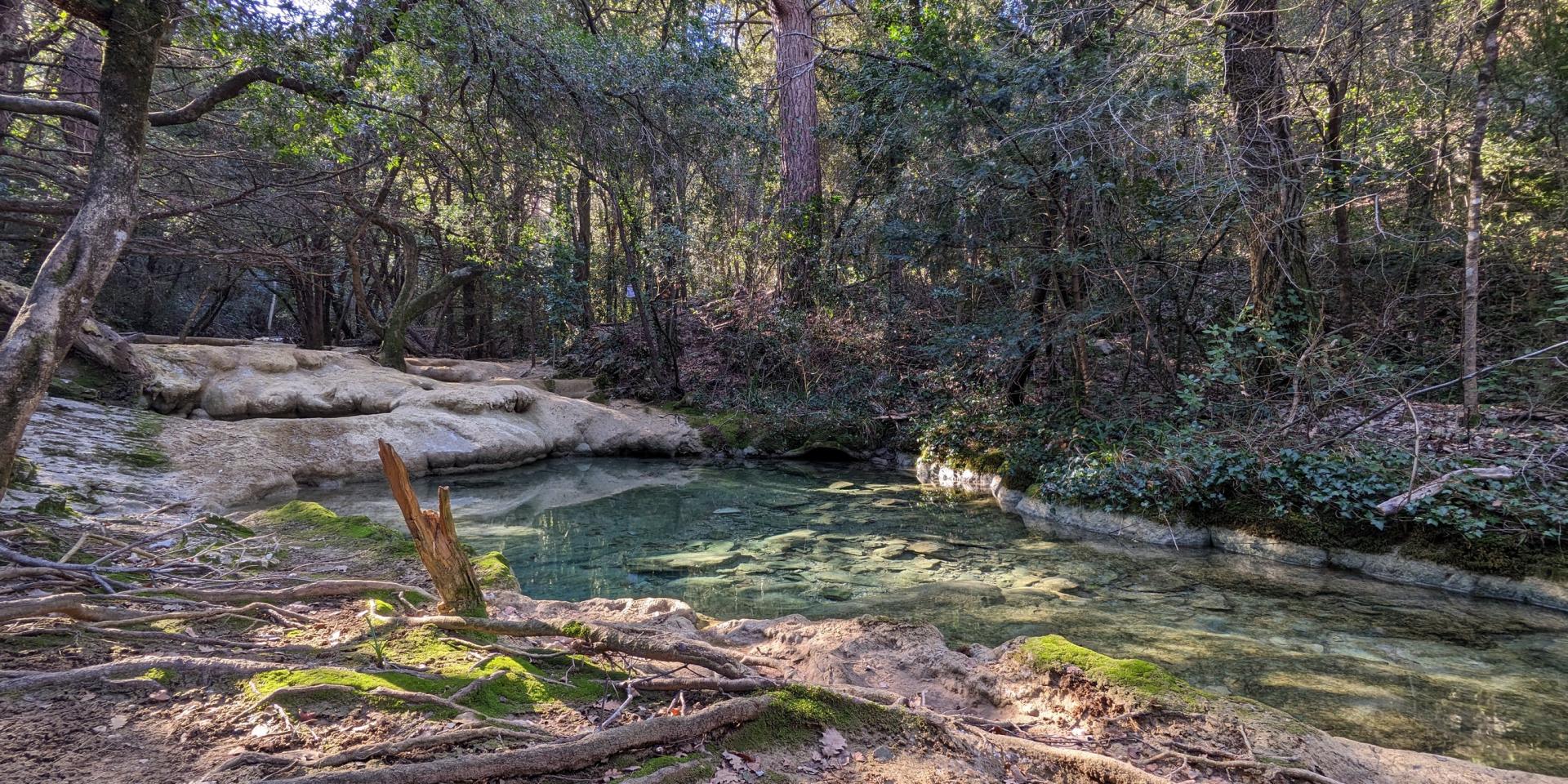
Source De L Huveaunehkotcm 32Source De L Huveaunehkotcm 32
©Source De L Huveaunehkotcm 32

The Huveaune in Marseille

Between history and nature

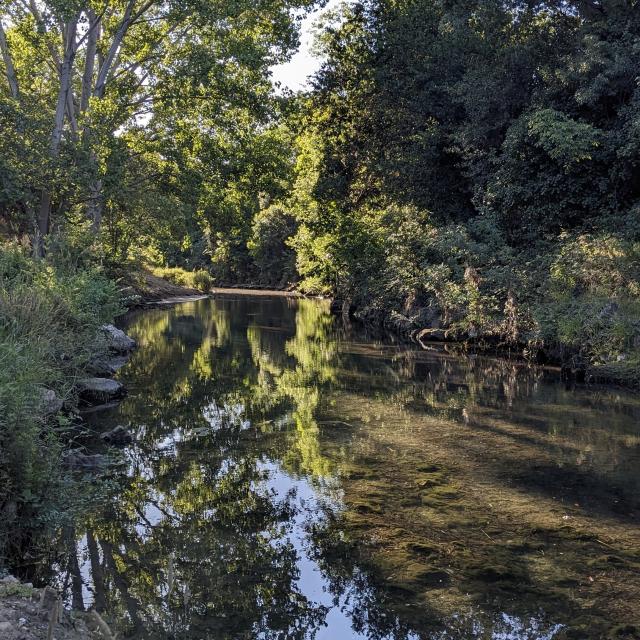
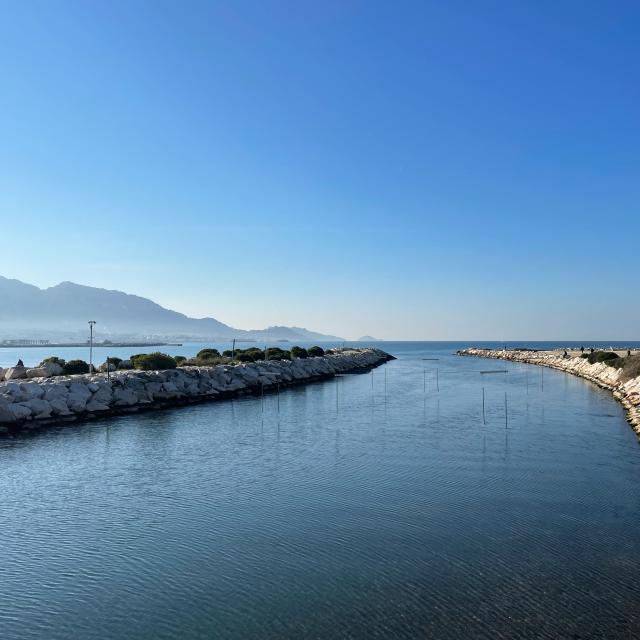
A discreet river, yet one that has long been essential to the people of Marseilles, the Huveaune flows through the east of the city before joining the Mediterranean. This often little-known river has nevertheless shaped the history and landscape of the city of Marseille. From its source nestling in the Sainte-Baume massif to its mouth on the Prado beaches, it irrigates farmland, industrial memories and renaturation projects. Rediscover the Huveaune through its course, its uses and the initiatives that are today breathing new life into its urban banks.

At the source of the Huveaune: a Mediterranean coastal river

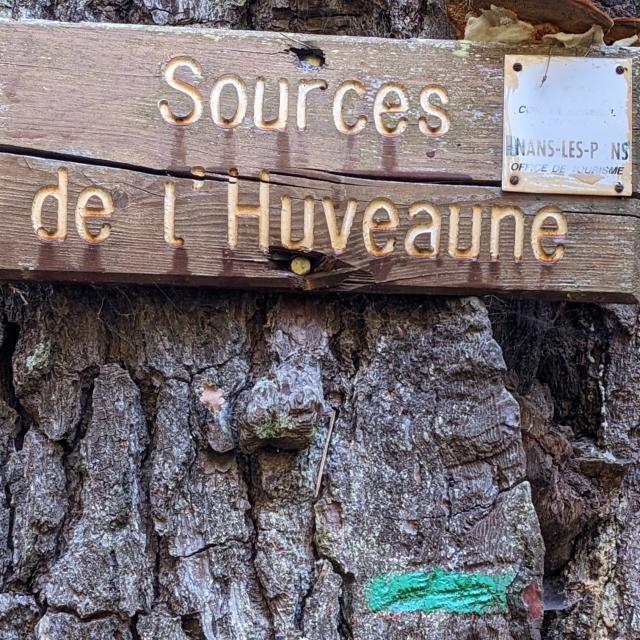
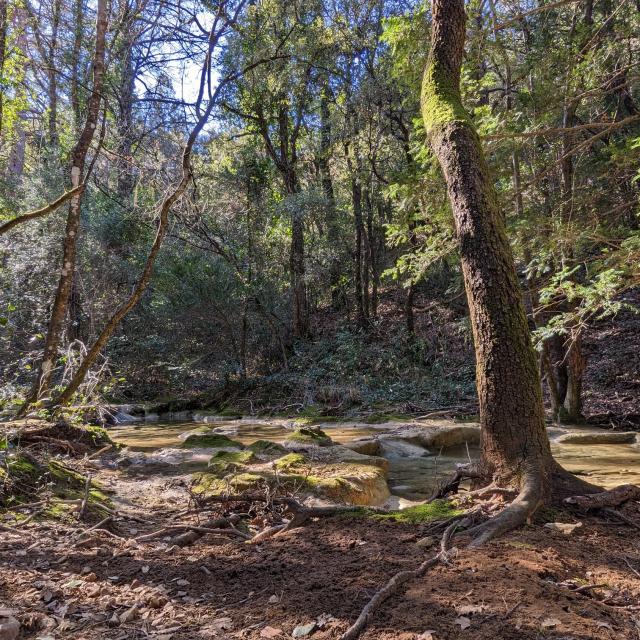
The Huveaune springs from the rock in the heart of the Sainte-Baume, in the Castelette cave at just under 600 metres altitude. Originating in the commune of Nans-les-Pins, the river flows along the northern side of the Sainte-Baume massif before threading its way between the Garlaban and Calanquesmassifs to the Mediterranean Sea. In just fifty kilometres, it flows through 7 communes : Nans-les-Pins, Saint-Zacharie, Auriol, Roquevaire, Aubagne, La Penne-sur-Huveaune and Marseille.

Right from its source, the Huveaune is bothbeautiful andfragile. Its natural flow is irregular, and can be reduced to a trickle, or even disappear temporarily in summer in certain parts. But don’t be fooled by its apparent calm, for its floods are fearsome and are even the source of its name: Huveaune is said to derive from the Celto-Ligurian ” Ybelcos ” or ” Ubelka “, meaning “the devastating one”.

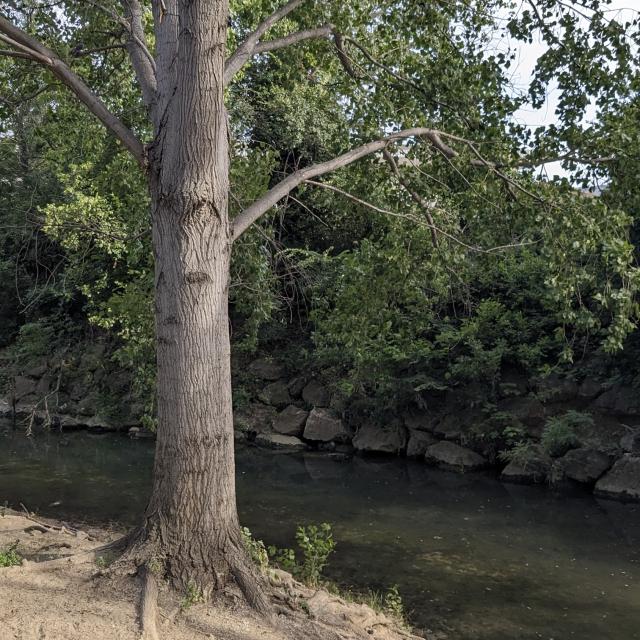
Over the centuries, the Huveaune has profoundly shaped the landscapes it flows through. In the plain between Aubagne and Marseille, its alluvial deposits have formed fertile land that has long been used for market gardening. As it approaches the city, the course of the river becomes more discreet, channelled over large stretches and hidden from view. Yet this typically Mediterranean coastal river is a major geographical landmark and a natural heritage that the people of Marseilles and tourists alike are rediscovering today through projects to enhance and renaturalise its banks.
The Huveaune valley, a vegetable garden for the people of Marseilles

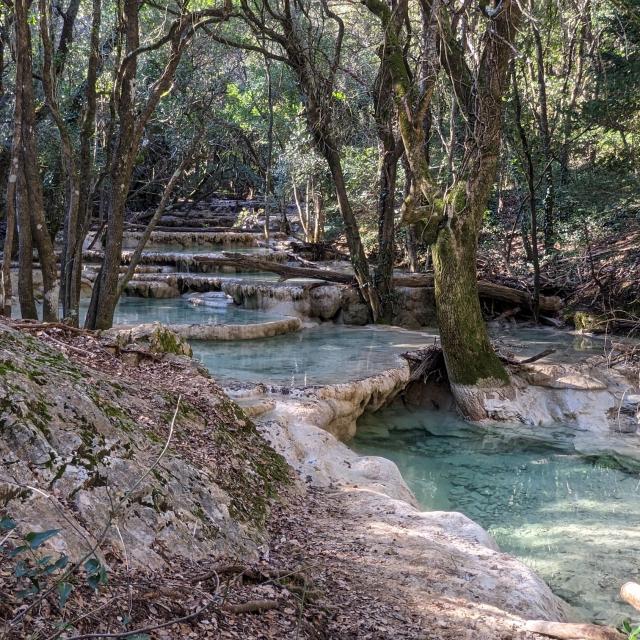
Before the construction of the Durance canal in the 19th century, the Huveaune played a fundamental role in supplying the city with water. Its course also irrigated a vast fertile plain stretching from Aubagne to Marseille, which had been developed since the 10th century by the monks ofSaint-Victor Abbey.

The alluvium deposited by the river over time gave rise to arable soils, ideal for growing vegetables, vines, cereals and fruit trees. Thanks to an ingenious network of irrigation canals and roubines, the waters of the Huveaune were diverted to feed the cultivated land. This system, which was partly home-made, was part of a deeply-rooted farming tradition handed down from generation to generation. Market gardeners and farmers sold their produce directly on the markets of Aubagne and Marseille, or entrusted their cereals to the mills along the river.

These market gardens have largely given way to urban development. But the memory of this agricultural activity lives on, notably in the shared gardens and green spaces that still line the banks of the Huveaune.

River or stream?

The Huveaune is no ordinary river. Although its modest length and irregular flow mean that it cannot compete with the powerful neighbouring Rhône, it cannot properly be described as a river: it flows directly into the sea. Geographers therefore use the term ” coastal river “. In reality, no one from Marseilles will mind if you simply call it a “ river “.

Water power at the service of industry

In the 18th century, the waters of the Huveaune were used to power a gunpowder factory. The river’s motive power drove the gunpowder hammers, and the explosives produced were used to power the warships based in Toulon. However, a lack of water and tensions with landowners prompted the authorities to transfer the factory to Saint-Chamas, on the banks of the Etang de Berre, in 1690. The remains are now showcased in a vast wooded area managed by the Conservatoire du Littoral, the Parc de la Poudrerie.

Dozens of water mills have been built over the centuries on the banks of the Huveaune between Aubagne and Marseille. Numerous factories then developed here in the 19th century, harnessing water power for their industrial activities. The furthest mill along the river was located around one kilometre from the sea, close to what is now Boulevard Barral.

The industrial history of the Huveaune valley continued well into the 20th century, as evidenced by the former Rivoire et Carret – Lustucru pasta factory, which today houses the municipal services: the proximity of the Huveaune facilitated water drainage thanks to a sandstone pipe system.

The Huveaune, symbol of a sustainable and responsible Marseille

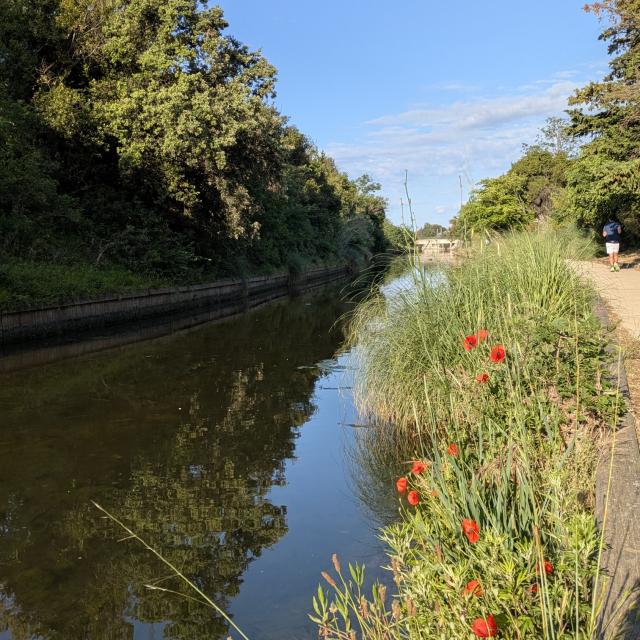
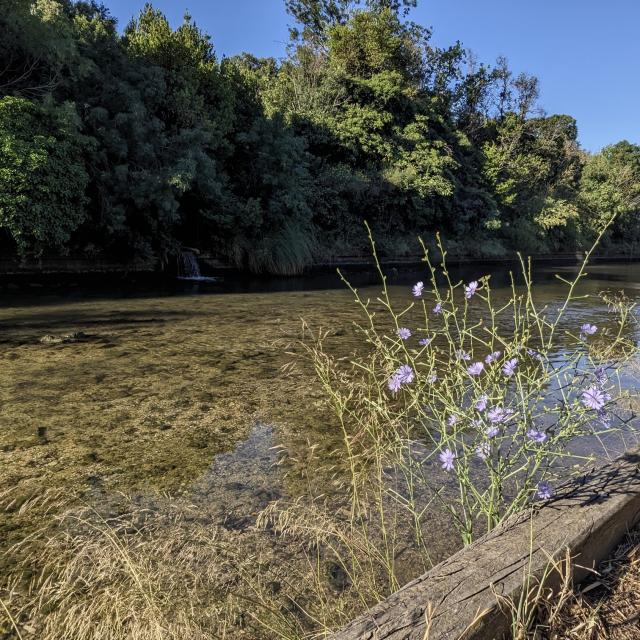
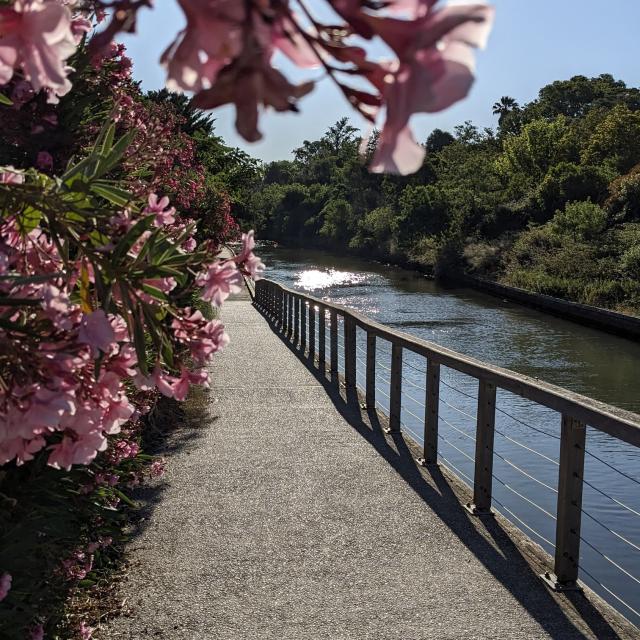
Long forgotten by major urban projects, the Huveaune is now being rediscovered and given a new lease of life. Its banks, which are gradually being developed, are becoming a veritable green corridor that crosses Marseille from east to west. Renaturation projects are aimed at restoring the riverbed, enhancing local biodiversity and providing local residents with green spaces and routes dedicated to soft mobility.

Continuous ecological zones have been re-established between the districts of Saint-Loup, Sainte-Marguerite and the coastline, with the creation of footpaths and cycle paths. These developments now make it possible to walk or cycle along part of the Huveaune, in a more natural setting, and provide areas of greenery and freshness in the heart of the city.

This return of nature to the city has given the Huveaune back its central place in Marseille. The river is once again a place where people can share, enjoy and learn about the environment, at the heart of a metropolis seeking to strike a balance between development and quality of life.

Subscribe to our newsletter

Stay connected and find out all the latest news from Marseille