Discover

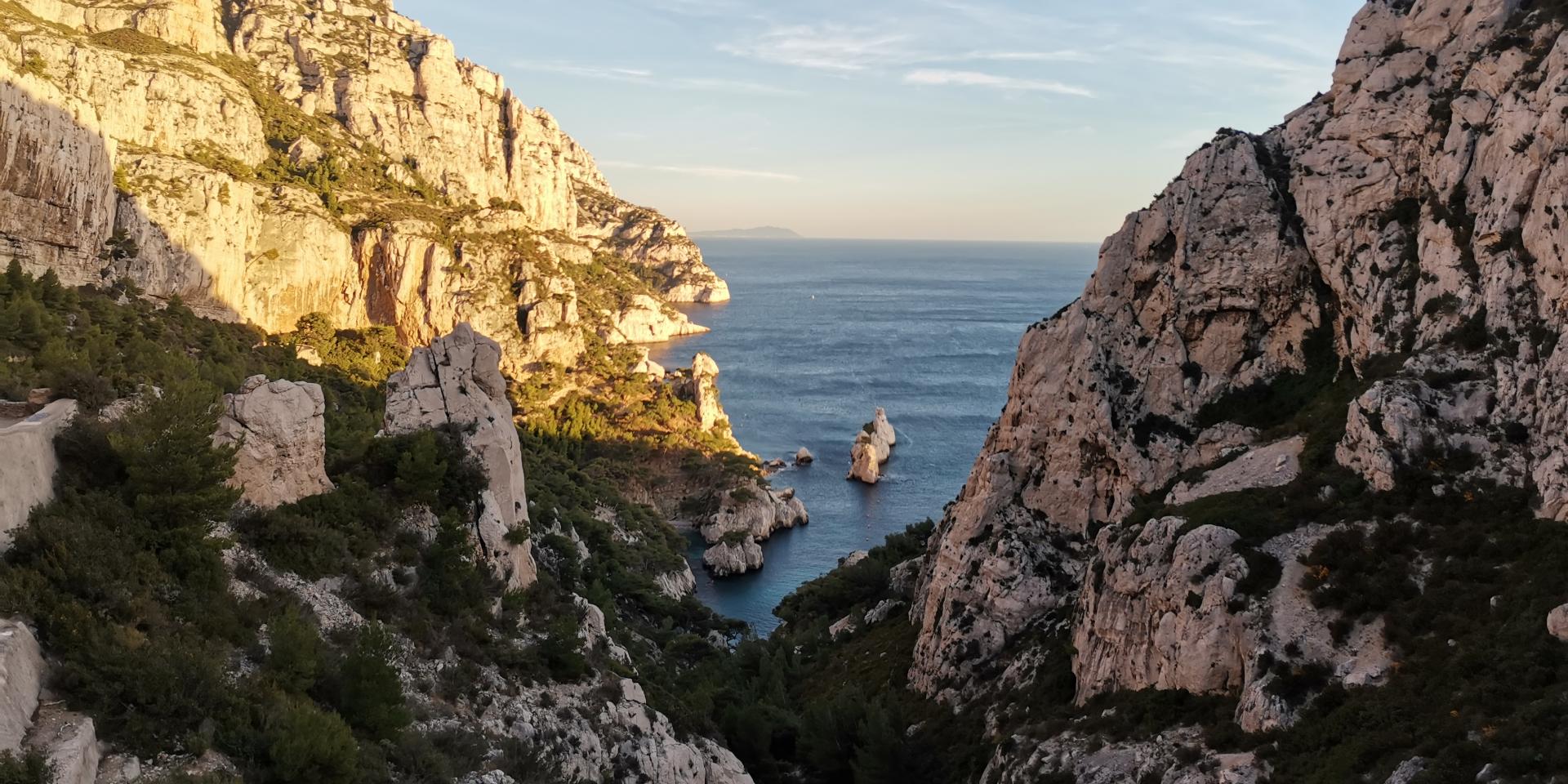
The Sugiton calanque

and the "torpedo boat" rock

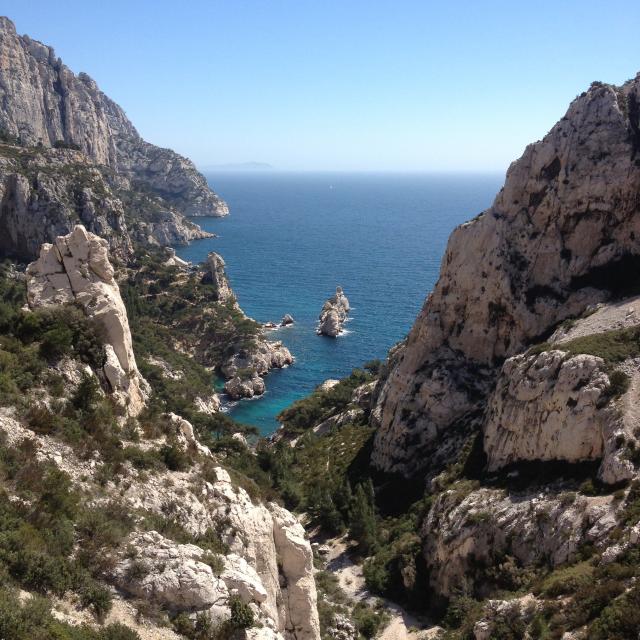
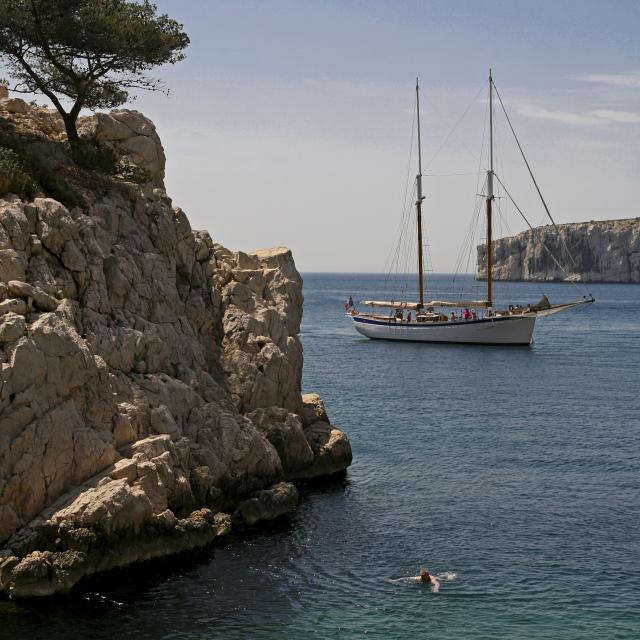
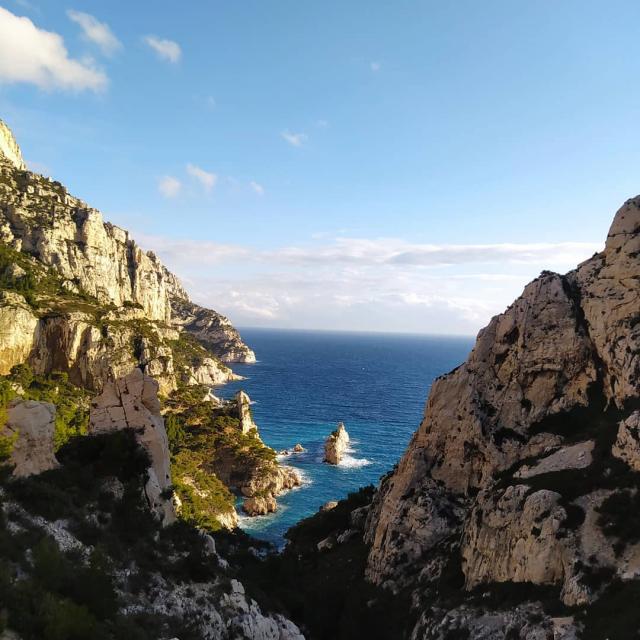
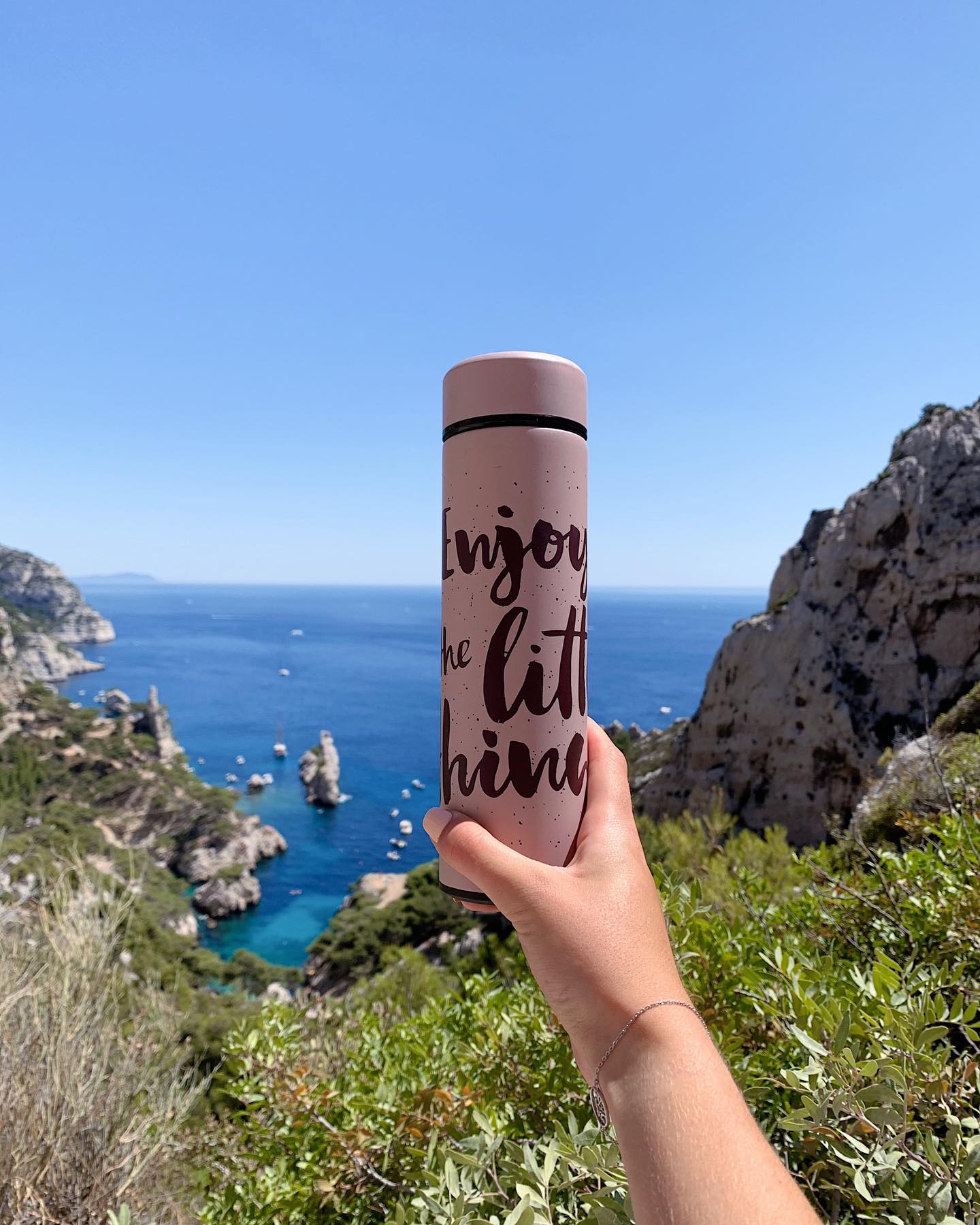
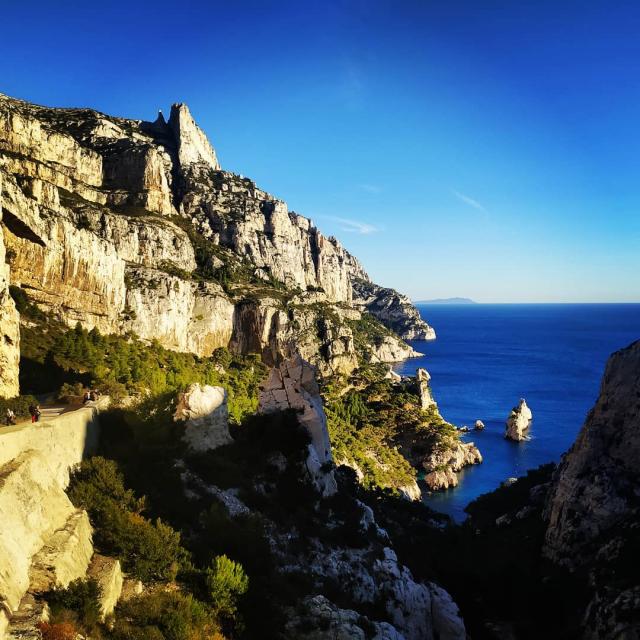
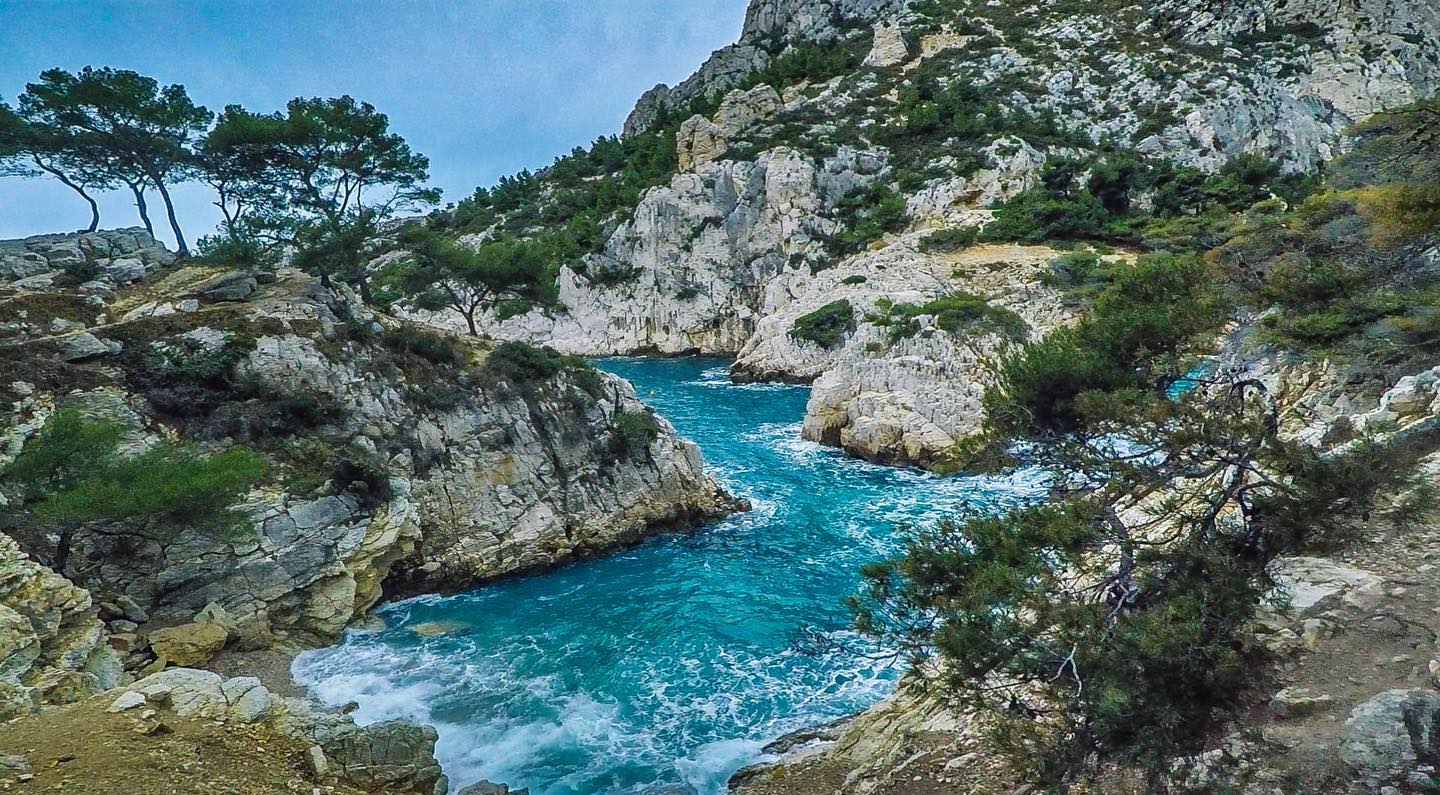
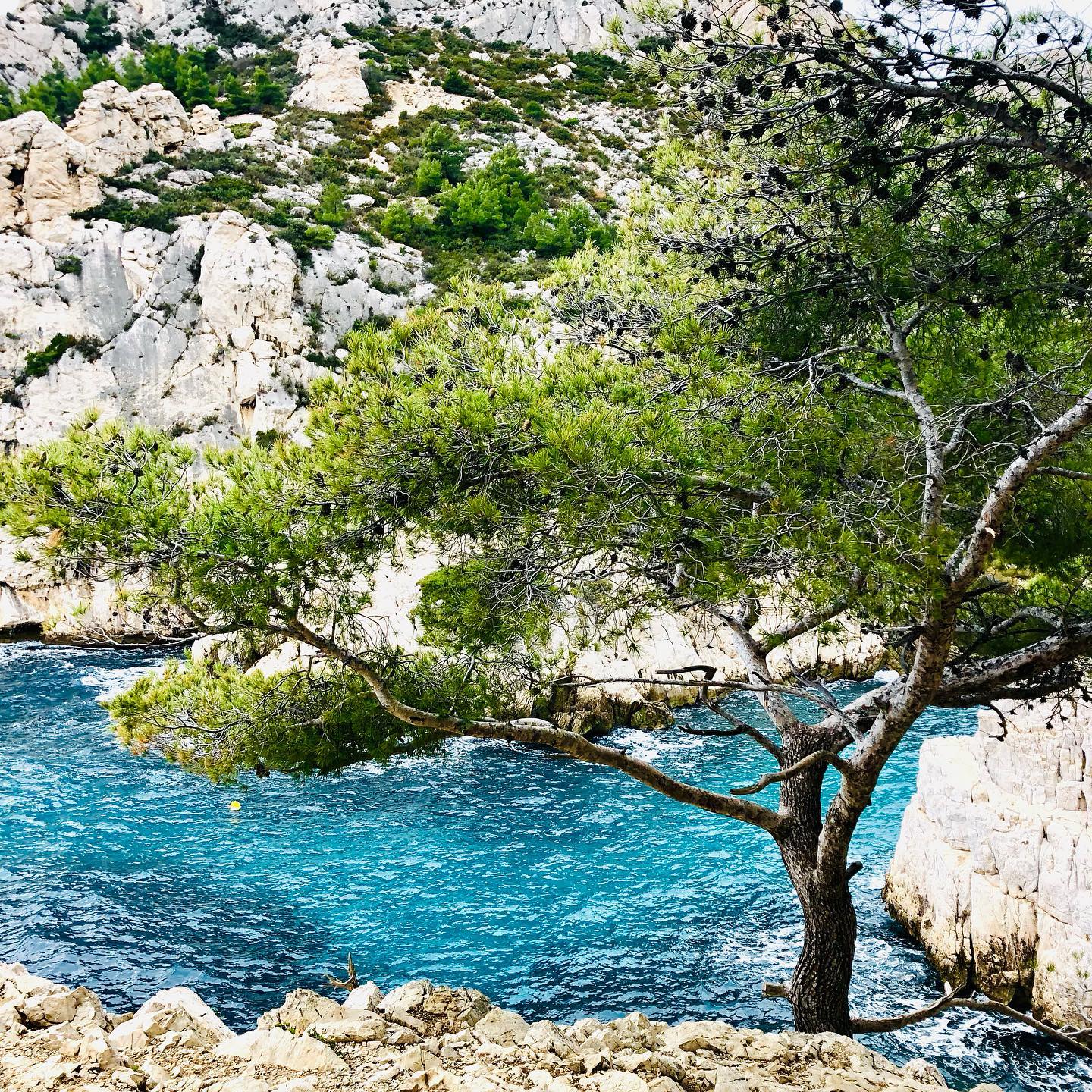
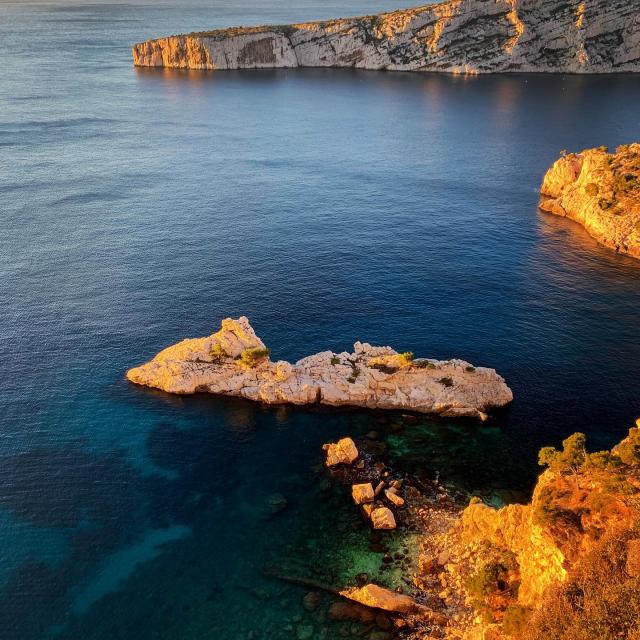
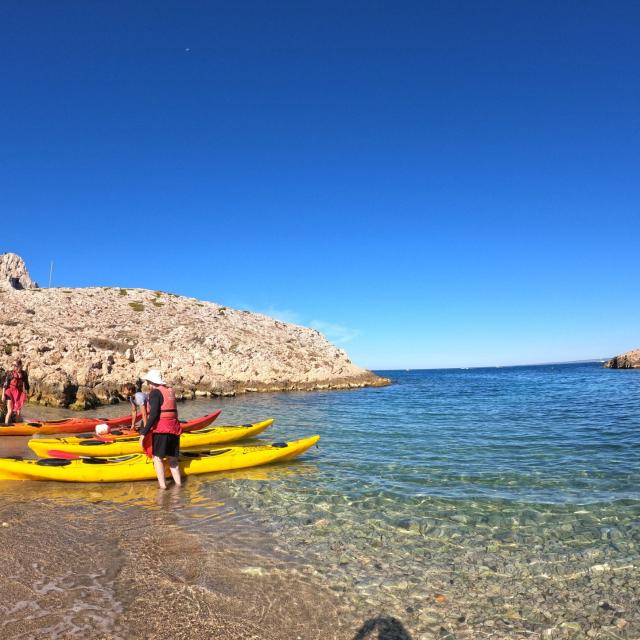
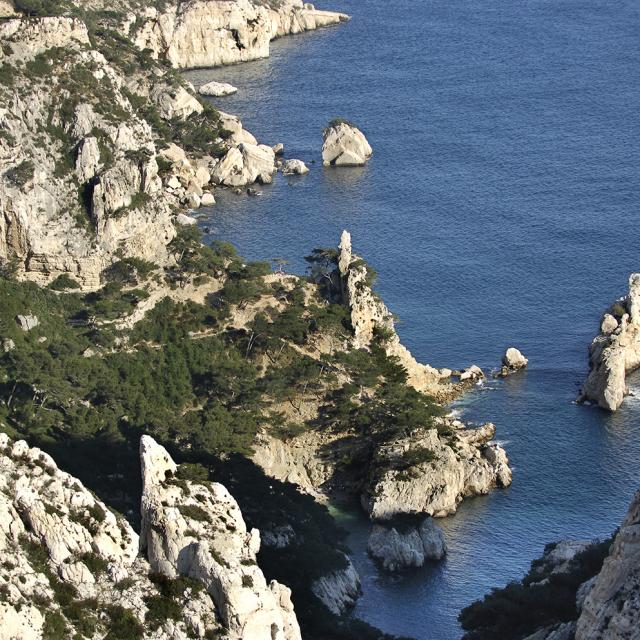
It’s a real paradise! A small cove with a varied relief, shaded by sand, pebbles and rocks, its waters are cool and crystal-clear. The large, elongated rock opposite is called “Le torpilleur” because of its resemblance to a warship.

There are two small coves, each with its own pebble beach. Of course, as the calanque is located in the National Park, thanks to its exceptional site of international renown, visitors must behave in a respectful manner.

Discover the calanque

A nature trail

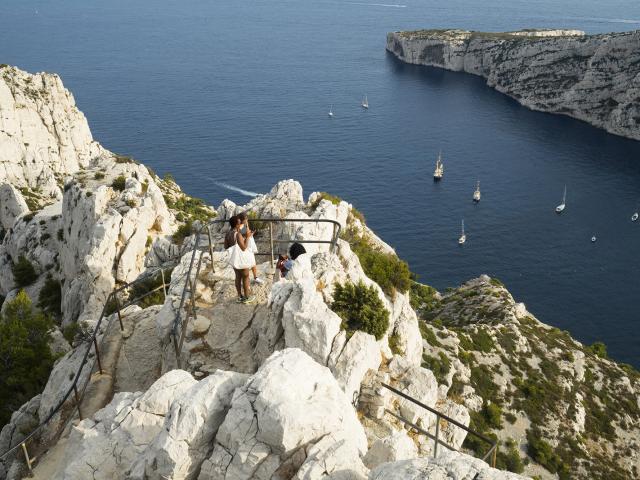
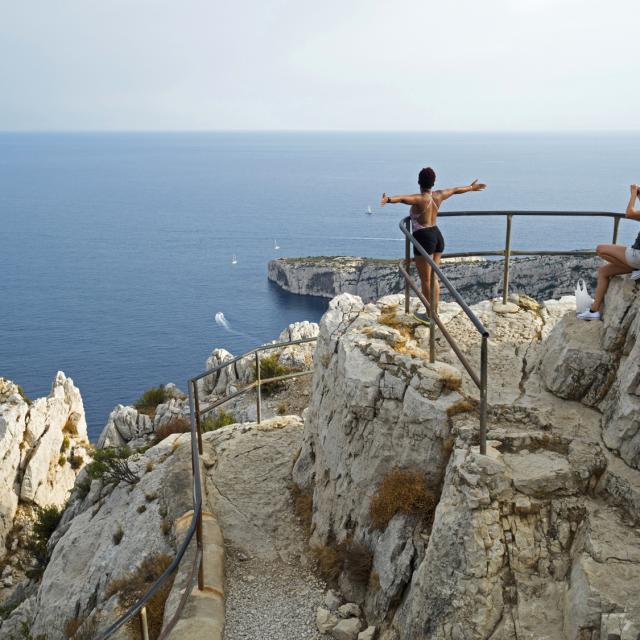
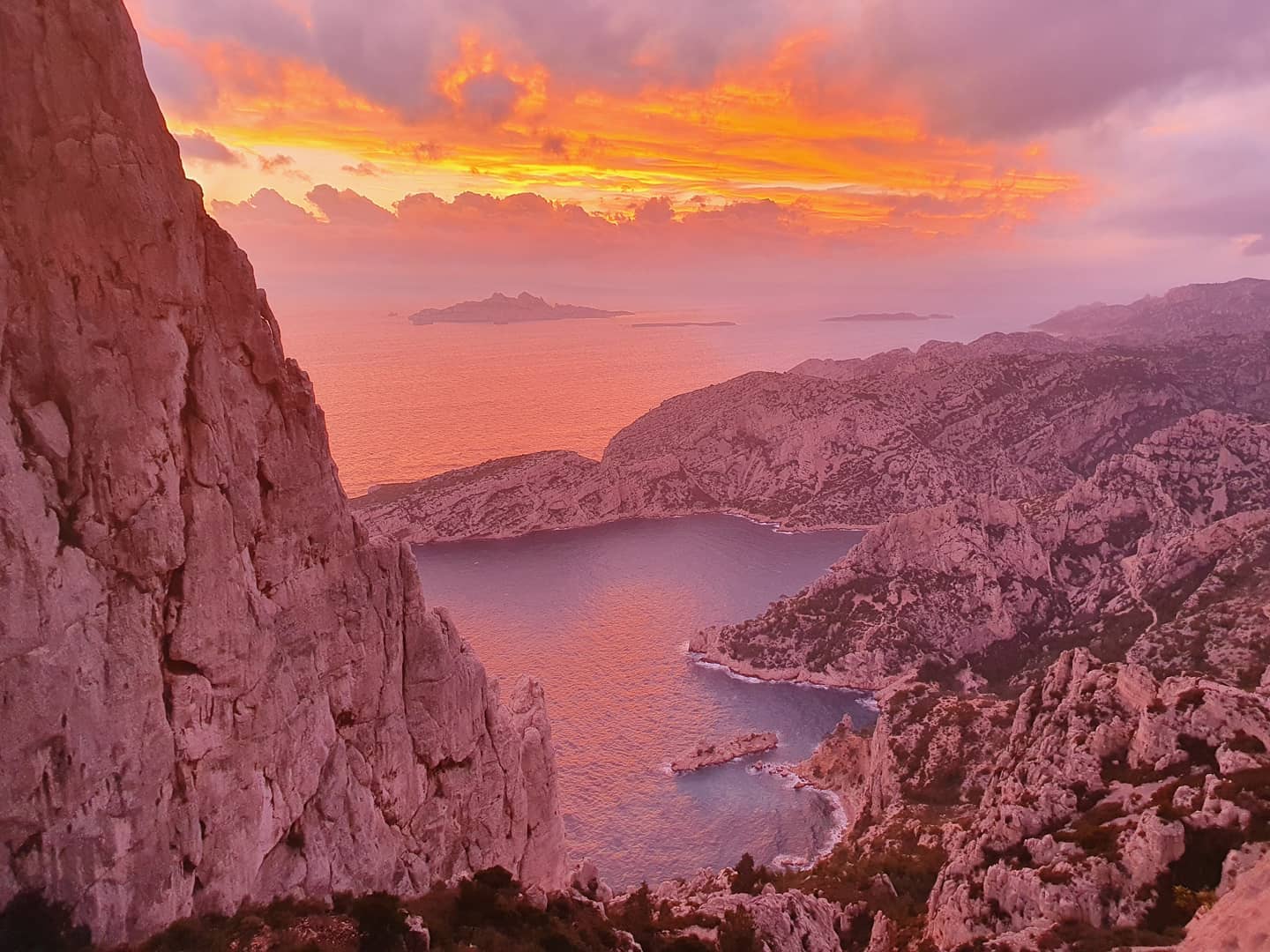
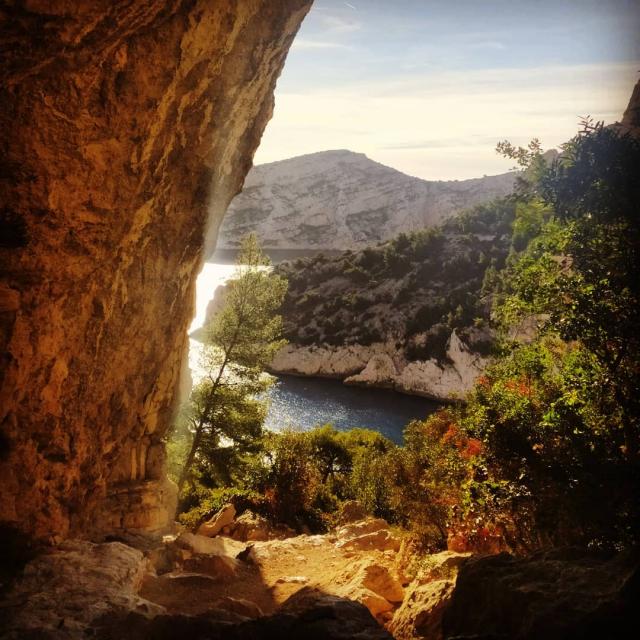
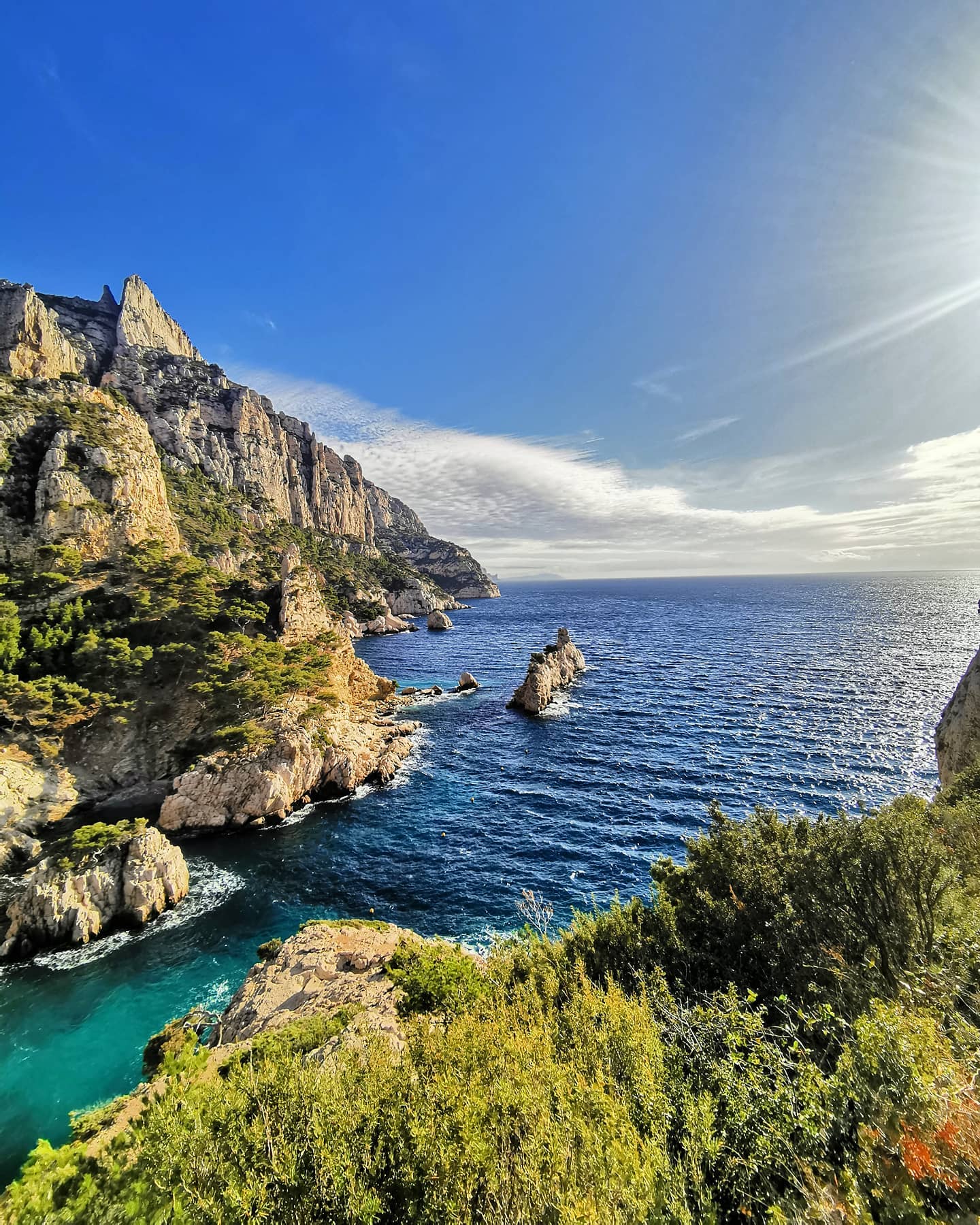
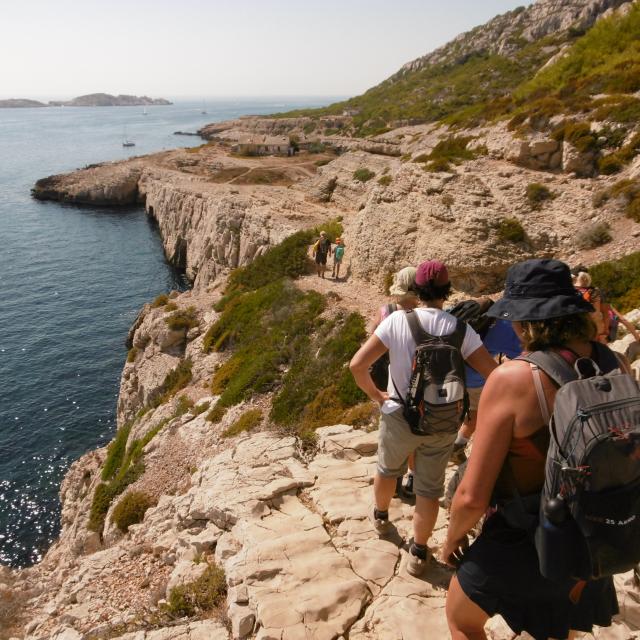
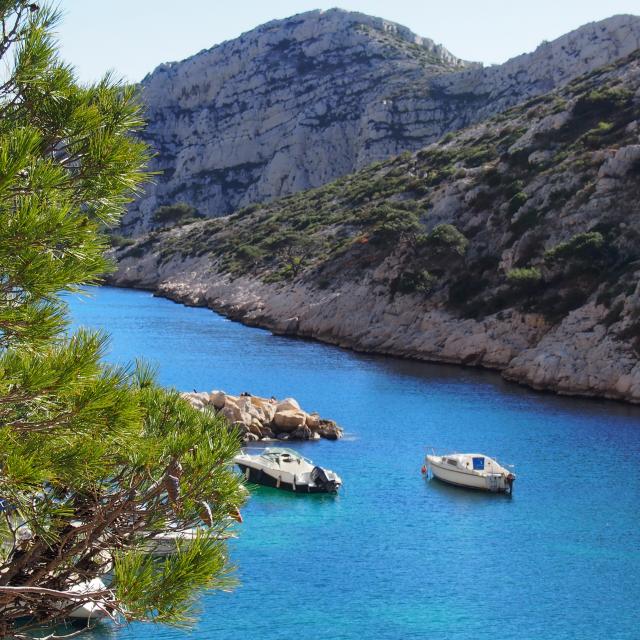
It takes around 1 hour to go downhill and barely more to go back up. For the first half-hour, the path is a shared one until you reach the Sugiton pass esplanade. It’s a false flat until you reach the pass, where on the right you can walk up to the Belvedere, which offers a magical view of the Morgiou cove (the half-hour round trip is well worth it!), and the harbour of Marseille with its islands.

There are also two ways into the calanque from this spot:

The first is an easy, winding path on the left, used by fire engines (DFCI track). This first option is a little longer. You will find the second path (almost opposite the sea, slightly to the right) marked with 3 red dots. The path is steep and strewn with slippery rocks and pebbles. It is a little shorter and cuts across some of the sharp bends found on the DFCI track, but joins it a little further down.
Be careful not to climb back up in the heat!

When you see the sea around a bend, look out for the small path marked by the three red dots on your right. This is the only way down. If you want to get to the pebble beaches, you’ll need to get an early start, as they are very busy from early morning onwards. But don’t worry, there are plenty of other nice places to sit on the rocks.

A popular climbing area

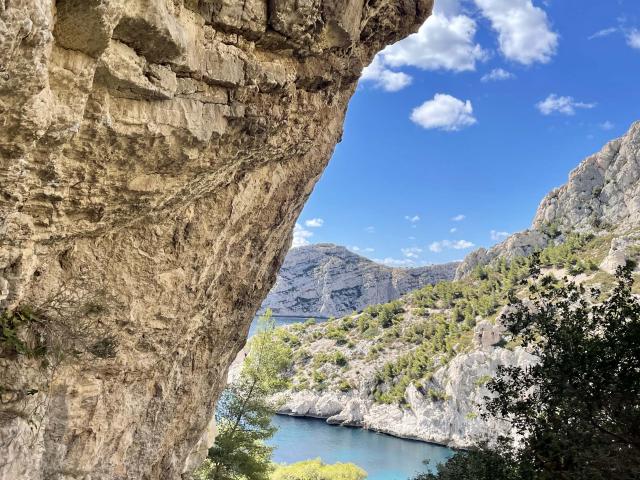
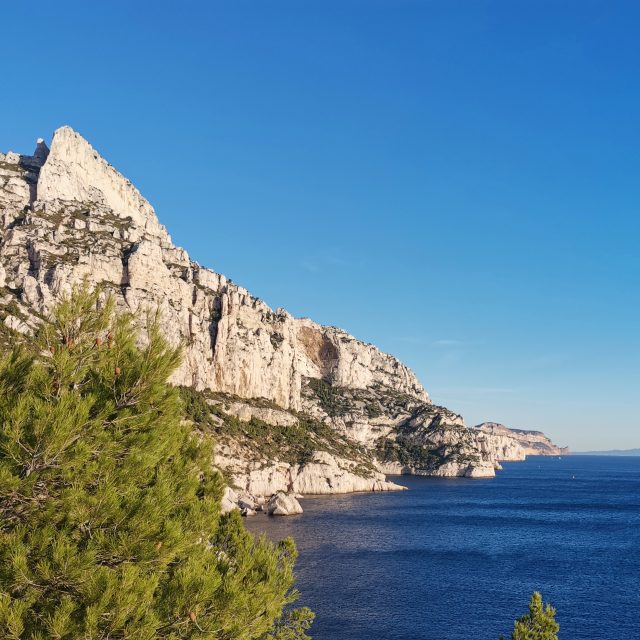
Sugiton also offers some great climbingroutes, with enthusiasts often coming from far and wide to tease out the dihedrals and overhangs, in one or more pitches. The Grande Candelle, which dominates a little further on, is imposing, and the panorama from its walls is sublime.
How do I get to the Calanque de Sugiton?

To reach the calanque de Sugiton, leave your car in the car park in front of the Luminy university science campus, or opposite, in front of the Ecole Supérieure des Beaux-Arts et d’Architecture. A barrier and information board mark the start of the path.

You can also take the B1 bus, at the start of avenue du Prado just after place Castellane in the direction of Luminy, and get off at the Luminy PN des Calanques stop.

For public transport information: www.rtm.fr

The Sugiton lookout (Belvédère)

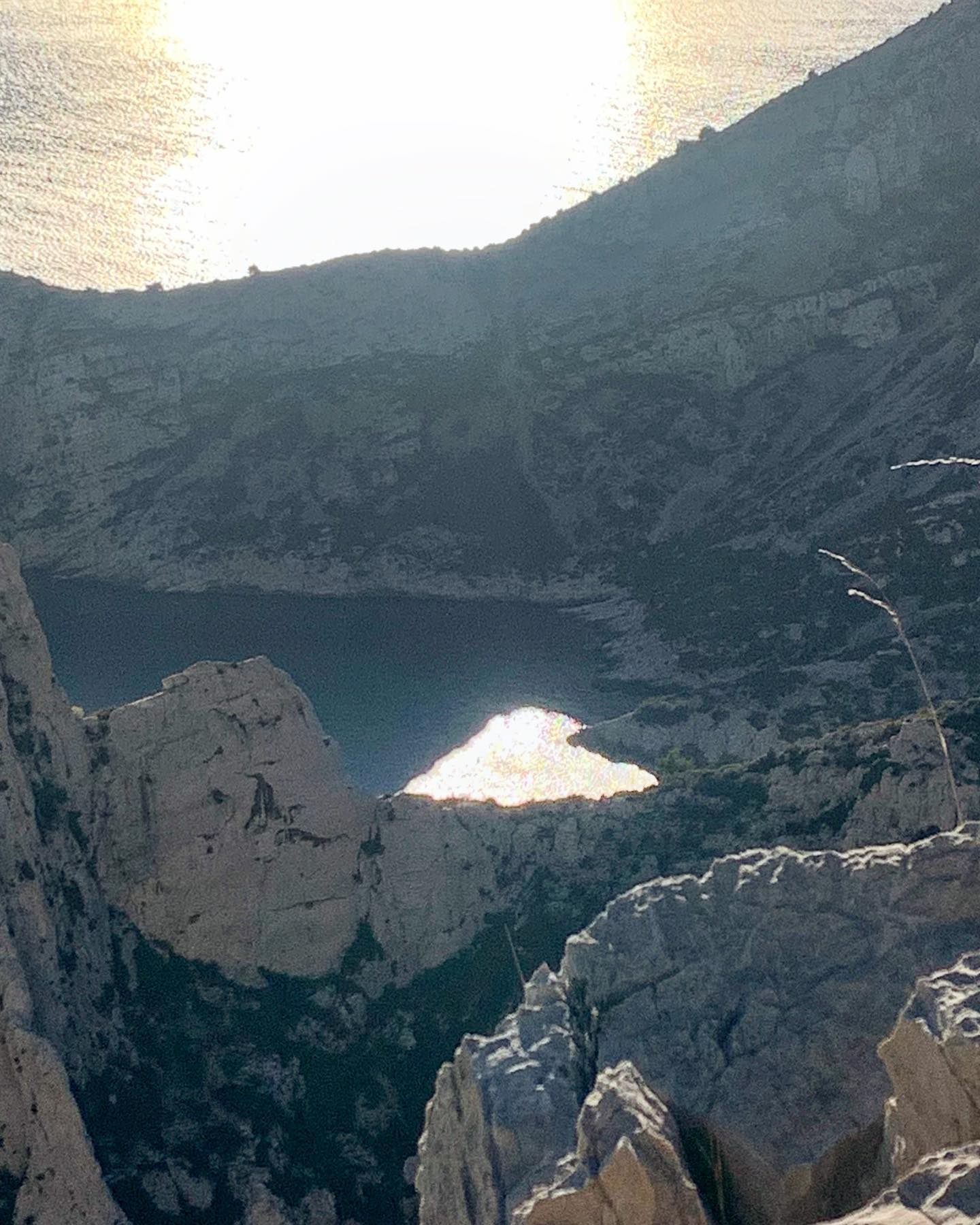
Would you like to enjoy the scenery of the Calanques without undertaking a long hike or a technical descent? The Sugiton lookout is an excellent alternative for admiring one of the most impressive panoramas of the massif.

Just a short walk from Luminy, this viewpoint offers a bird’s-eye view of the Morgiou calanque and the National Park’s emblematic limestone reliefs. An ideal option for families with young children, visitors with limited time or those who prefer an accessible walk while enjoying the spectacular scenery. The lookout is an excellent way of enjoying the site without any major physical effort.

How do I get to the lookout?
You start from the Luminy car park. Take the shaded track marked in yellow as far as the Col de Sugiton. Once at the pass, follow the red markings to the left, then leave the red path and follow the track towards the lookout.

Practical info:
– Approximately 25 to 30 minutes’ walk each way
– Easy to moderate trail, suitable for a short walk
– Ideal for a quick discovery or as an alternative to a full hike

What to do and how to behave

The calanques are a national park and a mid-range mountain massif. It is a sensitive, unsafe and very steep natural area, which remains fragile and can present dangers (rockfalls, falling rocks, falling trees or branches, cliffs and escarpments). Visitors should therefore at least bring walking shoes, water, food, a map of the massif and a mobile phone in case of emergency, and inform at least one person of their hiking plans. Of course, all rubbish must be collected.

The Calanques massif is made up of many magnificent signposted paths. By leaving these paths, walkers and climbers endanger many plants, many of which are extremely rare. You should not leave these paths to take shortcuts, which can lead to erosion. Similarly, avoid the scree slopes, the fragile habitat of the sabline de Provence, a protected plant endemic to the massif.

Subscribe to our newsletter

Stay connected and find out all the latest news from Marseille