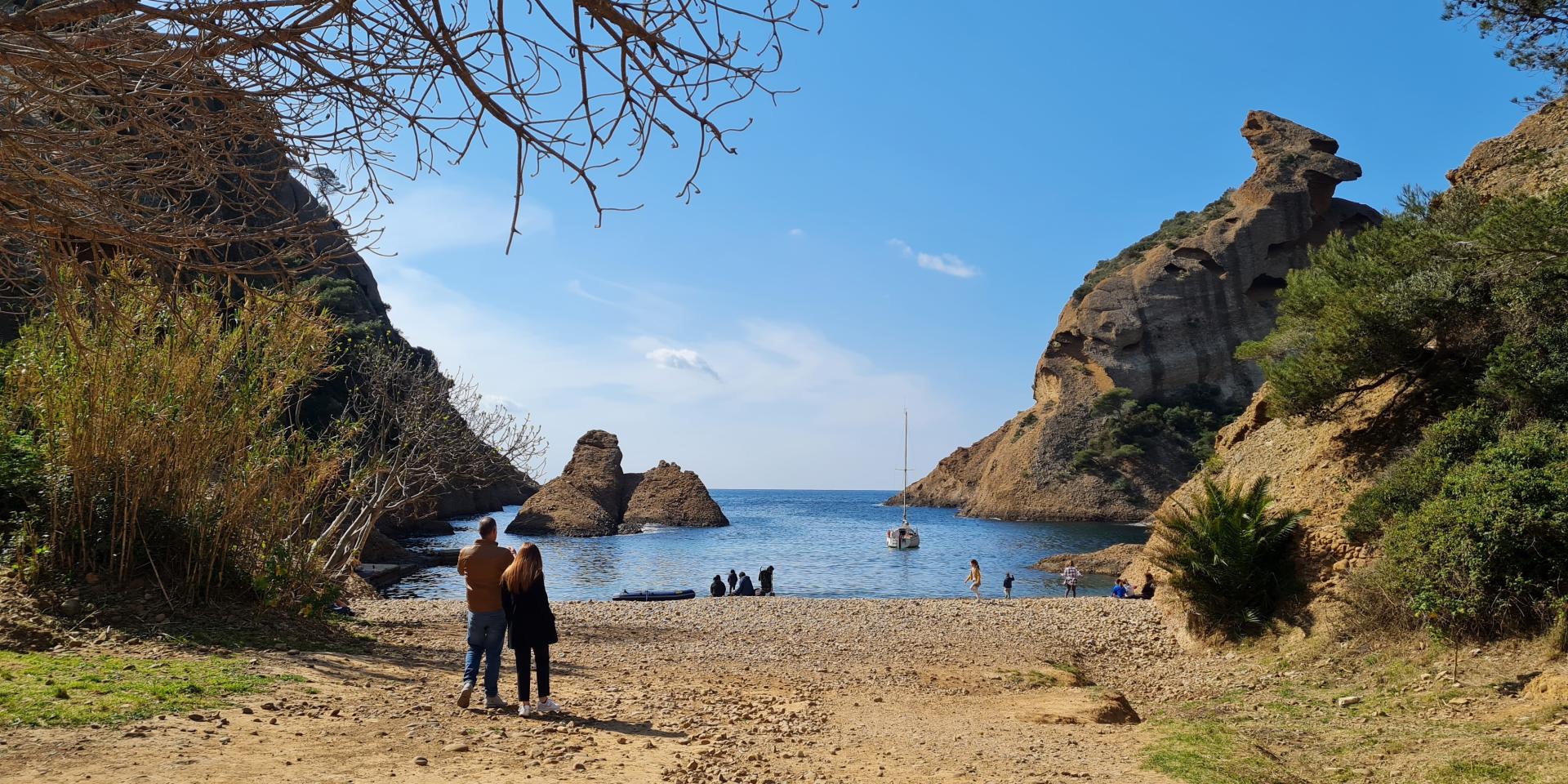
An unusual history
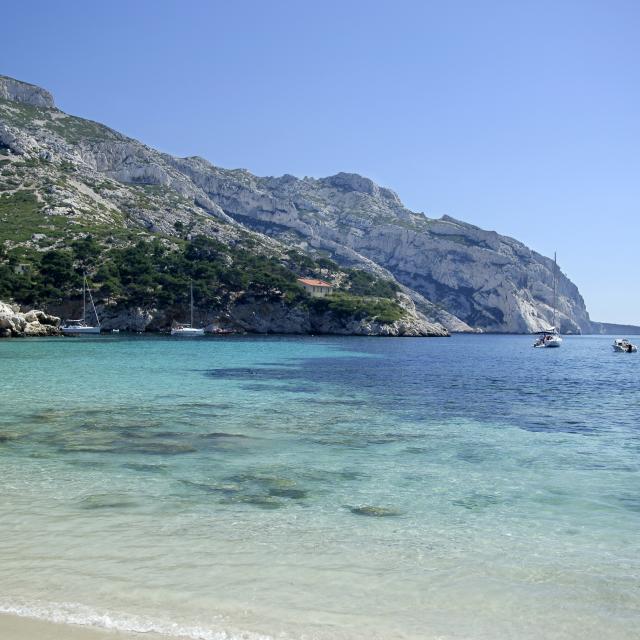
The name “Figuerolles” comes from the Provençal word “figuerola”, meaning “small fig trees”. In the past, this calanque was home to many wild fig trees that grew naturally in this Mediterranean environment. Sailors and residents of La Ciotat are said to have given it its name.
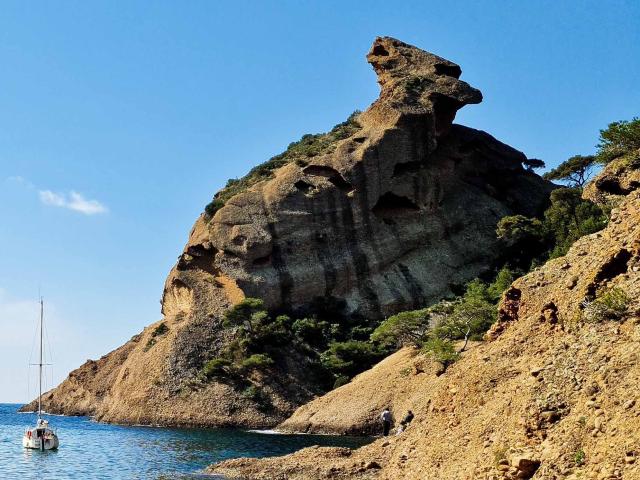
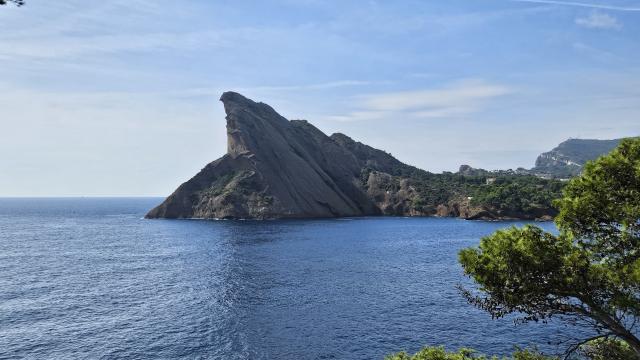
The calanque has also played a role in local history. It has long been a refuge for fishermen, who found it a natural shelter from the wind and swell. What’s more, its unusual rock formations have fascinated many artists and photographers over the centuries, making it a source of artistic inspiration (most notably the painter Georges Braque).
How do I get to the Calanque de Figuerolles?
Getting to the Calanque de Figuerolles is relatively straightforward. Located just a few minutes from the centre of La Ciotat, it can be reached on foot after a short descent up steep steps (about 15 minutes’ walk from the Port Vieux de la Ciotat). For those coming by car, there is a pay car park nearby, but it is advisable to arrive early in high season to find a space. (You can always park in one of the many car parks in the town centre).
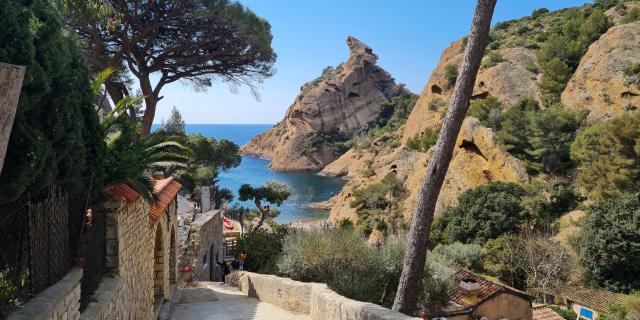 La Ciotat Calanque De Figuerollesvotcm
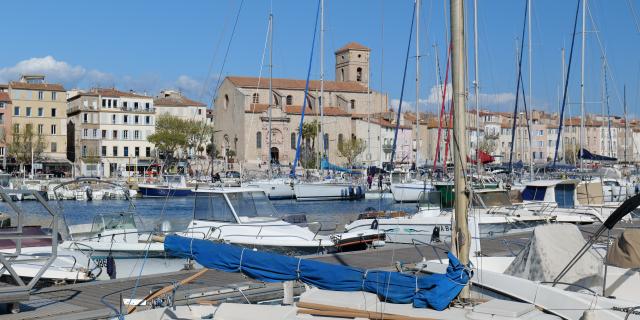 La Ciotat Vieux Port Jootlcm 14