The history of Le Panier
Marseille’s oldest district
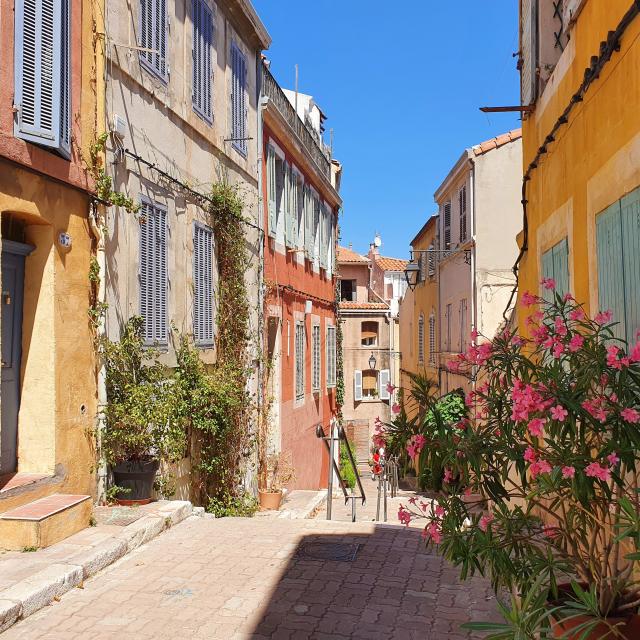
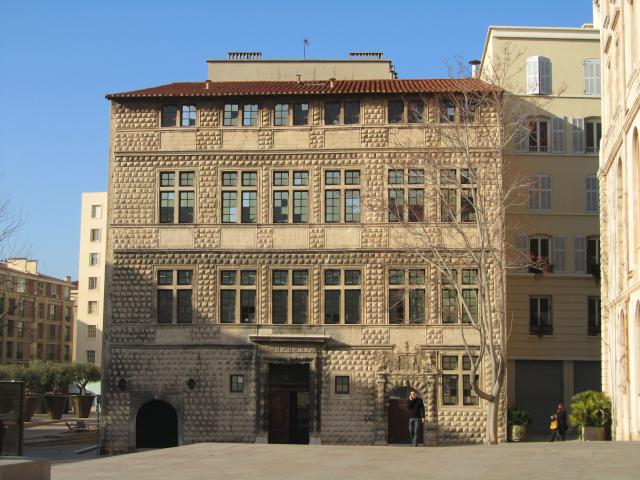
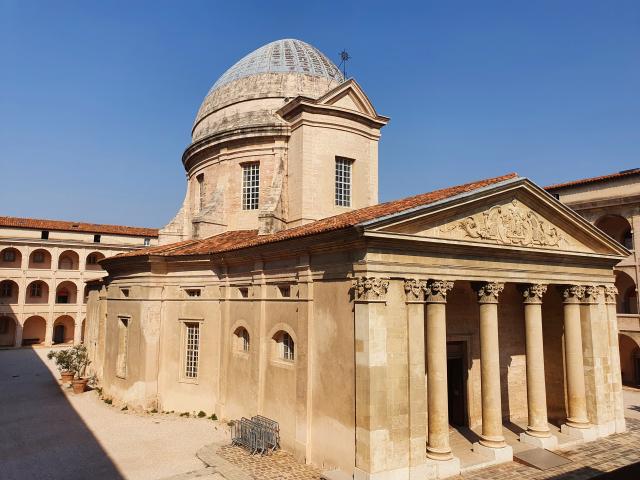
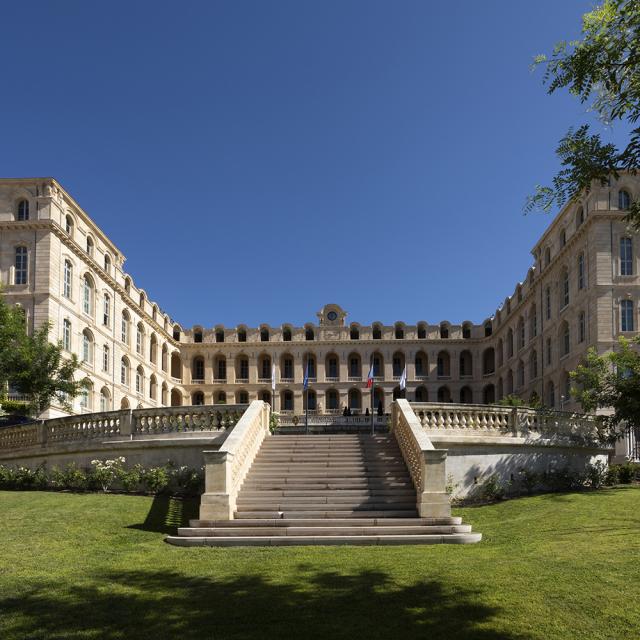
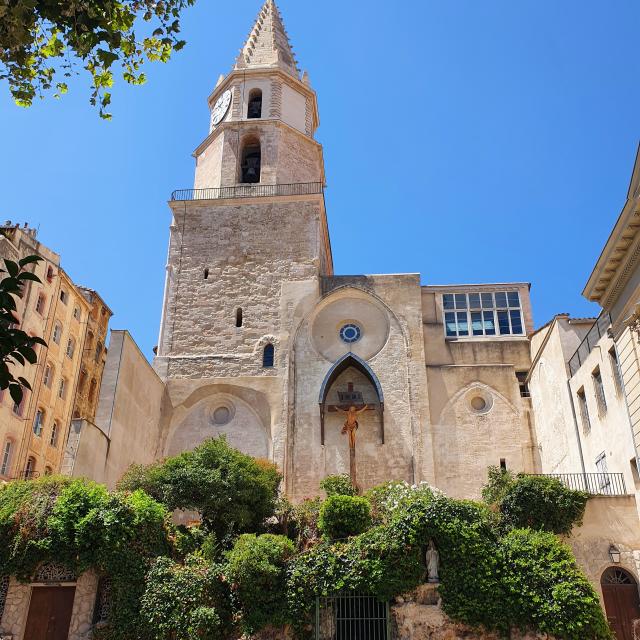
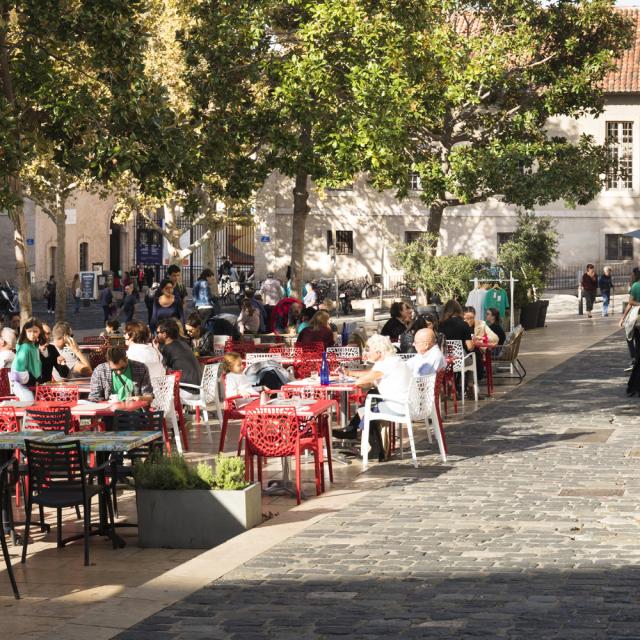
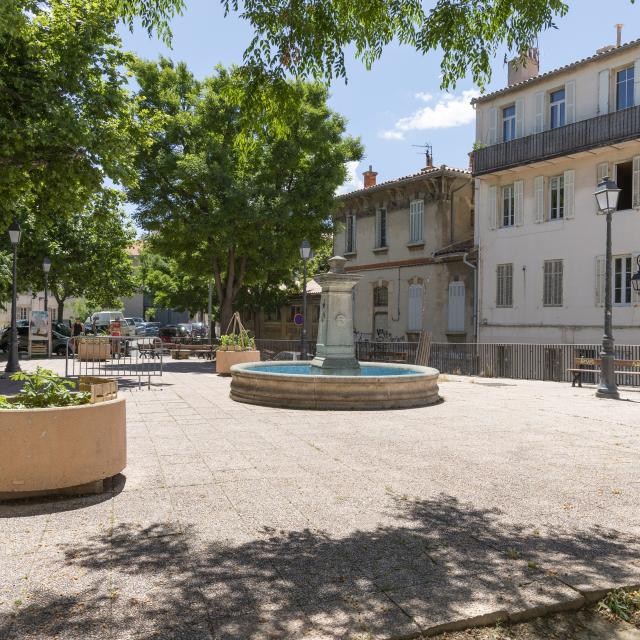
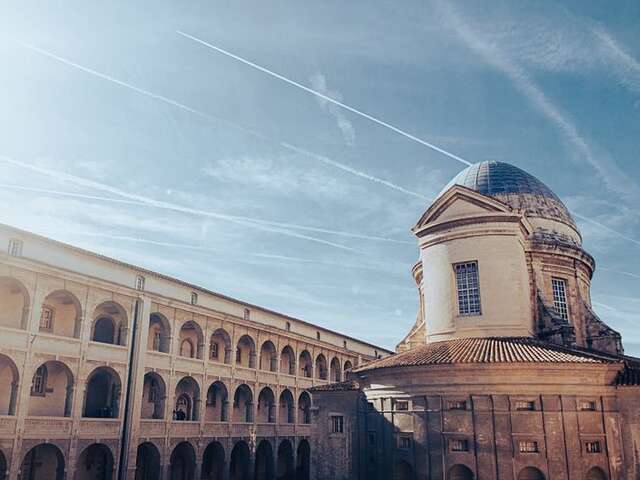
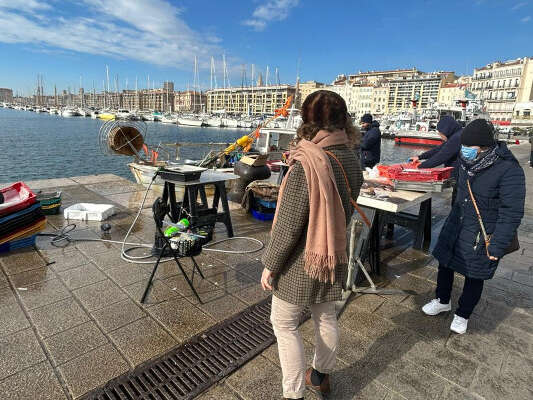
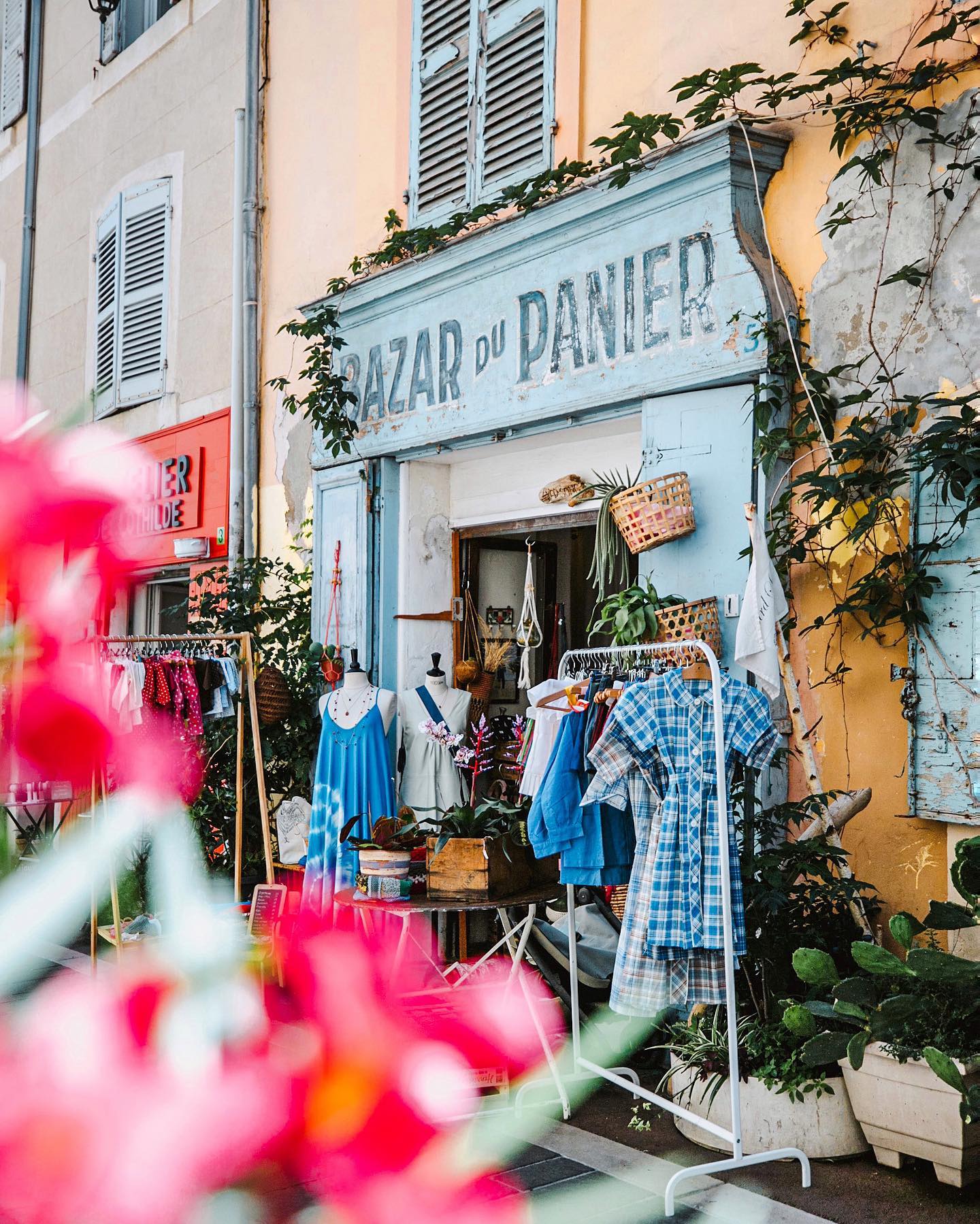
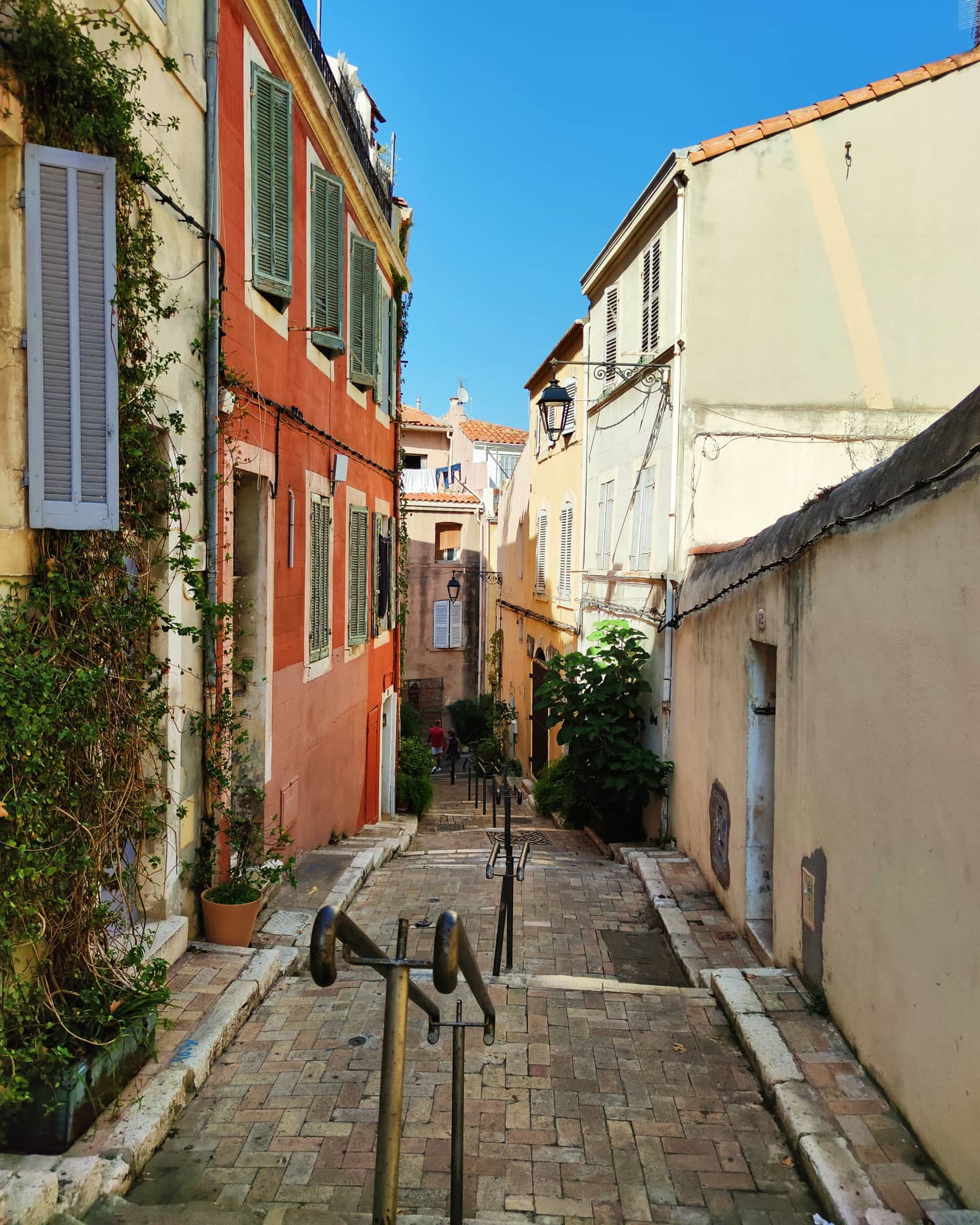
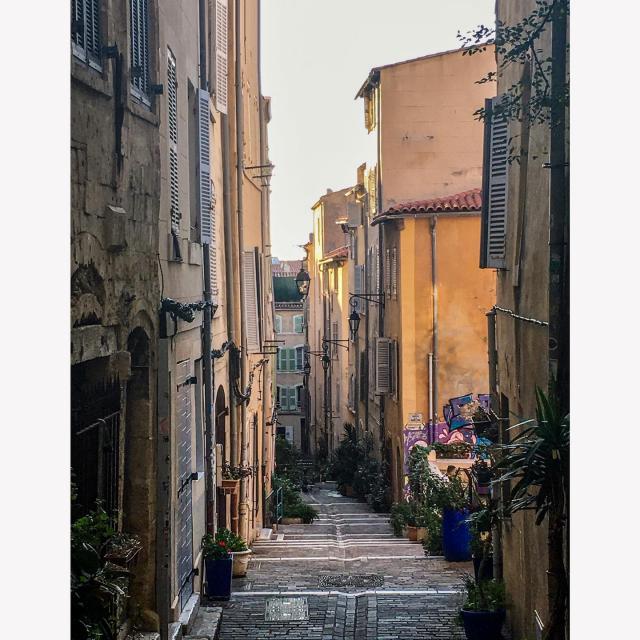
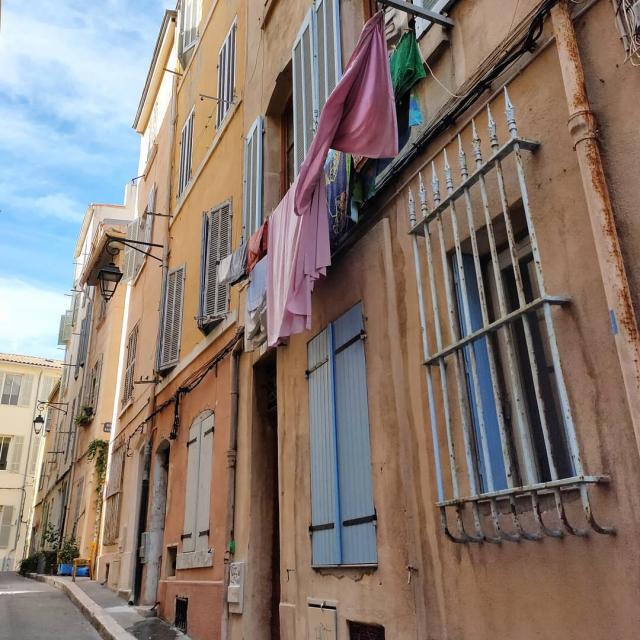
600 years before Christ, Massalia saw the light of day on the site of today’s Panier. The Greeks chose this location because of its privileged position high up and close to the sea. They settled near the Butte St Laurent, and the Greek city then developed towards the Butte des Moulins. The Place de Lenche was home to the Agora and the Butte des Moulins the acropolis dedicated to Athena. In the Middle Ages, the town continued to develop, but this time on the other side of the Port. In the 12th century, a hospital was founded by the Confrérie du Saint-Esprit, which later became the Hôtel-Dieu. In 1745, the construction of a large hospice, the Vieille-Charité, was completed. In the 19th and early 20th centuries, the Panier district was rather unhealthy and notorious for its prostitution and bad reputation. In 1943, during the Second World War, the Germans decided to raze the area, which had been a refuge for resistance fighters. Over 30,000 people were evicted and thousands arrested. Between 22 and 24 January 1943, 1,500 buildings were destroyed. The Panier kept its bad reputation for a long time. At the end of the 20th and beginning of the 21st century, the Panier underwent renovation and urban redevelopment. It has now been completely renovated and is home to artists’ studios, boutiques and designers… It has become one of Marseille’s must-see districts!
An open-air museum
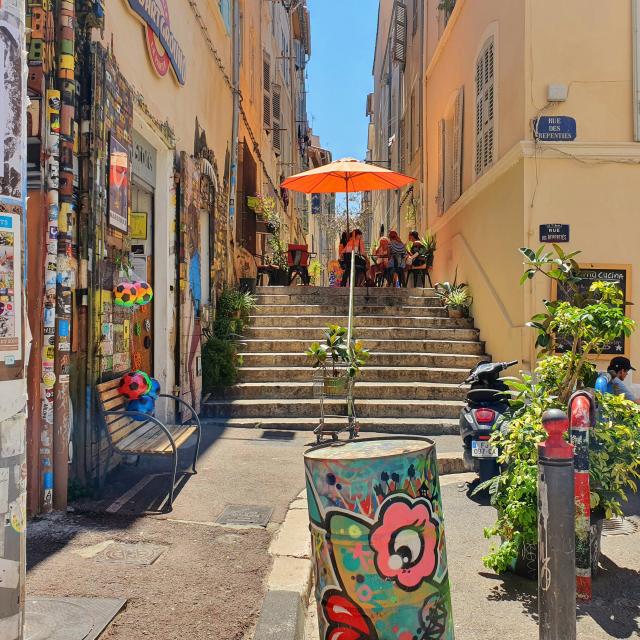
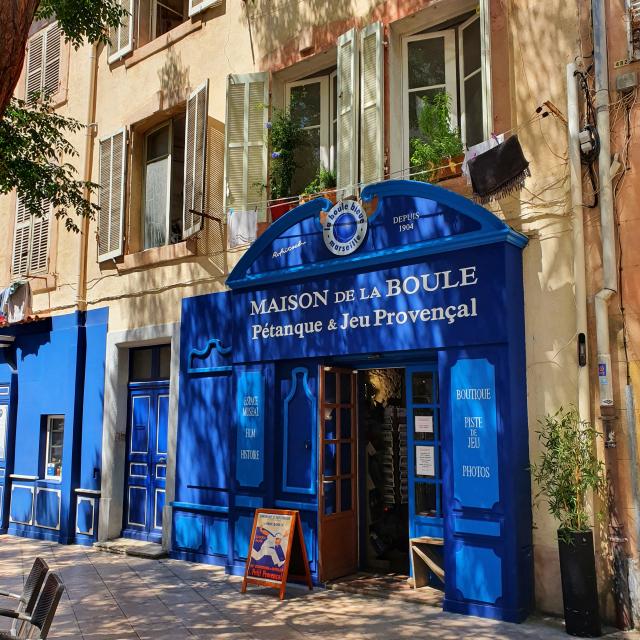
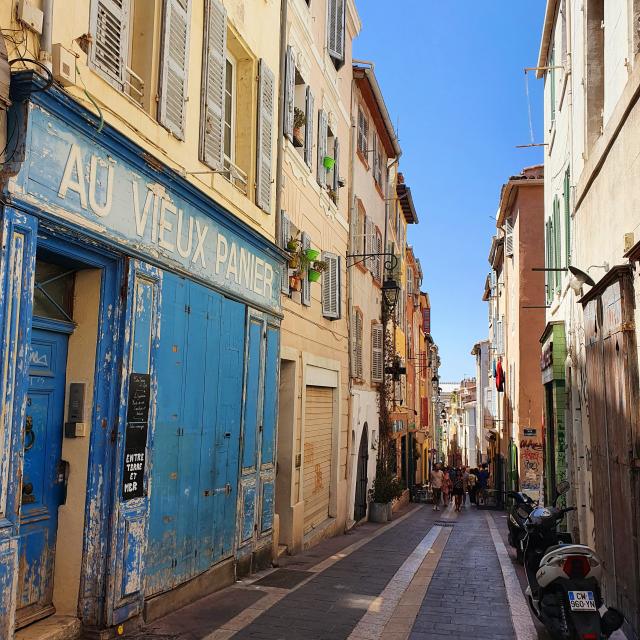
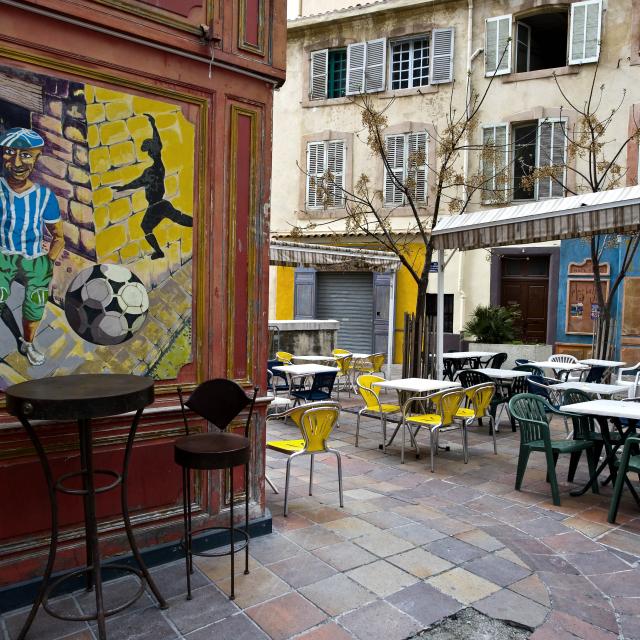
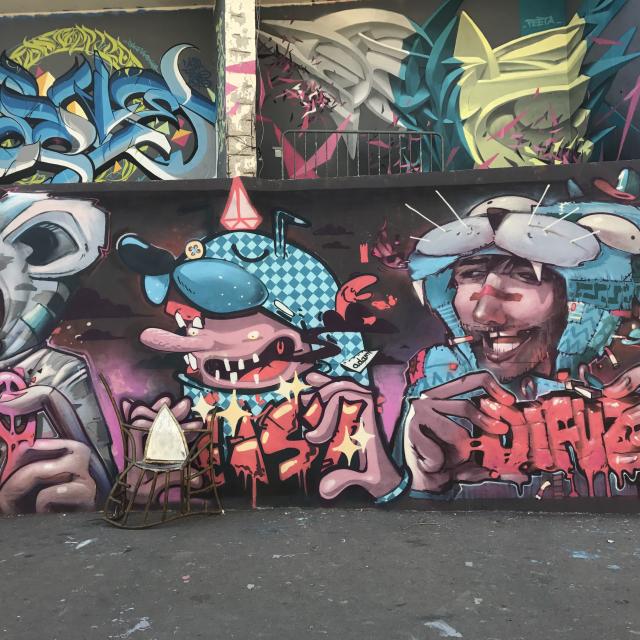
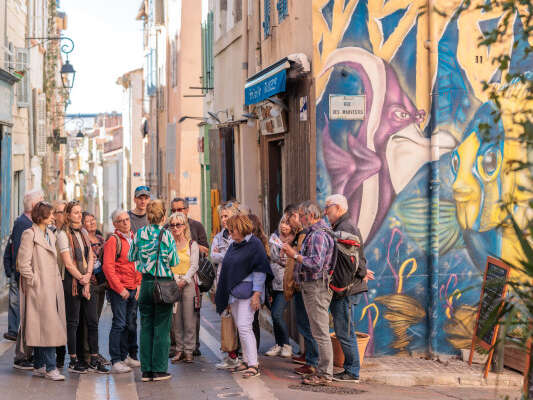
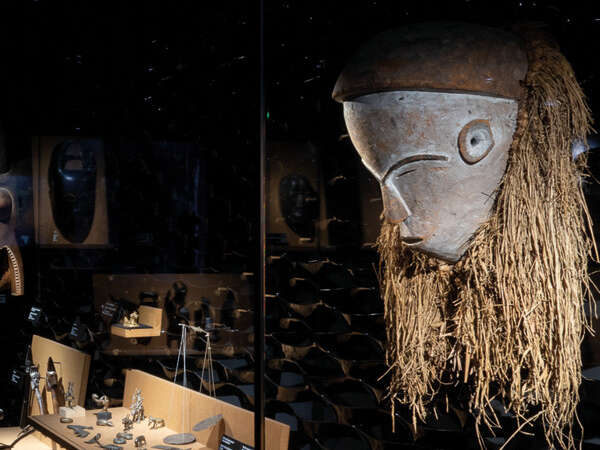
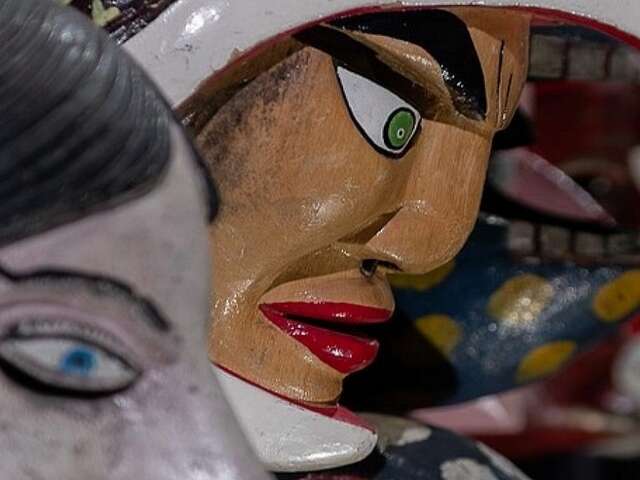
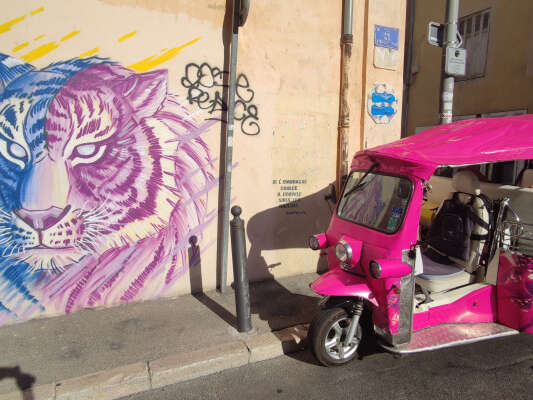
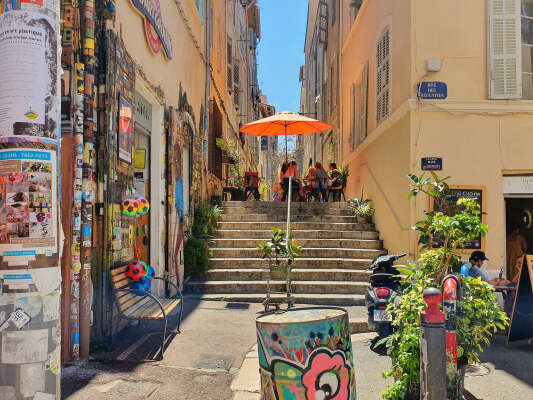
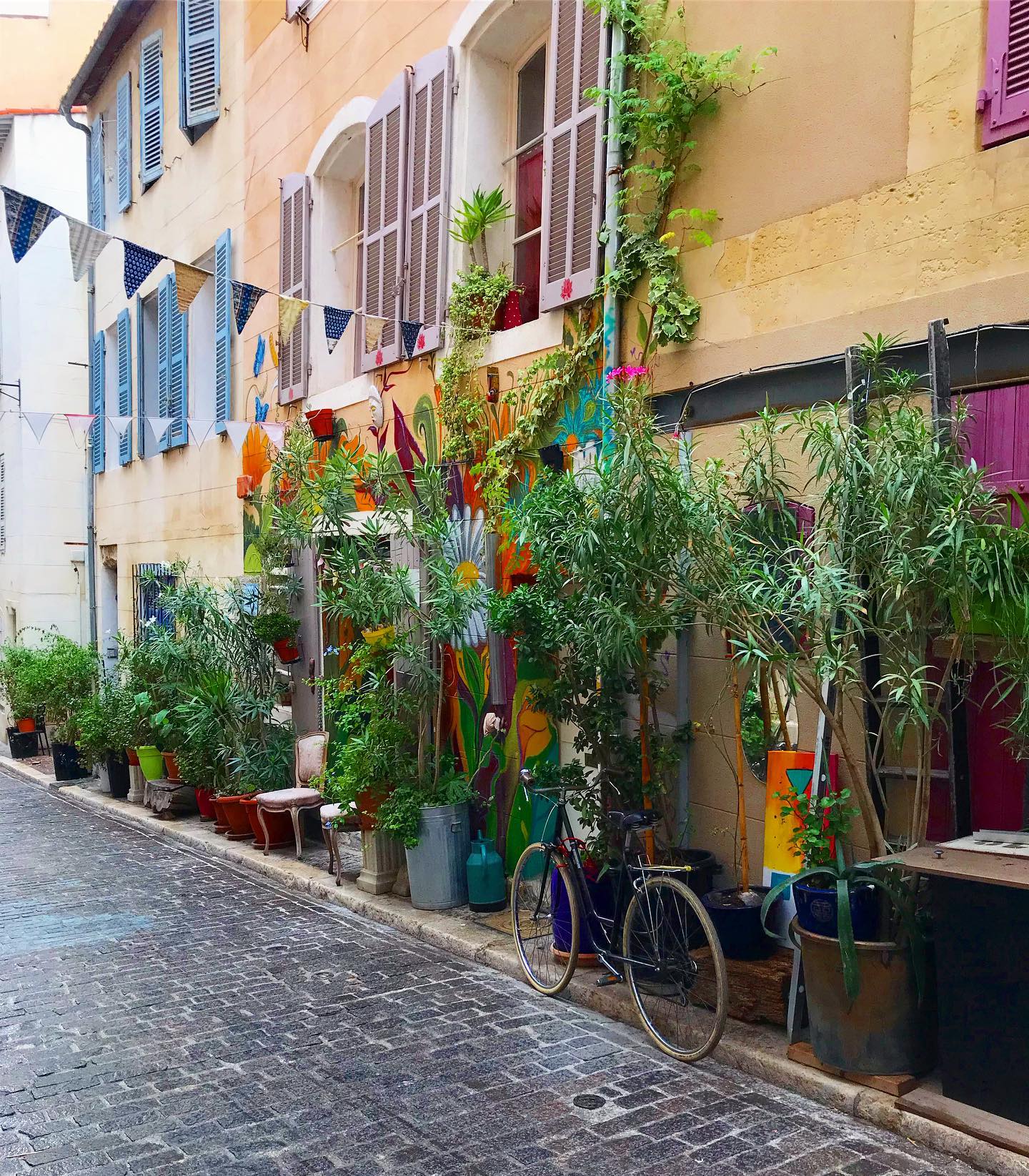
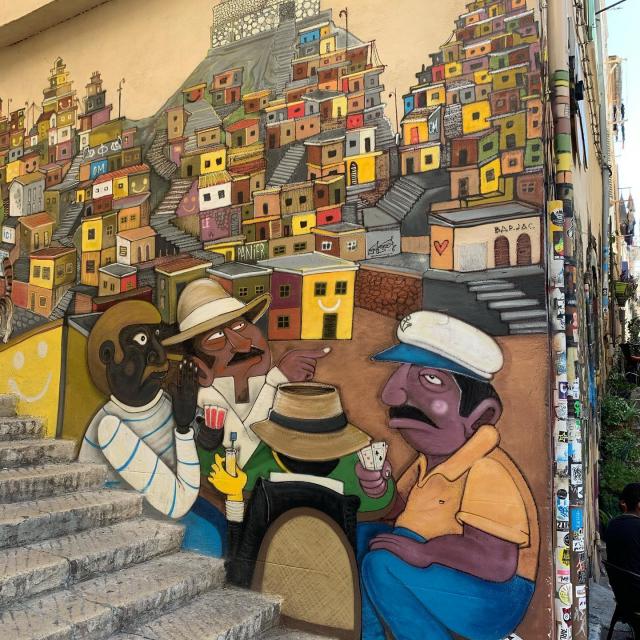
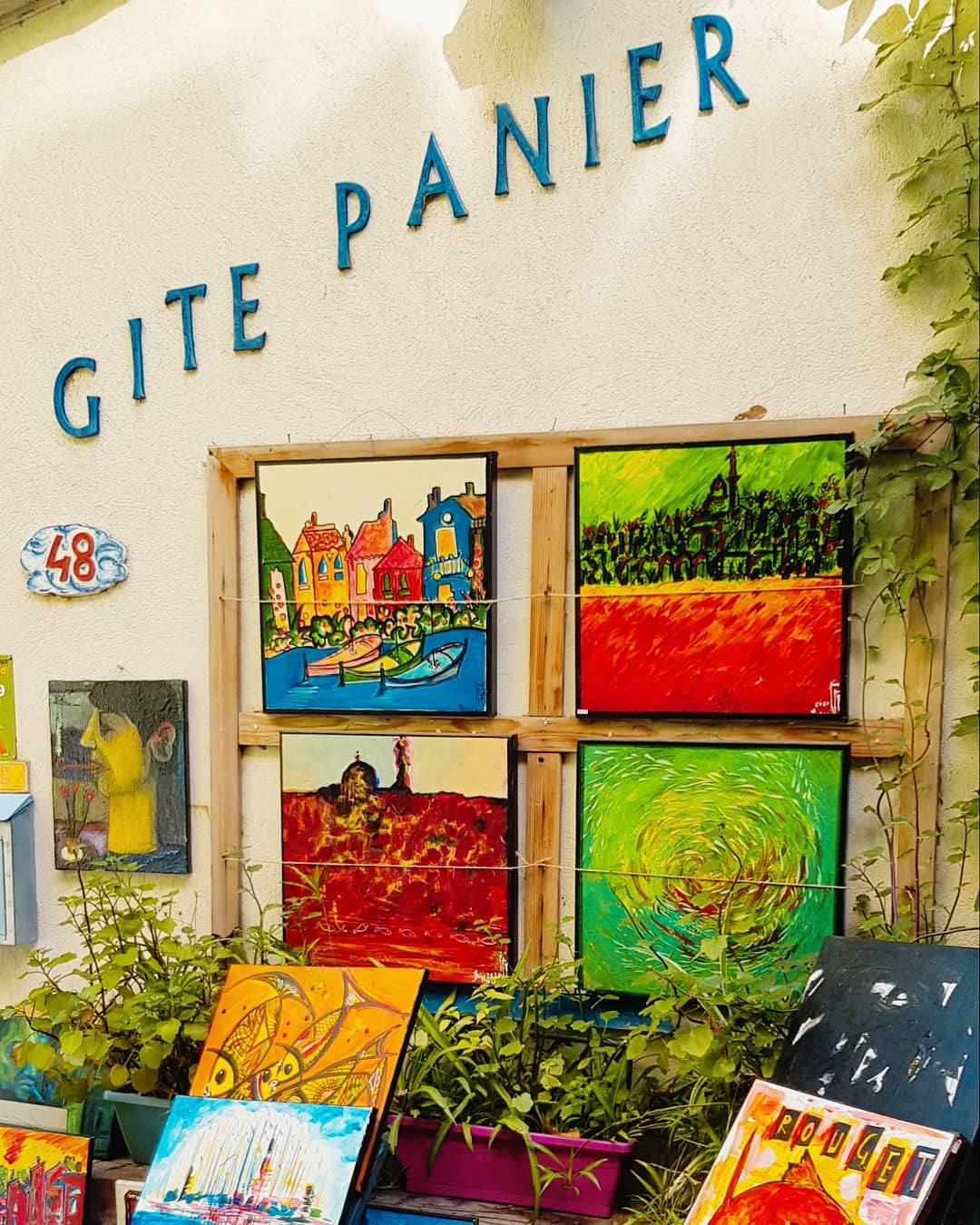
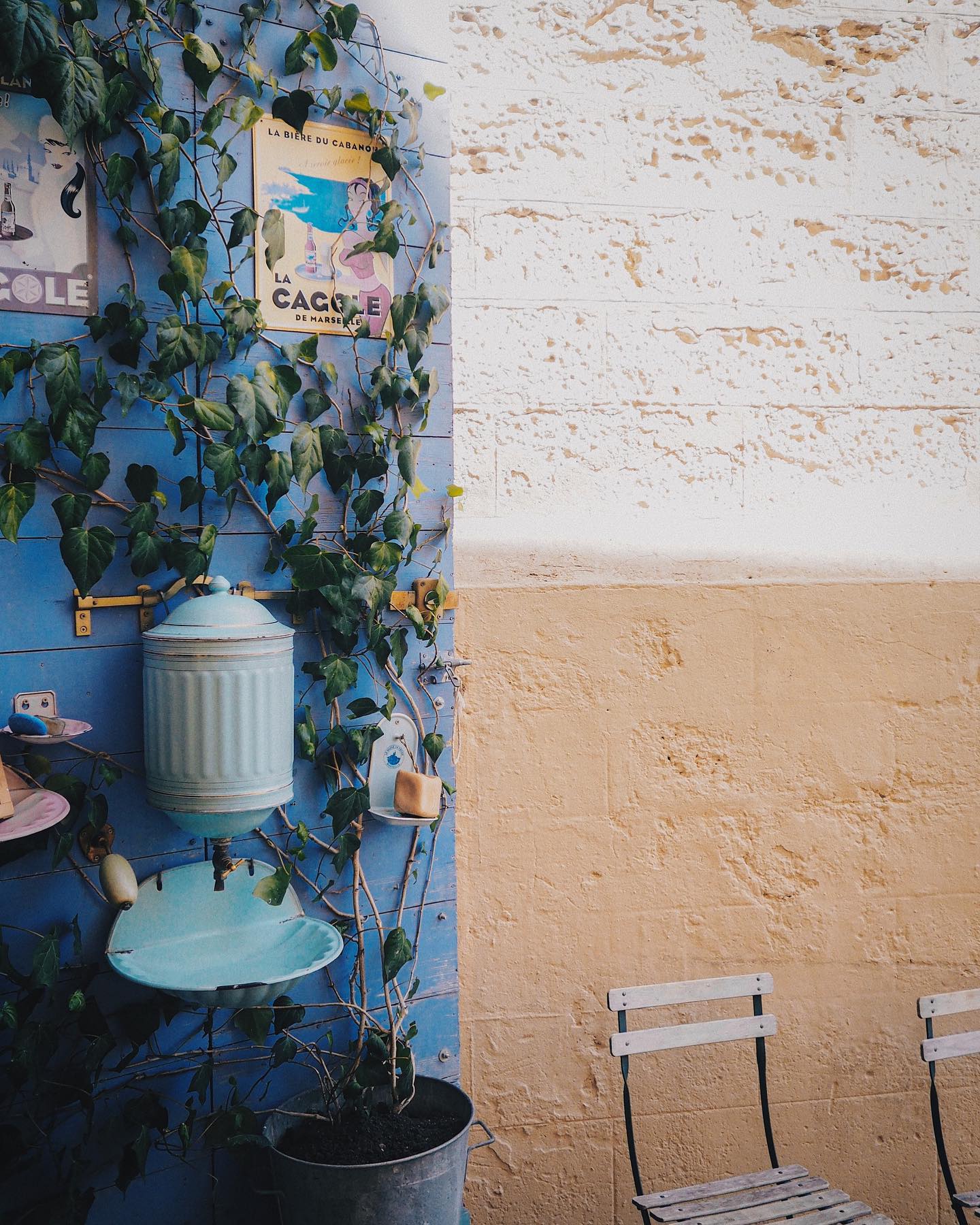
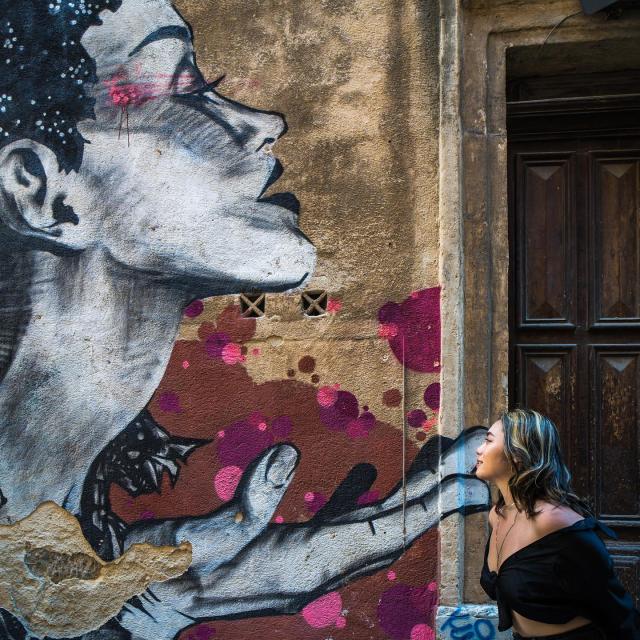
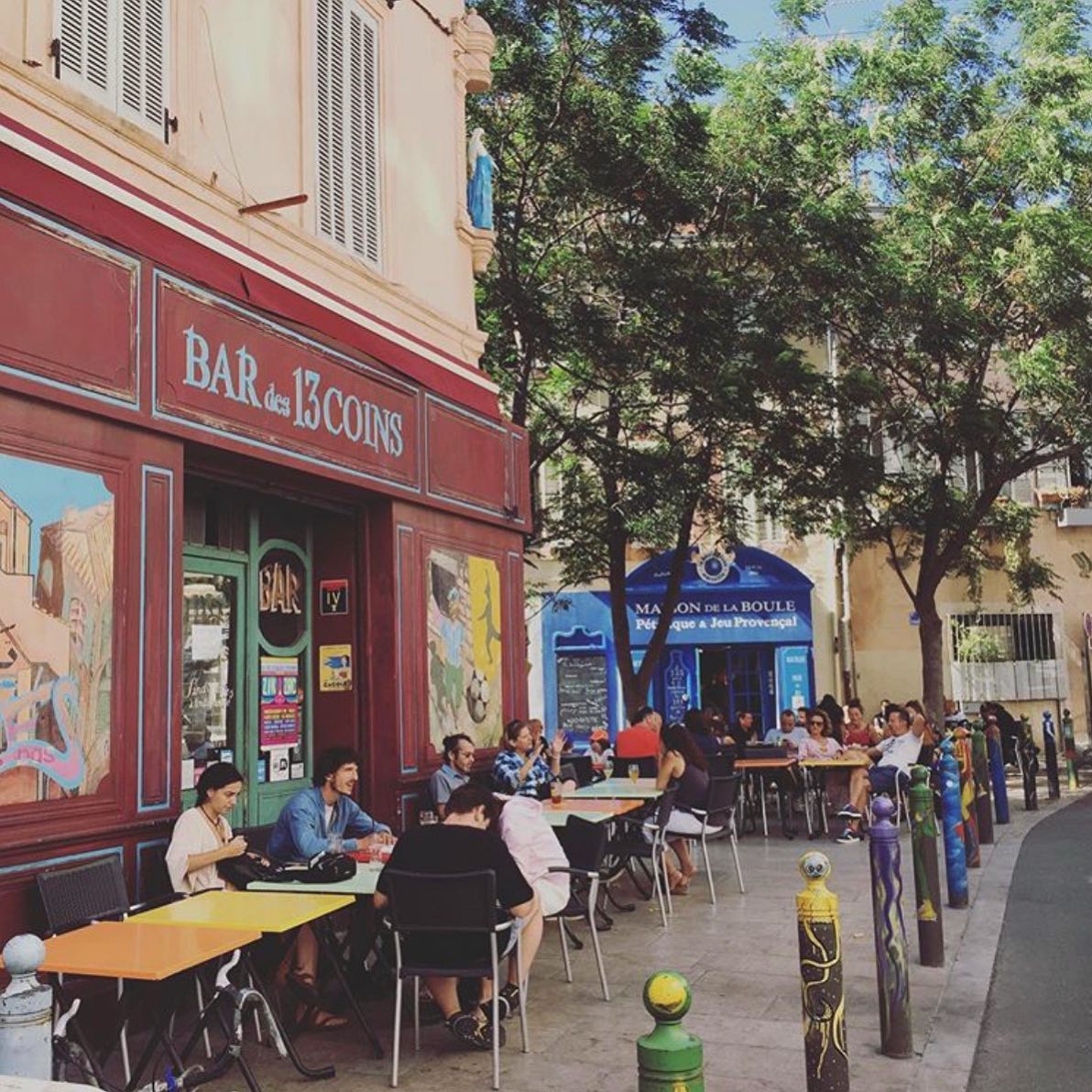
In the Panier district, every street corner is a museum in itself. The walls are covered with works of street art, each more delirious than the last. Some frescoes invite contemplation, while others will make you smile. Le Panier is an open-air museum: its narrow streets, its cultural venues, its craftsmen and designers… the three hills of Le Panier never cease to surprise. Let yourself be carried away by the popular magic of this not-to-be-missed district of Marseille.