The history of Rue de la République in Marseille
Back to the 19th century
The history of Rue de la République began in the 19th century, with one of the largest urban development projects ever undertaken in Marseille. The works, launched in 1860, aimed to create a vast thoroughfare stretching over 1.5 km, linking the Vieux-Port to the Port de la Joliette. This colossal project led to the demolition of 935 houses and the disappearance of nearly 61 streets. It took four years to complete the work, which was finished in 1864.
When it was opened, the road was named Rue Impériale. It was not until 16 October 1870, following the fall of the Second Empire, that it was officially renamed Rue de la République.
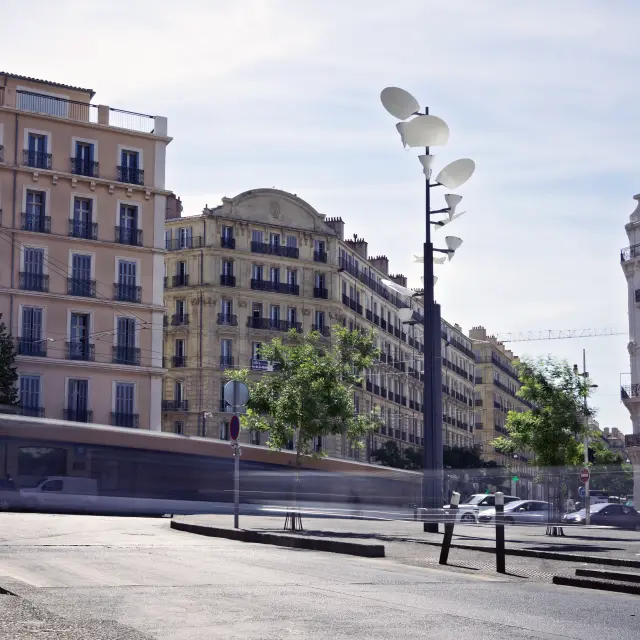
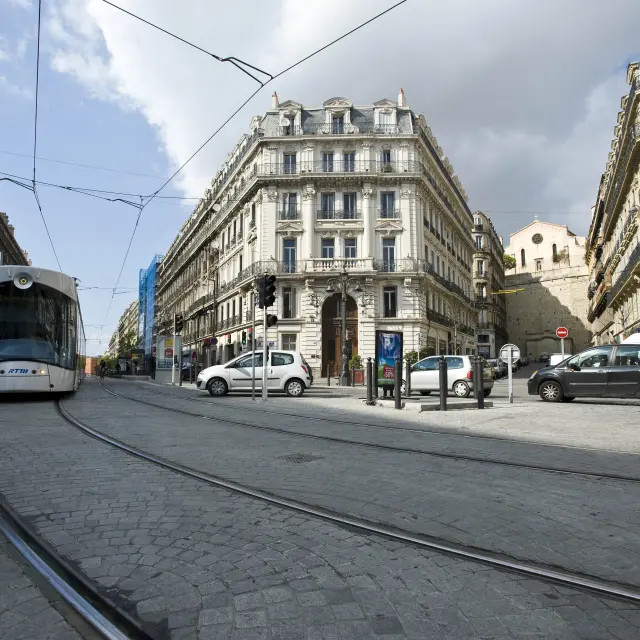
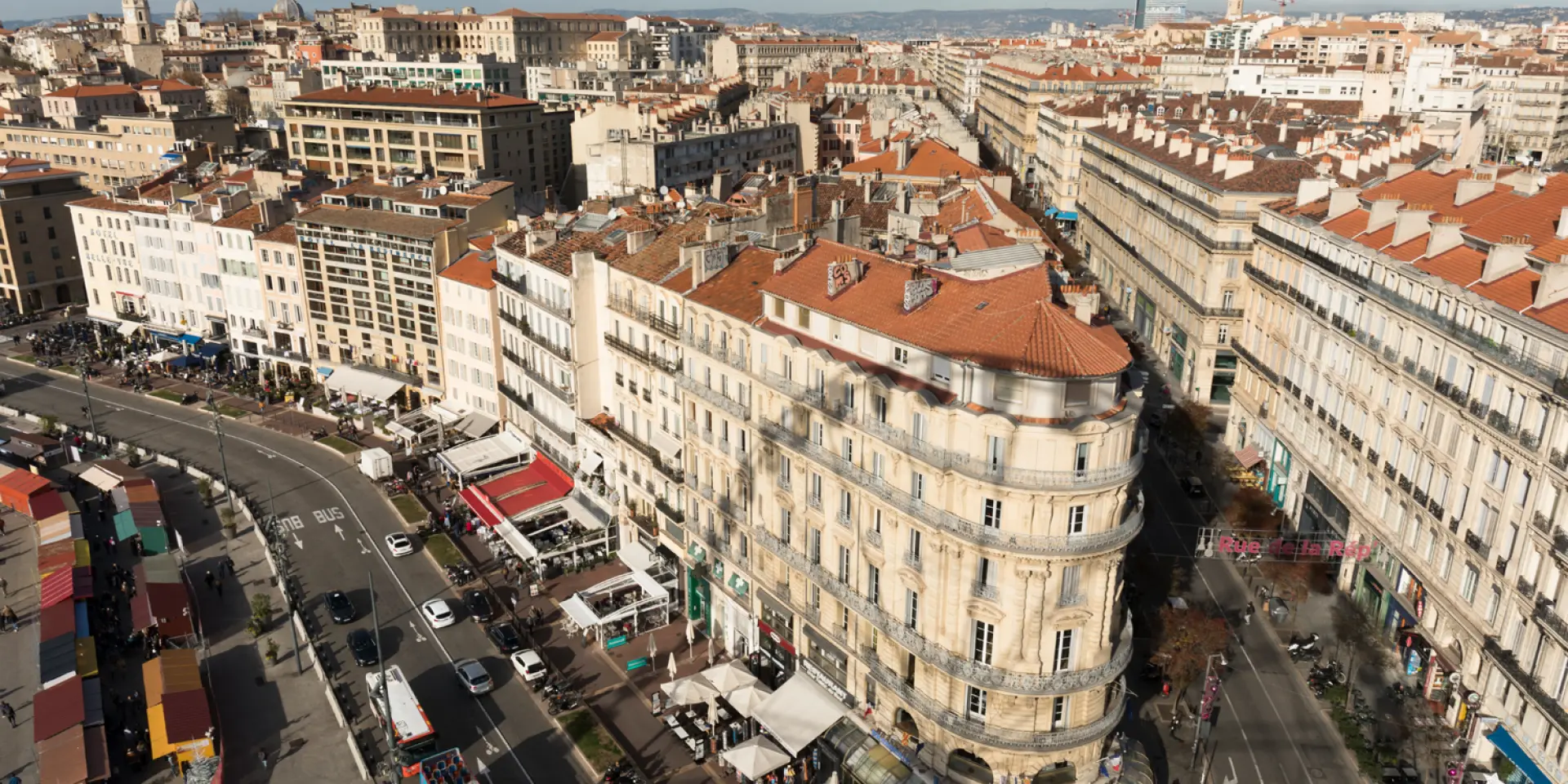
On either side of this wide avenue stand majestic Haussmann-style buildings , inspired by the major Parisian developments of the time. This architectural style, which was very much in vogue in the 19th century, was designed to appeal to the bourgeoisie. However, a large proportion of this population preferred to settle in other parts of Marseille, such as the Vauban or Antiquaires districts, as the proximity to the Vieux-Port was considered less attractive then than it is today.
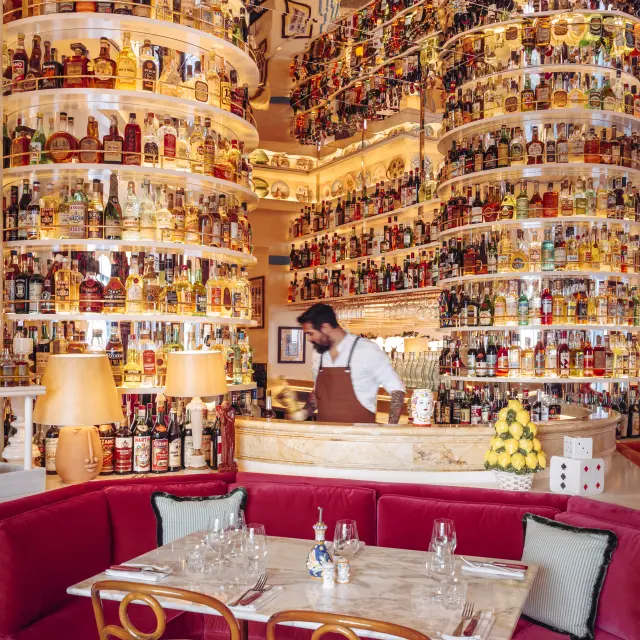
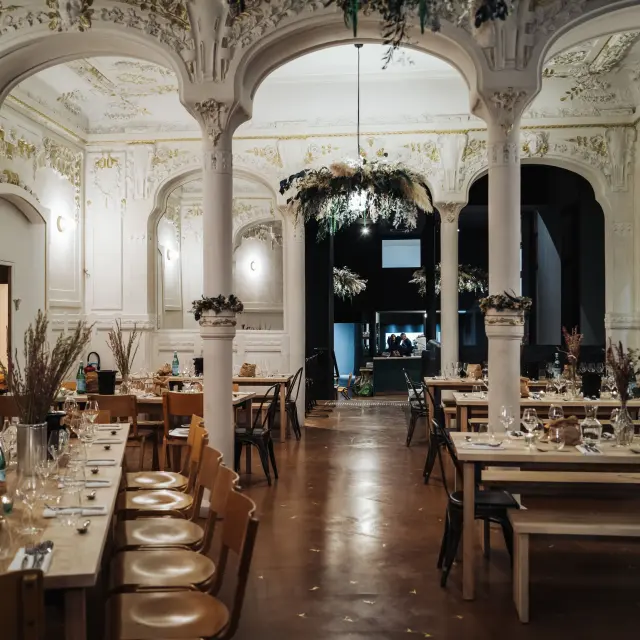
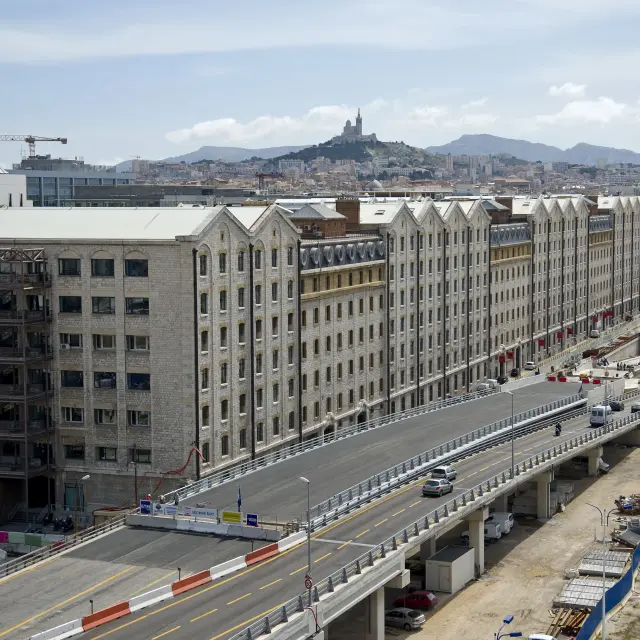
Since the 2000s, Rue de la République has been part of the vast Euroméditerranée regeneration project, which includes plans to refurbish 4,000 homes. From 2005 onwards, numerous buildings were acquired by various groups with a view to renovating and enhancing them. Today, the street has become one of Marseille’s main shopping thoroughfares, lined with shops, cafés, bars and restaurants, attracting both locals and visitors throughout the year.