History of La Garde Hill
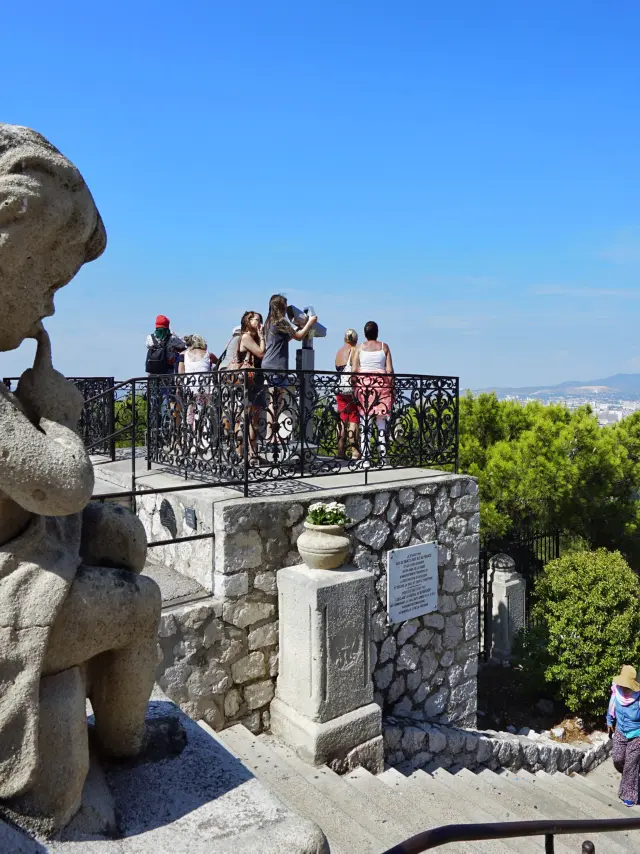
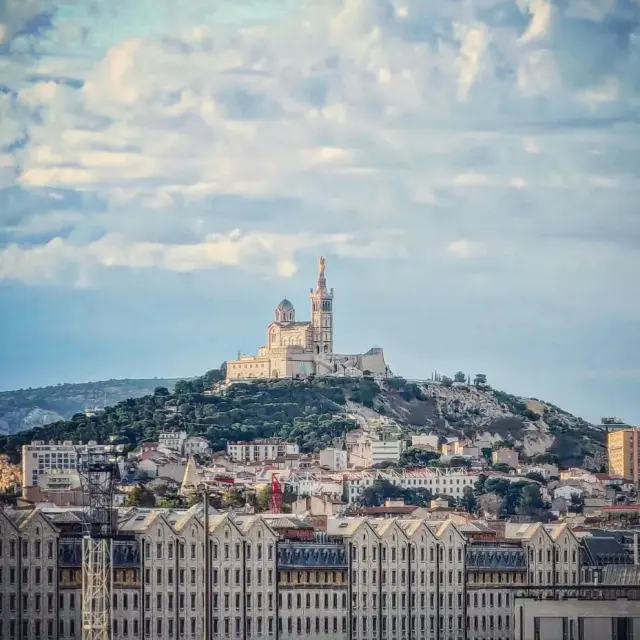
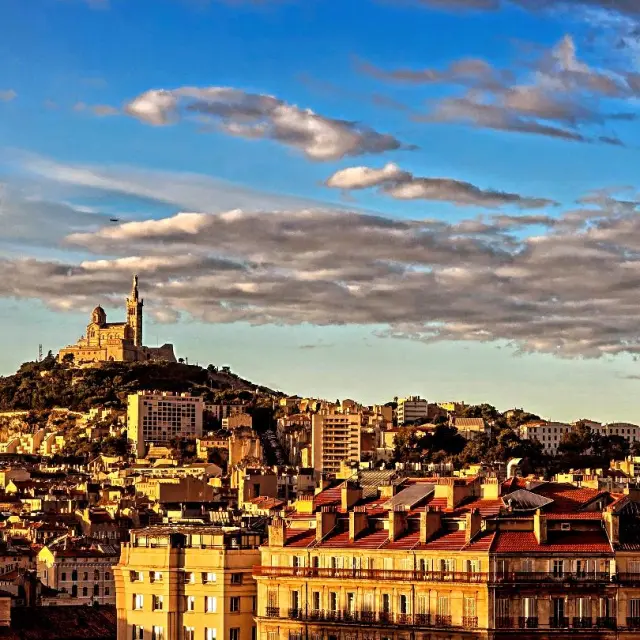
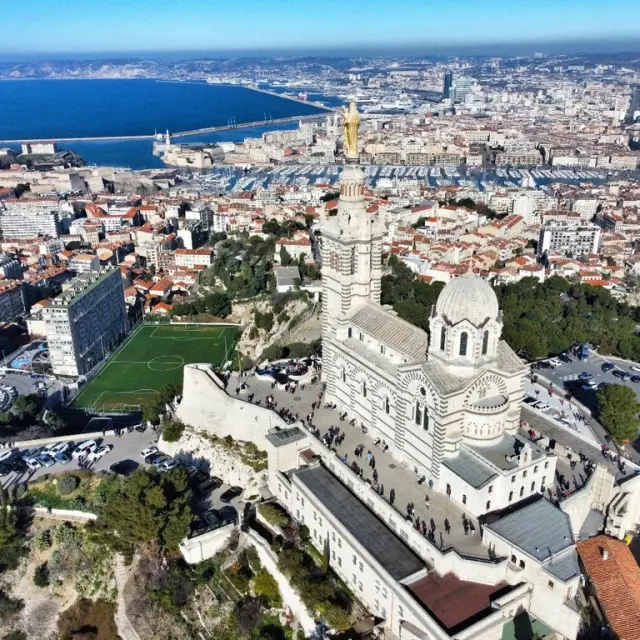
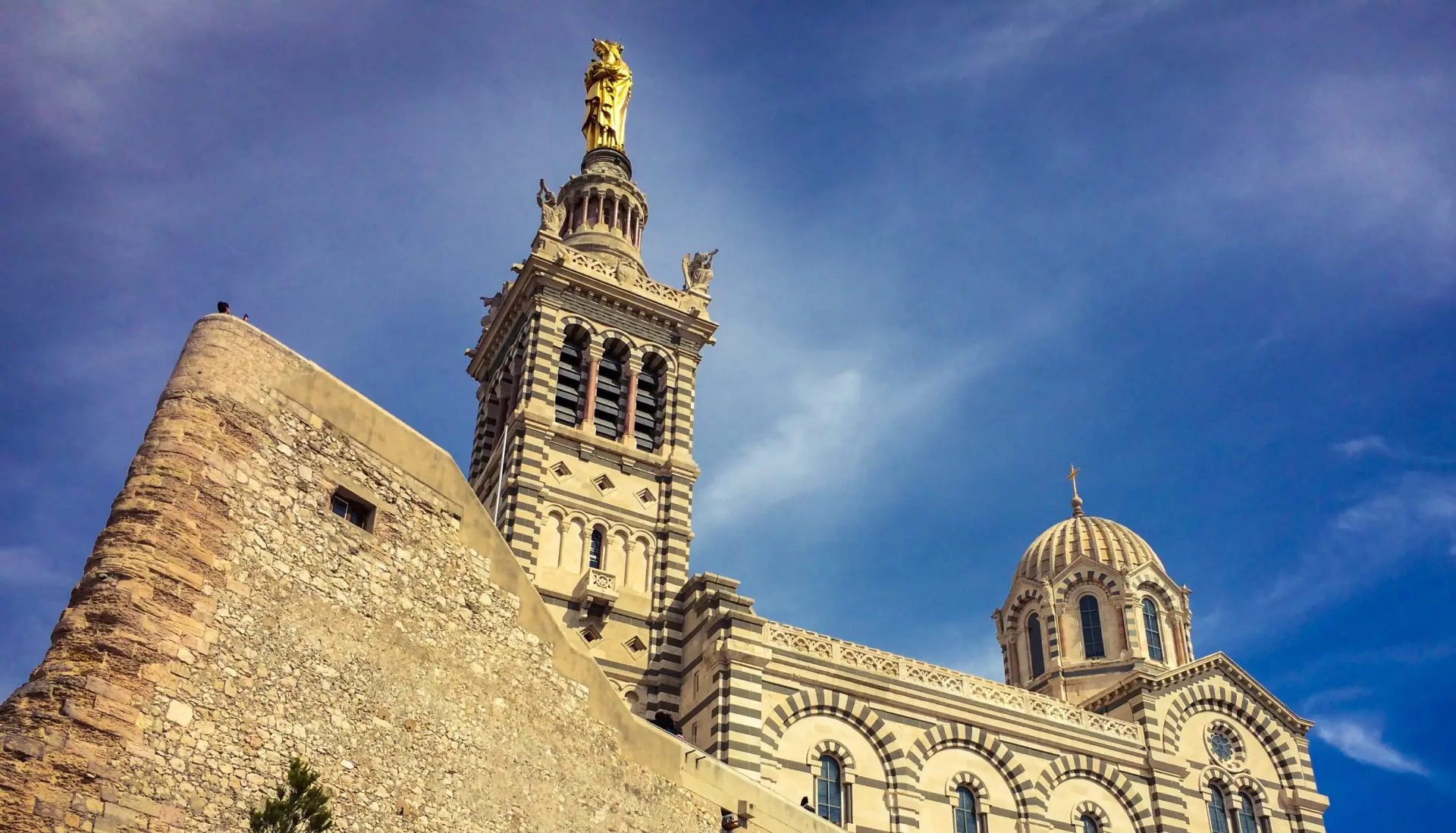
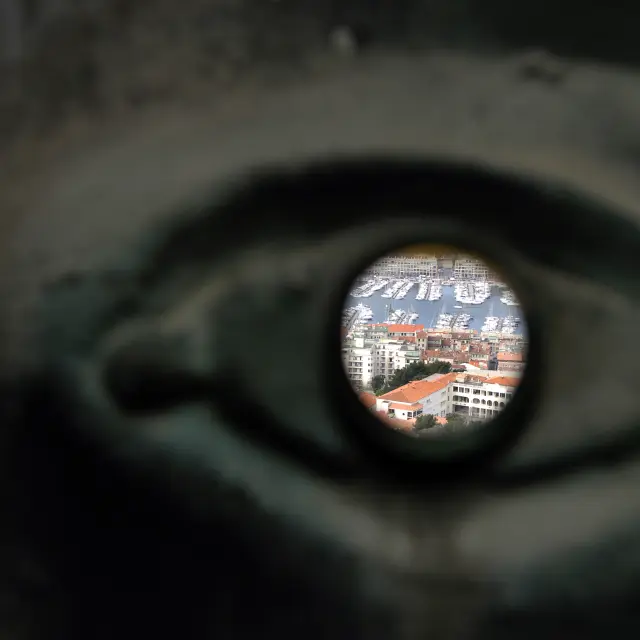
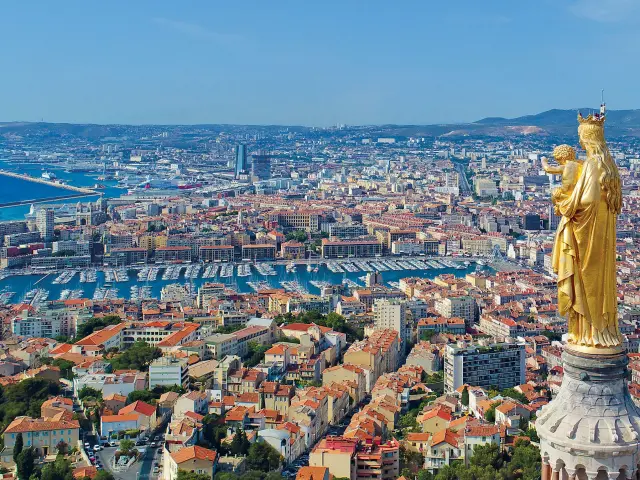
La Garde Hill (154 m) has always served as a vantage point. With its summit rising to 154 metres, it offers a 360-degree view of the town, the islands and the sea. In the 15th century, an edict by Charles II of Anjou included it in the list of watchtowers. This system of watchtowers was improved over the centuries, and the hill continued to serve this purpose until 1978.
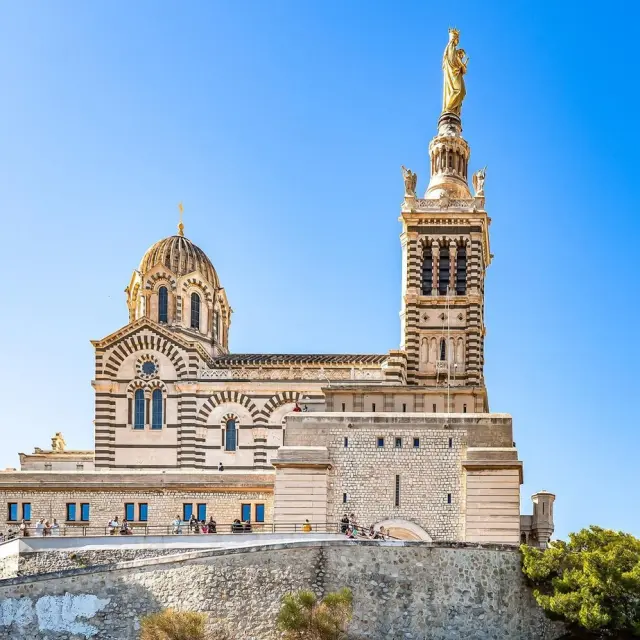
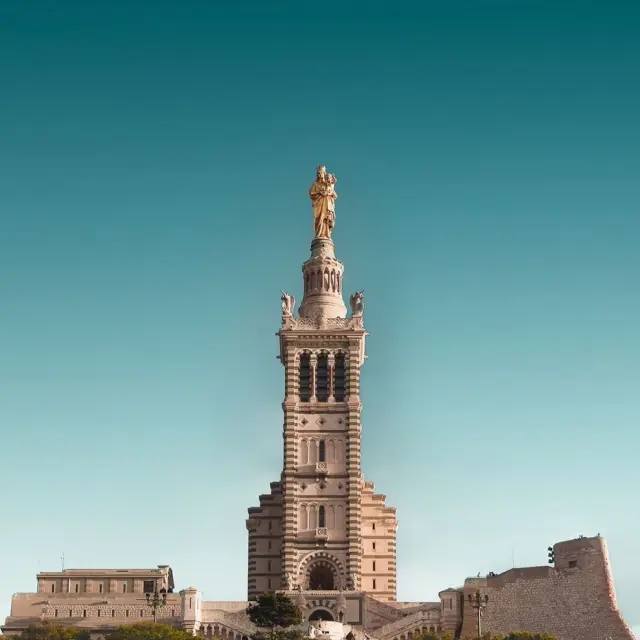
To protect Marseille from the armies of Charles V, led by the Constable of Bourbon, François I had a fort built in 1524, which, together with the Château d’If, provided the maritime defences that the city had previously lacked. Today, one can still see the remains of the fort, which serves as the foundation for the present-day basilica, and make out the King’s emblem – the salamander – above the north porch.
In 1853, the foundation stone was laid.
In 1214, a priest named Pierre had a small chapel and a sanctuary dedicated to the Virgin Mary built on this site, establishing the religious significance of the place. Several chapels were built in succession during the Middle Ages and the Renaissance, until the construction of the present-day basilica. Thus, the Hill of the Guard has since served a threefold purpose: a watchtower, a military fortification, and a place of worship and pilgrimage.
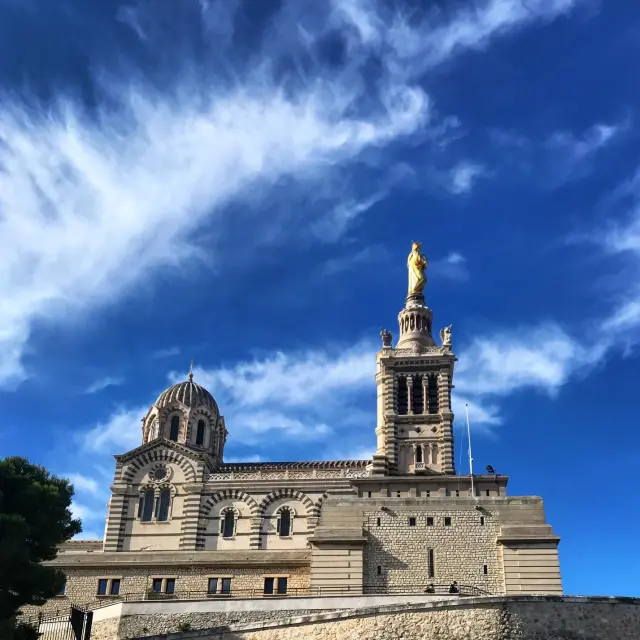
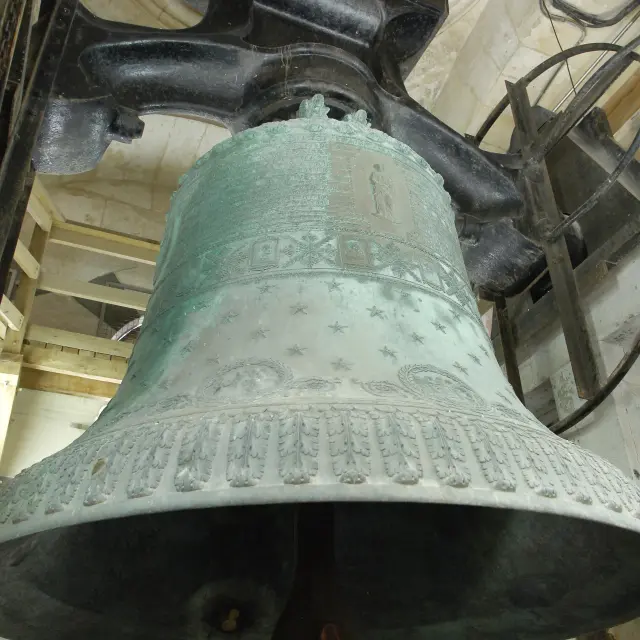
By the mid-19th century, the sanctuary had become too small to accommodate the large numbers of pilgrims visiting it. Monsignor de Mazenod therefore decided to build a grand basilica there, dedicated to Notre-Dame de la Garde. The foundation stone was laid on 11 September 1853; the work was entrusted to the architect Henry Espérandieu, and the consecration took place on 5 June 1864. The basilica has three bells, including a bourdon weighing over 8 tonnes, named “Marie-Joséphine”.
It was during this period that the city underwent a transformation and began construction of prestigious buildings such as the Palais de la Bourse and the prefecture.
If you’re a history buff, you can visit the Musée de Notre-Dame de la Garde, which is located within the basilica. There, you’ll discover the full history of the Garde hill, the basilica and even the city of Marseille. With its two permanent exhibitions spread over two floors, immerse yourself in the 2,000 documents, photographs and artefacts, some of which date back to the early days of the basilica’s construction.
The Good Mother and popular faith
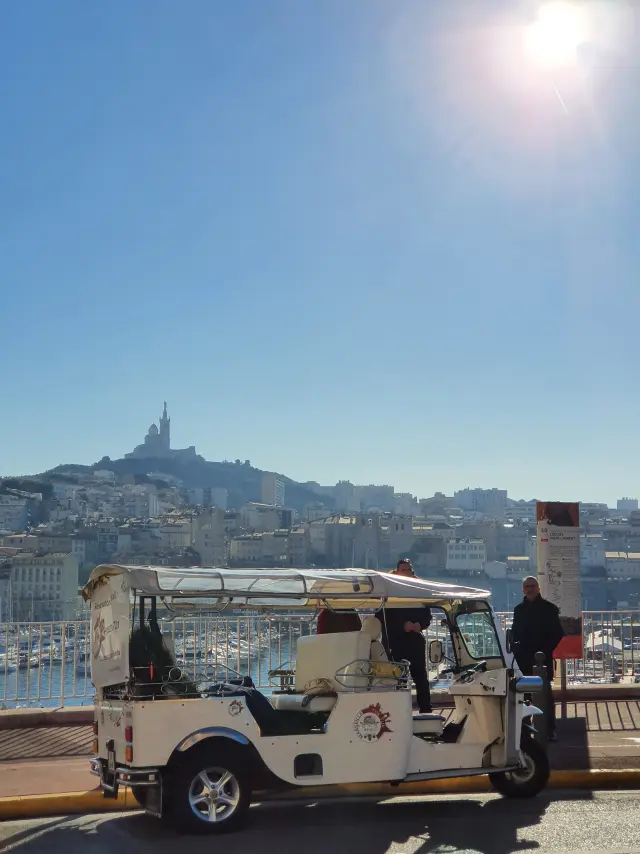
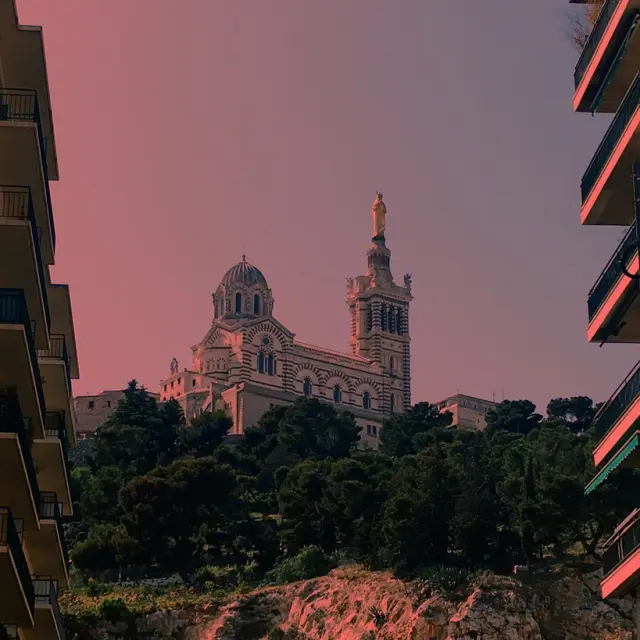
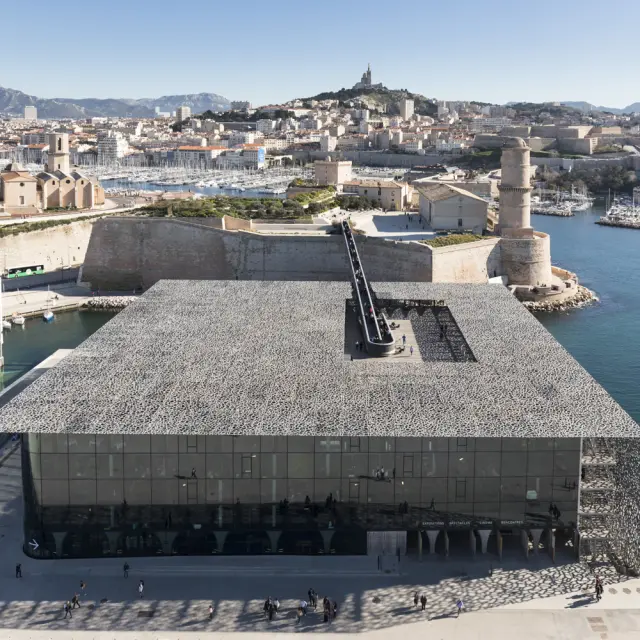
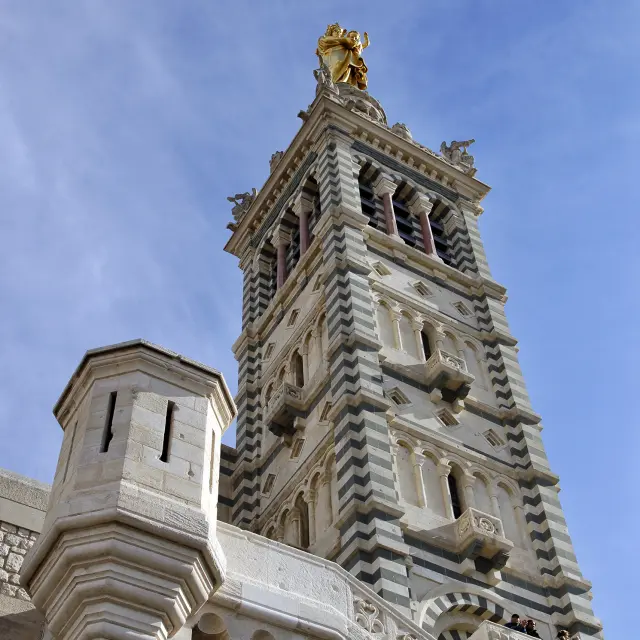
The familiar silhouette of the basilica is visible to the people of Marseille from many parts of the city, from the Vieux-Port to the Frioul Islands, and from the Mucem museum and the tower of Fort Saint-Jean to the Pagnol hills.
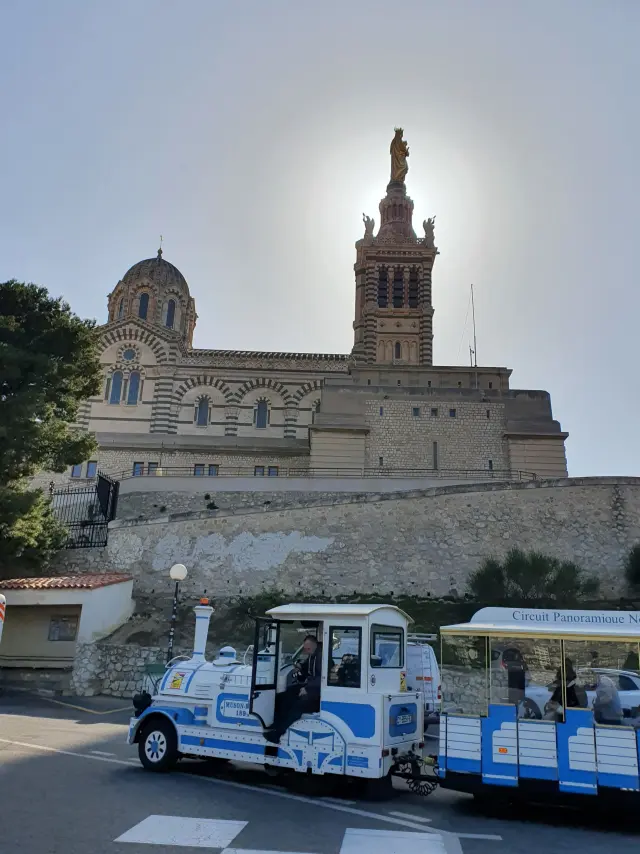
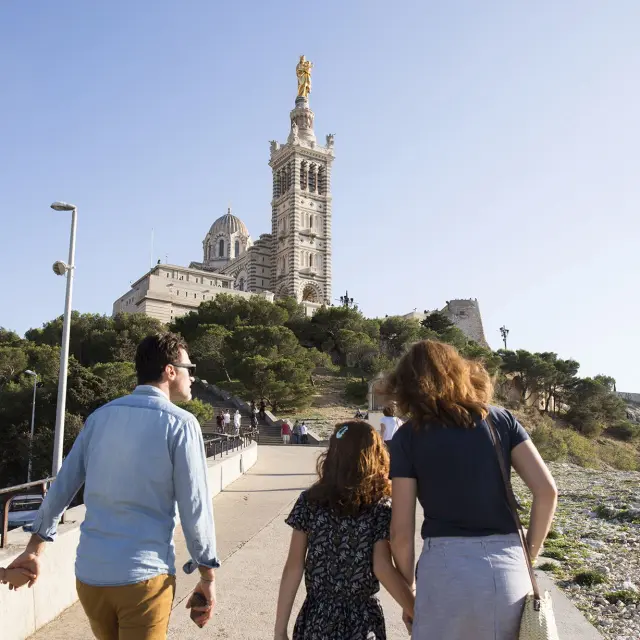
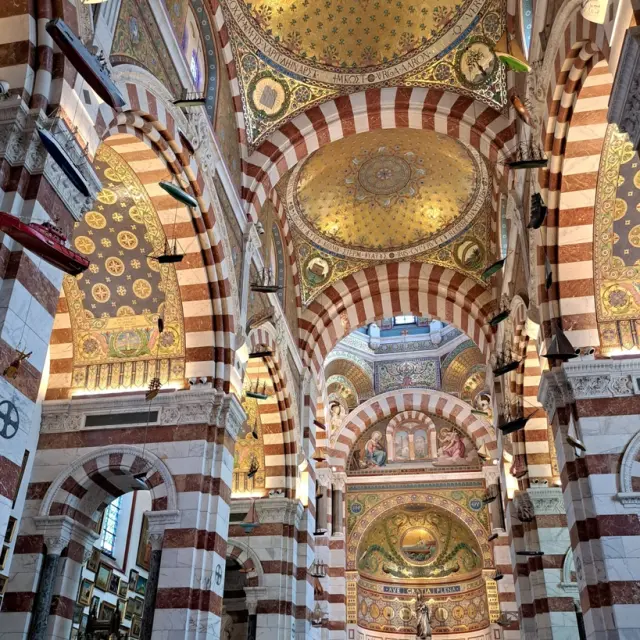
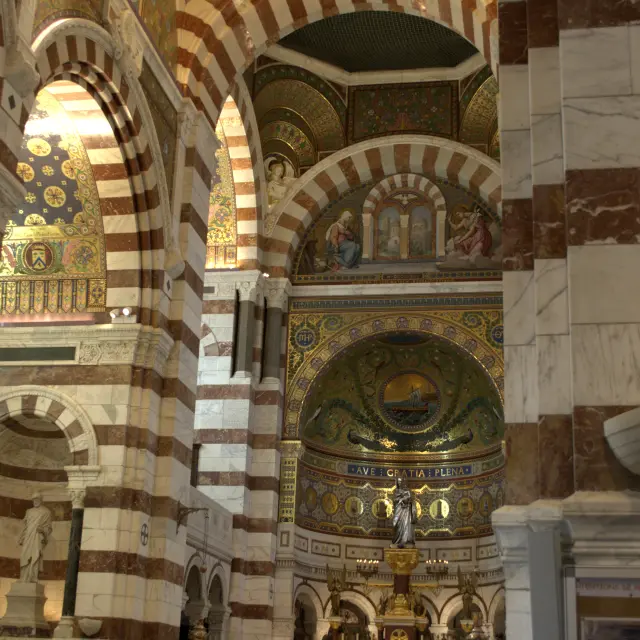
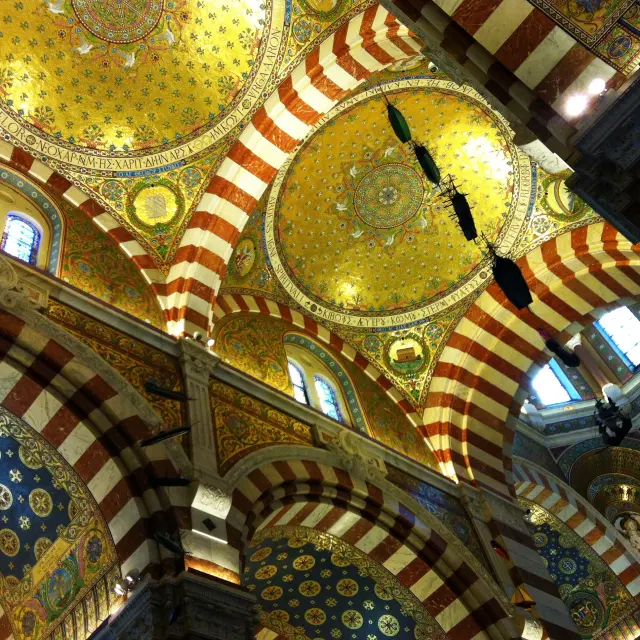
Built in the Roman-Byzantine style (domes, polychrome stonework, gilding, mosaics), the basilica is a perfect example of the grand architectural projects undertaken in Marseille under Napoleon III. The building comprises two parts:
– a lower church, or crypt, with a vaulted ceiling
– an upper church, the sanctuary, dedicated to the Virgin Mary (feast day and pilgrimage on 15 August).
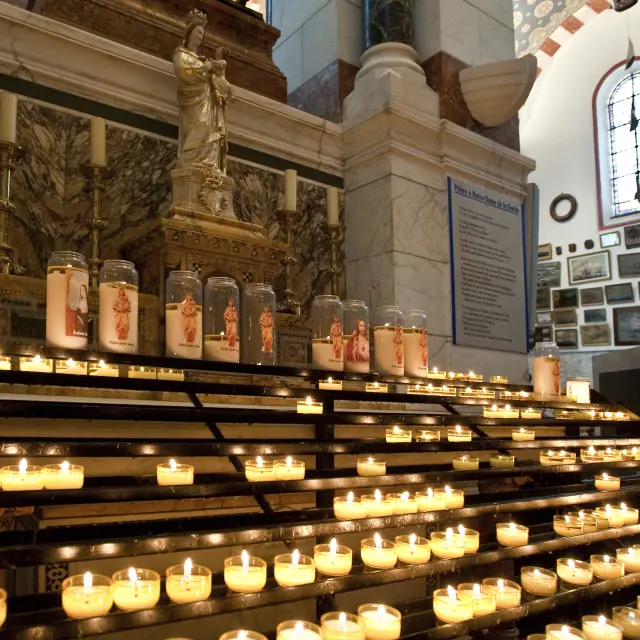
The presence inside the building of numerous ex-votos displayed on the walls bears witness to popular devotion, which extends far beyond the boundaries of Marseille. People come from all over the Bouches-du-Rhône department, and from throughout Provence, to light a candle and ask for a favour, or simply to recharge their spirits by drawing a little closer to heaven.