The history of Fort Saint Nicolas
The construction of the fort
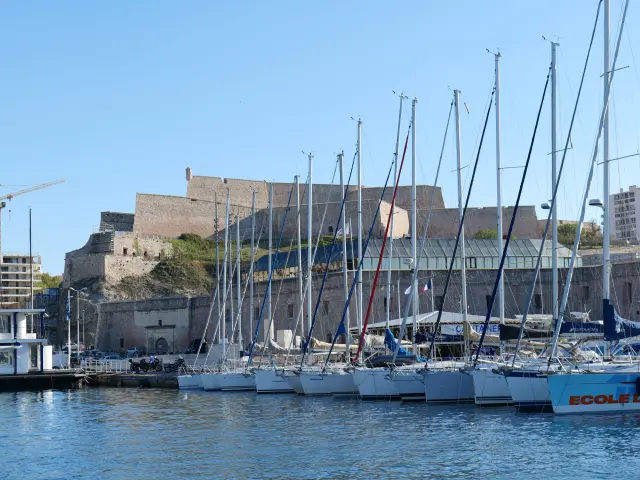
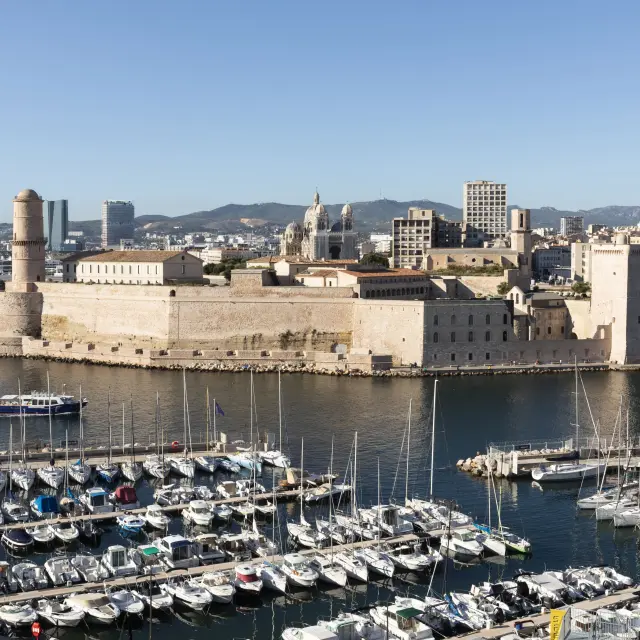
Built on the orders of Louis XIV between 1660 and 1664 by the Chevalier de Clerville, Fort Saint-Nicolas was intended not only to keep watch over the city and the people of Marseille who were hostile to him, but also to protect it against attacks from the sea. The king was keen to have a citadel built in the ‘most suitable’ location in the city. Stones from the former Porte Royale and from Cap Couronne were used in its construction.
Fort Saint-Nicolas was built between 1660 and 1664 on the orders of Louis XIV, under the supervision of the Chevalier de Clerville. This imposing citadel served a dual purpose: to protect Marseille from attacks from the sea, whilst keeping a watchful eye on the city’s population, which was then hostile to royal authority. The king wished to build the fortress on what he considered to be the ‘most suitable’ site in the city. Stones from the former Porte Royale were reused in its construction.
From the French Revolution to the fort’s redevelopment
During the French Revolution, the people of Marseille set about demolishing the fort, which they regarded as a threat. The National Assembly eventually ordered a halt to the demolition in order to preserve this defensive structure.
Restoration work was then undertaken. This work is still distinguishable today by the use of a greyish stone, which contrasts with the pink stone used in the original construction.
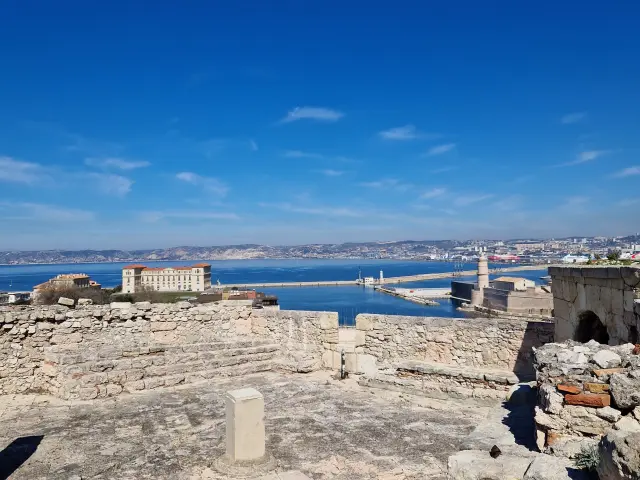
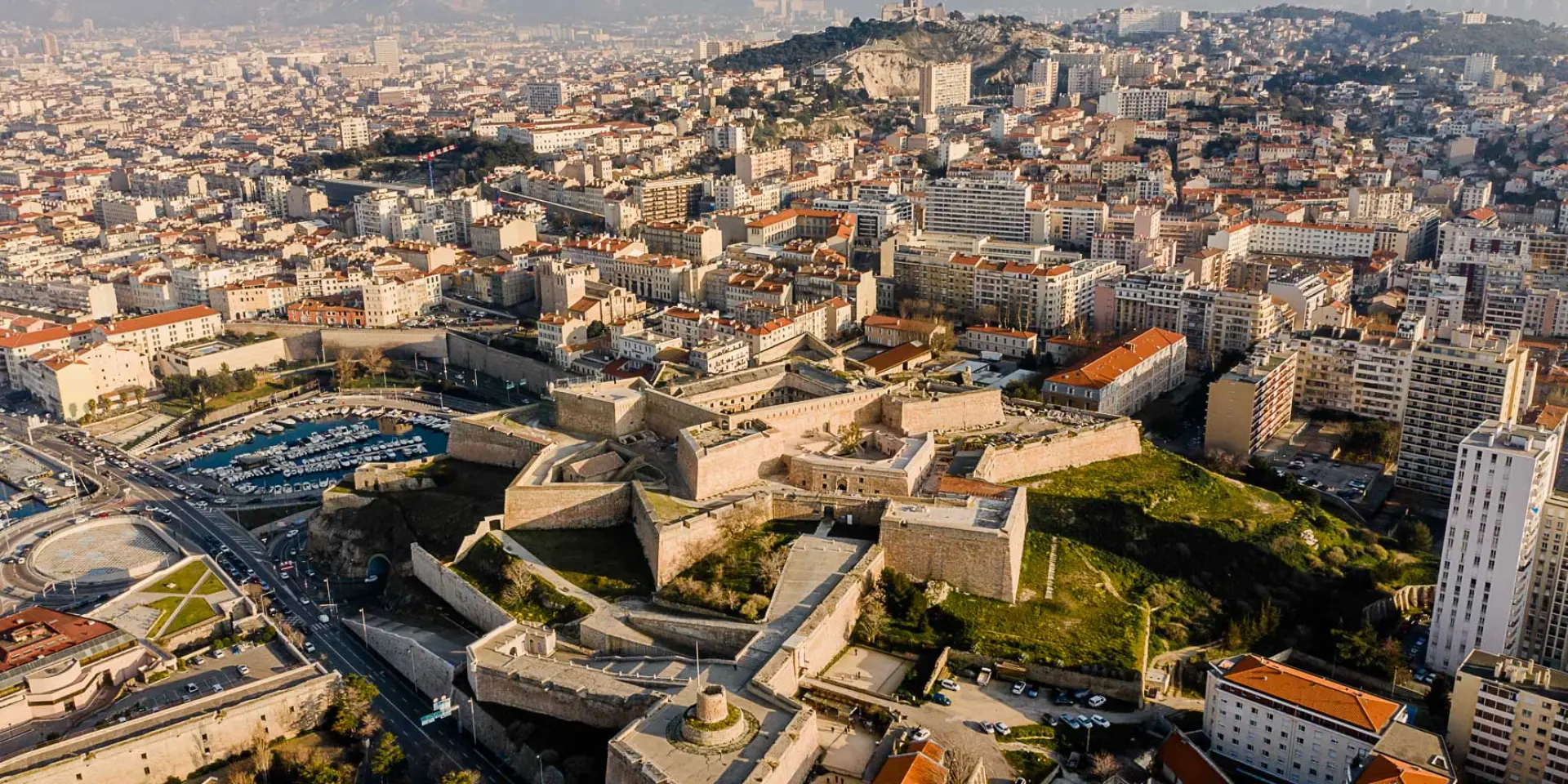
In 1860, during the development of the Imperial Residence – now known as the Palais du Pharo – Boulevard Charles Livon was cut through to link the Old Port with the Pharo district. This new road split the fort into two parts. Fort Saint-Nicolas is still divided into: Fort Ganteaume, on the sea side, and Fort d’Entrecasteaux, on the land side.
The various functions of the fort
In 1823, following the Duke of Angoulême’s expedition to Spain, numerous prisoners were held at the fort. A few years later, in 1832, it also served as a place of detention for the sailors from the Duchess of Berry’s ship. Fort Saint-Nicolas retained this function as a prison until the end of the Second World War.
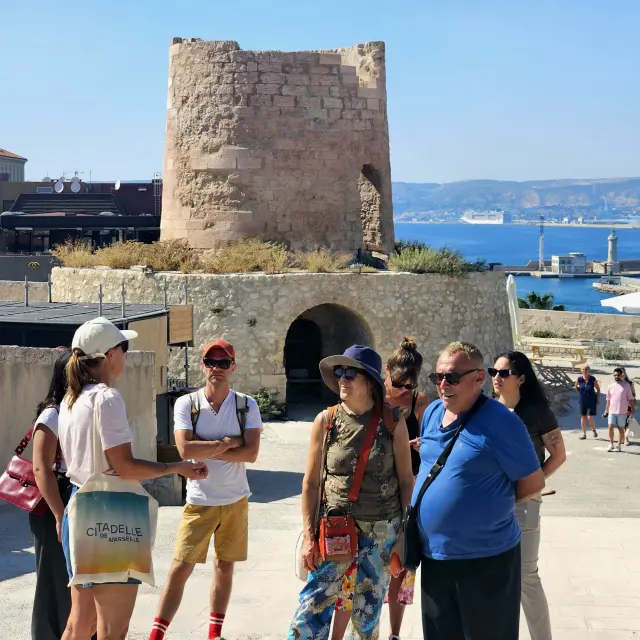
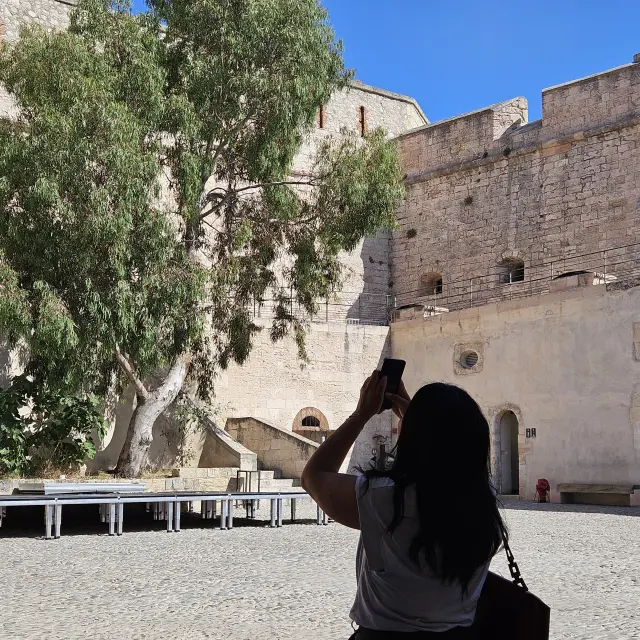
Today, Fort Ganteaume, situated on the sea side, houses the military club and the officers’ mess. Fort d’Entrecasteaux, which forms the Citadel of Marseille, is partially open to the public.