Estaquemassimo 9Estaquemassimo 9
©Estaquemassimo 9|Massimo Municchi

Marius and Jeannette

A love story with a Marseille flavour

A huge popular success, Marius et Jeannette is undoubtedly the best-known film by Robert Guédiguian. Released in 1997 to critical acclaim, the film combines tenderness, humour and social commitment, giving a voice to the most disadvantaged members of society. Much more than a simple love story, it is also a true statement about Marseilles, and more specifically about l’Estaque, a district dear to Guédiguian’s heart.

An intimate account of everyday life in Marseille

In the sunny backstreets of l’Estaque, a former fishing village that has become a district on the outskirts of Marseille, two characters damaged by life meet and get to know each other. Marius, a discreet, solitary man, looks after an old cement works that is no longer in use, while Jeannette, a cashier with a strong character, brings up her two children alone in a modest building in the district. A harmless exchange between them becomes the starting point for an unexpected encounter.

Marius et Jeannette unfolds a tender, discreet romance of hesitant glances, simple gestures and touching awkwardness. The film takes the time to build a fragile bond, against a backdrop of budding complicity, in a modest everyday environment imbued with human warmth. Through this seemingly innocuous plot, Robert Guédiguian reveals the beauty of ordinary emotions and the importance of the collective.

Praised for its sincerity and deeply human tone, this dramatic comedy finely sketches the springs of solidarity, respect and dignity. Without ever lapsing into over-sentimentality, Marius et Jeannette lightly tackles the essential themes of confidence, self-rebuilding and hope for a better future. This luminous work, rooted in the real world, is supported by apt dialogue and a gallery of characters as endearing as they are real: it alone embodies and sums up the spirit of Robert Guédiguian’s cinema.

L’Estaque, the living backdrop for a committed film

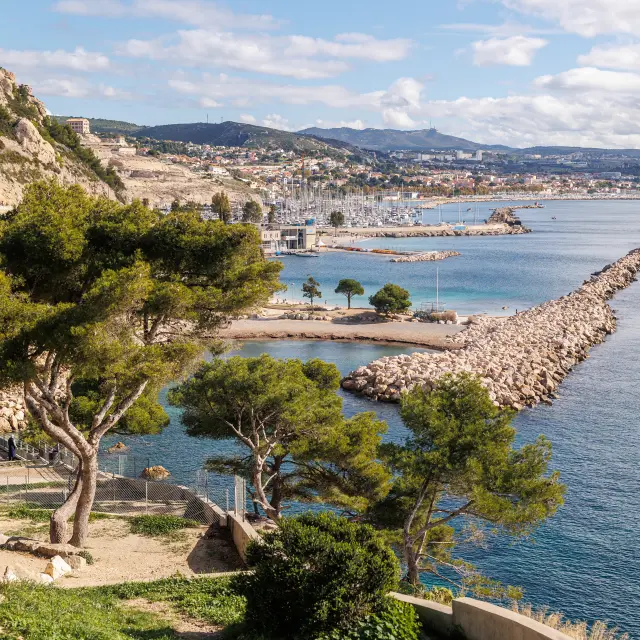
In Robert Guédiguian’s work, Marseilles is a character in its own right, topping the cast alongside Ariane Ascaride and Gérard Meylan. In Marius et Jeannette, the Estaque district embodies this living presence and naturally takes on the role assigned to it. Situated to the north-west of Marseille, between the hills of the Rove massif and the waters of the Mediterranean, this working-class district offers an authentic, bright backdrop, far removed from tourist clichés.

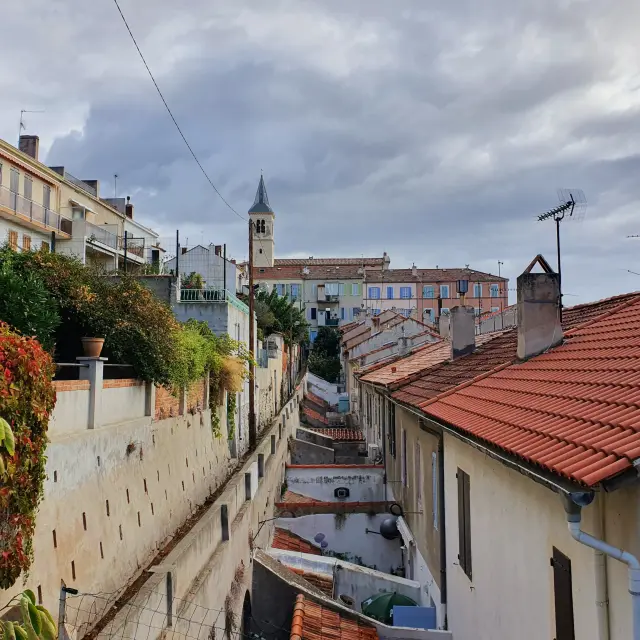
The film draws much of its realism and poetry from here: the narrow streets, the staircases, the pastel-coloured facades, the sounds of the port, the children playing and the lilting accents – every element contributes to creating a warm and deeply human atmosphere. Far from studios and fake reconstructions, Guédiguian films l’Estaque as you would a beloved face, with tenderness and fidelity, without make-up or artifice.

It’s also a return to his roots for the director, who grew up in the city of Marseille. Filming in the places where he grew up, he sincerely recreates a collective memory: that of the residents, the neighbourhood solidarity, the social struggles and the simple joys of everyday life. L’Estaque became more than just a film location: it became a symbol of attachment, resistance and Marseilles’ identity, at once proud, modest and profoundly human.

In the footsteps of Marius et Jeannette: visit the filming locations

You can extend your Marius et Jeannette experience by exploring l’Estaque, an authentic district in the north of Marseille that has retained its working-class soul and village atmosphere. A stroll around these emblematic sites from the film will give you a taste of the warm, working-class atmosphere captured by Guédiguian.

The site of the former Lafarge cement works evokes the industrial heritage of the city of Marseille. Although closed to the public, it remains a strong landmark, a symbol of local working-class memory, and can be seen from the heights of the district.

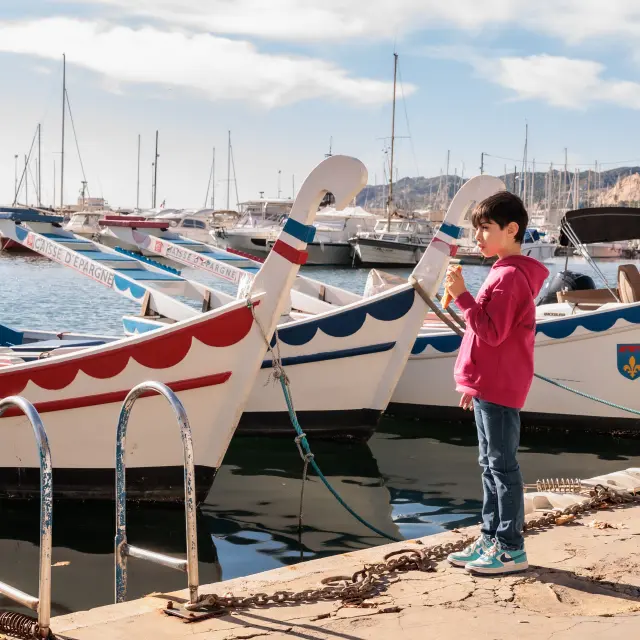
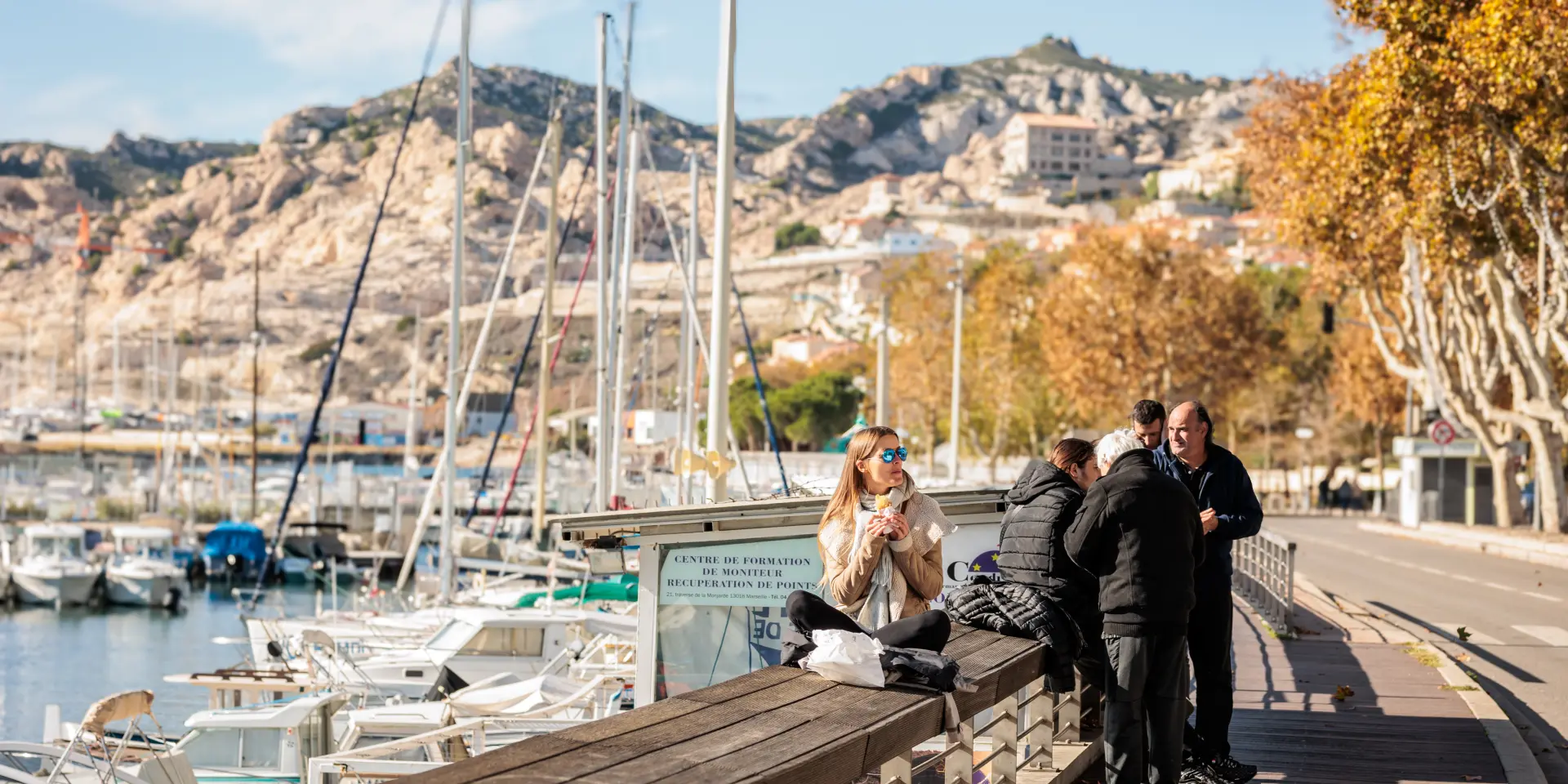
The seafront, with its boats dancing to the rhythm of the waves and its shacks selling panisses and chichis, has an air of eternal spring. Here, you can savour the same specialities as the locals, while enjoying a unique panorama of the harbour and the islands of Marseille.

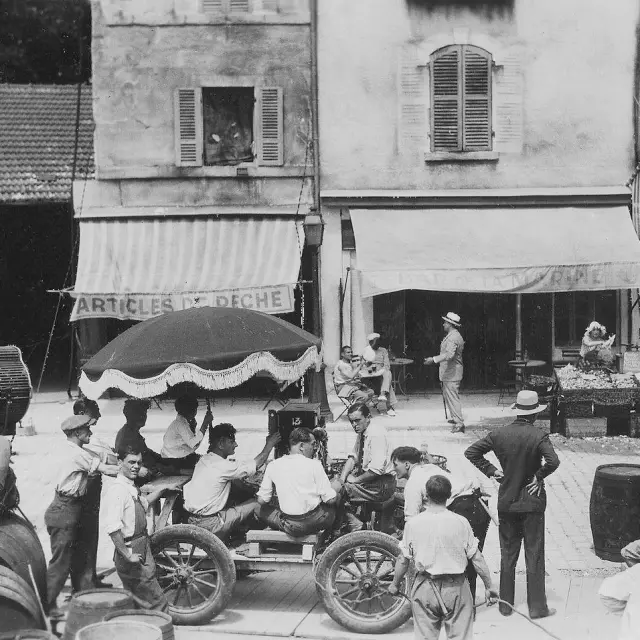
The narrow streets of l’Estaque, with their steep staircases, shady squares and colourful houses, remain faithful to the scenes from the film shot in 1997. The historic heart of the district has changed little, and continues to embody the working-class, community spirit that Guédiguian has never ceased to celebrate through his camera. More than just a tour of the locations where Marius et Jeannette was filmed, a visit to the district will reveal the secrets of a luminous place that has delighted many painters before seducing a great film-maker.