Chateau Dif Otlcm 2Chateau Dif Otlcm 2
©Chateau Dif Otlcm 2

The Count of Monte Cristo in Marseille: between cinema and heritage

The film adaptation of Alexandre Dumas’ novel by Matthieu Delaporte and Alexandre De La Patellière, released in 2024, was a critical and commercial success. The film also took a fresh look at the image and heritage of the city of Marseille.

An adventure novel that became a classic of French literature

In 1844, Alexandre Dumas wrote The Count of Monte Cristo, one of the most influential masterpieces of French Romanticism. Inspired by real events and inspired by his Mediterranean travels, this novel offers a fascinating plot, driven by the depth of its characters and the intensity of its twists and turns.

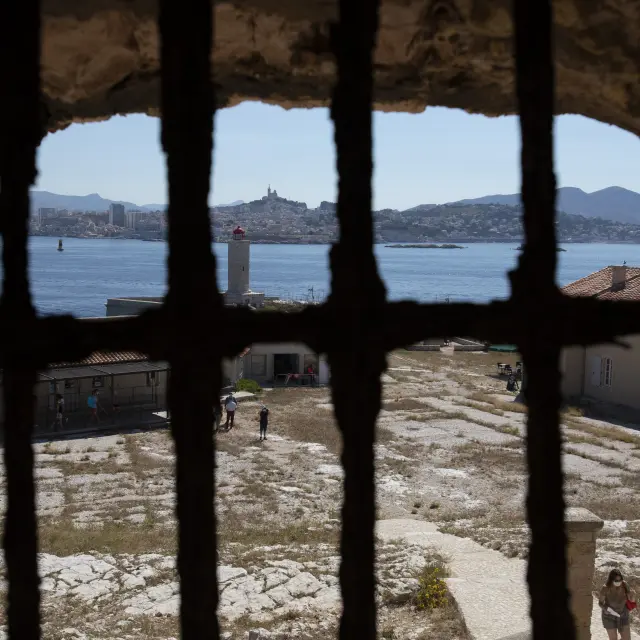
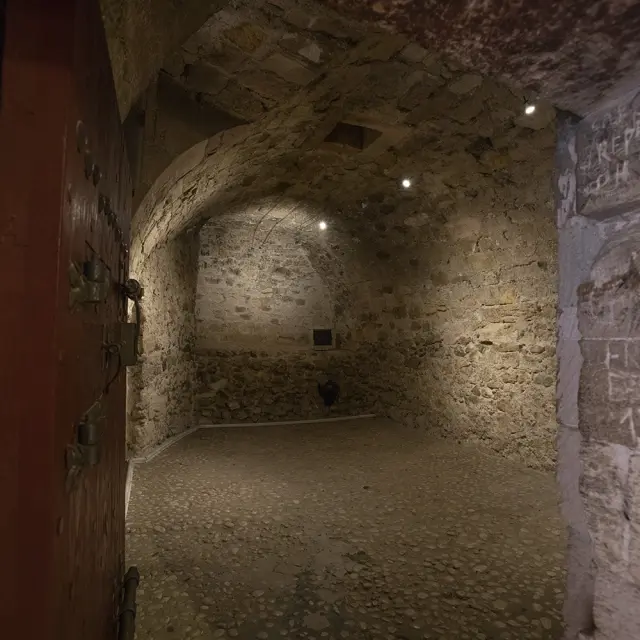
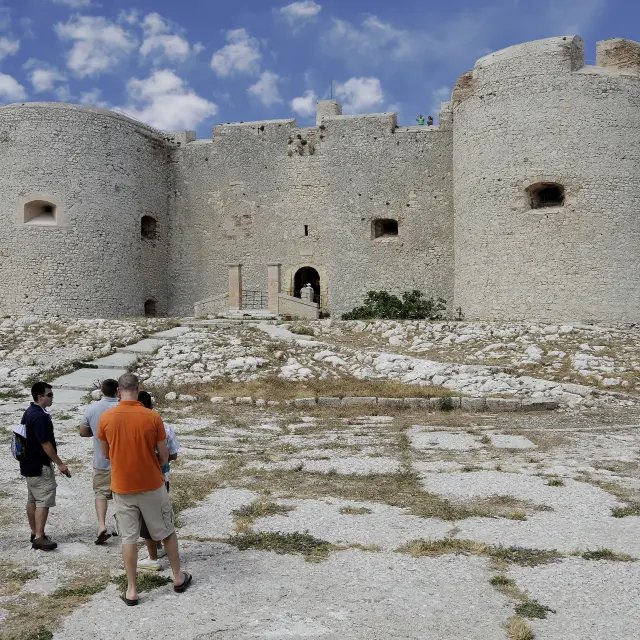
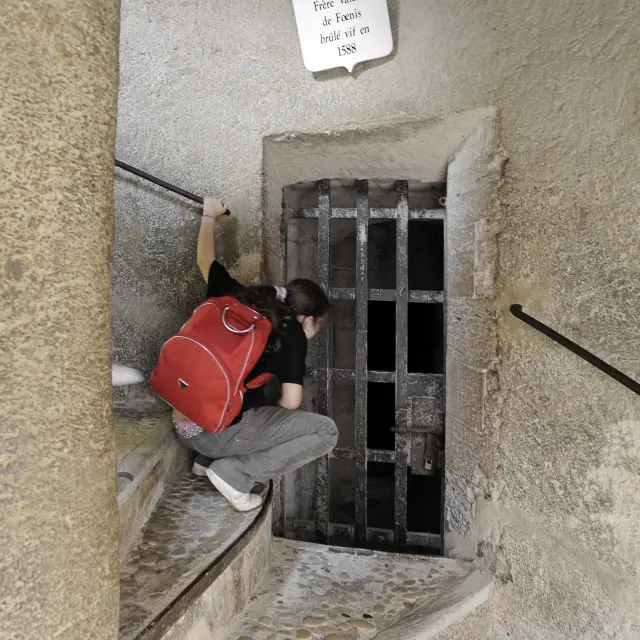
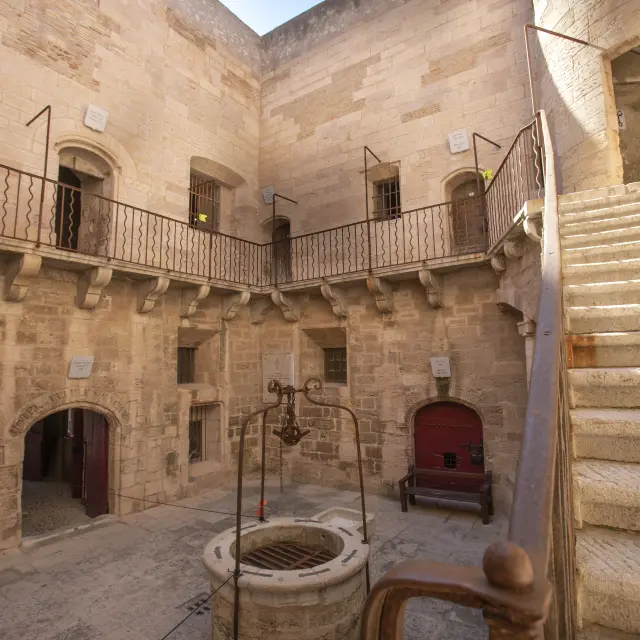
Edmond Dantès arrives in Marseille on 24 February 1815, just as Napoleon is preparing to leave Elba to regain power. Everything was looking up for the 19-year-old, who was destined to become captain of a three-masted merchant ship and marry the beautiful Mercédès. But men jealous of his professional and romantic success set up a plot that leads to Dantès’s arrest. He is imprisoned in the Château d’If, an ancient fortress built on an island from which there is no escape.

But Edmond Dantès still managed to escape. He makes his way to the island of Monte Cristo, a confetti of land between Corsica and Italy, where a treasure awaits him, the location of which has been revealed to him by Abbot Faria, a fellow captive. Rich and with a new identity, our hero sets out to take methodical revenge on the people who led him to his ruin.

Through a story that begins with an unbearable injustice and turns into a jubilant revenge, The Count of Monte Cristo transcends the genre of the adventure novel. It explores the universal themes of loyalty, identity, forgiveness and freedom.
A modern and spectacular retelling of The Count of Monte Cristo on the silver screen

Directed by Matthieu Delaporte and Alexandre De La Patellière, The Count of Monte Cristo, released in 2024, is a new adaptation of the famous novel by Alexandre Dumas. This film version highlights the journey of Edmond Dantès through a production that is faithful to the original work, while taking a contemporary approach.

Pierre Niney inhabits the character of Edmond Dantès with sobriety and intensity, assisted by Bastien Bouillon and Anaïs Demoustier, who each bring their own sensitivity to the key characters in the story. The film was carefully produced and shot on location, notably in Marseille, to reinforce the story’s geographical roots.

On its release, the film was positively received by audiences and critics alike. It stands out for the quality of its direction, the performance of its actors and the care taken with the historical reconstruction. This adaptation is helping to bring the world of the novel to a wider audience, by showcasing the places that inspired Alexandre Dumas, starting with Marseille.

Marseille, a character in its own right in the book and in the film

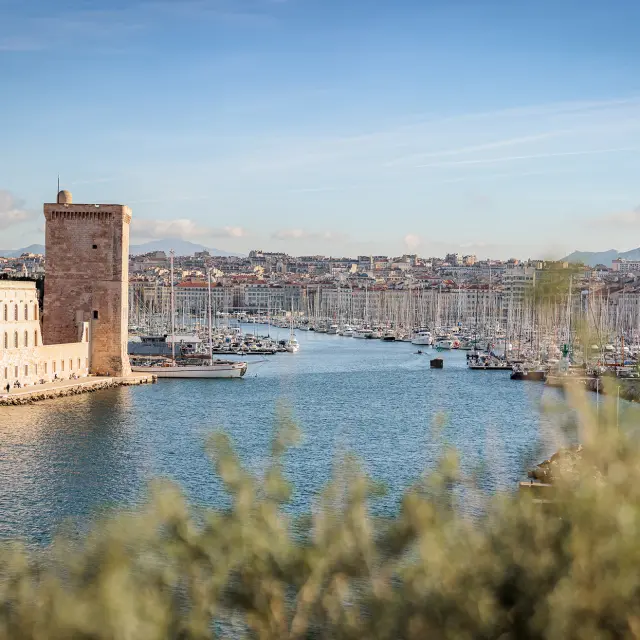
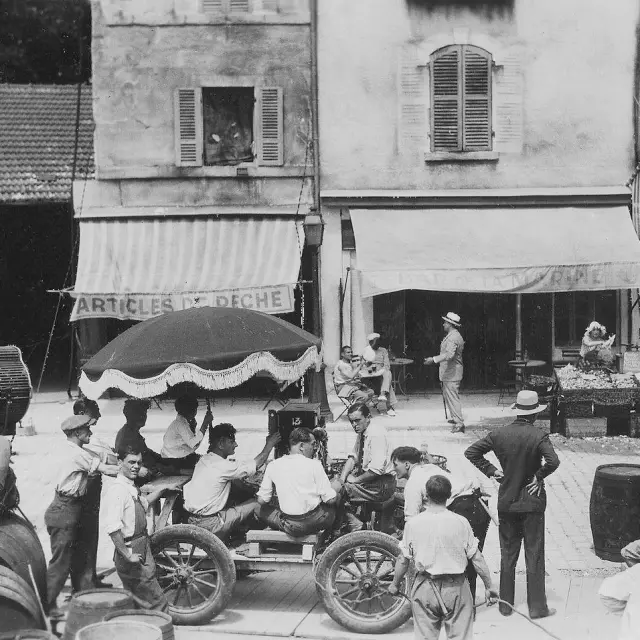
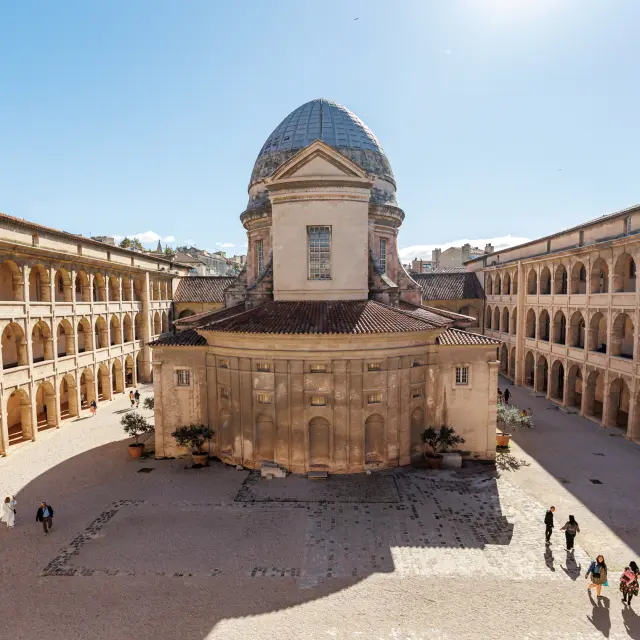
Marseille plays a central role in The Count of Monte Cristo, both in the original novel and in the 2024 film adaptation. It is in Marseille that Edmond Dantès returns to port at the beginning of the story, before being arrested and imprisoned on denunciation. The city is the starting point of his shattered destiny, but also the place where he returns years later. Part of the film was shot in the studio to recreate the city of Marseille in the early 19th century as faithfully as possible, but some of the exterior scenes take place in Marseille and Provence.

The Château d’If is an essential landmark and a reminder that Edmond Dantès cannot escape his fate. This former state prison built on a rocky islet becomes the symbol of injustice and captivity in Dumas’s story. It is filmed with sobriety in the film to accentuate its isolation and dramatic role.

The wedding of Mercédès and Edmond takes place in the church of Notre-Dame-de-l’Assomption, in the Provençal village of Moustiers-Sainte-Marie. These natural settings reinforce the story’s Mediterranean roots and contribute to the unique atmosphere of Matthieu Delaporte and Alexandre De La Patellière’s film.

This new adaptation showcases Marseille without artifice, drawing on the visual power of its landscapes and the symbolic charge of its locations. The link between the city and the hero’s destiny is strengthened, reminding us just how inseparable The Count of Monte Cristo is from Marseille.

Subscribe to our newsletter

Stay connected and find out all the latest news from Marseille