
The discovery of the Cosquer Cave
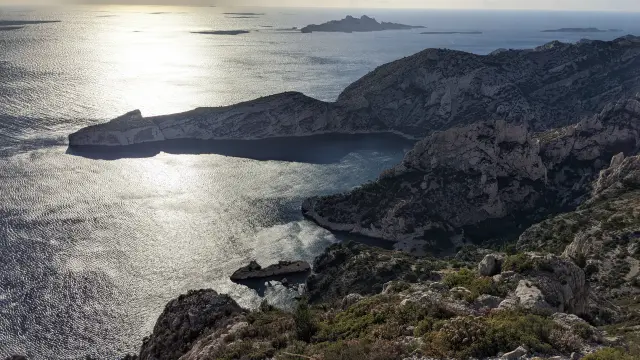
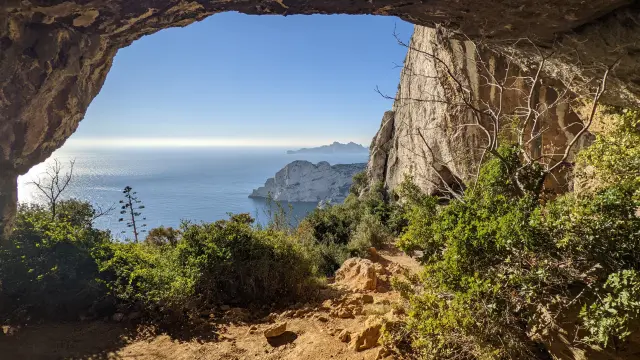
The story of Cosquer Cave began in 1985. That year, Henri Cosquer, an experienced scuba diver with a passion for the underwater world, was exploring the Calanques near Cap Morgiou. At a depth of 36 metres, he spotted a cavity carved into the rock and decided to venture inside. At the end of a submerged passage nearly 175 metres long, he made an extraordinary discovery that would change his life.
At the heart of the cave, he unearths a collection of more than 480 painted and engraved works dating back nearly 30,000 years. These included depictions of penguins, deer, ibex and bison, as well as handprints and traces of hearths.
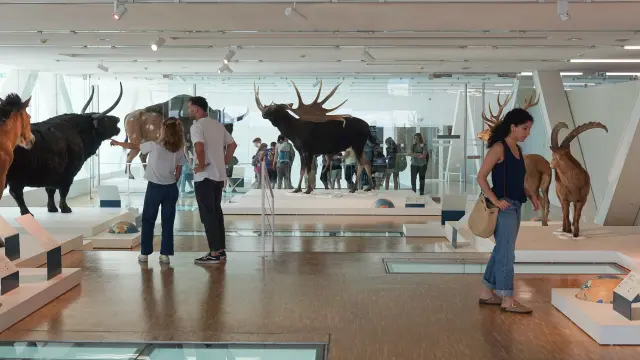
After several expeditions carried out over a period of six years, Henri Cosquer revealed his discovery. Studies show that the cave was frequented by our ancestors between 33,000 and 19,000 BC. At that time, the sea level was around 120 metres lower than it is today, and the coastline lay several kilometres from the cave’s entrance. The climate was much colder then than it is today.
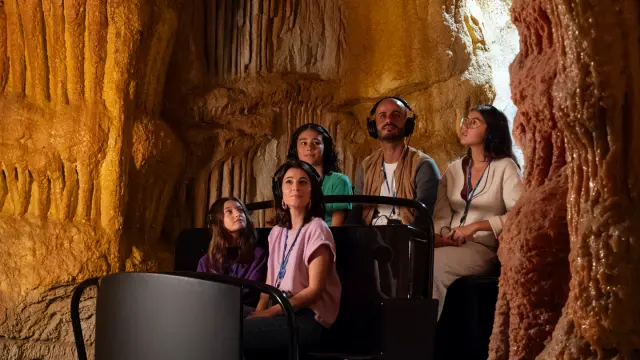
In 1991, the Cosquer Cave was officially recognised and then unveiled to the general public. It was designated a Historic Monument in 1992 and became an important subject of study for researchers. Today, access to the cave is closed off. Threatened by rising sea levels, it is gradually being submerged, making its preservation and its presentation to the public more important than ever.