VisitThe 'Palais Longchamp'Marseille's water reservoir

‘Palais Longchamp’

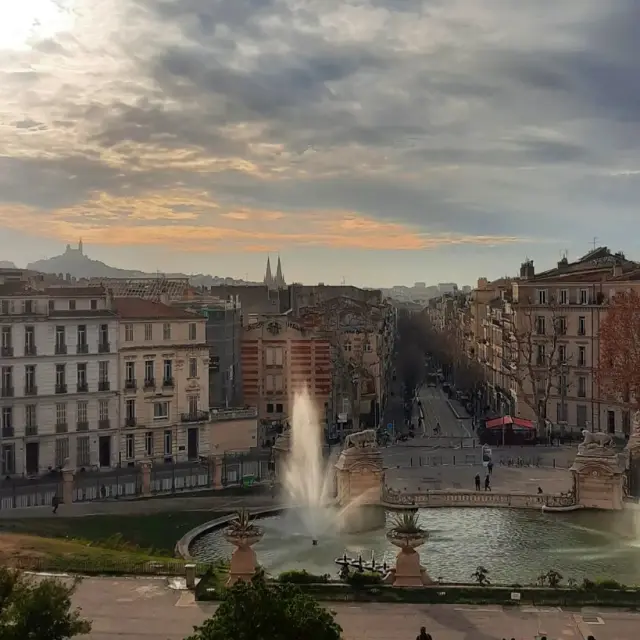
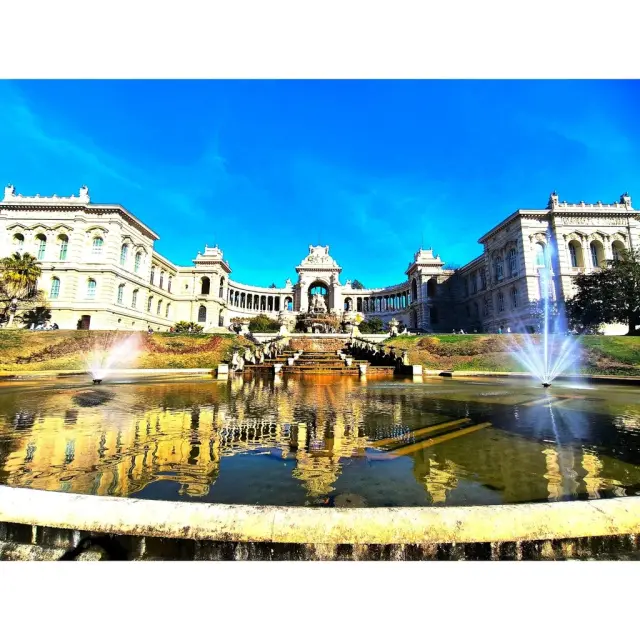
The Palais Longchamp is a must-see in Marseille: with its magnificent park, this historic monument, built to bring water into the city, is a true architectural feat.

In 1835, a cholera epidemic struck the Phocean city due to a lack of drinking water. In response to this tragedy, the engineer of the “Ponts et Chaussées”, Franz Mayor de Montricher, carried out a project that had been envisioned as early as the 16th century: digging an 85-kilometre canal to bring water from the Durance to Marseille.

After around 10 years of construction (1839–1849), marked by the building of numerous aqueducts, water finally reached the city.

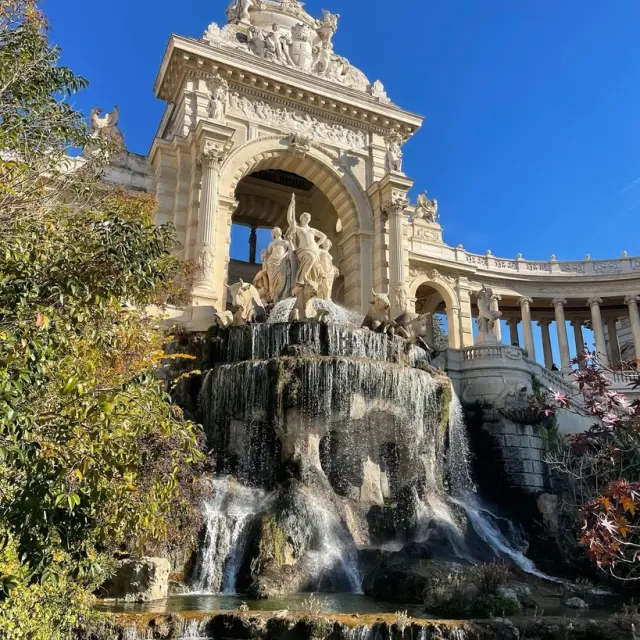
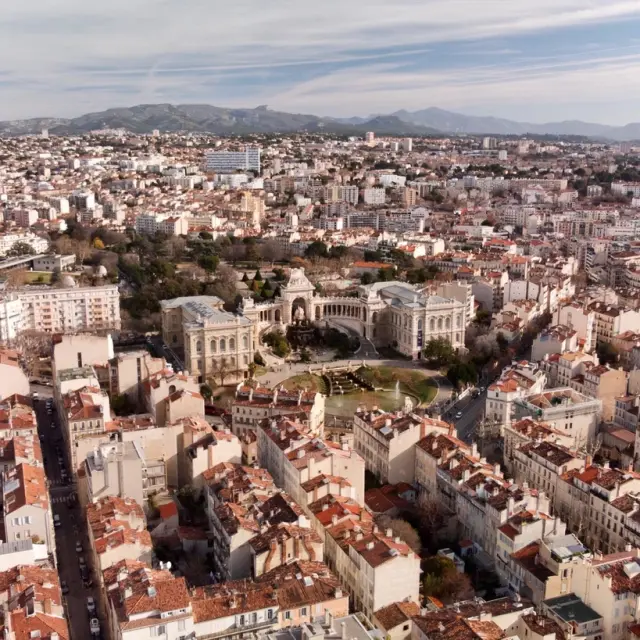
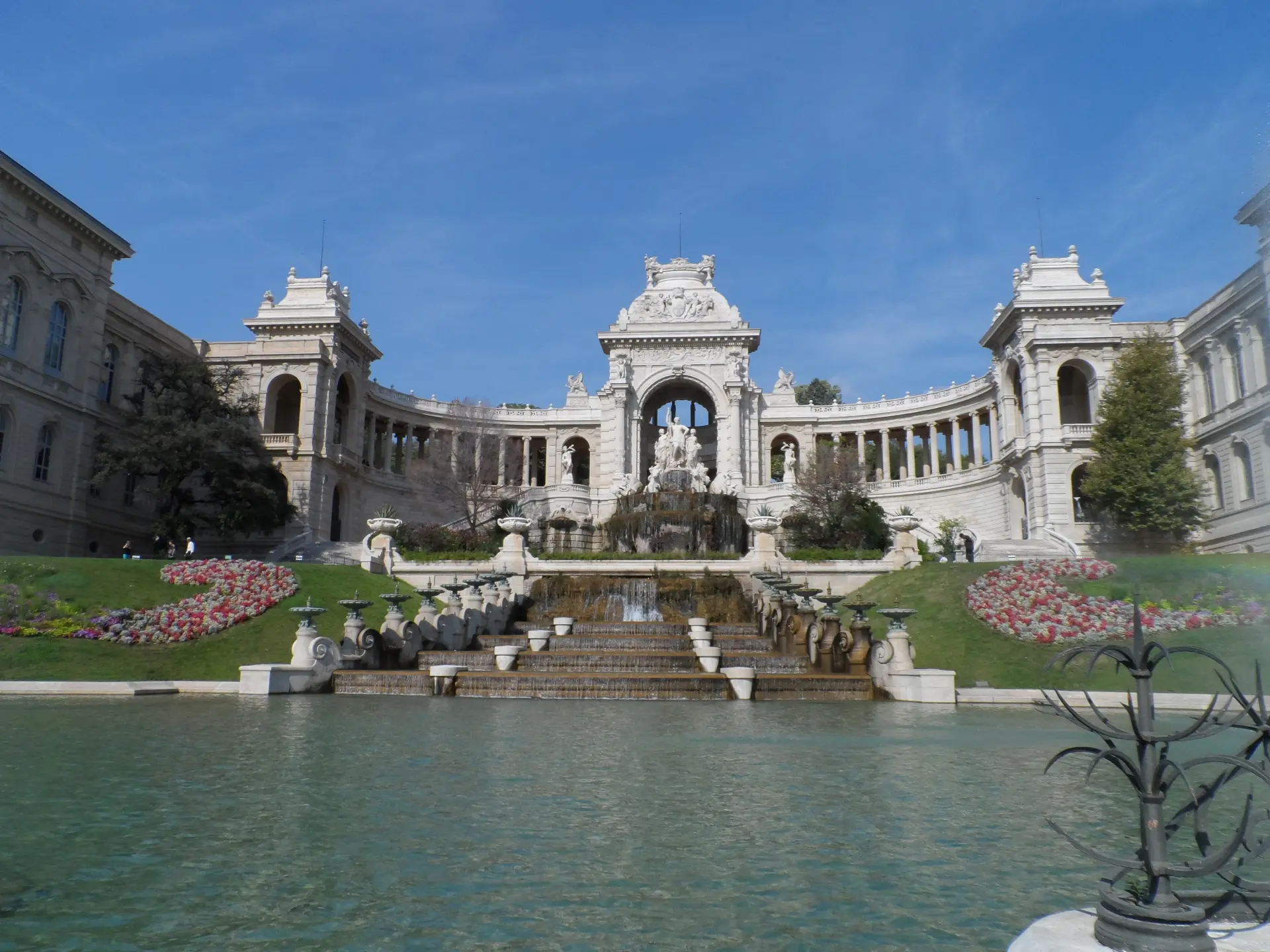
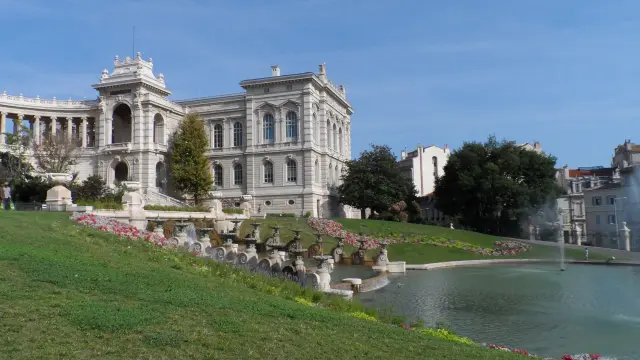
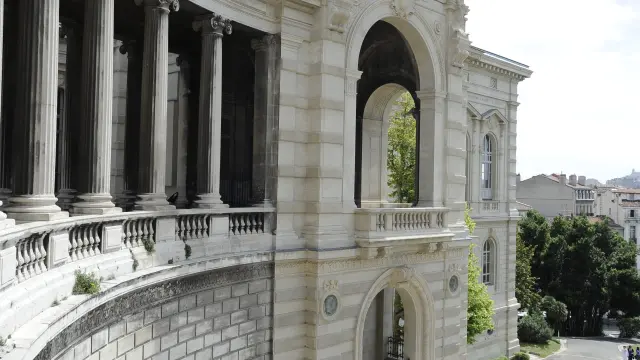
The architect Henri Espérandieu, also known for designing the Basilique Notre-Dame de la Garde, staged the arrival of water on the Longchamp plateau by creating a monumental architectural complex, built between 1862 and 1869.

A diverse place

Outstanding architecture

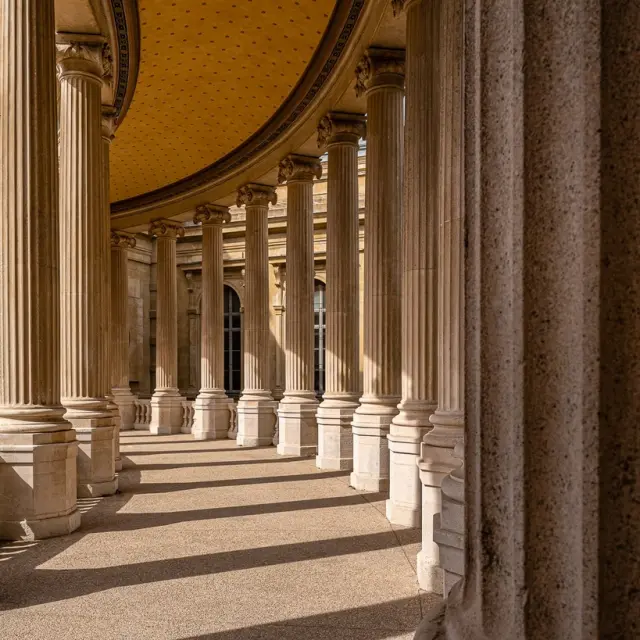
From each side of the water reservoir, an open colonnade leads to two museums which face a cascade on the city side, and a large garden on the park side. The site location was a central point for the European Capital of Culture title awarded to Marseille in 2013.

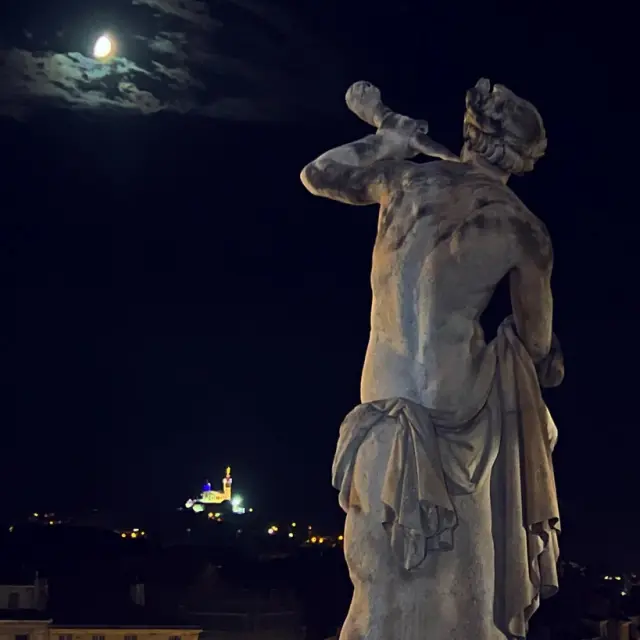
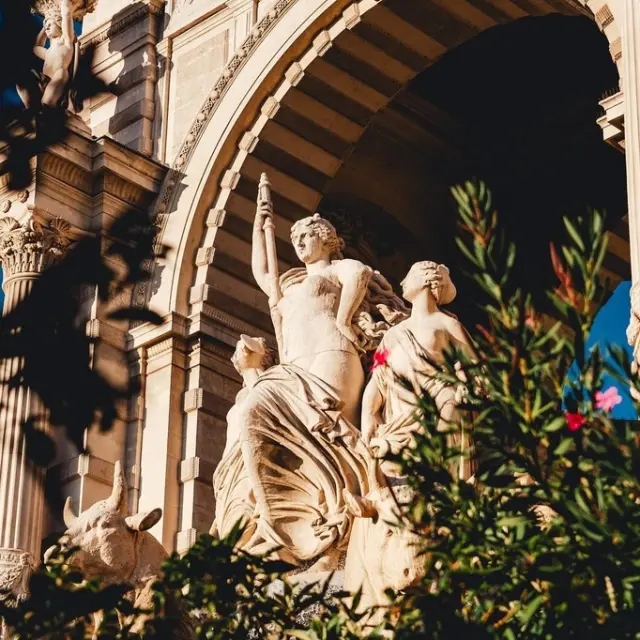
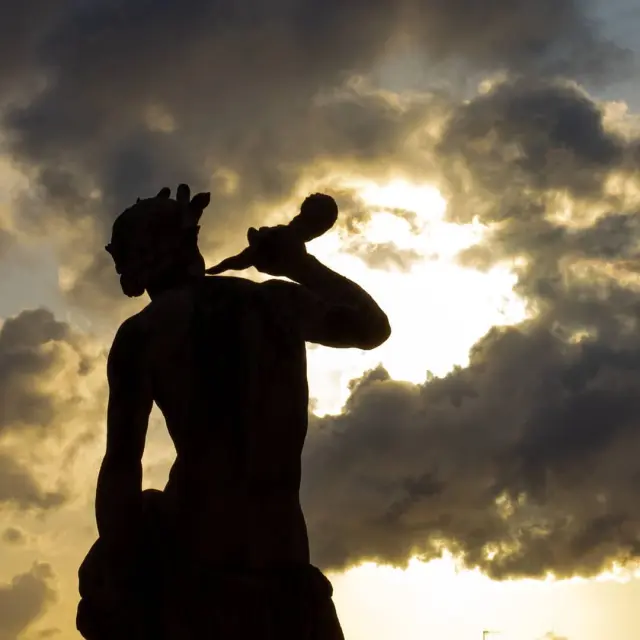
Once the monument was inaugurated in 1869, several sculptors were selected to decorate the ‘Palais Longchamp’ with their artwork. Lions and tigres’ sculptures from the animal sculptor Antoine Louis Bayre adorn the entrance, while a magnificent and imposing fountain at the center created by Jules Cavelier symbolises the arrival of the Durance river’s water.

The museums of  the ‘Palais Longchamp’

On the left-wing, the Museum of Fine Arts displays 17th and 18th century paintings, drawings, and sculptures. Founded in 1801, it is the oldest museum in Marseille.

On the right-wing, the Natural History Museum gathers several collections of curiosity displays from the 18th century given by the city and the state. It was rewarded with the title of first-class museum in 1967 together with nine other major museums, thanks to its exhibitions.

The ‘Palais Longchamp’ is not only a must-see monument. Behind its majestic facade stands a park very popular with the people of Marseille. The garden used to host a zoo, the remains of which can still be seen today.
Did you know?

The ‘Palais Longchamp’ hosted a zoo from 1855 to 1987, the Big Zoo of Marseille, which was also the first provincial zoo in France. The remains of the cages can still be seen in the park, as well as the giraffes building. Several animals from the zoo were preserved after their death and are now exhibited in the Natural History Museum located in one of the wings of the ‘Palais Longchamp’.

The Observatory of ‘Palais Longchamp’

A scientific attraction accessible to all

The observatory is considered the oldest scientific building in Marseille and was housed on the plateau Longchamp at the heart of the gardens in 1864. It has been equipped with the biggest telescope in the world (roughly 80cm in diameter) for a century. The building served as a big research lab for more than 140 years. Today, the reserchers have left the site for the Château-Gombert technopole.

Nowadays the area is open to the public, particularly to school groups. The Andromede association offers astronomy-orientated activities, like planetarium visits, exhibitions, and even visits to the big telescope. Visitors can also attend conferences and observe the sun or the moon. A perfect day out for families if you visit Marseille with children!

Practical information

The park is open all year round

Free entrance

Opening times:

7 am to 6.30 pm (from 1st October to 31st March)

7 am to 8 pm (from 1st April to 30th September)

Children play areas, small cafe, and toilets available